Hi.
Welcome to my blog. I document my adventures in food, travel, and coffee.

Welcome to my blog. I document my adventures in food, travel, and coffee.
Recent Posts from France:
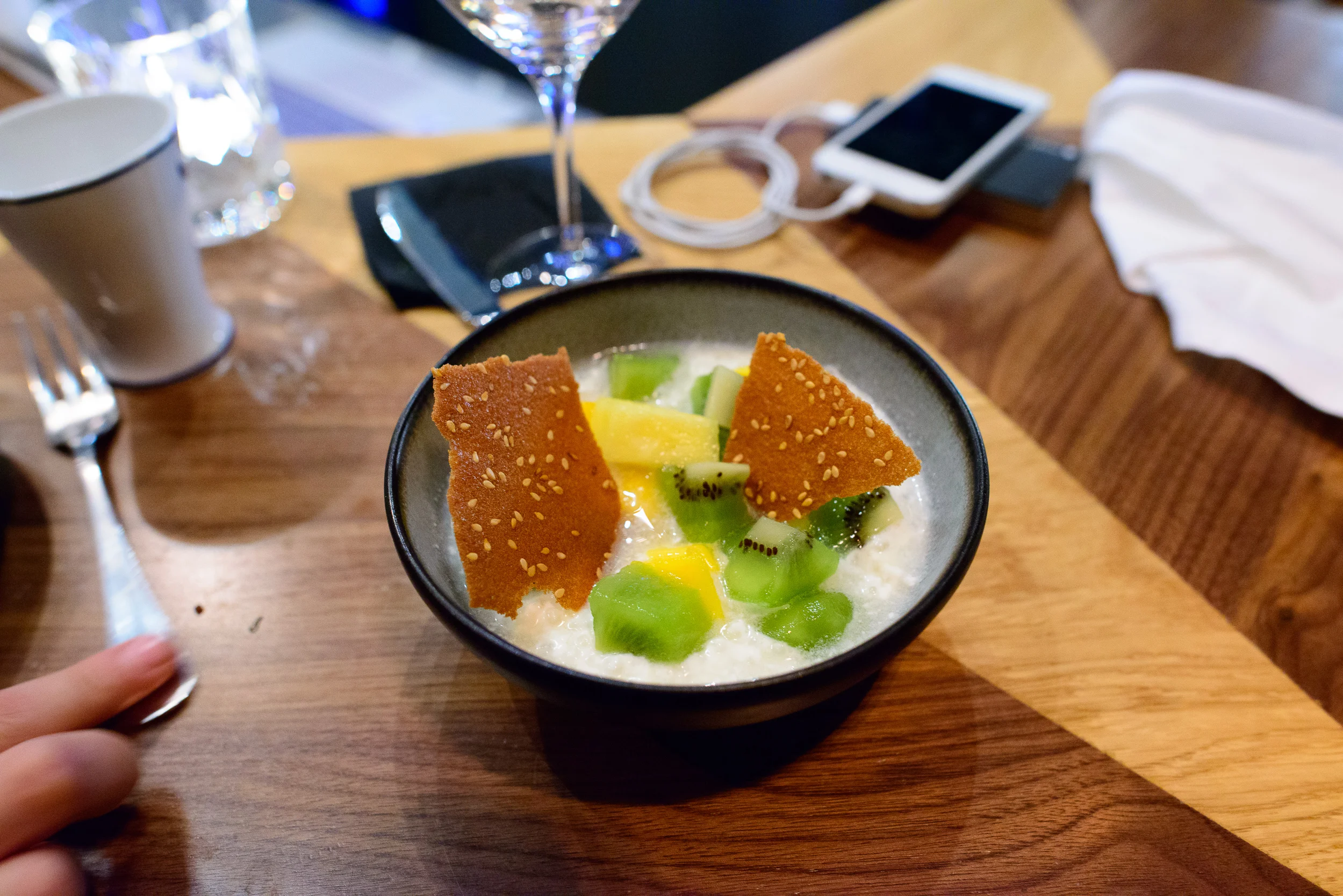
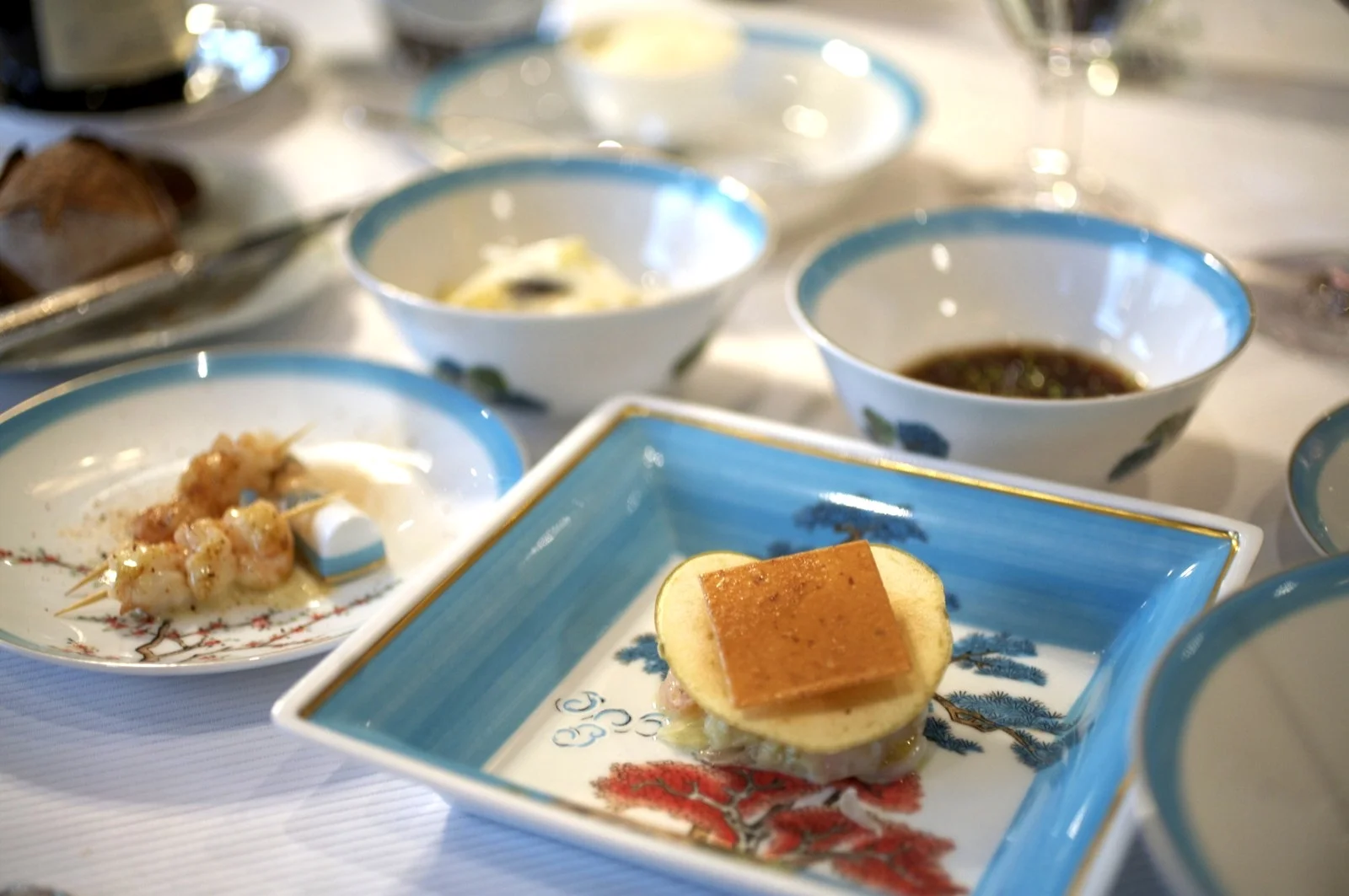
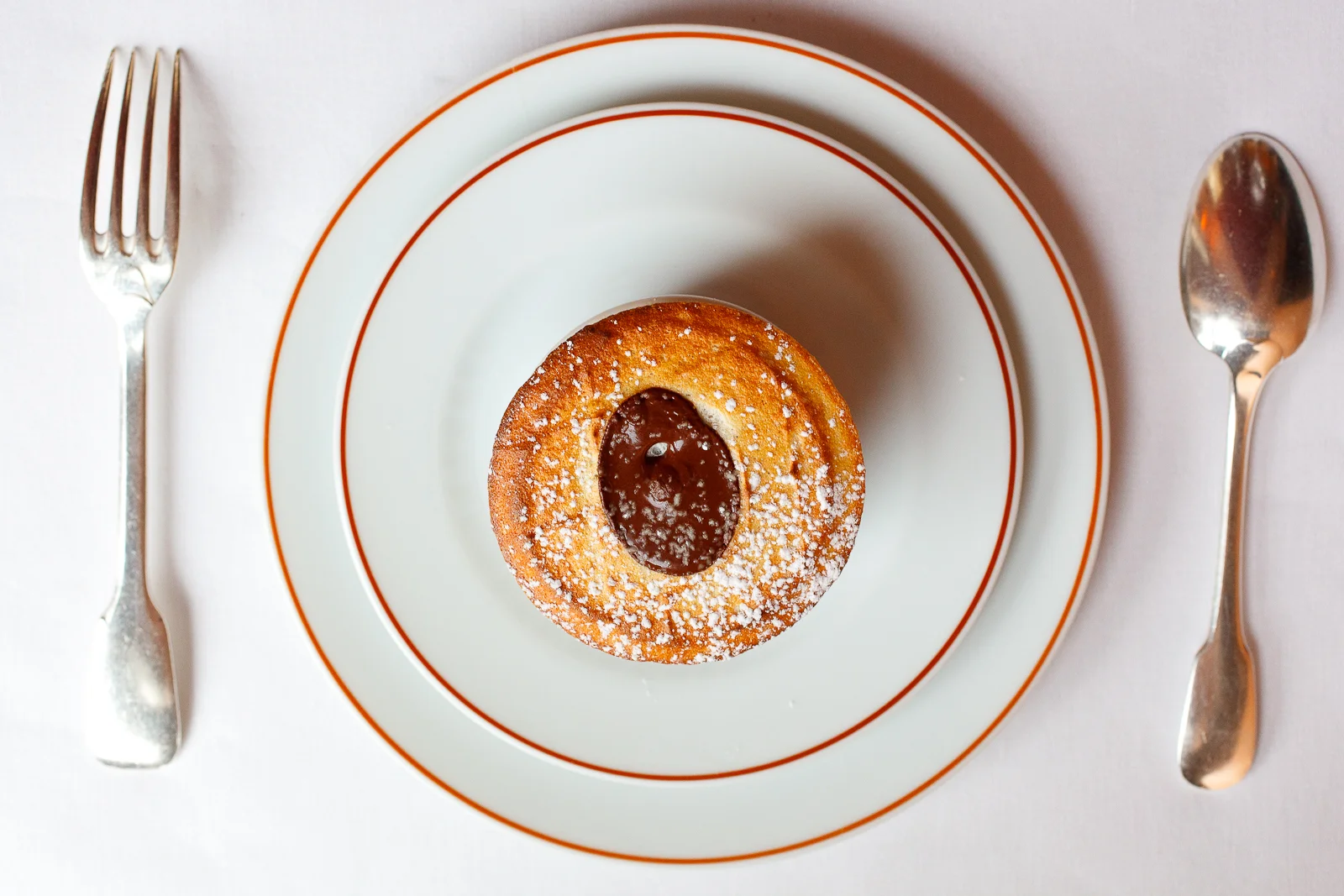
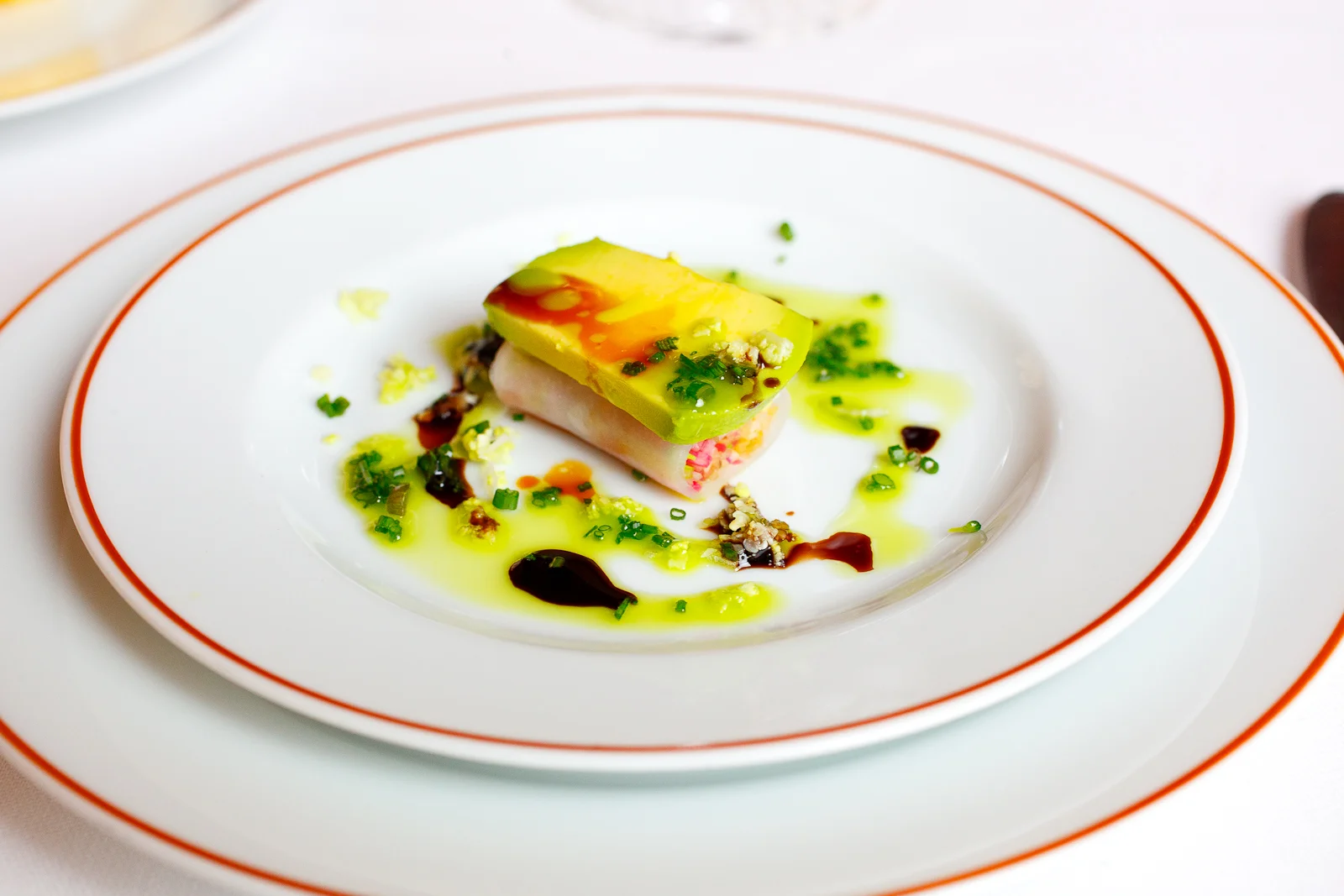
Photographs from my meal in Paris, France at The Fish Club on September 14, 2013.
Read more...
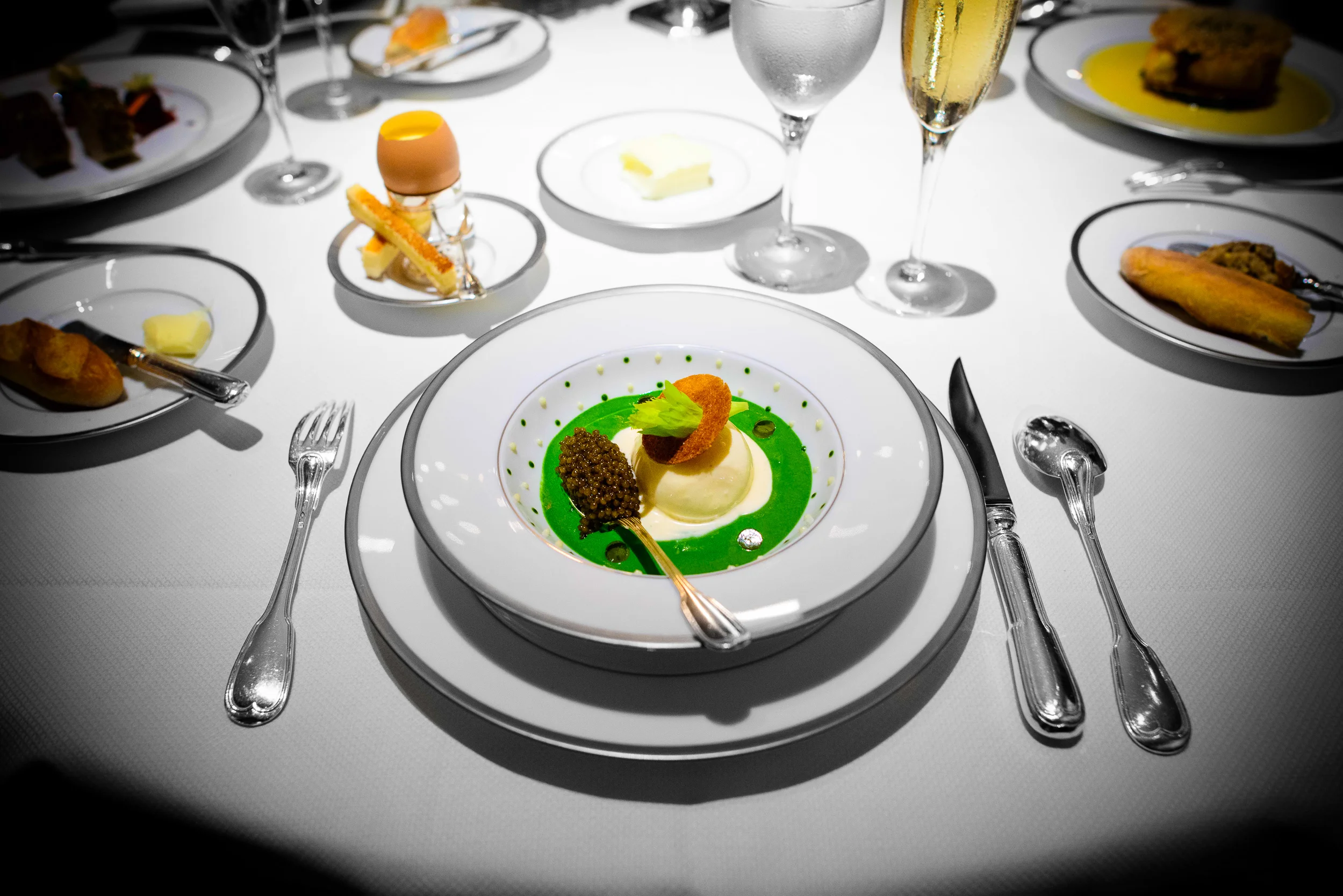
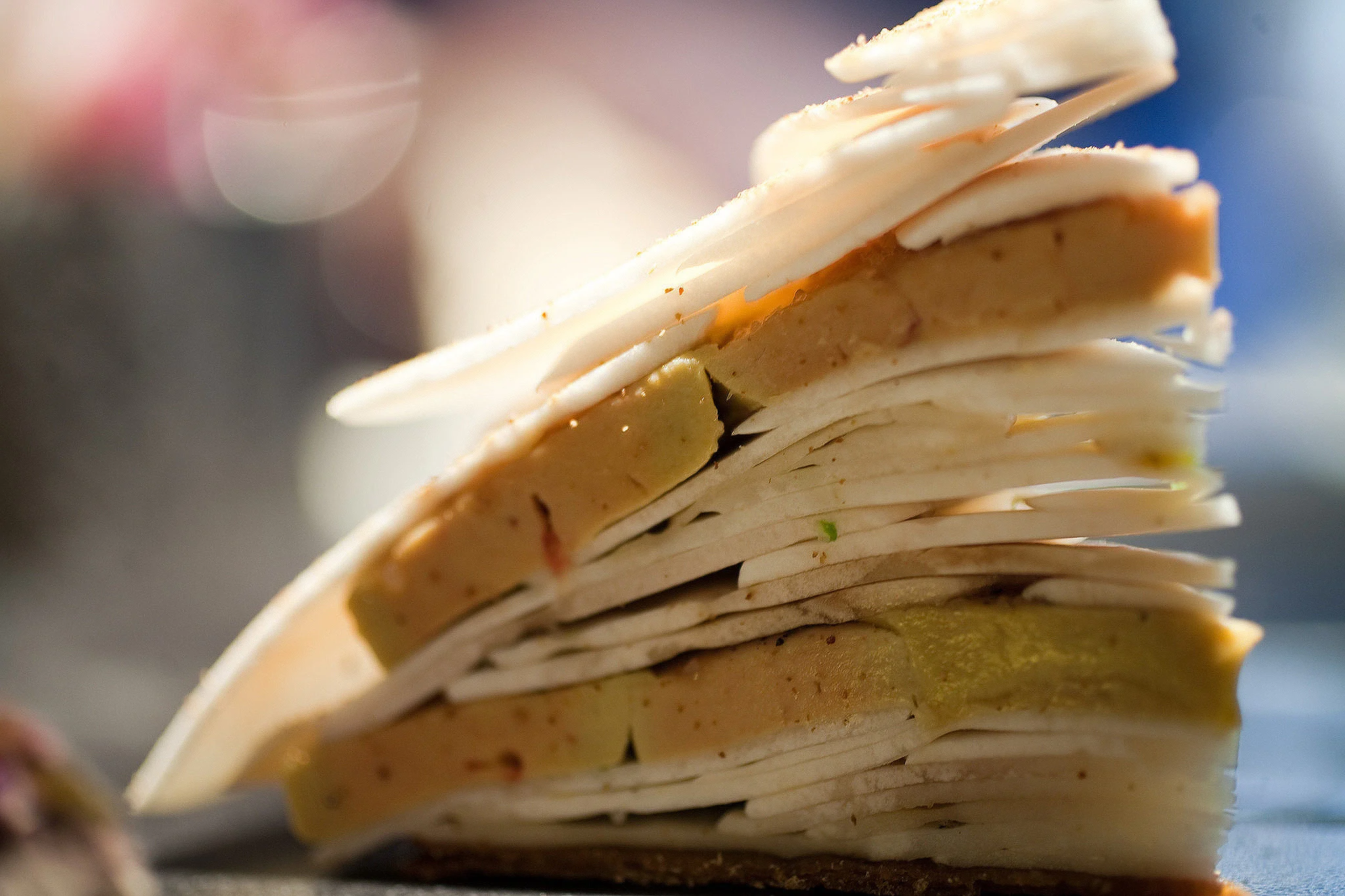
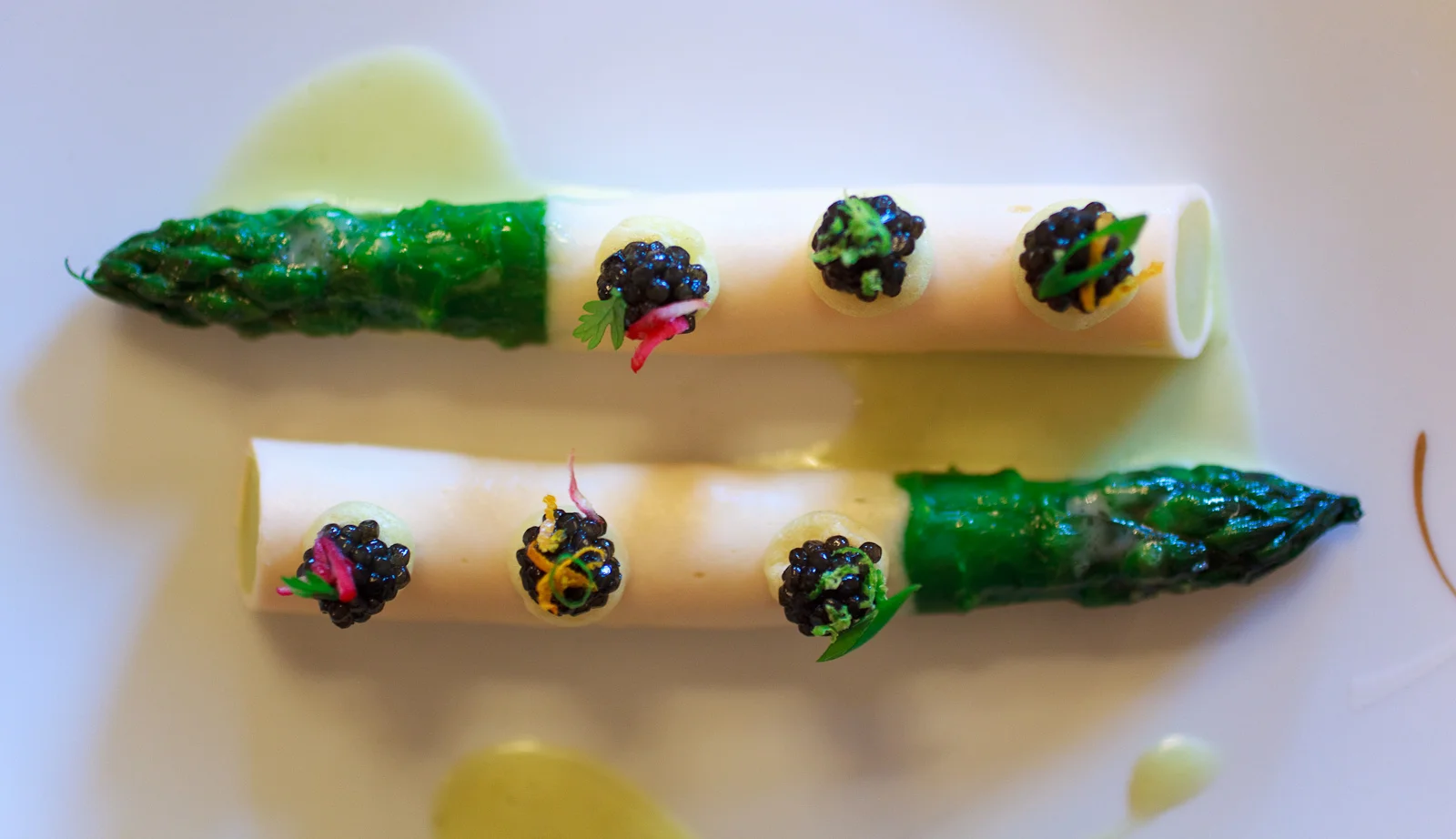
Photographs from my meal in Paris, France at L'Ambroisie on September 13, 2013.
Read more...
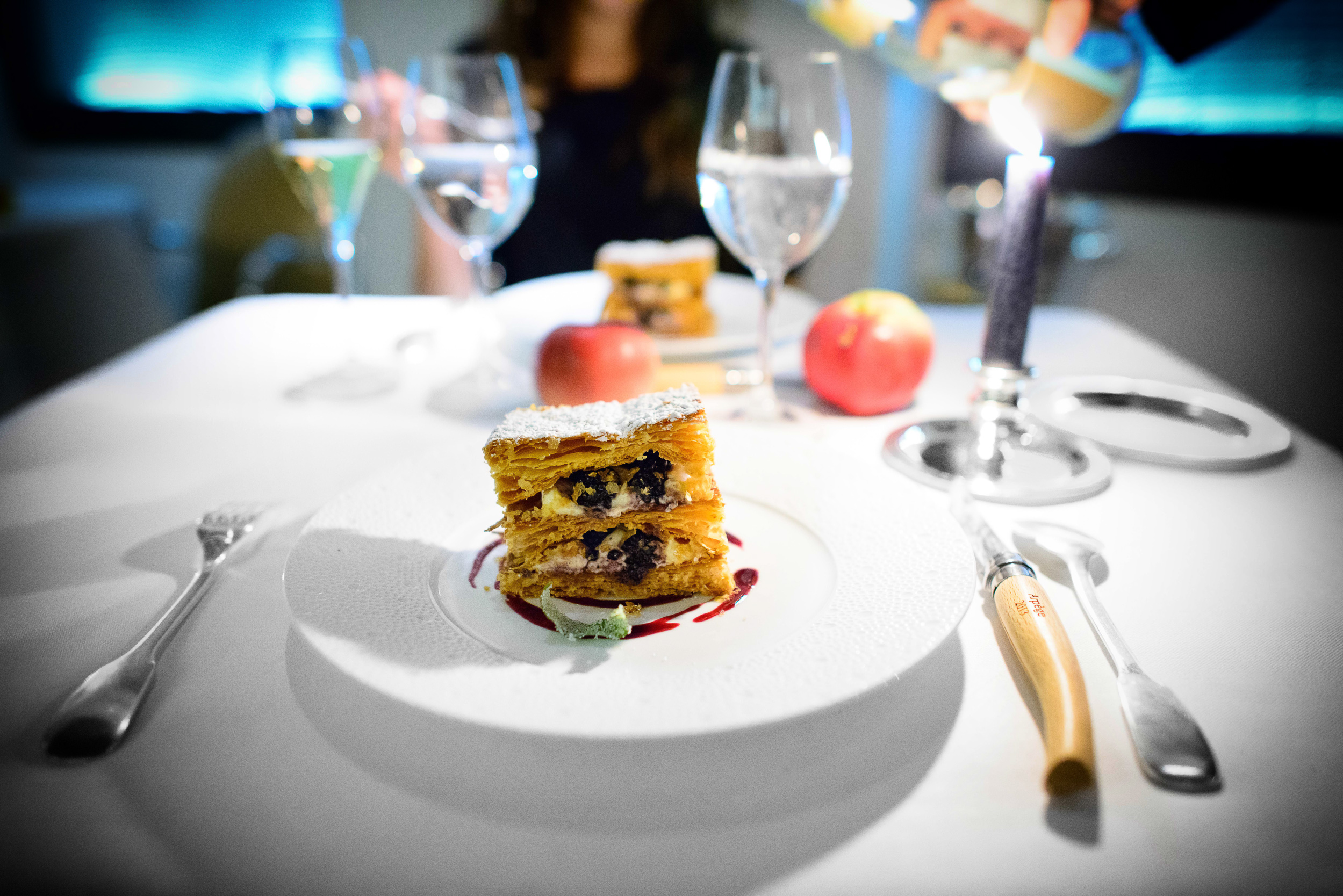
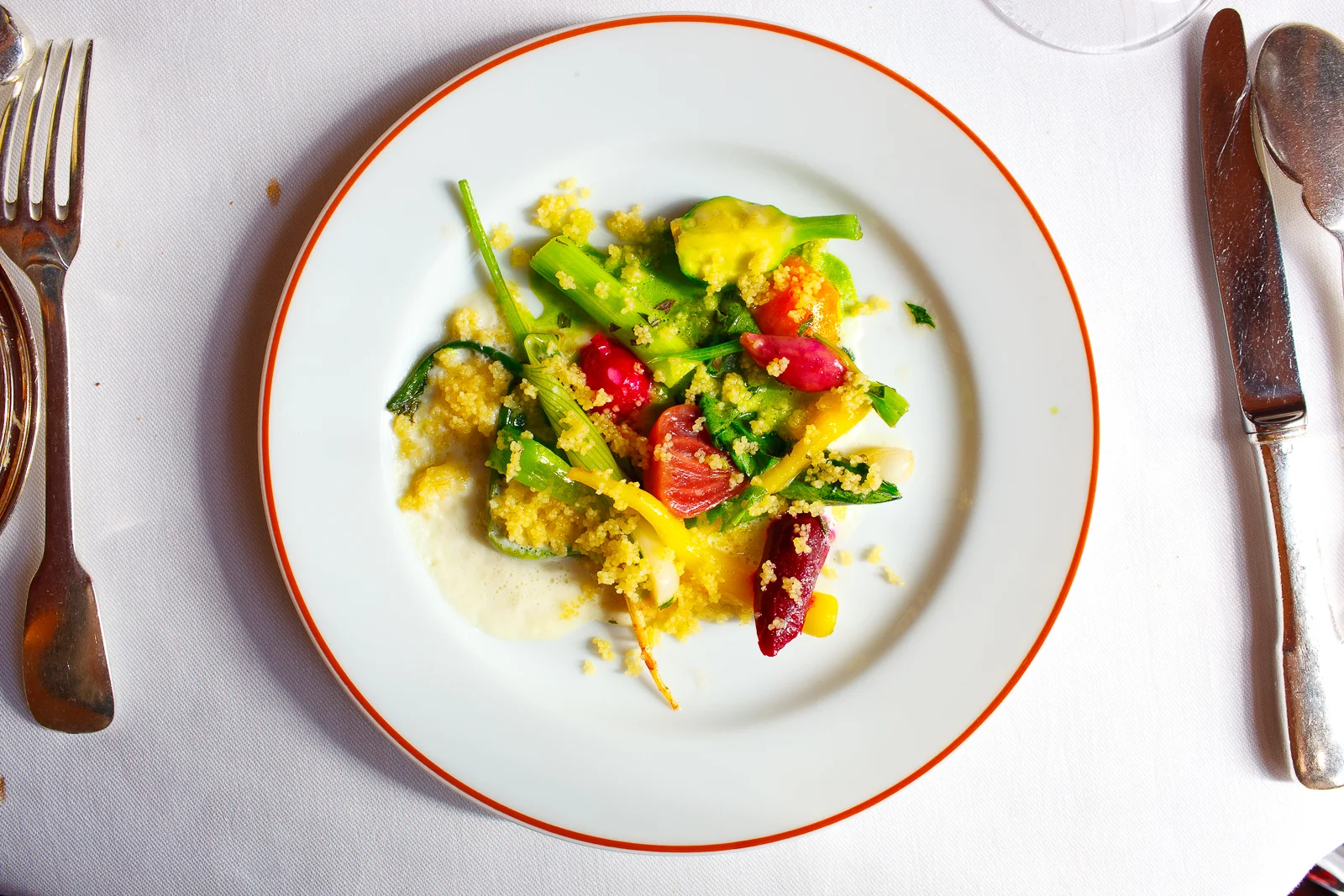
Photographs from my meal in Paris, France at l'Arpège on September 11, 2013.
Read more...
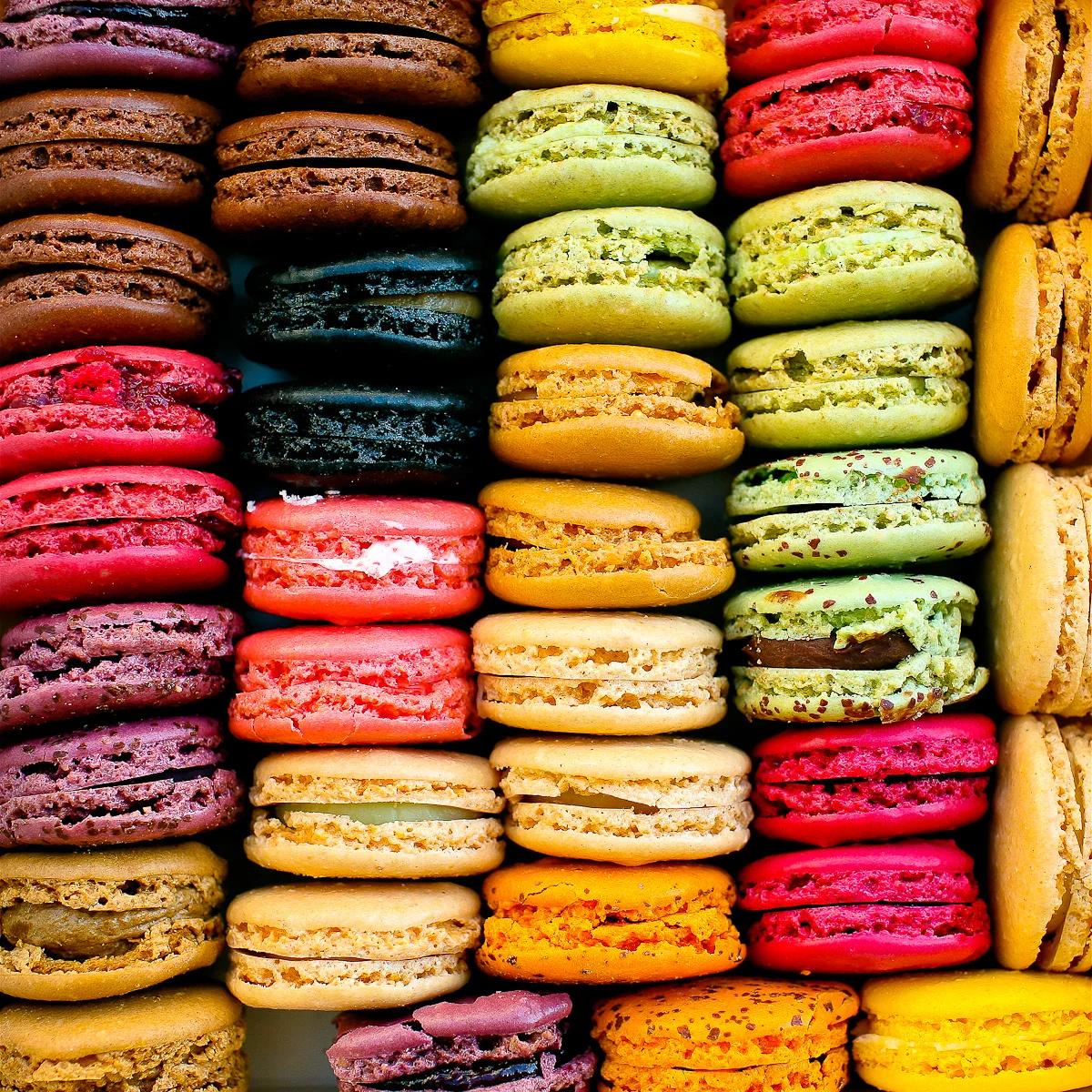
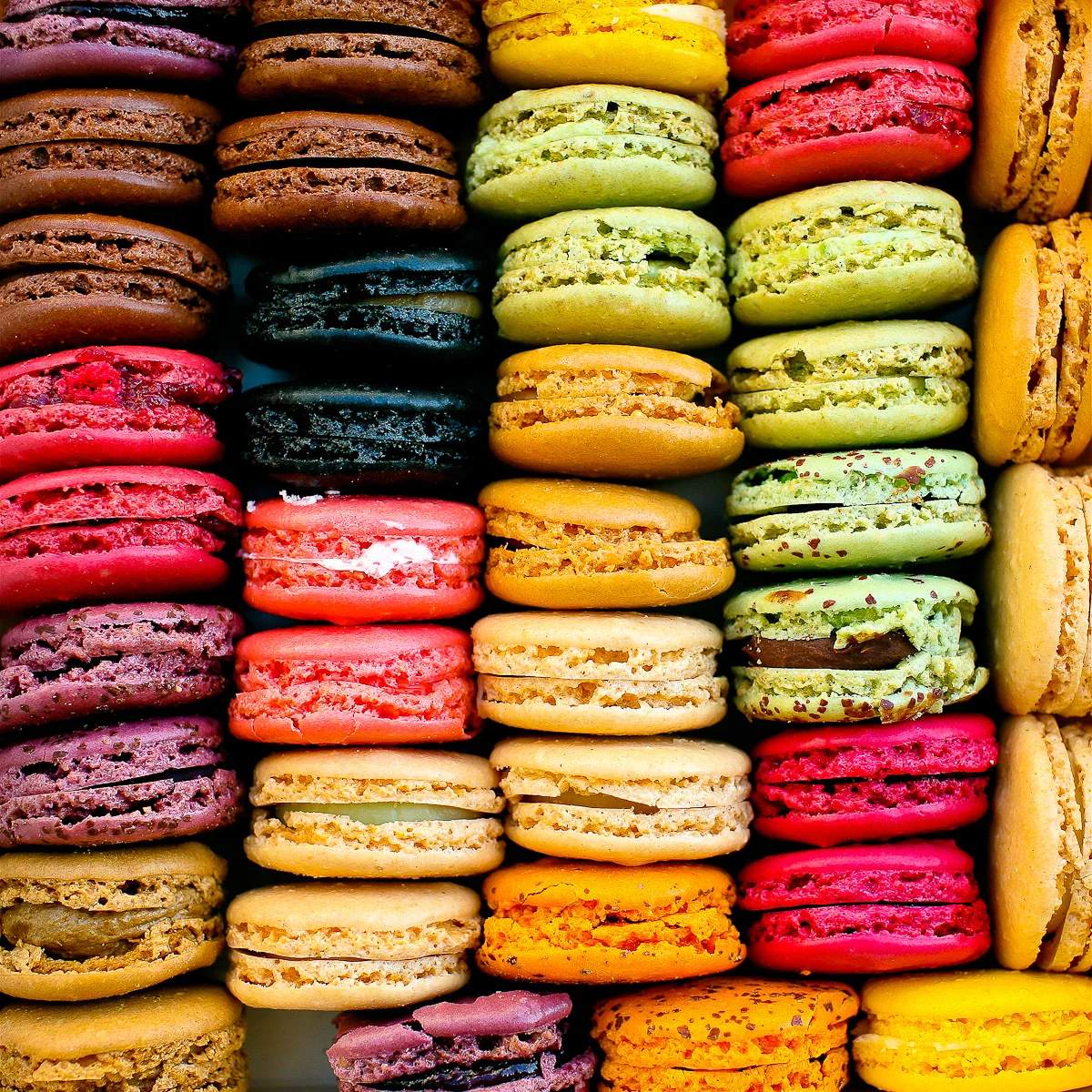
Ladurée has the finest macarons I have tasted anywhere. Unlike pâtisseries such as Pierre Hermé which pride themselves on constantly introducing new and unique flavor combinations, Ladurée takes a much more straightforward approach. Most of the macarons are single-flavor, with a few being a combination of two, at most. This emphasis on simplicity allows Ladurée to completely focus on ingredient quality and taste, ensuring each macaron is the best of its kind.
Photographs from my meal in France , Paris , at Ladurée, on August 30, 2011.
Read more...
It seems to be a common theme with Parisian Michelin 3-star restaurants: due to pricing and the general difficulty in obtaining reservations, most are geared towards consistency at the expense of risk-taking. This means that most dishes will be excellent but few will be mind-shatteringly delicious. Lifetime memorable dishes take experimentation, precariousness and uncertainty, three elements embodied by a capricious and whimsical chef. Pierre Gagnaire is one of these colorful chefs. Sure, the restaurant has a menu. But ordering from the menu here is a bit like asking Monet to draw a stick figure: it's restrictive and doesn't take full advantage of the chef's creativity. The best way to experience Chef Gaganaire's cuisine is to ask the kitchen to cook for the table without restriction. At least that's what I'd heard from regulars ... but maybe their last visit was quite some time ago as this is becoming less and less possible since Chef Gagnaire spends less time behind the stove. Apparently this can make the difference between an extraordinary experience and a disappointing one.
I'd always considered French cuisine to be stagnant and unchanging: thick mother sauces blanketing filets of meat and fish with fancy adornments. It was when I actually lived here for a few years that I discovered the new wave of French cuisine led by garden fresh vegetables and lighter preparations. Mother sauces were on vacation. L'Arpège quickly became the restaurant spearheading Paris's back-to-the-garden movement. L'Astrance peaked my interest when I heard of the restaurant's compulsiveness for fresh vegetables combined with its ability to integrate elements of molecular gastronomy: spherification, foams, and non-traditional flavor extractions made this menu really exciting. Here was a young and extremely talented chef, Pascal Barbot, who went from one Michelin star to three in just under seven years.
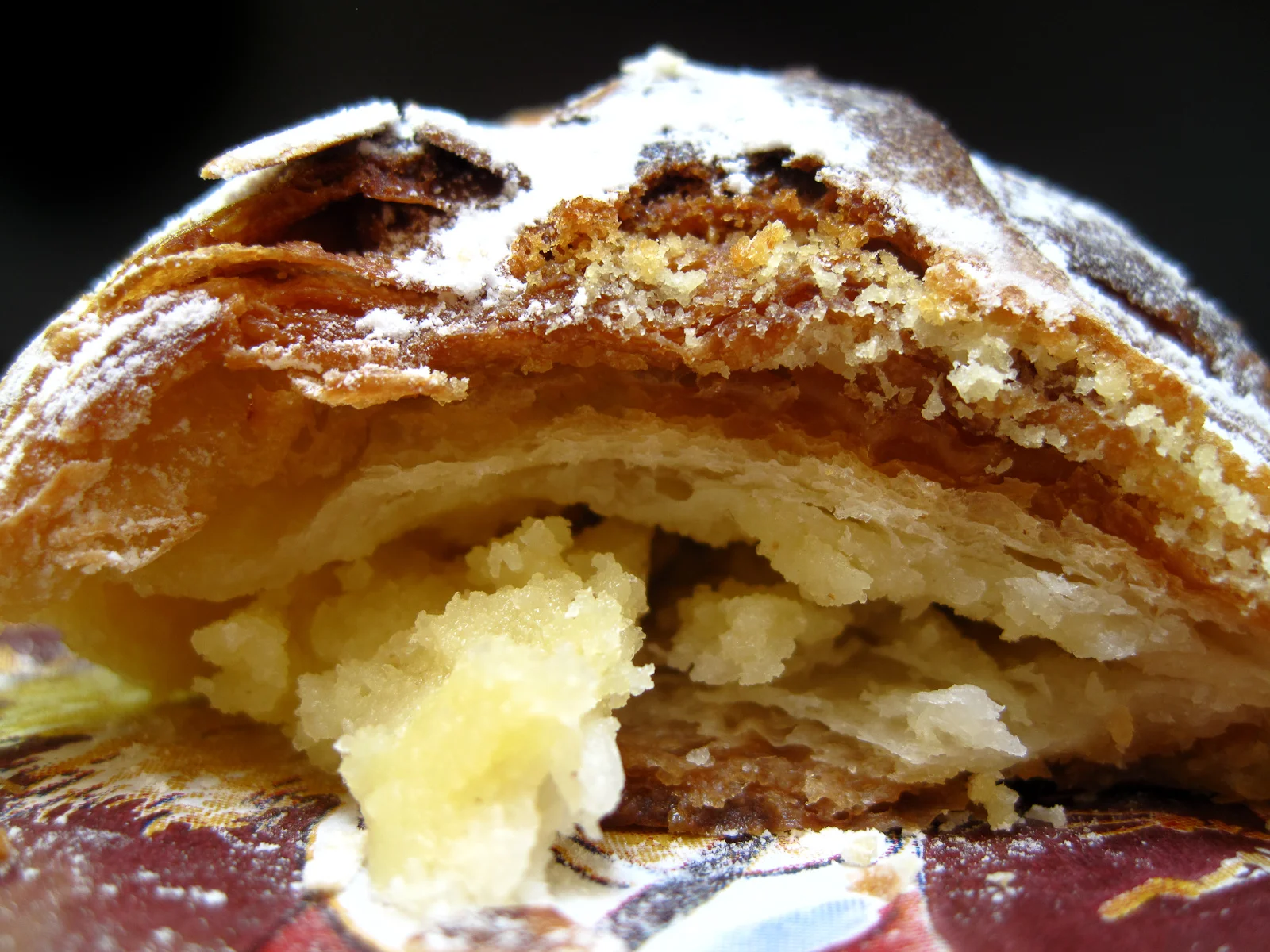
Ever wonder where the millions of unsold Parisian croissants go? The shelf life of a croissant is about four hours, which is why bakeries should never be visited after 10am: the croissants become hard, dry, and brittle. But the French, it seems, are very good at recycling. A day's old croissant is more often than not turned into a brand new sugared almond croissant by adding a layer of frangipane, sprinkling with confectioner's sugar, and re-baking. And for those who like sweet pastries, they can be quite tasty. For this tour, I visited the pâtisseries best known for exceptional croissants au beurre, with the thinking that the croissants aux amandes would be equally impressive. In general this held true, though there were a few surprises along the way. I started this journey without a sweet tooth and by the end, finished a few pounds heavier. Warning: this is not a post for dieters.
I wrote about L'Ambroisie a few years ago here. At that time I wasn't sure what to make of the restaurant. On the one hand, I experienced tremendous difficulty making a reservation. And when I actually showed up the night of my reservation: I was turned away. The staff didn't seem that friendly. On the other hand, once I actually experienced the cuisine, the black truffle feuillantine haunted me for years after. I've since lived in Paris for nearly three years. While the restaurant may have evolved a bit since my first meal three years ago, it was I who changed the most. My expectations of a Parisian restaurant are different now. In the US, a meal at a three star Michelin restaurant is often reserved for special occasions: birthdays, anniversaries, congratulatory dinners and the like. The restaurants cater to the food as much as they do to customer enjoyment: they make guests feel special. Things are different here. Aside from say Guy Savoy, the impromptu gifts and unexpected culinary surprises such as tours of the kitchen, chef handshakes, and take-home goodie bags are severely limited. Ego-stroking is almost non-existent. Here, the fine dining ecosystem is designed for regulars.
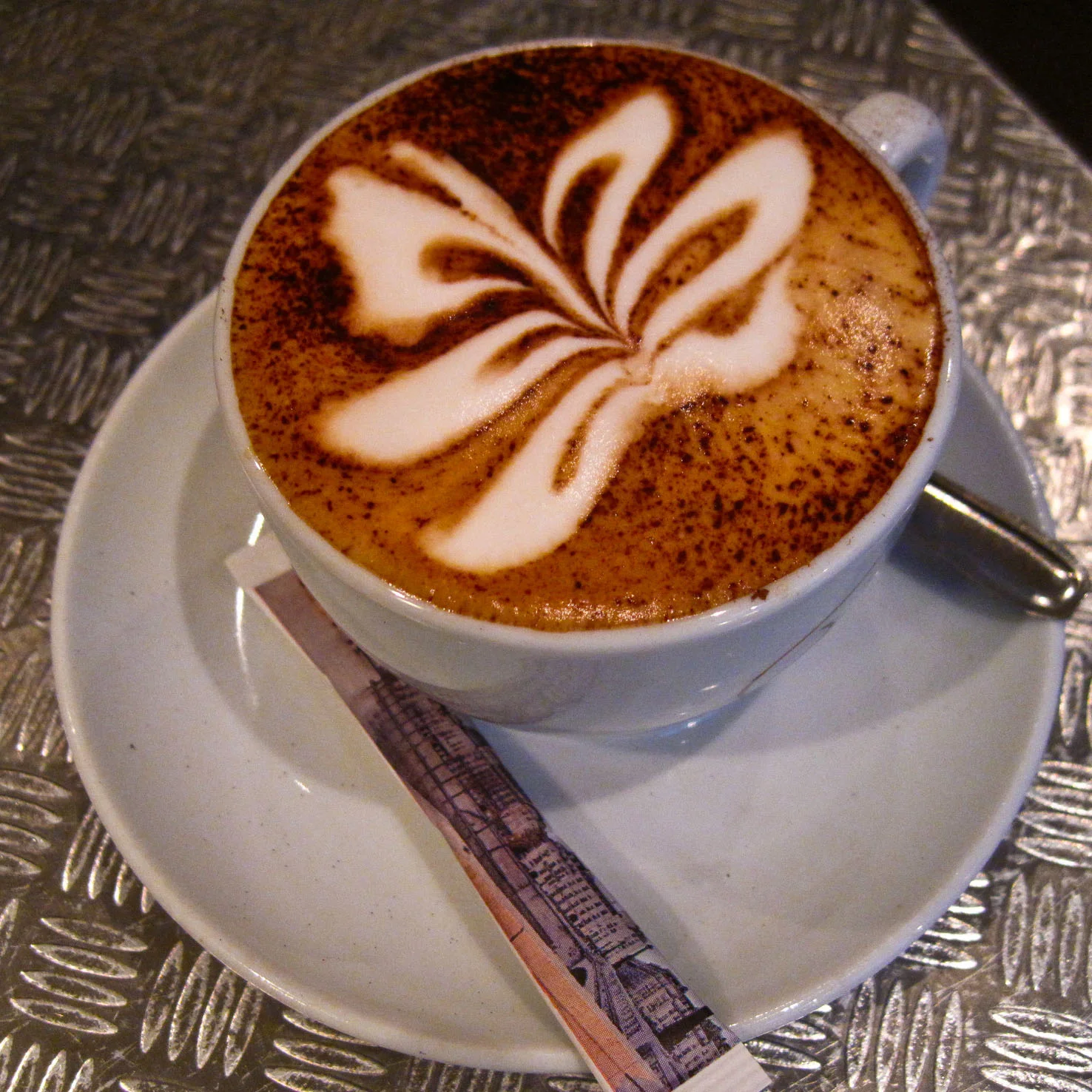
Paris has a lot things, but great coffee sure isn't one of them. It's a bit counterintuitive to think that since Parisian café culture is so prominent. Images of sitting outside in wicker chairs in the cold winter under a gas heat lamp sipping a steaming hot drink in the smoke-filled air remind me very strongly of the city. Except that image is all about the ritual, not about the drink. Paris has a strong café culture, but lacks a coffee culture. It's incredible that a food-oriented culture which values so heavily elaborate sauces and delicate soufflés, can completely disregard the methods by which to properly prepare an espresso. Even simple ones. I was once thrown out of Café Amazone for suggesting that the doddering owner/barista use the tamp to compress the ground. He instead insisted on using the tamp as a measuring device, compressing the coffee into a spoon, and pouring the loose beans into the portafilter. Even La Caféothèque de Paris and Verlet, which both have fancy La Marzocco equipment and all Arabica beans disappoint. The city is like a parallel universe.
A lot of blame often gets put to the use of Robusta beans versus the more aromatic Arabica. France is able to import these beans from former African colonies at much less cost than overseas Arabica varieties. But frankly, I'm tired of this as an excuse. Even mediocre beans can taste reasonable when prepared correctly. With espresso, 85% of the flavor comes from the process and technique, not the ingredients.
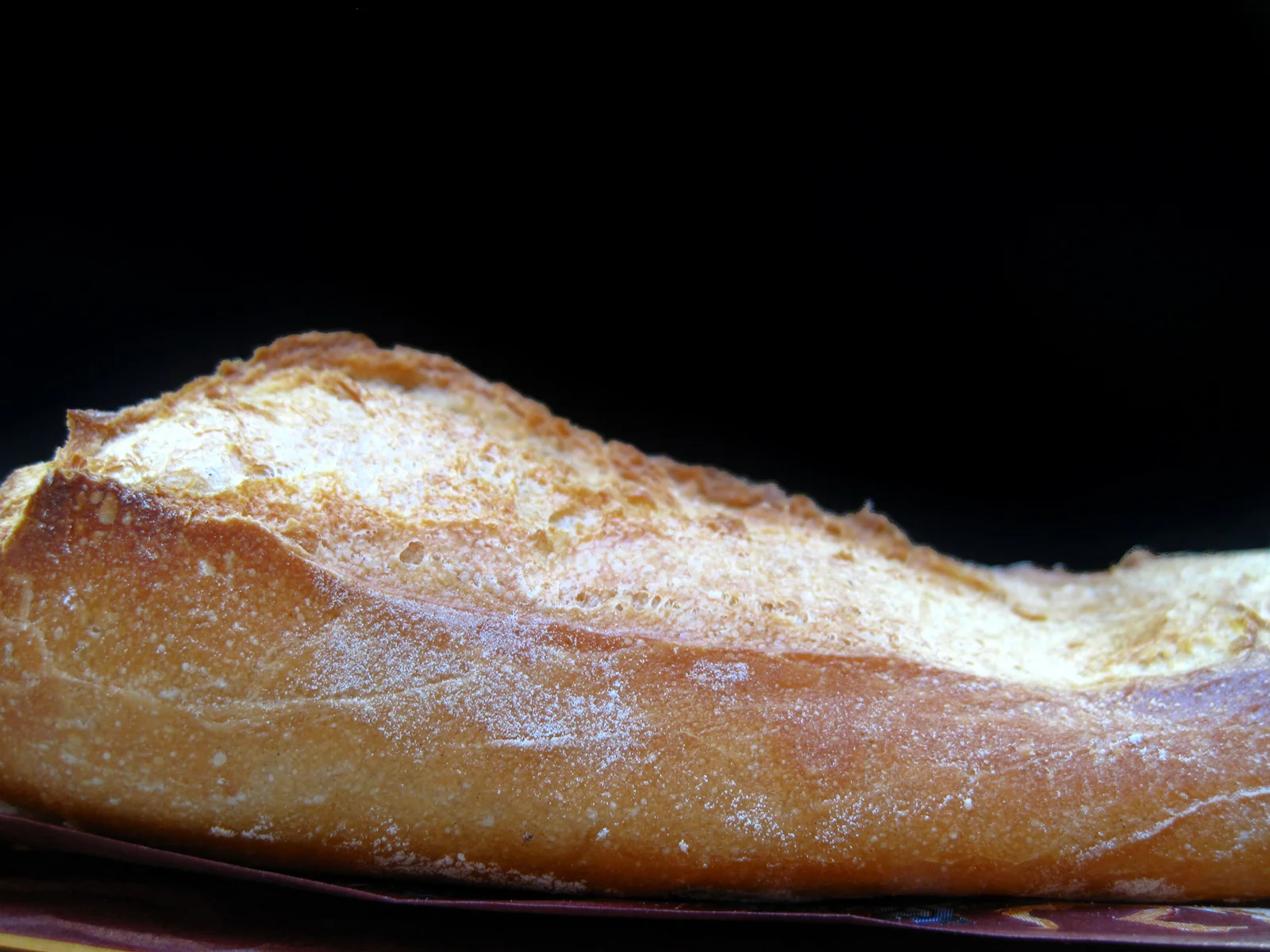
Before I moved to Paris, I knew most of the stereotypes: cigarettes, fake dimples, accordions, and berets. And there are others, to say the least. Thankfully, with the exception of the cigarettes, they turned out to be inaccurate. One stereotype, however, was so spot-on it was comical: I cannot count the number of Parisians I've seen racing around the city with groceries on one arm and a bitten baguette under the other. The French love their bread. And they should! With the arguable exception of Tokyo, Paris has the finest bread in the world. Fine boulangeries are to France as Starbucks is to America. They're everywhere.
Think about it: a baguette is the perfect accompaniment for any course. It goes with confiture and butter for breakfast, with a "jambon fromage" sandwich for lunch, in a small bowl to the side of a glass of red wine with dinner, or with a cheese board as a snack.
Photographs from my meal in Paris, France at l'Arpège on December 11, 2009.
Read more...
Photographs from my meal in Paris, France at l'Arpège on December 4, 2009.
Read more...
Photographs from my meal in Paris, France at l'Arpège on November 17, 2009.
Read more...
In a country known for its extensive use of butter, it's refreshing to have a meal where butter is scarce. Dinner at Agapé is light and clean making use of only the freshest seasonal ingredients. The name Agapé itself is one of three Greek words roughly translated into English as love. This title is well-suited as the energetic and enthusiastic passion of the entire staff comes through immediately. I'd never seen a maître'd more genuinely excited to put together a tasting menu. He was proud of the restaurant's creations. And it showed.
The meal started with an amuse bouche of mousseline de potimarron avec orange, graine de tournesol, a thick soup of winter squash brightened by orange zest and sunflower seeds. The soup had a strong flavor of pumpkin with a slightly grainy and creamy texture. The raw sunflower seeds seemed a little misplaced at first; but then I began to enjoy the textural contrast it provided to keep each spoonful interesting. I really liked this.
When I first came to Paris I was determined to find the best croissant in the city. But the longer I lived here, and the more croissants I tasted, the clearer things became. There are several boulangeries here that I would classify as having the top tier croissants. Of those top bakeries differences come down to personal preference. Do you prefer a sweeter pastry? More substantive on the inside? How flaky? Even external factors like weather and chance affect the outcome of these pastries: absolute consistency is impossible and is at odds with artisanship. I couldn't pick just one place. My tasting methods were efficient: there were no left overs. (I don't want to talk about the health sacrifice I gave to complete this delicious study.) I tried to keep things as consistent as possible by visiting all the bakeries before 10am; nearly 50 of them, in fact. If it was raining, I returned when it was sunny. I visited each bakery at least twice.
Le Cinq has had three chefs over the past two years. Although it's kept the same name, has been in the same George V hotel, and has been housed in the same beautiful baroque dining room, it has been three different restaurants with each chef exercising his vision of what fine dining should be. The first chef, Philippe Légandre, brought the restaurant its three Michelin stars with a refined seafood-focused menu highlighting simple flavors and combinations. Then in February 2007, Le Cinq lost its third star. Légandre stepped down. His sous-chef took over during the transitory period and played off the better known dishes with minimal modification. Most recently, Éric Briffard took house, specializing in rustic yet sophisticated dishes bringing Le Cinq to an all new high. With him as chef, it's only a matter of time before the third star returns.
Photographs from my meal in Paris, France at l'Arpège on October 24, 2009.
Read more...
Photographs from my meal in Paris, France at l'Arpège on October 21, 2009.
Read more...
Photographs from my meal in Paris, France at l'Arpège on October 13, 2009.
Read more...
Perhaps the most ostentatious dining room in Paris, Le Meurice transports diners to mid-eighteenth century France when the city was at its peak of opulence and excess. Lined with marble, gold leaf, and mirrors, the walls of Le Meurice give the space a large, palatial feel. Twenty-foot ceilings and crystal chandeliers amplify the grandeur. But while regal and lavish, the large south-facing windows remind diners of the real world on the other side of the glass. It's a beautiful restaurant, both elegant and grandiose. Yet I found that the food, refined though it was, simply lacked flavor. I decided to order à la carte.
To start I was given some canapés: carré (fromage de chèvre) et tomate confite along with hareng fumé et pommes de terre. Goat cheese and sweet tomato confit wasn't a particularly interesting combination, nor was the smoked herring and potato. Both bites, however, offered a pleasant meeting of cream and crunch in a cute geometric package.
Photographs from my meal in Paris, France at l'Arpège on May 22, 2009.
Read more...
Photographs from my meal in Paris, France at l'Arpège on May 19, 2009.
Read more...
Photographs from my meal in Paris, France at l'Arpège on May 12, 2009.
Read more...
Photographs from my meal in Paris, France at l'Arpège on April 24, 2009.
Read more...
When I was little I remember hearing of "French dining," a term that, to me, meant dressing up fancy and sitting quietly for a bombardment of heavy butter-based sauces used indiscriminately for both fish and meat. Not that there's anything wrong with that, per se. But when a country like France has such an established tradition of fine dining, it can be difficult to respect and learn from such convention while remaining innovative and novel. Precious few restaurants in Paris are able to naturally build off of French culinary tradition while still producing dishes that are creative, avant-garde, and most importantly, delicious. Choosing one's place along this culinary spectrum is no simple task. So imagine my curiosity when I learned that Christian Le Squer's Ledoyen had been in existence since 1792, the same year that Louis XVI was arrested and taken into custody. Yet unlike Louis, it seems that Ledoyen had luck on its side. Despite being over two hundred years old, Ledoyen has been able to bridge tradition and innovation creating interesting and tasteful dishes while still paying homage to the incredible institution that is French fine dining.
Photographs from my meal in Paris, France at l'Arpège on April 17, 2009.
Read more...
Photographs from my meal in Paris, France at l'Arpège on April 13, 2009.
Read more...
It's springtime in Paris. The peas flowers are beginning to blossom, morels tulips are starting to be seen, and restaurants things stay open just a little bit later. Yes, it is a happy time here, particularly when restaurants embrace the life that spring brings to the vegetable garden. My friend from Genova was in town this weekend, and had e-mailed me the two restaurants he was "thinking" about visiting during his short trip to Paris: Le Bristol and La Bigarrade. I knew Le Bristol had garnered a third star this year, so I was excited about that. But what was the second one, La Bigarrade? A quick reference to my Michelin guide revealed they too had just gotten a star. I thought about it, at first with reservation, but I quickly remembered that my wise friend has a knack for finding interesting restaurants, even in cities where he doesn't live ! I humbly agreed and suggested we make a reservation. "I already made one ... last month," he told me. He's also very organized. Located in the seventeenth by the Brochant metro stop off the thirteen, La Bigarrade is located just outside of convenient. Did my Genovese friend want to go here because the co-chef, Giuliano Sperandio, was also from Northern Italy? My suspicion grew, as Italian pride can be very strong.
The weather on my visit to Le Bristol, home of chef Éric Frechon, was impeccable: sunny and warm without a cloud in the sky. But then we arrived at the restaurant for lunch. Perhaps an error on my part, I did not call to check if the main dining room would be available. It turned out to be reserved for a private corporate event; so instead, we were led to a room where spring light quickly turned to winter night. This was the winter dining room, where the sun-worn curtains covered all windows keeping the cheer out and a more solemn coldness in. The oval-shaped Victorian room is lined with wood paneling, and covered with forest green, red, and patterned brown carpeting. Adorning the center of the room is a medieval tapestry depicting a pastoral scene in rural France. The daytime oppressiveness of this room, however, can be easily turned into evening elegance: just return when it's dark and the candles are lit. But while dining at Le Bristol, overall, was a refined gastronomic experience I was left wondering, where was the passion and excitement? Our waiter came to the table flanked by a champagne cart that seemed almost attached at the hip like a much more attractive conjoined twin. He offered an early afternoon apéritif, and, being just past one, I thought a glass of champagne would be more than enough for the next few hours. After being asked which champagne we desired, I wondered if my friend had been pegged as such an expert that he could discern the different offerings solely by their corks, since all eight of the bottles were completely submerged in ice water and covered with a white napkin. Must have been his striped tie. They say geniuses choose stripes, you know. He's good, but I'm not sure anyone is that good. I laughed to myself and chose a glass of Alfred Gratien Cuvée Paradis.