15 Comments January 21, 2008

Aragawa

2-15-18 Nakayamate-dori, Tokyo

Aragawa is certainly not known for its decor. As a restaurant located at the end of a dark hallway in the basement of an office building in Tokyo’s Shinbashi business area, some might even claim that this restaurant is humble: there’s certainly no grand entrance with valet parking. In fact, there isn’t even an entrance. I would claim, however, that this only increases the restaurant’s pretense. Like an exclusive club, the restaurant’s location suggests that only a select few are lucky enough to know about what Forbes magazine called in 2006 the most expensive restaurant in the world. But prices aside, this basement retreat is known for something else: the juiciest, fattiest, and most tender Kobe beef in the world.

Kobe beef is considered the holy grail of marbleized meats. As a process that involves regular massages and feedings of sake, raising wagyu is certainly no easy task. These cows are said to be treated fairly well, the theory being that happy cows produce better meat. Kobe beef is a specific name given to wagyu slaughtered in the Kobe region of Japan. Partly due to the manner in which the cows are raised, but mostly due to intentionally regulated low supply levels, this beef can get pretty expensive. Up to $800 a pound, in fact. The cows must also be slaughtered in Kobe, Japan for the title Kobe beef to be applied. During the mad cow disease scare just a few years ago, Japanese beef imports were restricted and so “Kobe style” beef was raised domestically in the US. The price was certainly less than the Japan imported counterpart, but purists would claim that there was a clearly noticeable degradation in quality. This distinction exposes a gray area for the cows that are raised outside of Kobe and are slaughtered in Kobe, since they’re still technically considered Kobe beef. And that’s what makes Aragawa special. It’s affiliated with its own farm that both raises and slaughters its own beef in Kobe. No one argues that this beef is not authentic. And guests pay for that. So while both the wagyu and my wallet were massaged, there was some consolation in knowing that the price of the ingredients were partly responsible for the exorbitant prices. But despite knowing that this four figure dinner for two without alcohol did not contain highly marked up prices, I left feeling unsatisfied.

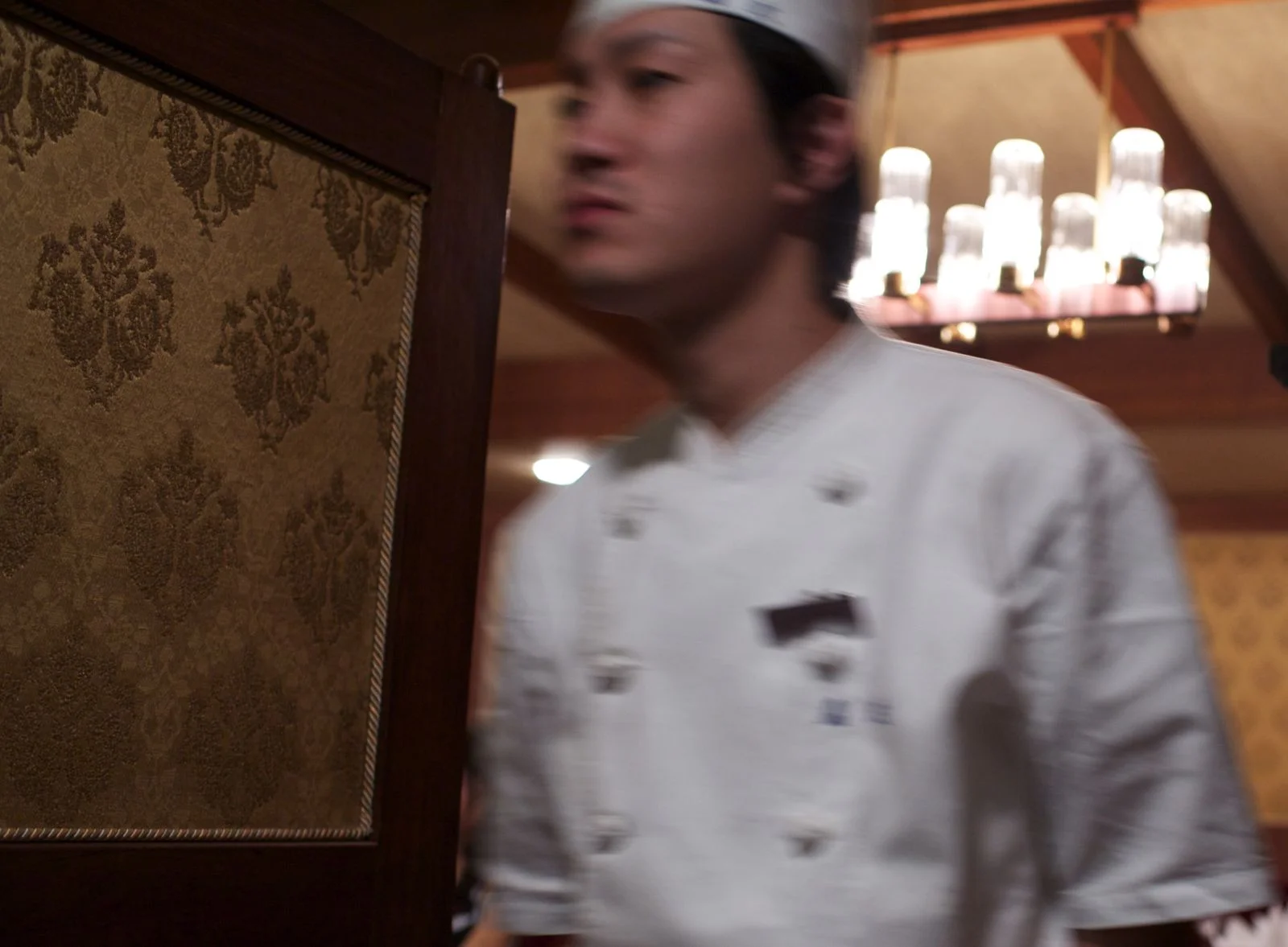
After arriving to the basement floor of an office building with all the lights off, I felt like I was about to engage in some kind of illicit activity. I walked past the closed office doors through what seemed like a sterile hospital ward when suddenly a Japanese man with slicked back hair popped out from around the corner announcing my name. (Wonder how he knew.) It seems I was in the right place. We were escorted through yet another closed door into a small windowless masculine room abundant with red and gold. I could practically touch the ceiling. There was no music, so my voice was quickly funneled into the awkwardness of silence; it was uncomfortable to talk. In a restaurant with about ten tables and an apparently large waiting list, only two others were full. To my left was a young couple from Singapore, the gentleman of which kept sniffling his nose which did nothing for the clearly visible trail of white powder his cold. To my right was an older man speaking Japanese with a significantly younger woman. Both couples seemed to engage in a staring contest with each other, and with my table. It was clear that a glass of wine was necessary. As I reached for my camera, a voice behind me whispered that photography was strictly prohibited. Yeah, ok.
Sliced BreadScallops and LemonInterior

It turns out that the gentleman with the slicked back hair was our waiter as well. He kind of pretended he didn’t just bring us into the restaurant by welcoming us again. He swung around from behind me and handed me a sheet of paper with he pricings of the Kobe beef. This restaurant only serves Kobe beef; not the best place for vegetarians. There were two grades of beef, premium and super premium, both of which came in three different weights, 12, 16, and 20 ounces. We opted to split 16 ounces of the super premium beef, with my reasoning being that this is some fatty beef, and with fat weighing less than muscle, this would be a large steak. Our waiter then verbally explained the appetizer and salad options. Fresh chilled scallops sounded good; I didn’t really want a salad.

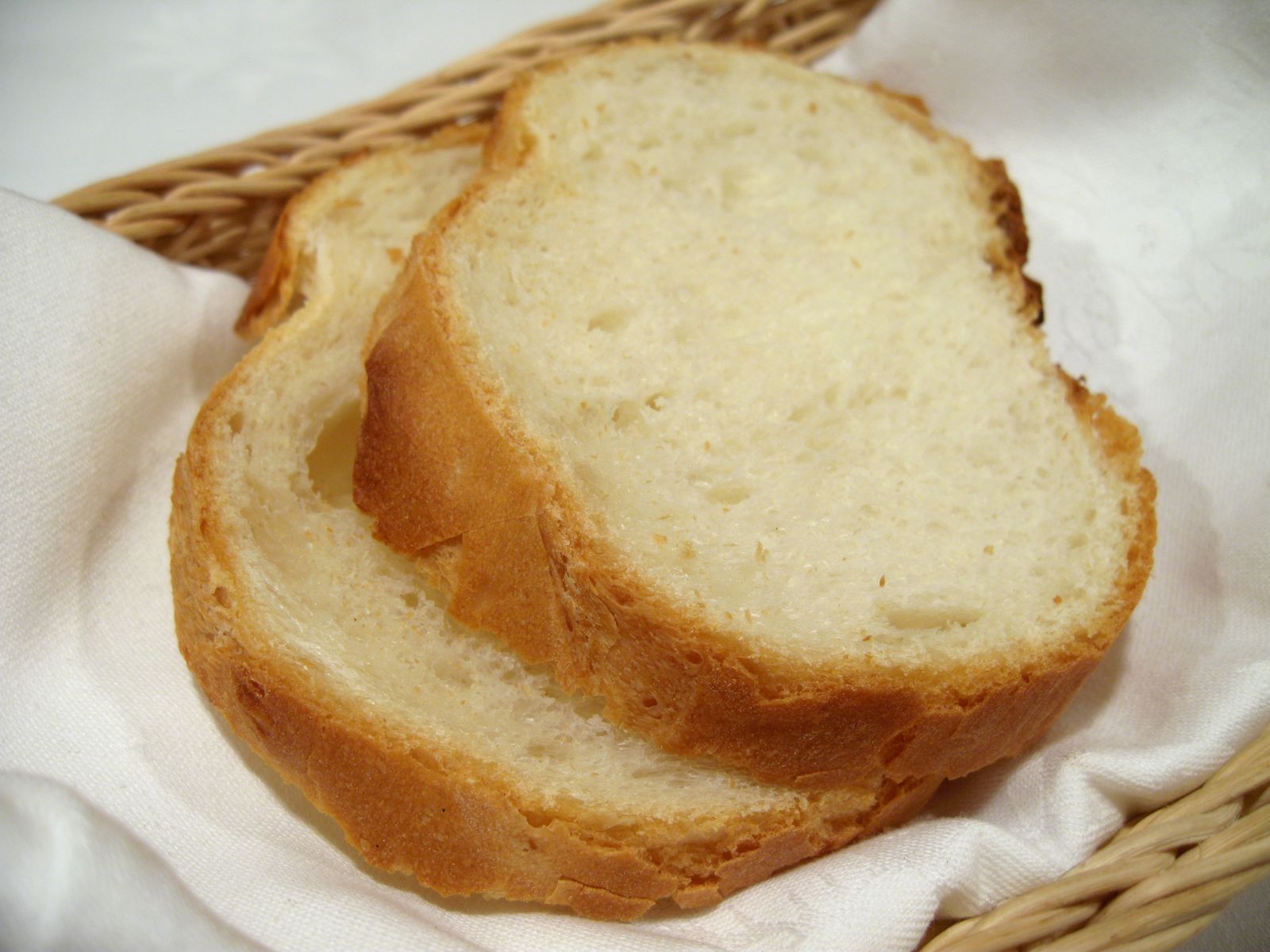
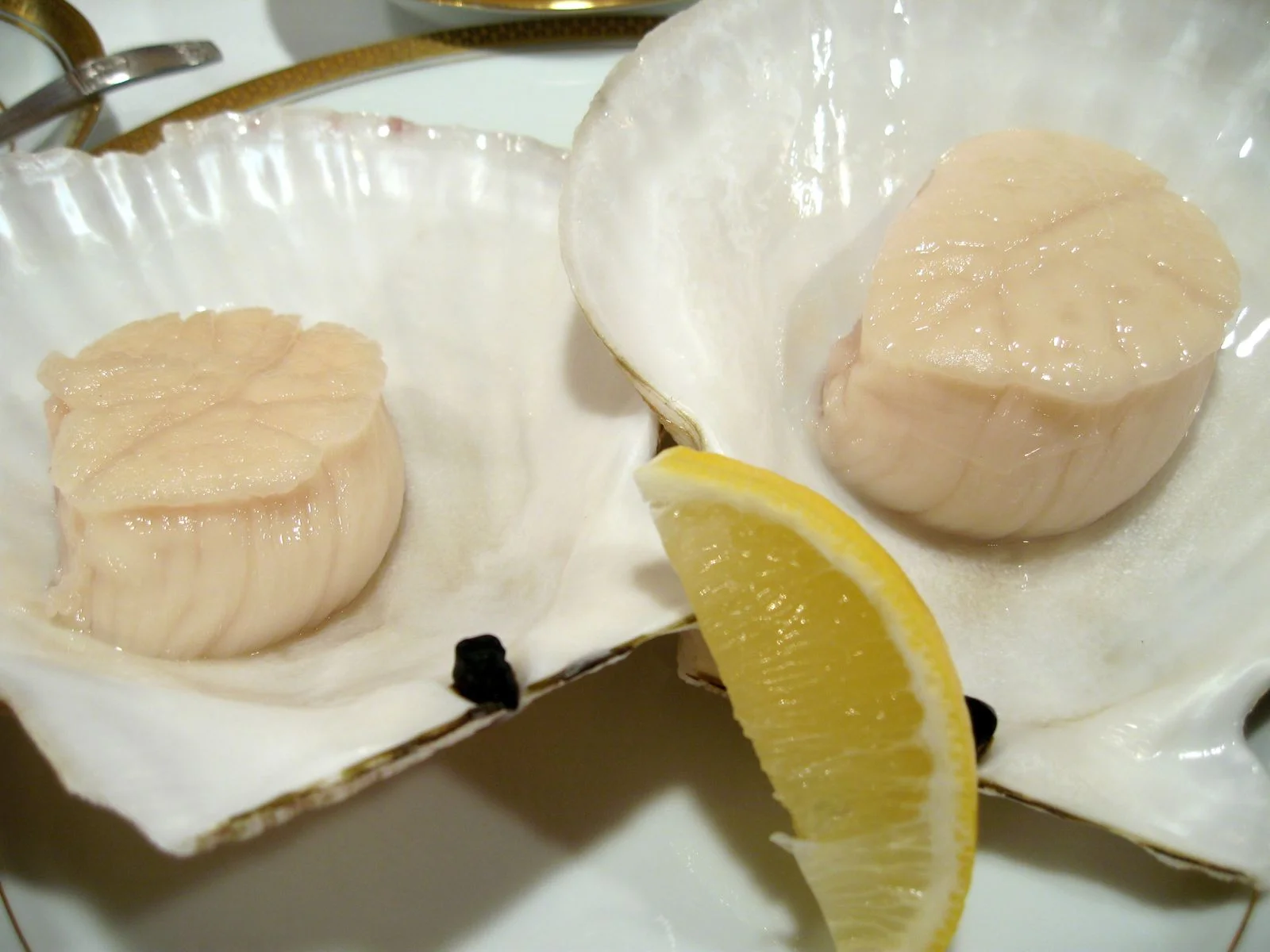
While my glass of wine never came, my day boat scallops did instead, two large lightly boiled scallops served in the shell, the adductor still attached.The scallops were served simply with a wedge of lemon and a side of tomato based cocktail sauce being the only accompaniments. The large scallop was difficult to separate from the shell with my dull shell fish fork and butter knife being my only instruments. It was annoying because the scraping sound of the knife against the shell made me cringe. But once this slightly overcooked shellfish was separated from the shell, my appetite was whetted. Alongside the scallops came two slices of lightly toasted white bread with butter. Nothing special.

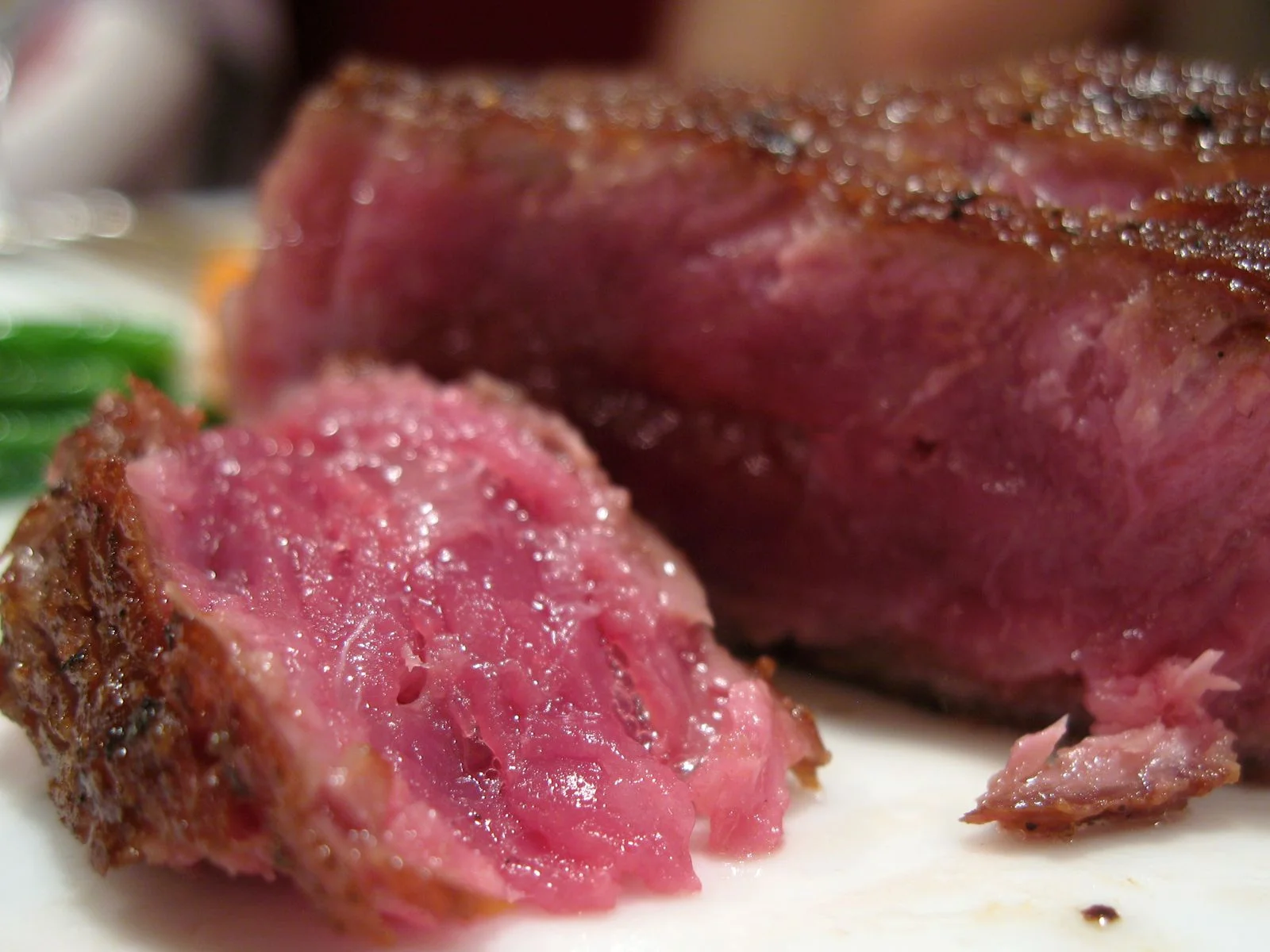
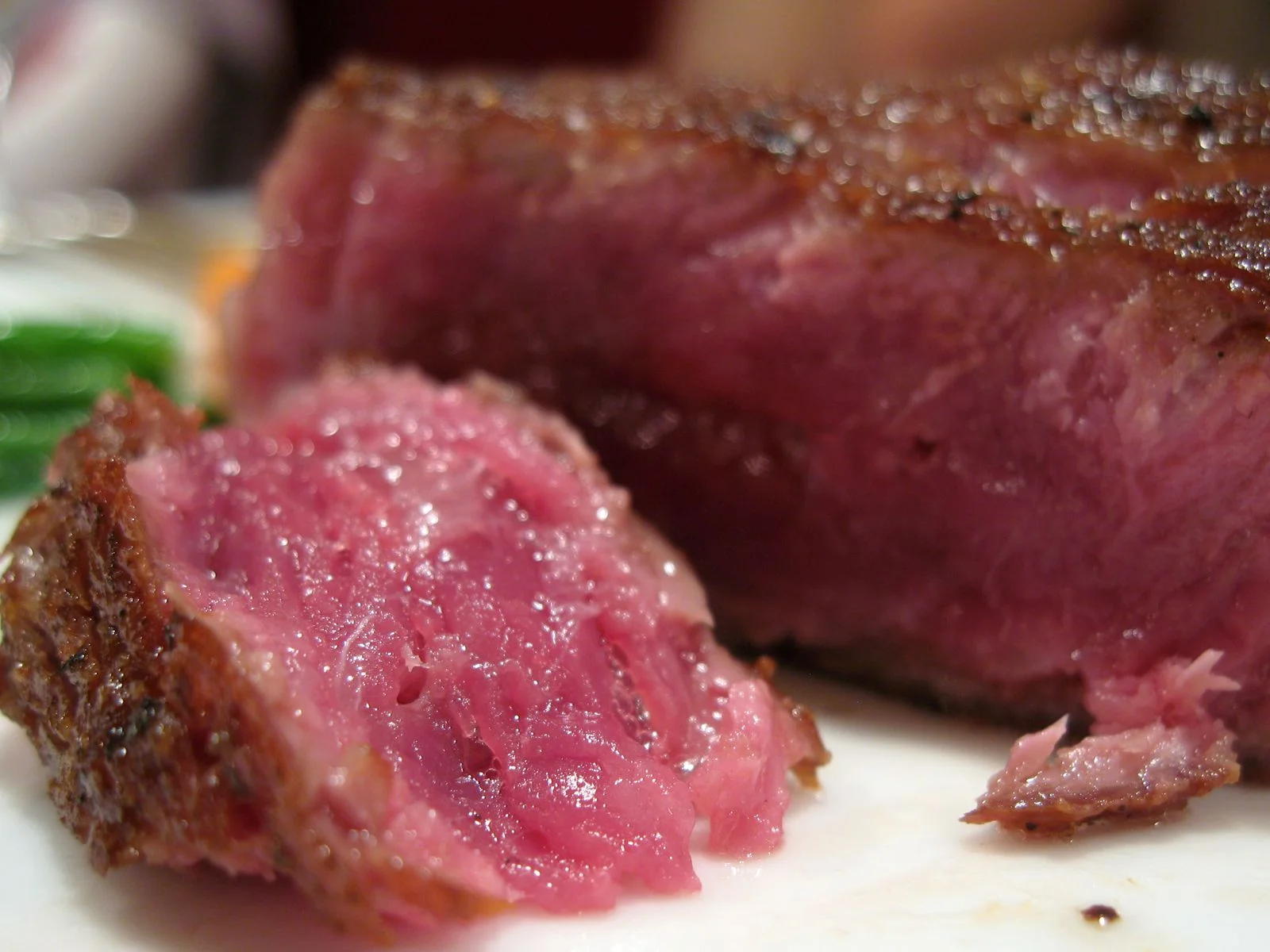
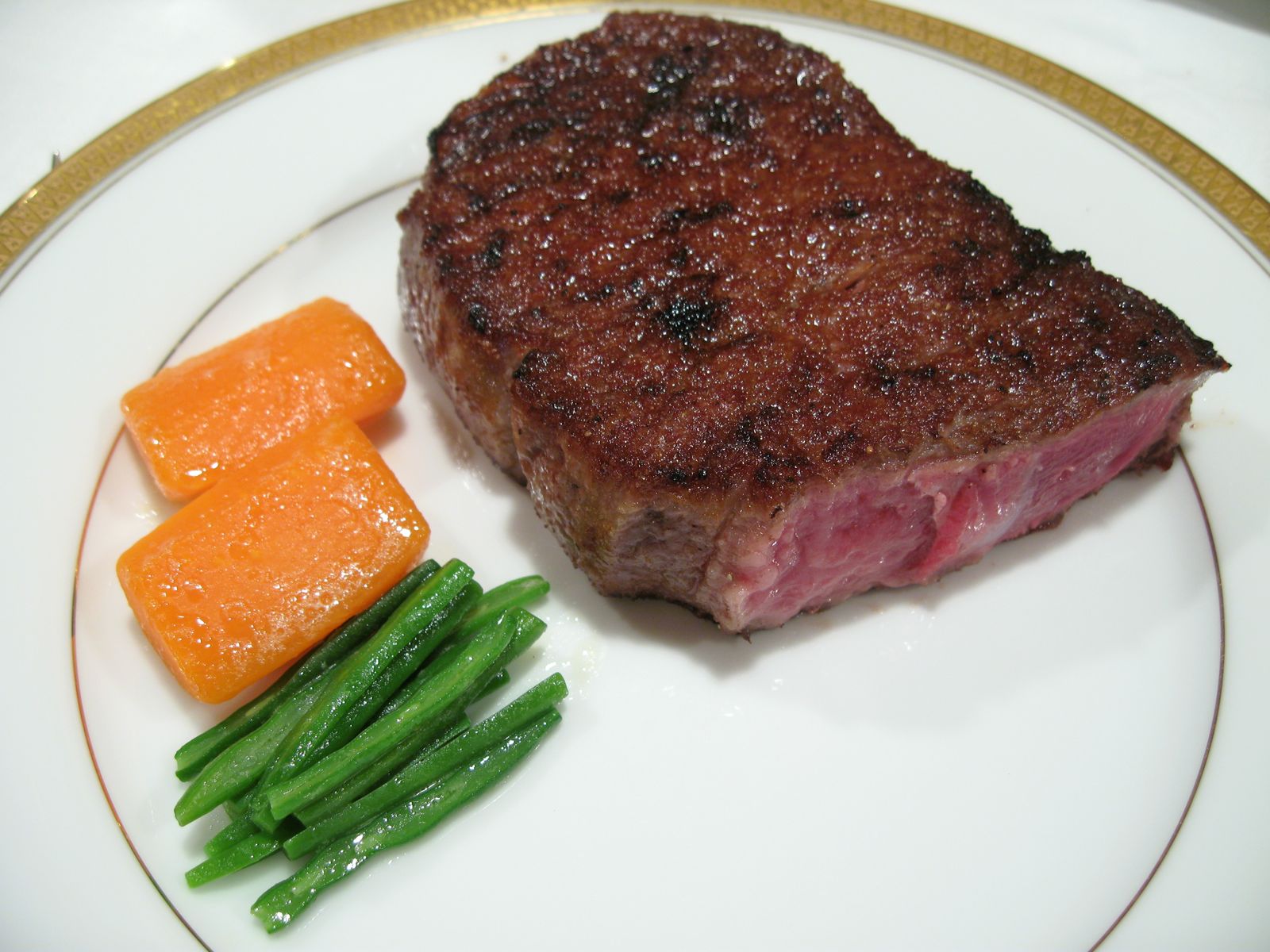
The waiter shortly returned holding a plate with our Kobe steak to show us before splitting in two. Looked pretty good to me, as I suddenly regretted not getting two individual twenty ounce cuts the portioning just about right for two people. The steak was split and returned, the beautifully rare burgundy steak glistening under the lights. The characteristic fat deposits of this beautiful Kobe steak were clearly evident as sheets of white embedded amongst the red. The juxtaposition of soft fat and tender muscle made cutting through the meat not only fun, but interesting as well. The resistance of the muscle held back the knife through the silky smooth slices of fat. This same texture was evident with every bite, the fat being squeezed out of the muscle creating a buttery taste. I asked for this steak rare; but I feel like the smoothness of the fat would have been even further amplified had this meat been cooked further, as the fat would have remained soft while the meat was made more tender. The steak was rubbed with salt and pepper, grilled, and served only with a side of mustard. It was delicious, particularly the flavor of the spicy mustard cutting through the juicy fat.
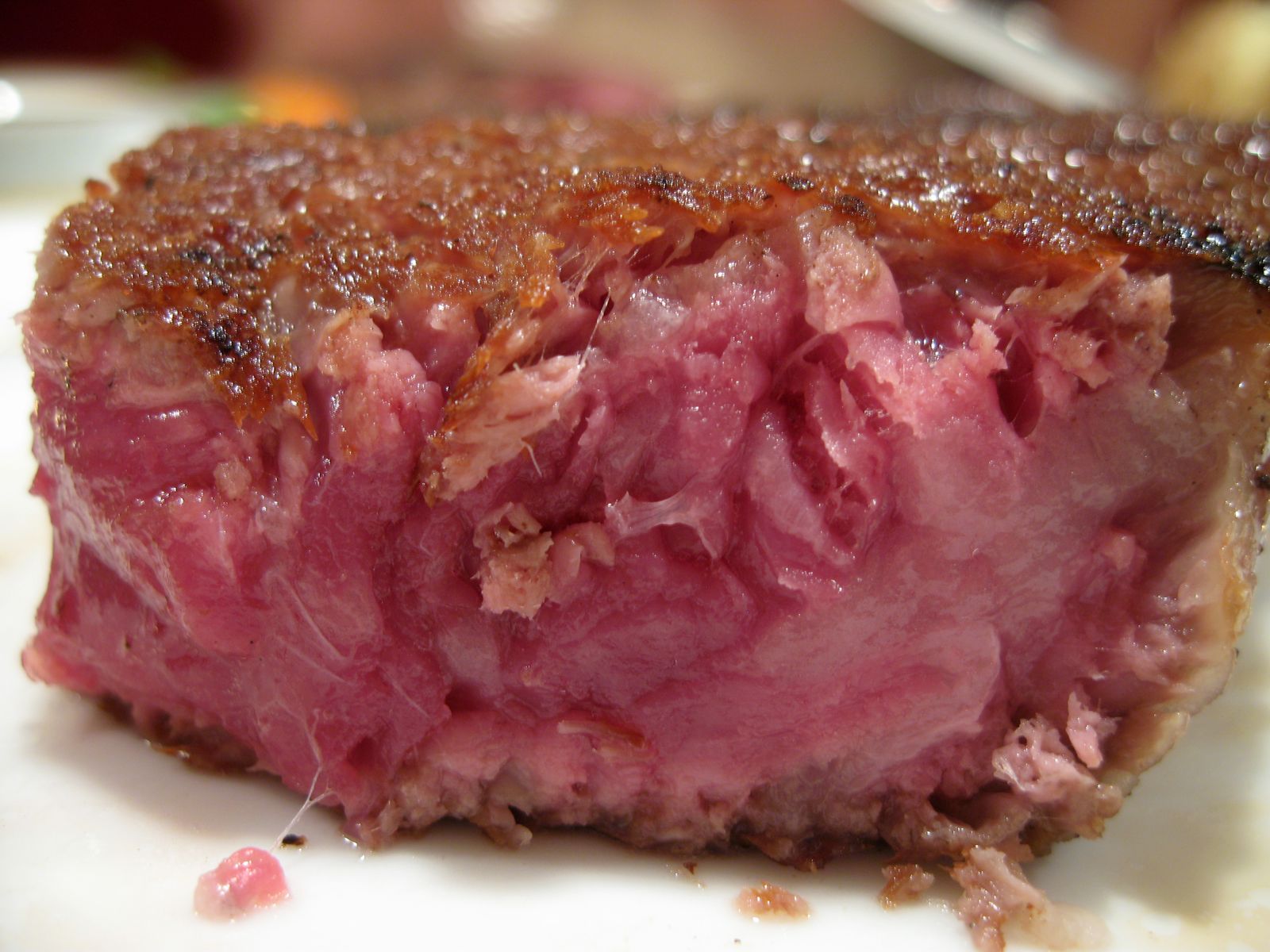
Half a slice of 16oz Kobe BeefRare Kobe16oz of Kobe Beef

Next up was a promptly prepared bill and an offer for tea and coffee. That was it. No dessert. Nothing. We were in and out in just over an hour, making this without a question the highest price to time ratio for a meal I’ve ever had. We were never charged for the scallops nor coffee. Were these included in the price of the steak? I didn’t want to ask in case they weren’t. Shortly after, our waiter turned bell captain and escorted us upstairs to find a taxi. It was only eight o’clock, meaning there was time to stop off somewhere for dinner. I left that night a little hot under the collar, unsure of exactly what I was angry at. Was it the price? Perhaps; but in a culture obsessed with quality of ingredients, skill of preparation, and abundance of food, it’s not uncommon to spend this kind of money on food in Tokyo. Was it the flavor? No; the steak was perhaps the most tender and certainly the juiciest piece of meat I’d ever had. Perhaps the service? It was definitely lacking; but nothing to go crazy about. I felt a little better the next day; but I still swore not to go back.

I think my problem was that unlike black truffles and beluga caviar, which even in the cheapest forms are still fairly expensive, there are inexpensive varieties of Kobe-style beef that may not have the exact same marbelization levels or come in 20 ounce slabs like Aragawa’s beef, but certainly would fulfill any craving for fatty meat. So while I left upset, I realized that I was not upset at the restaurant so much as I was upset at having spent so much money on a single ingredient that comes in much cheaper varieties rather than a chef’s skill. On the other hand, there was solace in knowing that this beef is expensive and profit margins for the restaurant may in fact be slim. I was also glad to have tried this beef to know for sure that there was no need to return.
Related Posts:

13 Comments

  • ChuckEatsJanuary 23, 2008 at 12:49 am

    if possible, how would you compare what you eat to the authentic kobe beef i had at Urasawa (picture can be found in this link)?
    http://chuckeats.com/blog3/2007/10/29/urasawa-la-better-than-ever/

    nevertheless, based on your review, i will probably not consider Aragawa for my Japanese trip.

  • adamJanuary 23, 2008 at 5:20 pm

    hey chuck — after reading your nice review, i’m looking forward to checking out urasawa in march. i made the mistake of not asking the grade of the kobe; so i can’t comment on that. what i can say was that judging from what you wrote about your kobe at urasawa, this looked like a significantly larger portion. frankly, it was the thickest cut i’ve ever seen for a single person. only when kobe is eaten in this quantity is that fat literally squeezed out with each bite. i think it’s probably the right decision to skip this place.

  • Greetings!
    I’m new to this blog, and I must say I’m sicerely impressed with the postings. Read more like real magazine articles. Maybe this is the purpose.
    As a Burgundian living in Shizuoka, Japan, I have always been wondering why everyone feels he/she has to eat in Tokyo (mind you, the same apllies for Paris, London,…).
    Has ever anyone wondered it could be worth travelling, let’s say for around 90 minutes by Shinkasen and look (taste) around where all those products and produce savoured in Tokyo come from? You’d be surprised to learn at taste at a price that would definitely defray your travelling expenses!
    Oh well, I suppose I’m just ranting about an old dilemma…
    Just as a proof, did you know that out of 8 restaurants awarded 3 “galaxies” by the notorious guide from my own country, no less that 3 of them had their chef from Shizuoka Prefecture?
    Ok, point’s made!
    Love your site, so expect me to visit and comment soon!
    Cheers,
    Robert-Gilles

  • RenéeApril 8, 2009 at 10:22 am

    Adam,

    I agree about the doneness of the beef. I enjoy my steaks rare to med-rare (at most), but kobe and wagyu require that extra time under heat to heat up all that extra fat (otherwise its like eating chunks of non-aged and greasy tasting fat). I know that when I’ve purchased it from fine butchers (wagyu up here in Canada) I’d also been instructed to take it past medium – the fat is very forgiving. This also explains why the beef almost disintegrated in my mouth the first time I tried it shabu-shabu style in Tokyo years ago. I won’t mention the slick of oil on the top of that pot (although I did wonder if it was the best preparation method for such pricey meat).

    Too bad they can’t aged the marbled beauties. Can you imagine the combination of texture and flavour?

  • YammiSeptember 24, 2009 at 7:42 am

    Thank you for all the detailed reviews on this site. Certainly made me hungry even though i just had lunch! just for your info next time you go to japan, kobe beef is certainly considered one of the best(or rather, most expensive) beef in the world but there are actually better (and more expensive) wagyu in the japanese market. Kobe beef was promoted worldwide and that’s why kobe beef has been considered “the best” almost everywhere outside of japan. However, many of my japanese friends would not consider kobe beef to be the top at all, though it’s amongst the best three wagyu (1. Matsusaka beef 2.Kobe beef 3.Omi beef )

    One of the most famous restaurant for matsusaka beef is Wadakin in Matsusaka. They are most famous for sukiyaki but their sirloin is also great. Costs 10000yen for 2 thin slice of beef for the sukiyaki but well worth it. 200gram sirloin was 15000yen. Not the most expensive but probably the best wagyu steak there is. The beef literally melts in your mouth. The steak was so tender that I didn’t have to cut it all the way, just tear it with the fork. Note: they only take cash…
    http://www.fodors.com/world/asia/japan/nagoya-ise-shima-and-the-kii-peninsula/review-448200.html (sorry this is the only english ref i can find on the web)

    As the area qualified for raising Matsusaka beef was expanded a few years back, many places which are currently selling matsusaka beef are not considered “the real thing” as they are from the newly expanded area. Wadakin has their own ranch which guarantees that they are the original thing. If you have access to a kitchen in japan (or can get a restaurant to grill the steak for you), you can call wadakin and order the steak and sukiyaki beef shipped to you. (ordering top grade beef from their meat counter is actually better quality beef then you get from the restaurant at 30% of the price.)

    As for the most expensive steak restaurant, Otawaragyucho in Tokyo is probably it. USD2500 for a 200gram steak and it’s not a typo. Never tried it as I don’t like steak THAT much. ^_^

    http://www.otawaragyucho.com/steak0426frame.html

  • Nicholas RobinsonMarch 15, 2010 at 4:57 am

    Adam,

    For $500-odd, I would expect a *teeny-weeny* bit more than 8 ounces of even the best steak in the world, a couple of scallops and a cup of coffee. Obviously they exist on that sort of “less is more” cachet that some restaurants get away with. Me? I would have been sweeping dishes off the table, standing up drunkenly and saying “Take a look at the last bad guy!” à la Al Pacino in Scarface.

    To put it mildly, that’s ridiculous. I went to Kintetsu in Nara and hand-picked a very nice steak (see the post here) and, having a very primitive setup, just fried it up in butter and some slices of garlic and it was heavenly. For about $45.

    I’m very surprised that the supposedly “most expensive restaurant in the world” was such a spartan joke.

    I lived in Japan for five years and I had many memorable meals but I would never have had the money to spend on meals like that. I would have gone ballistic. For that money they should have given you a bottle or two of Louis Roederer ’57 and paid for the taxi to and from your hotel. Too bad for your wallet. But at least you can say you went.

  • adamMarch 16, 2010 at 12:46 pm

    Hi Nicholas — I completely agree with you. I won’t be going back to Aragawa. I think their argument is that a pristine cut of Kobe beef with no sacrifice of quality at any level costs $500. My argument is that it’s not worth it.

  • Mike CAugust 20, 2010 at 2:54 pm

    I had the chance to eat at Aragawa last night in Tokyo. This is by far the most expensive steak I have ever had. I had the 400 grams or 14 ounce sirloin super supreme cut which means its marbled to the maximum. This steak is usually for two people so each person would get 7 ounces but given I am a pretty big guy and can easily take 14 ounces I ordered one for myself. Most steaks I would eat medium rare but for marbled Japanese beef it would be like eating raw butter given the fat content so I had mine medium medium well. The steak was great but was it worth US$700? I would have to say no way.

  • Nicholas RobinsonAugust 22, 2010 at 4:08 pm

    For that money, you could have left the restaurant leading the cow down the street, cow bell tinkling and turds dropping on their front doorstep.

  • YOGGISeptember 18, 2010 at 11:39 pm

    Its so good i eat their every Friday. I have probably eaten the whole menu 100 of times. My family is good friends with the chief he even cooks for us on holidays.

  • BratSeptember 19, 2010 at 12:16 am

    Hi ChuckEats
    I had the pleasure to dine at Urusawa in summer 08. I was told by Hiro that the beef was Matsusaka beef.

  • ashish guptaMarch 25, 2012 at 5:32 am

    best

  • JuliaJuly 17, 2012 at 2:11 am

    I accidentally came across your review trying to check the details of a restaurant my husband and I went to in Kobe this weekend – also called Aragawa. The mistake was because the address you have quoted here (2-15-18 Nakayamate-dori) is not for the Aragawa in Tokyo but the restaurant of the same name in Kobe. It seems the latter is run/managed by the nephews of the Tokyo restaurant owner.

    I am no food critic, but I suggest that Aragawa in Kobe may warrant a trip if you are ever in Kobe. A little less expensive (28K yen per person plus drinks), but the experience/atmosphere was superb. It is a small, unpretentious place, with friendly attentive service. There was a lovely menu (including a full trolly of delicious desserts!), and freshly baked bread. We stayed for well over 2 hours – no rushing. The steak was the best I have ever tasted – normally I am not a fan of Wagyu if it is too buttery.

    Hope that’s of use and you can clear up the address confusion.

    Looking forward to reading some of your other reviews now. Thanks.

Post a Comment

Your email is never shared. Required fields are marked *

(required)
(will not be published)

3 Twitter Reactions