El Charco de las Ranas

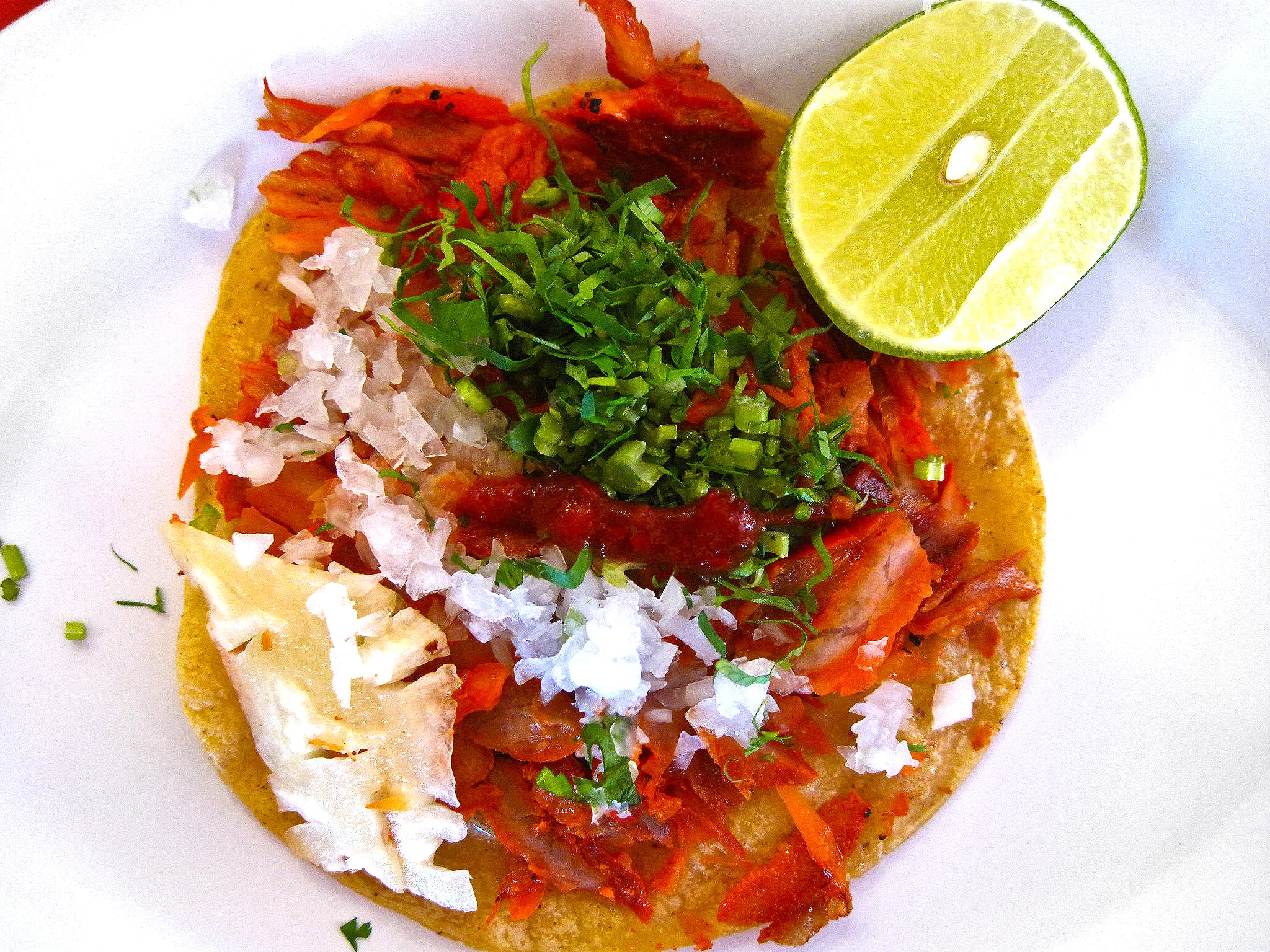
Finding the best tacos al pastor in Mexico City is akin to finding the best baguette in Paris. There are so many places of exceptional quality; the differences come down to stylistic nuances in flavor and preparation. The best taco al pastor in Mexico City is the closest taquería nearby above a minimum quality threshold that's open late-night. Fortunately, the city is full of such restaurants. One of them is El Charco de las Ranas, or "frog's puddle." It's a sit-down restaurant as opposed to a street-side taco stand. The authenticity police might get angry that real tacos are to be consumed sitting down, but rest assured this is the real deal. There's a full kitchen in the back with a fire-roasted rotating pork spit by the door. The smell of roasting pork permeates the entire restaurant.
Cenaduría Sinaloense La Espiguita

If there were one rule to remember while eating in San José, it's this: if a restaurant says "Sinaloa," it probably has really good food. As the nearest land mass across the Mar de Cortez, Sinaloa is the neighboring state to Baja California Sur. This explains why a large portion of San José's residents are Sinaloan: they moved west during Baja California Sur's massive development thirty years ago. With them they brought the tastes of Sinaloan cuisine.

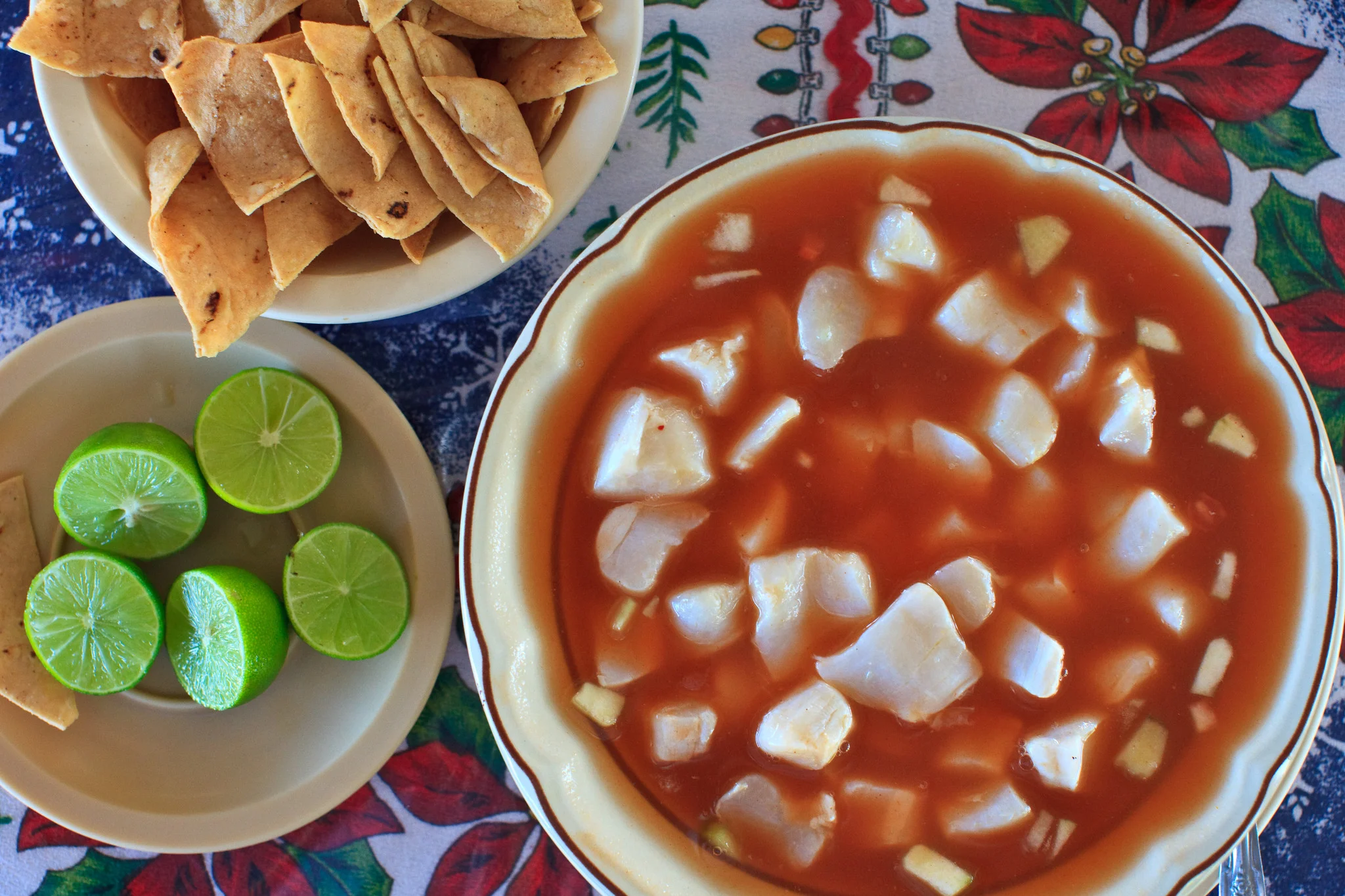
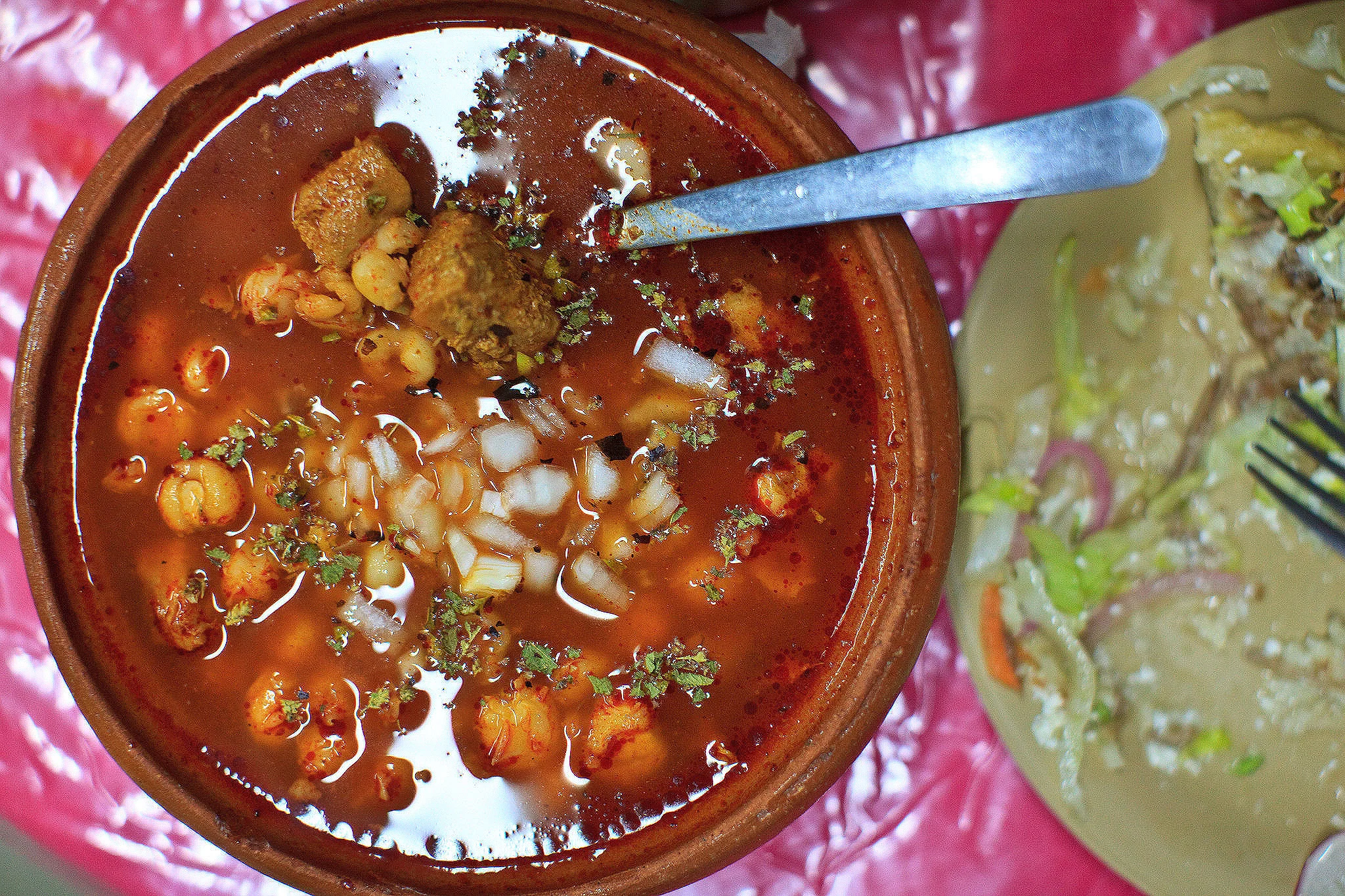
Cenaduría Sinaloense la Espiguita is the restaurant of Sinaloa native chef Sandra Luz Zepeda. It's a local place visited by residents who live in the adjacent Colonia Chamizal. Here, a tabletop stereo plays Sinaloan banda while Señora Zepeda takes orders and returns to the kitchen to prepare them. The outdoor restaurant serves a variety of antojitos, meats, and soups including red pozole. But what the restaurant lacks in fancy decor it makes up for in flavor. I find myself visiting "La Espiguita" pretty often.

Biko

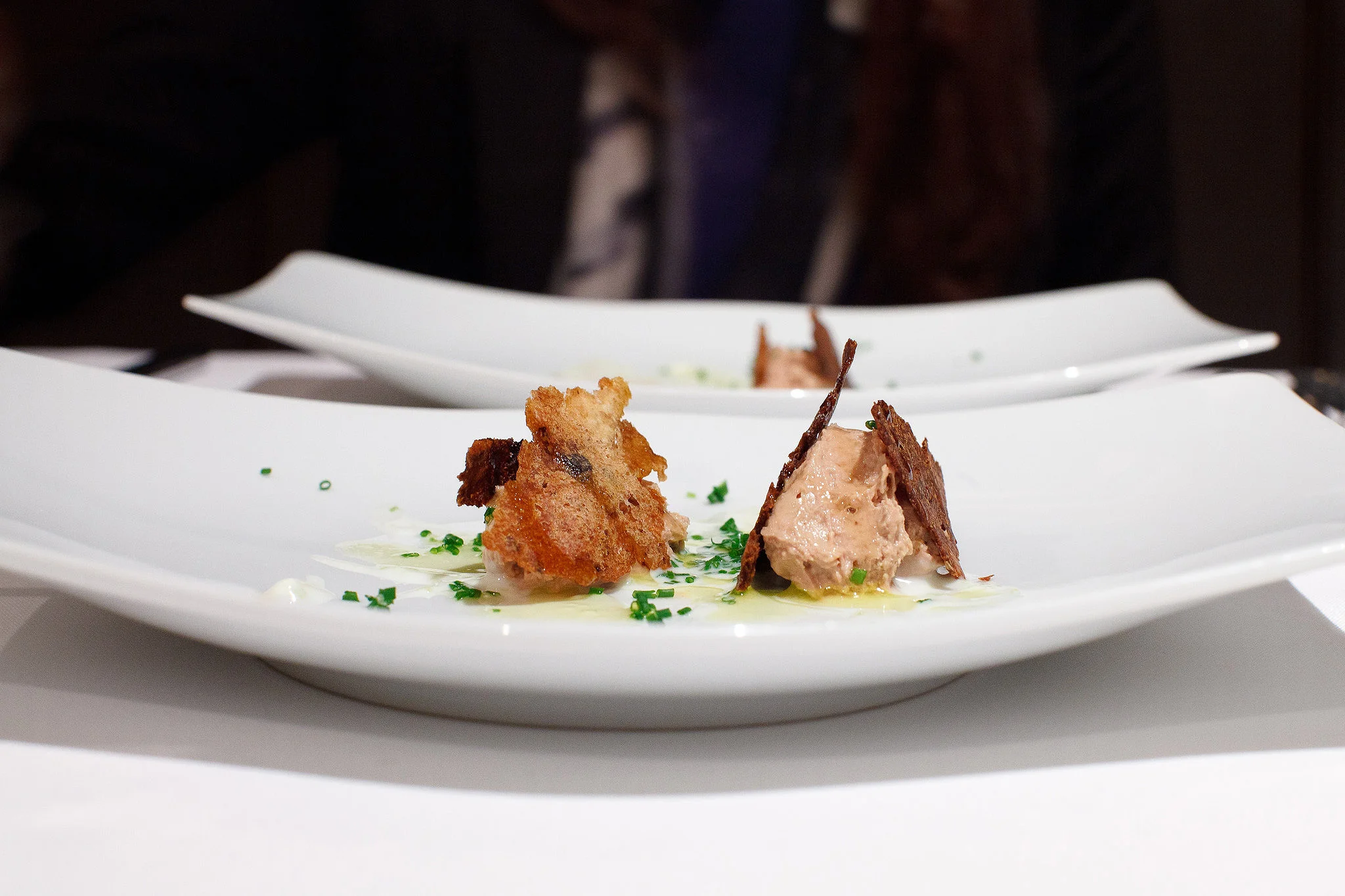
Biko is a Mexican-Basque fusion restaurant in Mexico City's posh Polanco district. Its co-chefs, Bruno Oteiza and Mikel Alonso, have the honor of bringing Biko to the Pellegrino Top 50 Best Restaurants list. Its swanky yet minimalist decor of suede chairs squeeking atop tile flooring is a bit cold and clinical -- much like eating in a hallway; but the warm and very professional service compensates to make diners feel at ease and comfortable. The dishes were purportedly a mixture of Basque and Mexican influence, but it was hard to spot the Basque component. The food seemed more like a random collection of European and pan-Asian concepts with occasional Mexican ingredients. Most of the dishes were presented quite beautifully with clever plating, but at times I got the sense that the dishes were more about style than substance. They were everything expected of a fine dining restaurant, minus the background story, passion, and at times, flavor.

Café Passmar

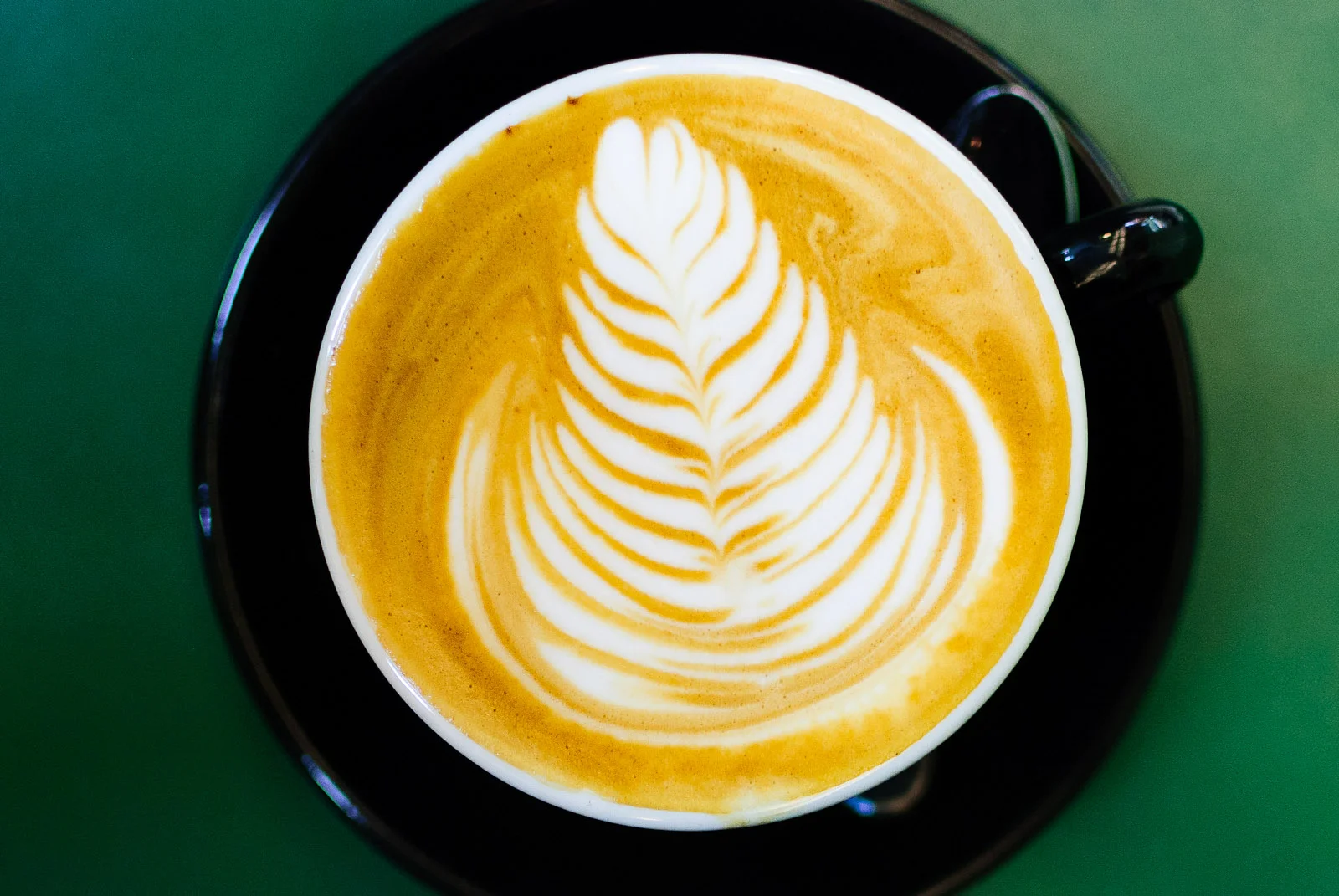
En route to the Frida Kahlo's house in Coyoacán, I made a pit stop for lunch at Mercado Lázaro Cardenas, the covered market in Colonia Del Valle. The market, abundant in colorful piñatas, fruits, and antojitos, also had another surprise: excellent coffee. I was floored to see a La Marzocco occupying the small space squeezed between two fruit-vendors. It's hard to imagine a more perfect afternoon snack than fresh tostadas followed by an espresso (or three). Café Passmar has some of the best coffee I've tasted in Mexico. Passmar's house blend is entirely Mexican in origin, a secret mixture of beans from Guerrero and Chiapas. The coffee is roasted just next door to the storefront at Passmar's micro roastery. This was the first time I'd tried coffee in the same country from where the beans originated. All the best espresso I'd had previously contained beans that were cultivated, packaged, and air-shipped halfway the world before being roasted. After seeing what the dryness and low pressure environment of air transport does to food I've packed myself, it would be hard to imagine that extended air transportation doesn't have an effect on coffee beans.

The coffee I tasted at Passmar was some of the nuttiest most chocolatey espresso I have ever tasted. My girlfriend -- who despises coffee -- took one sip and nearly finished my first cappuccino.

Mariscos Cepy's

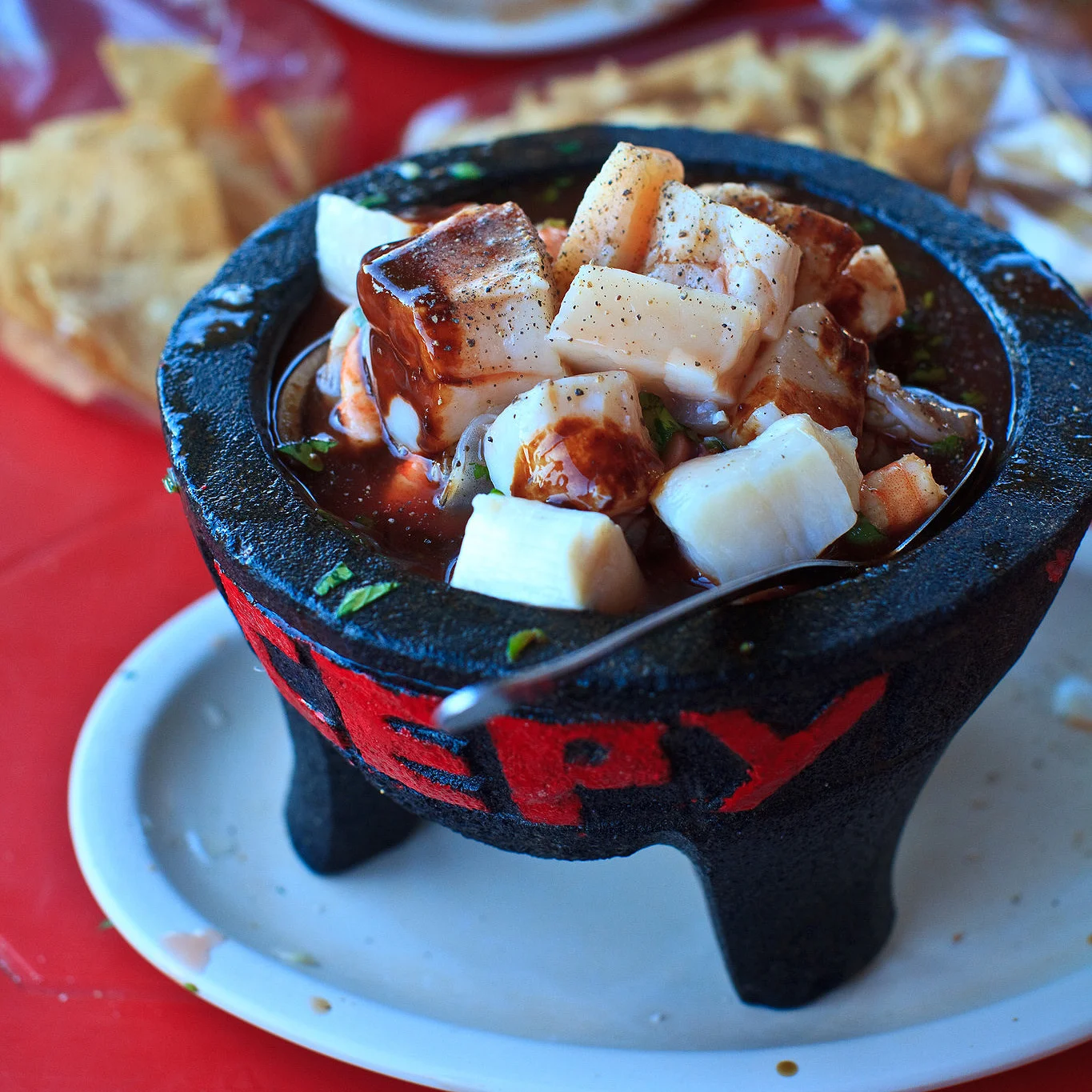
Mexico's rich and diverse cultural history lends to uncountable regional dishes. Nearly every small town across the country has its own specialty or rendition of a National dish. Recently added to the UNESCO world heritage list, Mexican cuisine has at once some of the most complicated and simple recipes in the world. This dichotomy of complexity -- where hundred-ingredient mole sits alongside raw fish garnished with nothing more than lime and salt -- makes Mexican food so incredibly unique and delicious. In coastal towns like Los Mochis, Sinaloa where seafood is easily caught, simple shellfish becomes the crux for local cuisine. (Actually as it turns out, Los Mochis has great just about anything.) It's no coincidence Chicago's Rick Bayless named his seafood restaurant Topolobampo after the port a few miles west of the city center. Don't expect anything fancy: in Mexico, flavor and ambience are often inversely correlated.

Mariscos Cepy's, a small restaurant at the end of a residential block, is always crowded. This is partly because of the exceptionally fresh shellfish, but also because Mexicans know how to take their time and enjoy the afternoon. There's never any rush here, and a few cold drinks and outdoor seat in the sun makes time stand still.

Taquería Liliana

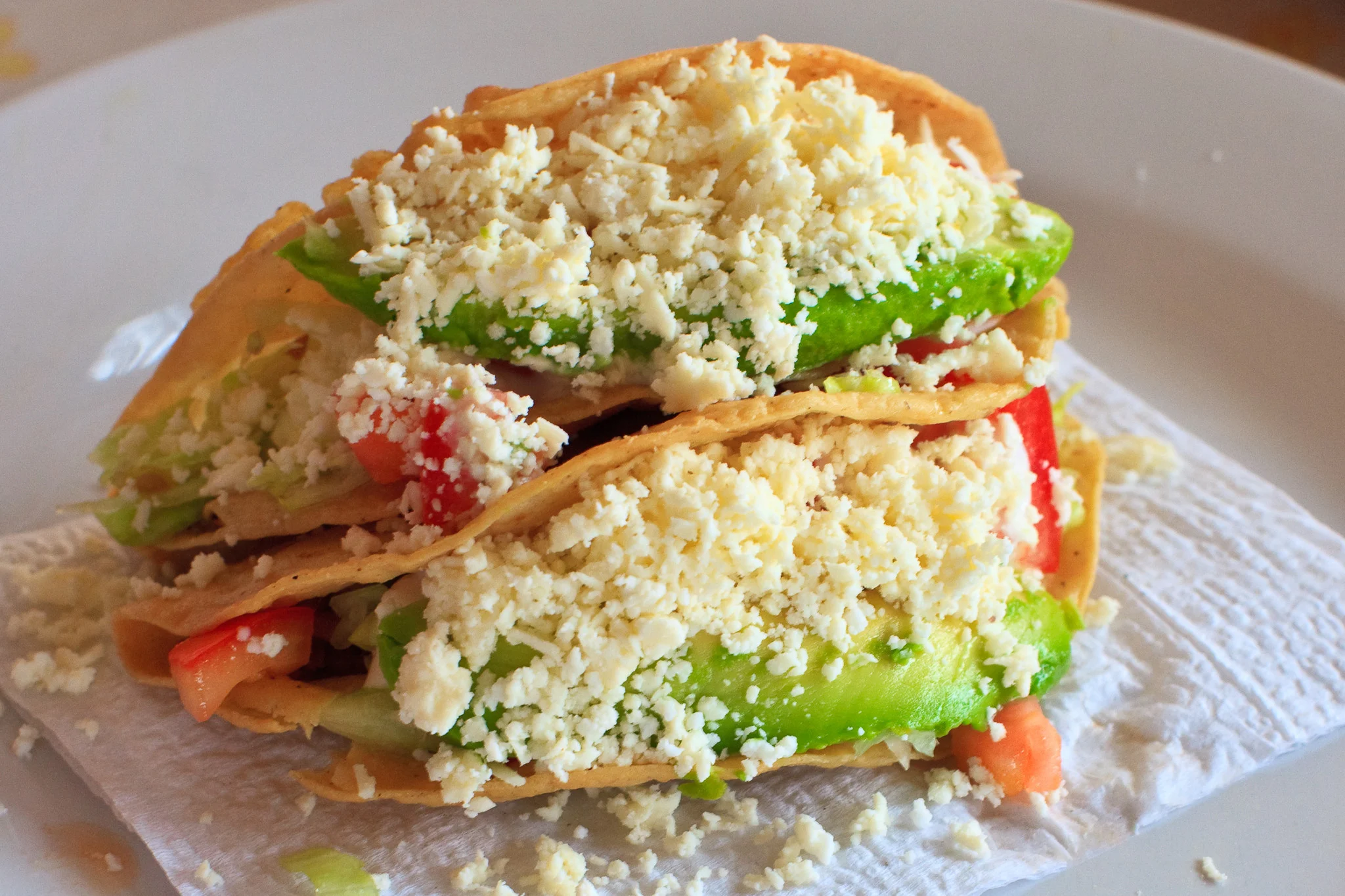
I always thought a taco implied a hardshell. At least in the US, I grew up with the crispy yellow pre-folded U-shaped shells that were stuffed to the brim with ground beef, iceberg lettuce, flavorless tomatoes, and buried in orange cheddar cheese. Only after visiting Mexico (a lot), I learned, or at least I thought I did, that truly authentic tacos consist of double-layered soft corn tortillas -- each no bigger than 6-inches in diameter -- dotted with a sprinkle of meat. Turns out this was wrong, too. The contrast of authentic tacos being smaller in size with a soft shell versus the oversized crispy-shell impostors is overly simplistic. The texture, size, shape, and filling of authentic tacos varies tremendously. Some of Mexico's most delicious tacos are in fact hard-shelled, native to regions like Los Mochis and Baja California Sur.

Mariscos el Sinaloense

Off Highway 1, halfway between San José Centro and the airport, is a humble concrete blue-roofed restaurant teeming with incredibly fresh seafood. The restaurant, named Mariscos el Sinaloense ("Seafood by the guy from Sinaloa"), is just to the side of a dirt parking lot with iron bars protecting open-air windows. What the restaurant lacks in appearance it makes up for in flavor. At the back of the simple restaurant -- open only for lunch -- is a magical red Igloo cooler filled with a colorful palette of the morning's fresh catch. Sr. Olegario Yañez, chef/owner of Mariscos el Sinaloense, originally came from Culiacán, Sinaloa nearly twenty five years ago. The original restaurant, just a fraction of the current size, was located in San José. Overflowing with customers, Mariscos el Sinaloense moved a few miles north on Highway 1 to expand six years ago. Since then it's been relatively quiet, a pit stop for locals travelling along the highway.

Barbacoa Vicky

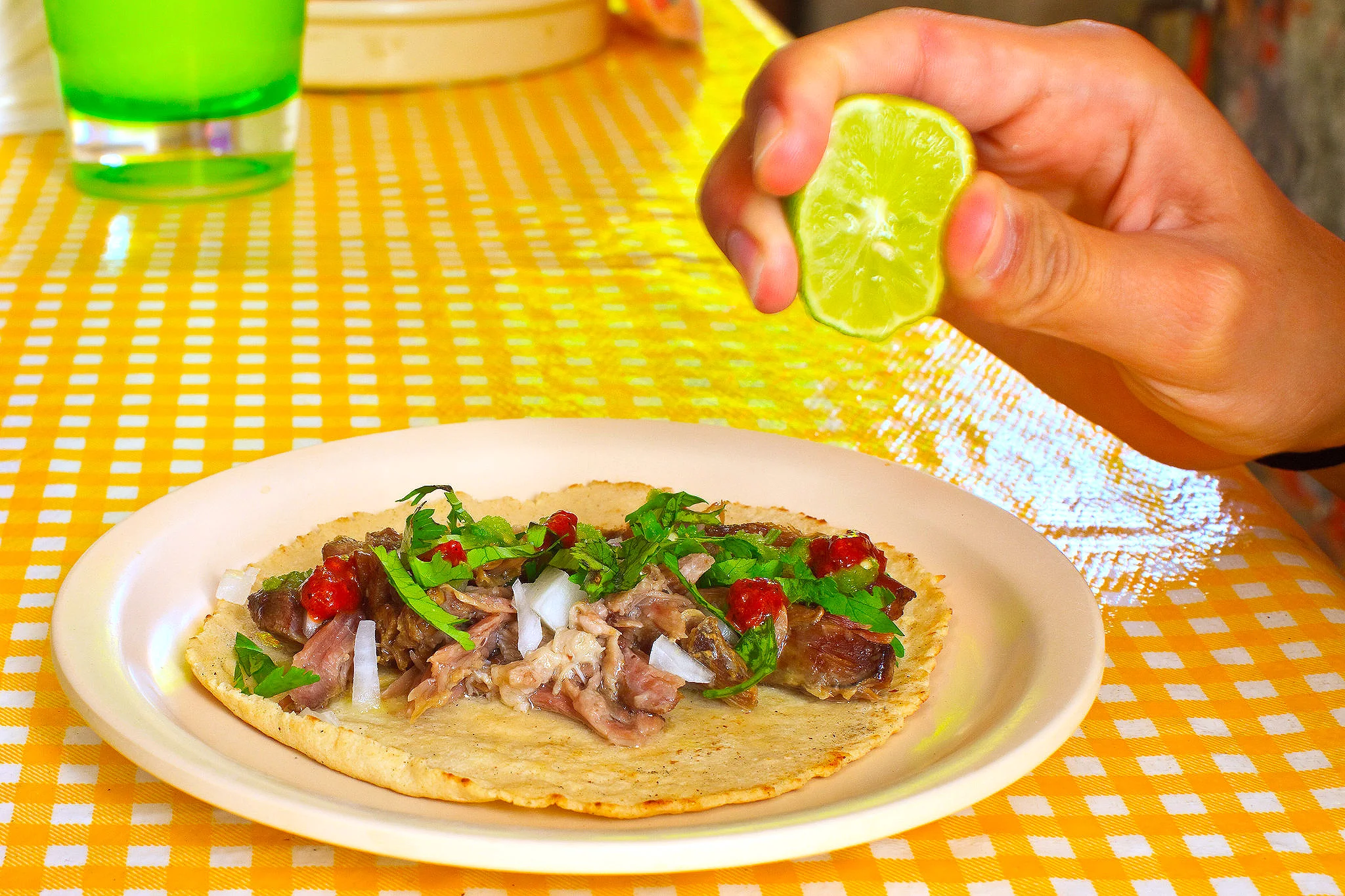
A few miles inland off a recently-paved road lies a concrete white utilitarian building stamped with the logos of Pepsi and Pacifico. The sturdy building is adorned with exposed electric and telephone lines. Despite being wrapped in ten layers of paint, the true age of the restaurant is revealed through hints of peels and flakes. The hot sun of San José -- a place where the sun shines 364 days of the year -- beats down incessantly on the fading pained script logo: "Restaurant Vicky." While the surrounding buildings have been occupied and abandoned over the last thirty years through Baja California Sur's development, like a church, Barbacoa Vicky has held strong. It offers a unique delicacy: the best slow-roasted lamb tacos in town. Barbacoa at Vicky's comes from sheep, slow-roasted underground in hot embers for eight hours. The resulting meat, ordered here by the kilogram, develops a soft and stringy texture intertwined in pockets of juicy fat. The meat is typically rife with moisture and arriving early in the day ensures the juiciest cuts. The fresh corn tortillas -- speckled with coarse grains of yellow corn -- absorb the excess fat, much like spreading butter on cornbread. Wrapped with a splash of lime, a dash of cilantro, and a small dollop of guacamole and the barbacoa taco is ready to go.

Tapas Molecular Bar Revisited

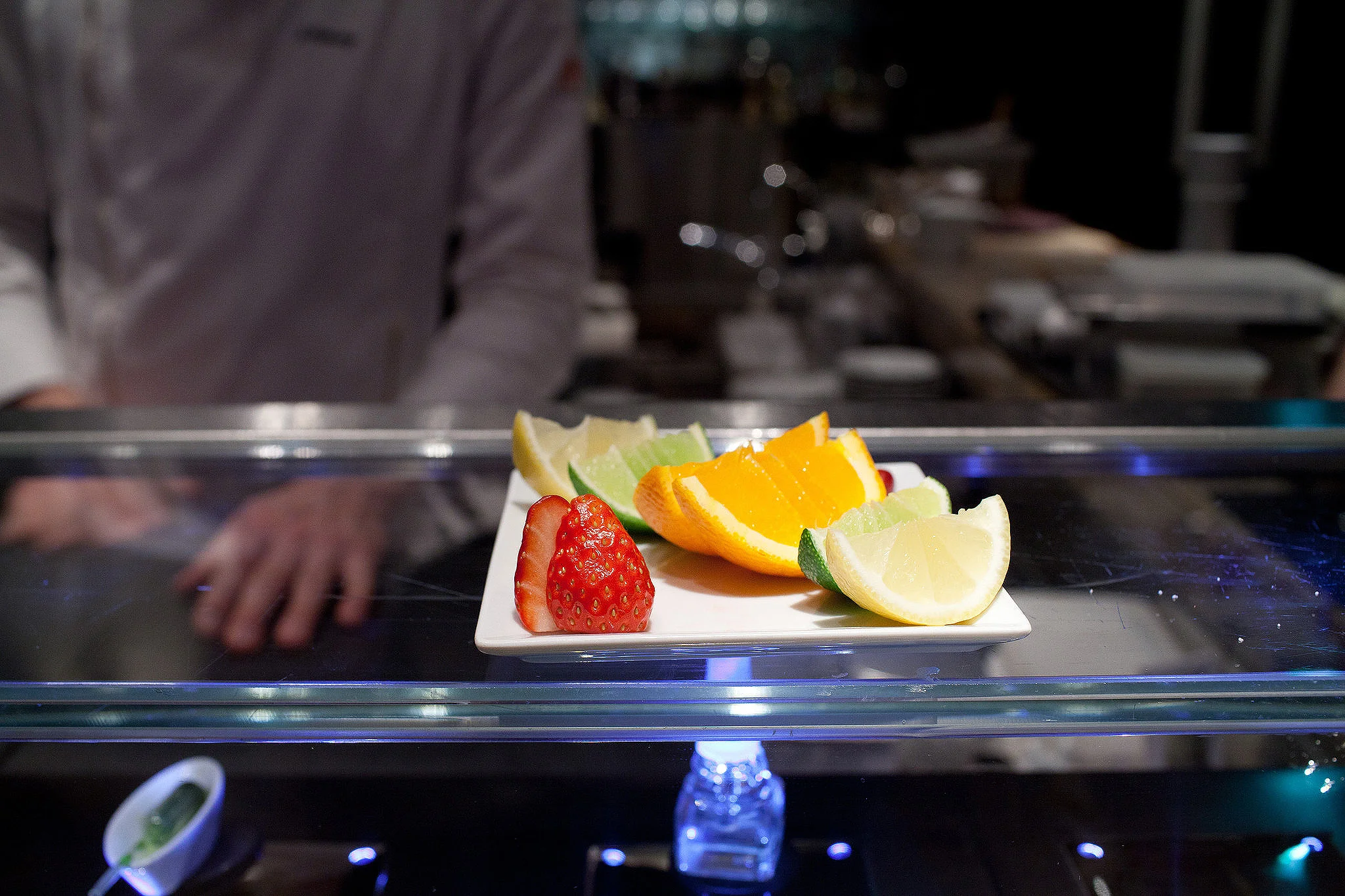
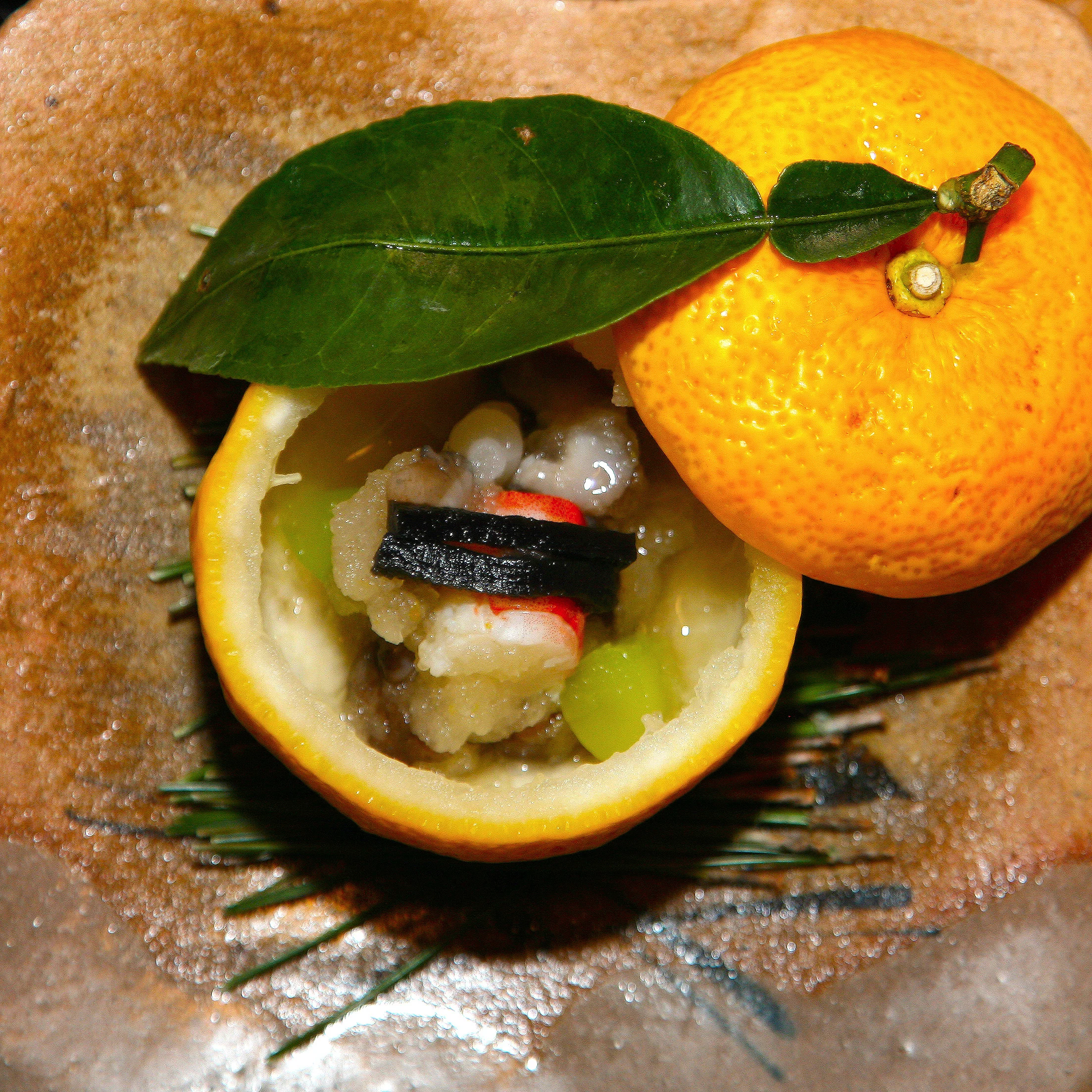
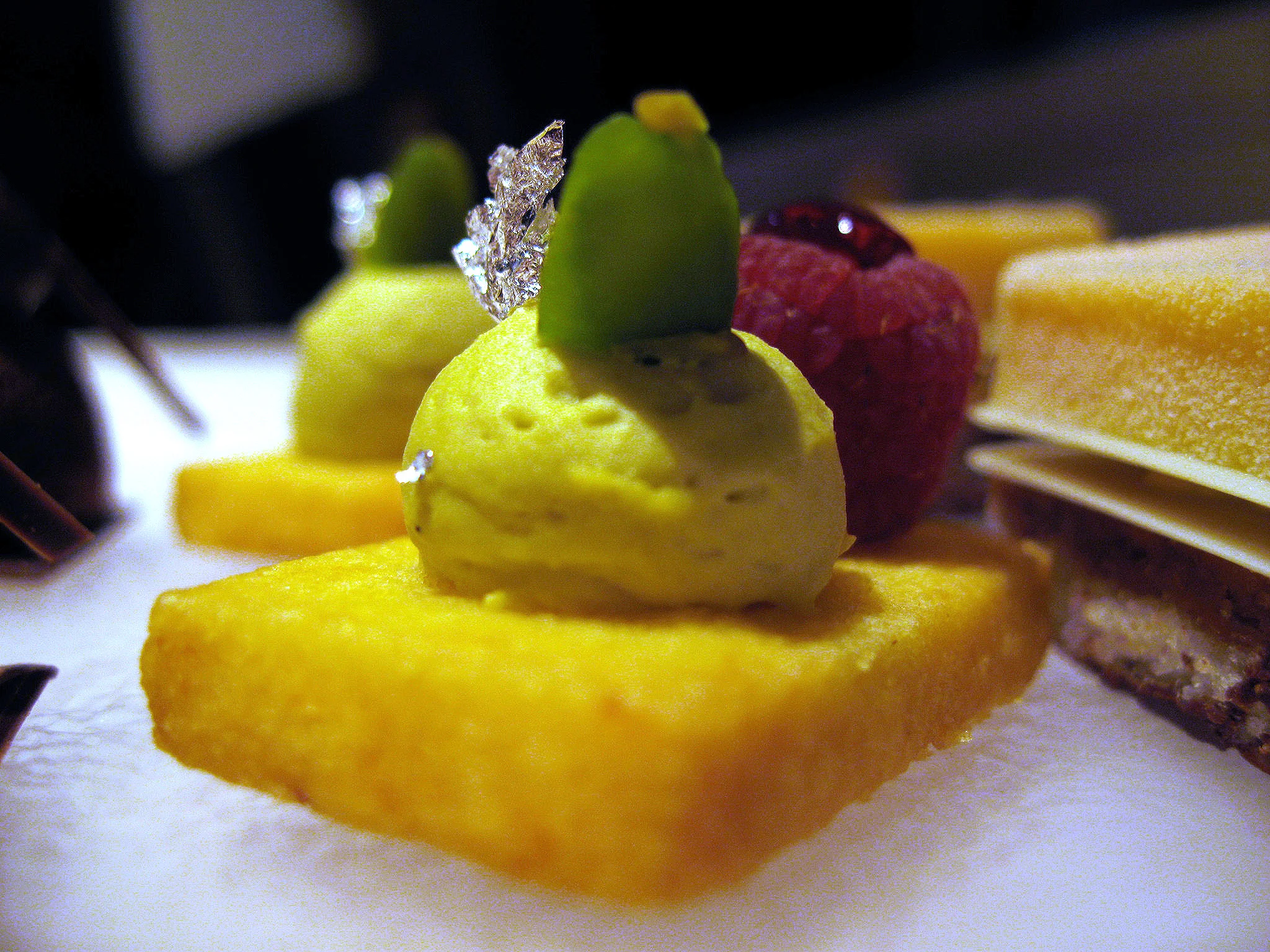
The 7-seat Tapas Molecular Bar in the sky lobby of the Mandarin Oriental Tokyo is the home of chef Jeff Ramsey, formerly of Minibar in Washington D.C. My first meal in 2008, while delicious, featured many of the same dishes featured at Minibar. I think a lot of this was due to the newness of the restaurant and the difficulty in finding its place. It's no easy task to integrate new molecular techniques with traditional Japanese cuisine. However now, two years later, this restaurant has really found its niche in its surroundings and thoroughly impressed me with innovative, delicious, and really fun cuisine. One aspect of the Molecular Bar that makes the experience so fun is its chefs. Instead of creating an environment in which interactivity is passive-aggressively shunned, chef Ramsey and his team explained the back story of each dish and how it related to Japanese culture. This was particularly crucial for the nostaligic dishes as many of the diners did not grow up in Japan. Questions were encouraged, and frankly, this in-depth understanding of the food I was eating really added another dimension to the meal's enjoyment. Not only did I learn a tremendous amount about the food and its preparation, but I felt like I was eating a story with each course.

Ten-ichi

It wasn't until I visited Japan that I truly liked tempura. Outside of Japan, tempura batter is thick and greasy -- often soggy and wet -- making this deep-fried food taste more like sloppy, oily leftovers. I can't begin to count the number of times I've tasted shrimp tempura and had the plump tempura shell separate from the shellfish, or a piece of broccoli tempura that oozes fat like a sponge wringing out water. Most of the time, especially in the US, tempura is fried food gone very wrong.

At Ten-ichi, tempura is light and fluffy. Each piece of fish or vegetable is individually flash-fried at such a high temperature that the oil barely has little chance to penetrate the food. The batter is thin and weightless, completely integrating with the food: it would be nearly impossible to separate it.

Takamura

Over the past decade, Roppongi has become the center for Tokyo's nightlife. Full of bars and restaurants, Roppongi is loud, bright, and full of things to do. In contrast, nestled high on one of its hills, is a small oasis named Takamura. Takamura, built over sixty years ago, is a Japanese kaiseki restaurant serving private dinners in one of its eight rooms. The service, as well as the food, are exceptional. The architecture is traditional: wooden construction with rice paper doors and tatami mats. Diners are greeted at the door and taken to their room. The space is small and cosy, however despite the thin walls and presence of other diners, it would be hard to be convinced of their existence.

The table is a modified floor-seating arrangement with a two-foot depression into the floor. This means diners can sit at floor level without sitting uncomfortably with their legs crossed, like sitting in a chair. Underneath the table is a heated floor; so on cold winter nights with the wind howling and garden chimes softly clanging everybody inside is warm and comfortable.

Beige

Beige Tokyo, Alain Ducasse's Tokyo outpost, is located at the top of the Chanel flagship store in Ginza. The floor to ceiling windows are framed with thick black borders, much like a pair of Chanel thick-rimmed glasses. The space is decorated in beige tones bringing an element of warmth to the otherwise stark atmosphere. Waiters and waitresses quietly whisk about in custom-fitted black suits. The sleek and stylish restaurant, designed by Karl Lagerfeld, is a must-visit for fashion-conscious diners. Beige is essentially a restaurant by a high-end designer in collaboration with Alain Ducasse. The food is also pretty good. The menu highlights traditional French ingredients, most of which are flown in from Europe. The dishes read in Alain Ducasse style with a simple ingredient made bold by a bombardment of luxurious accoutrements. The restaurant's dishes are consistent and familiar.

La Veduta

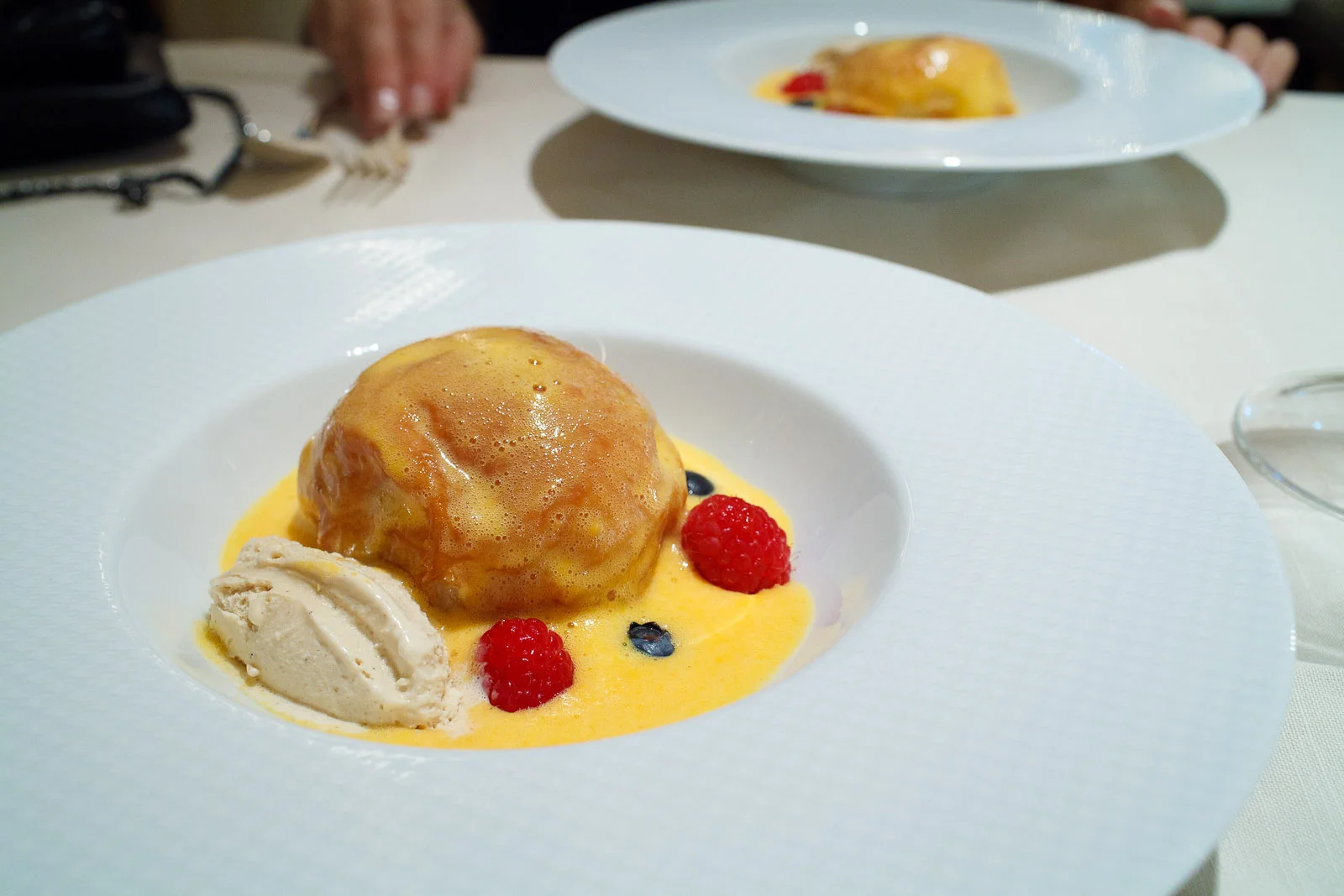
This past New Year's Eve we found ourselves in Osaka, one of the "kitchens of Japan." Unfortunately for us, the time around New Year's is a dead zone in Japan: nearly every restaurant is closed for the week-long New Year's holiday. There were some restaurants open, but they were all located inside the major hotels. There was a part of me that wanted to stick to Japanese-only "local" food, but another that was pretty hungry. Having never tried Italian cuisine in Japan, I made a last-minute reservation at the newly opened Italian restaurant at the St. Regis: La Veduta. The dining room was gorgeous: oversized chandeliers illuminating an open kitchen with large windows providing a view over downtown Osaka. Our maitre'd was Piemontese, a pleasant surprise of authenticity being nearly 6,000 miles away from Italy. The menu was prix-fixe which took the stress out of ordering. We ordered a glass of champagne and mentally transported ourselves to Europe.

Mist

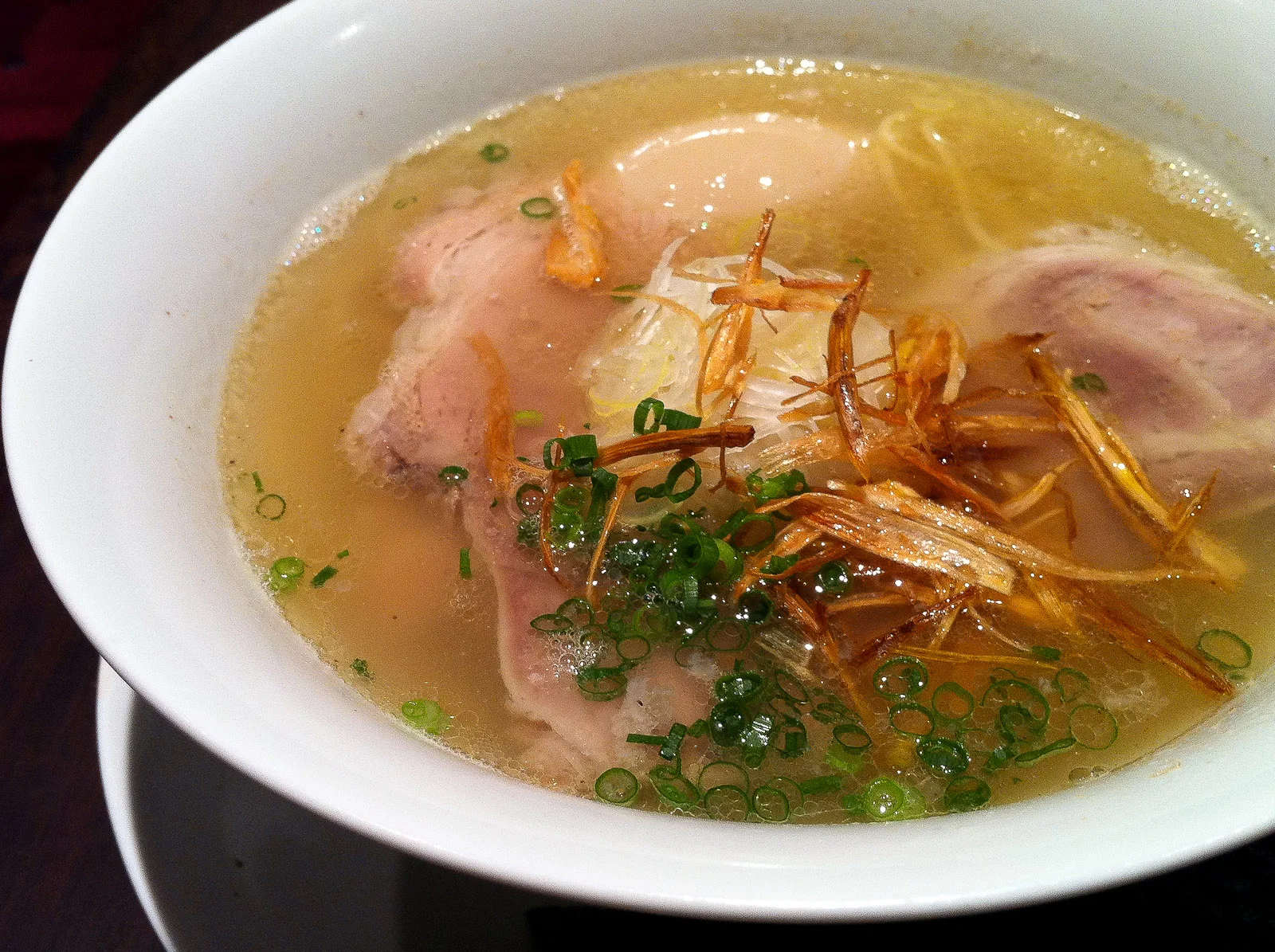
I'd always thought of ramen as a street stall kind of food. In Fukuoka, Yatai (street stalls) line crowded streets with nothing more than a short hanging curtain separating the stall from busy pedestrians. There's definitely something romantic about trying one of these ramen stalls, particularly in the winter where the hot steam from the central pot keeps the crowded of huddled diners warm. But frankly, the backless wooden stalls get uncomfortable after awhile as the sound of traffic becomes less charming and more annoying. There's an increasing trend in Tokyo to take traditional street food, enhance it, and escalate it to the fine dining level. That's exactly what Mist does. Located in on the third floor of Omotesando Hills, Mist occupies a small restaurant space paneled with granite and wood. It's very modern. Behind the stainless steel kitchen lies scales and thermometers ensuring that every step along the way, from shaping the noodles to plating the soup, results in perfection.

Sushi Kanesaka

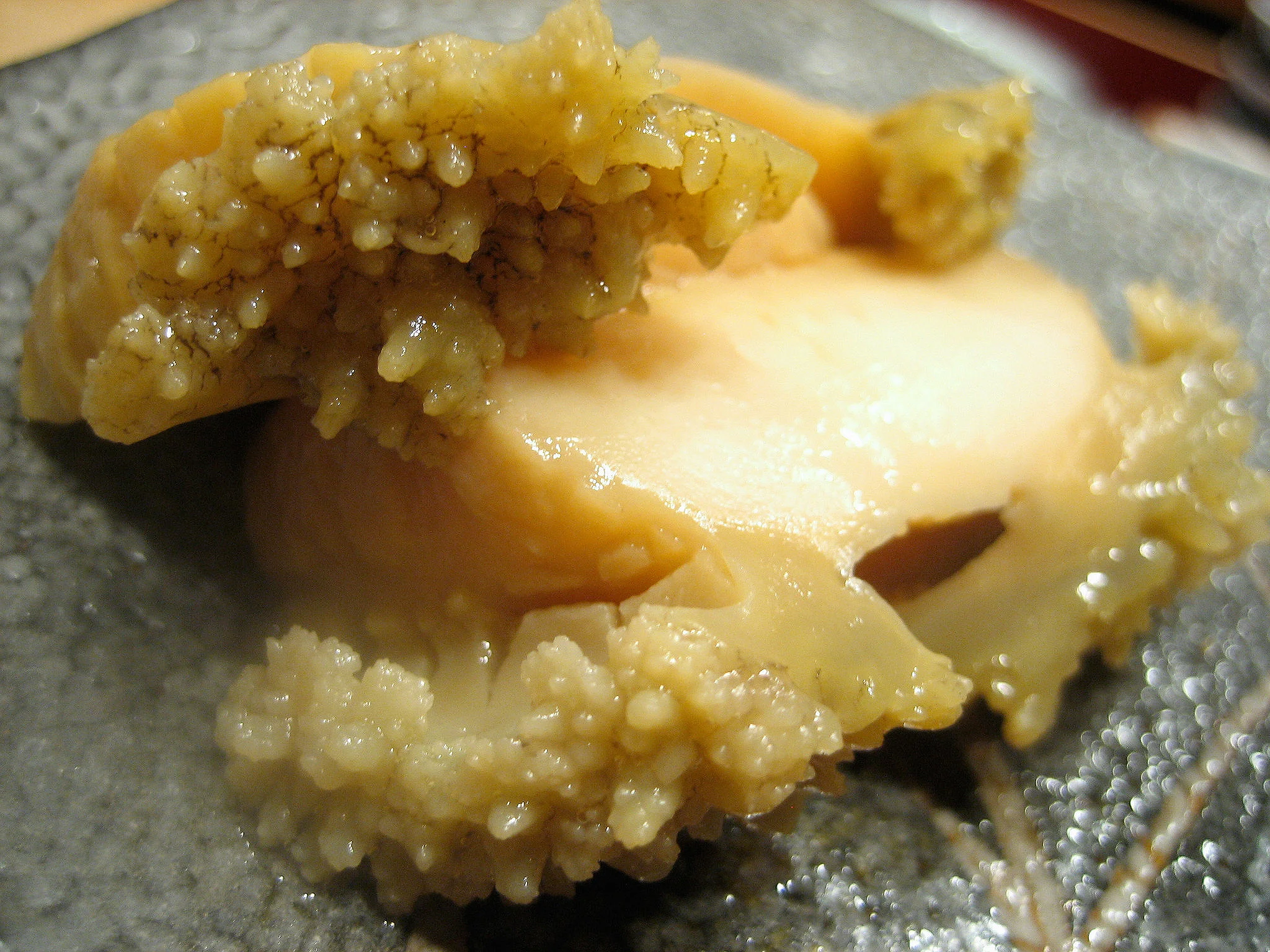
It's fairly easy to find good sushi in Tokyo, but rather difficult to find exceptional sushi. Even the bento boxes at Tokyo Station, which makes for a great accompaniment on a long Shinkansen ride, are of very high quality -- much higher than the average sushi quality in New York. But truly out of the ordinary sushi -- the rare combination of perfect textures, temperatures, and flavors -- is a rare commodity. There are only a handful of places at this level. Sushi Kanesaka is one of them. Located in the basement floor of a nondescript building in Ginza, Sushi Kanesaka is unassuming. Its thirty-something year old chef, Shinji Kanesaka, offers no indication from talking with him that he holds two Michelin stars. He is both humble and friendly.

The restaurant only serves omakase. However Chef Kanesaka's palette seems to prefer shellfish, which is what I would mostly order anyway. What made this restaurant so special aside from the freshness of ingredients was the fish selection: I wouldn't have ordered anything different from what was served. Chef Shinji Kanesaka read my mind.