Chihana

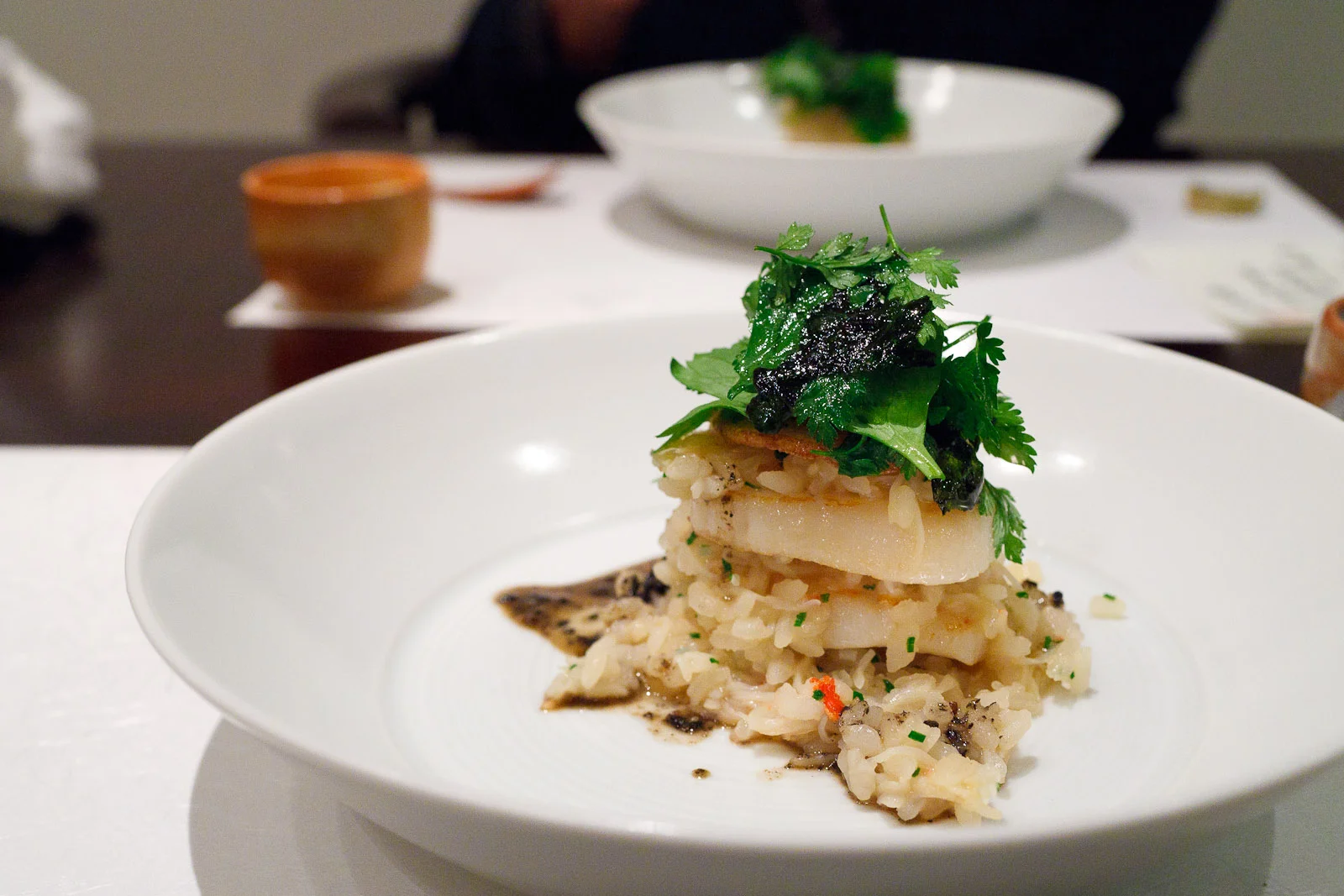
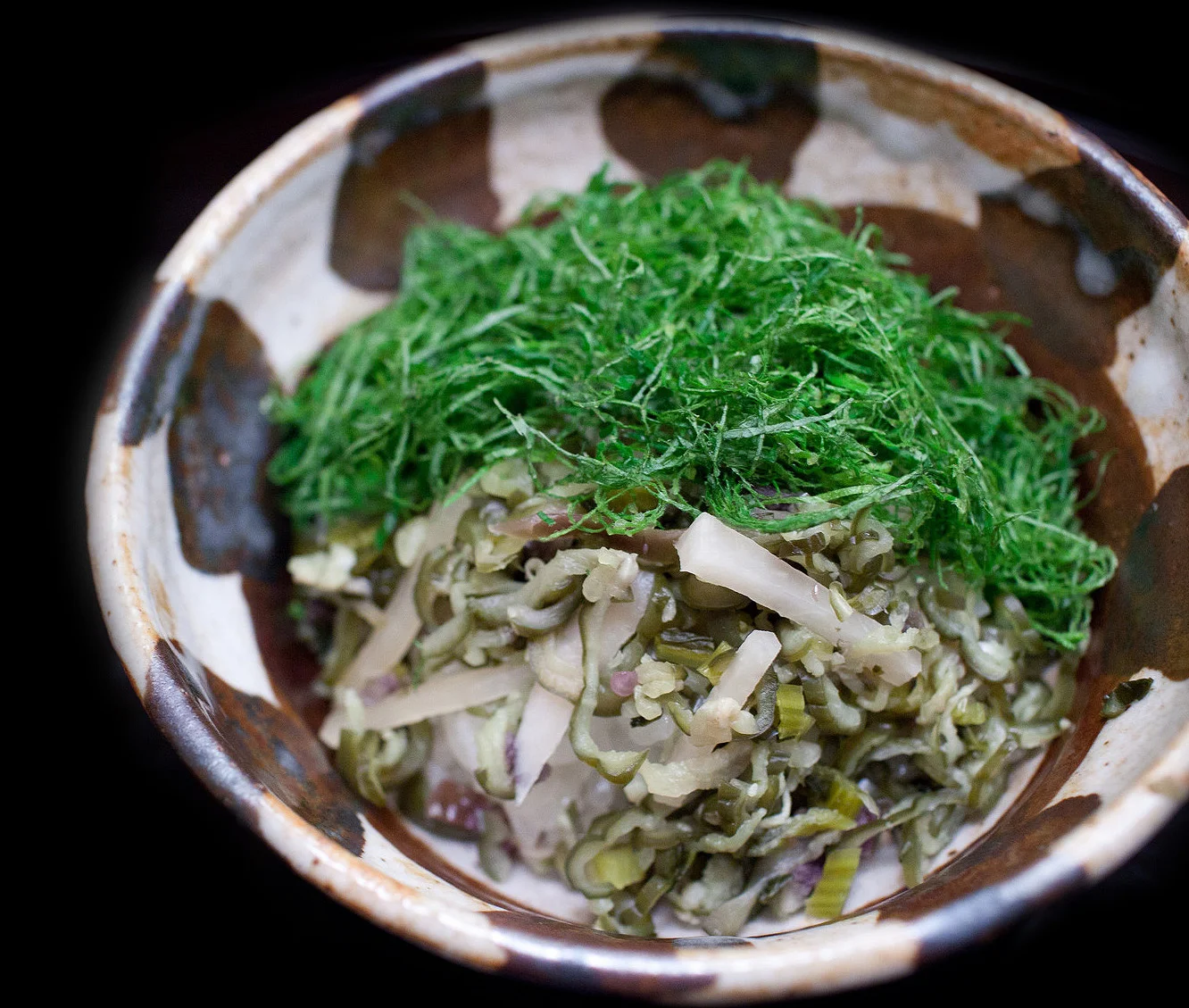
Kyoto's busy Shijo street -- now bordered with arcades, single-item shops, and fast-food -- was something quite different a hundred years ago. Shijo street is located in the center of Gion, the Geisha district of Japan's old capital city, Kyoto. The ancient Shijo-dori, originally constructed as a means for travellers to get directly to Yasaka shrine, is now one of Kyoto's businest streets, full of cars and tourists. Remnants of the street's rich cultural past remain, including hundreds of narrow alleyways leading to quiet courtyards where one can still catch a glimpse of an ancient way of life. Chihana, which translates to "flower patch," was at first difficult to find. It didn't help that the name was written in little kanji: チ花. The restaurant is located at the end of a long and dark alley no wider than an arm's width sandwiched between two modern shops off this busy street. With each step into the courtyard the sound of traffic dissipated into the darkness. At the end was an unlabeled sliding door -- common in this area of Kyoto where private Geisha dinners are held.
Kyubei, Ginza

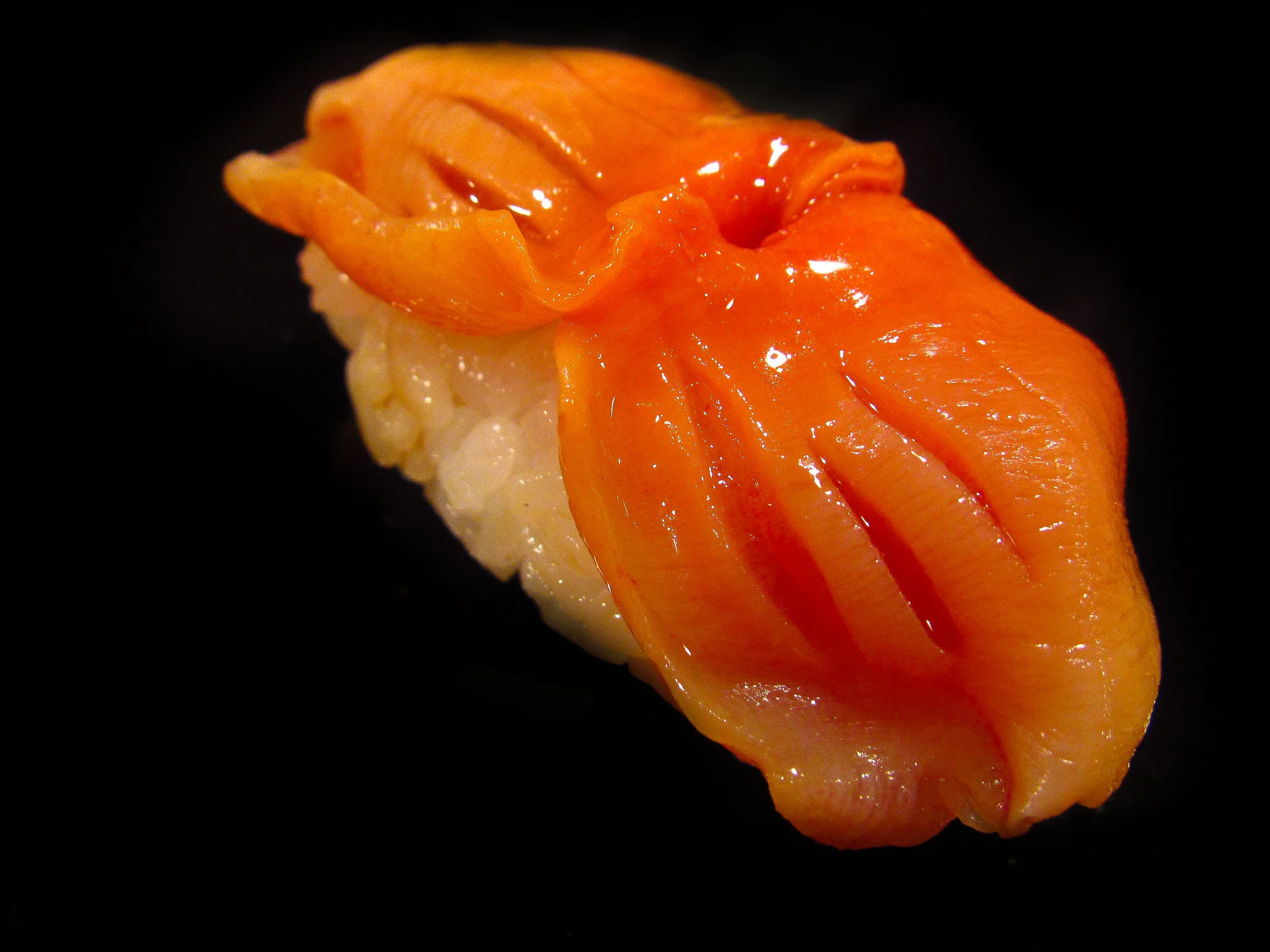
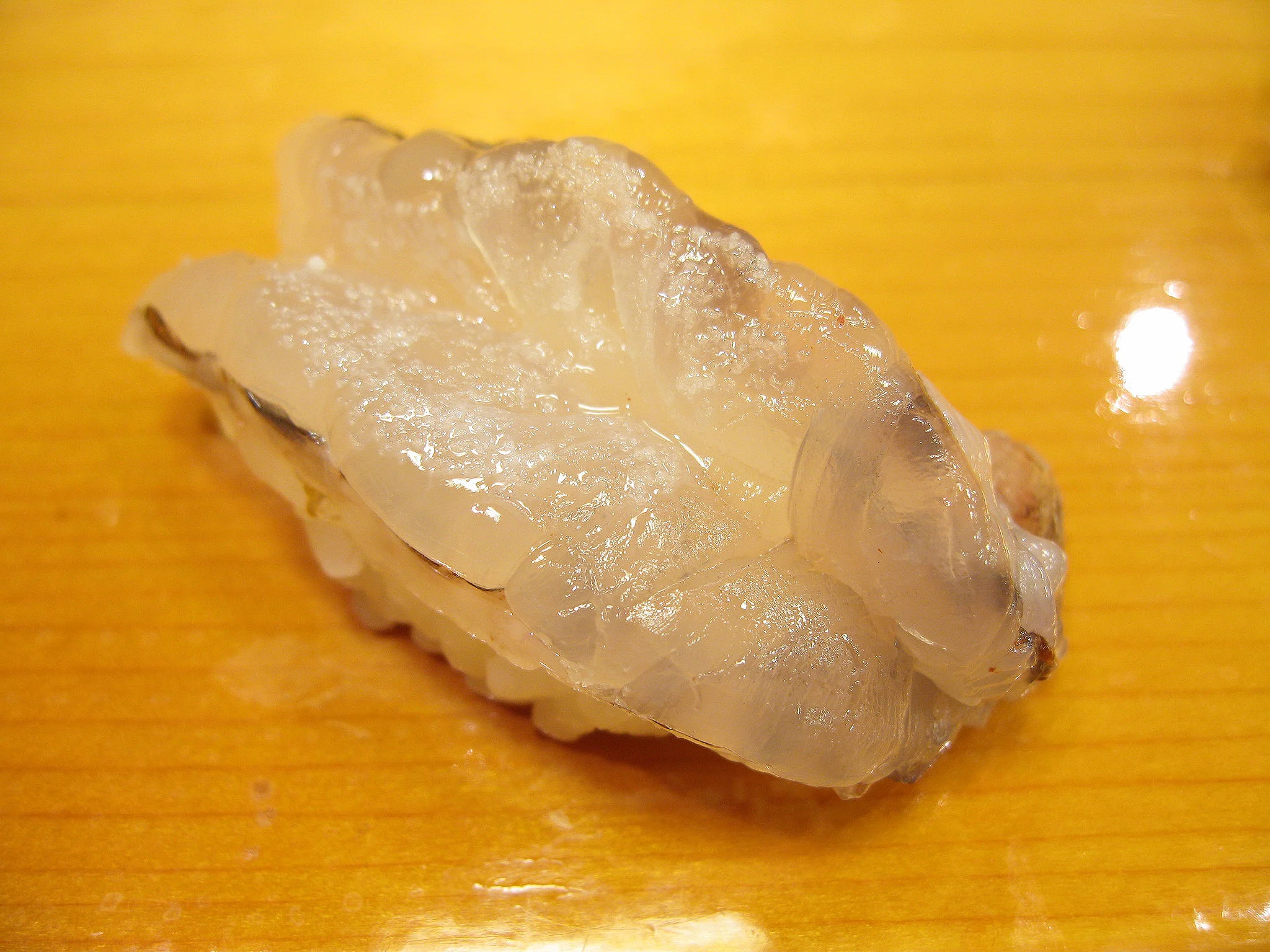
Sushi is my favorite food. There's nothing so satisfying as a slice of the freshest fish imaginable just barely brushed with soy sauce -- or dusted with a pinch of salt -- atop a small bed of warm rice. Omakase is a great way to enjoy this experience because it introduces the elements of surprise as well as the chef's knowledge of the day's best catch. But how does the chef always know what I want? Sometimes an elaborate sushi meal is too much; sometimes I want to choose a handful fish I'm craving and eat lightly. Sometimes, ordering a la carte at a sushi counter is the way to go. Kyubei sushi, in Ginza, is perfect for diners who want to chose their own fish. The relatively informal atmosphere in combination with ease of getting a reservation at one of its five locations throughout the city makes it a good option for a last-minute dinner decision. Besides, who can object to a meal of eight pieces of unimaginably fresh sea urchin sushi? (I've done it before.) The fish at Kyubei is extremely fresh and the pricing much more reasonable than Sukiyabashi Jiro.

Sukiyabashi Jiro Revisited

My first visit to Sukiyabashi two years ago was one of the best sushi meals of my life. The meal's beauty lies in its apparent simplicity: just rice and fish. Of course this is deceiving. The exquisite sushi is the amalgam of impeccable ingredients and skill, from the hand-selected blend of rice and its meticulous steaming, to the exacting ratio of fish to rice and the timing with which it's served. Even the luke-warm temperature of the rice and its precise grain count per piece, as well as the sushi's position on the plate, is no accident. Chef Jiro Ono, Japanese living legend, is perhaps the world's greatest sushi chef. The atmosphere of Sukiyabashi Jiro seemed more relaxed and comfortable than the last time. While both the chef and his son were friendly and engaging in 2008 food photography -- no matter how subtle -- seemed to make them a bit uncomfortable. Two years later and chef Ono was smiling and welcoming photos. The sushi bar also seemed to have more foreigners. During my last meal I was the only foreigner at the table. Considering my meal in 2010 was on the exact same day as in 2008, it's unlikely a seasonal difference. This is probably due to its Michelin 3* rating permeating out, as well as the increase in internet publicity.

Pierre Gagnaire, Tokyo

My last meal at Pierre Gagnaire, Paris was a roller coaster. Lots of ups and downs and by the end of service I was left holding on to my chair in confusion. Any great restaurant has to take risks in the kitchen to achieve something great. But my original experiences were like a lottery, and after three meals at Gagnaire Paris, I kept losing. Pierre Gagnaire Tokyo, in some ways, was the complete opposite. There were few risks. Everything was consistent. This is good in the sense that no single course was particularly disappointing; bad, however, that nothing was exceptional. Exceptional cuisine balance risk-taking and spontaneity with consistency, and it's no easy task. My meal here was an extremely toned-down version of my meal in Paris.

New York Grill & Bar

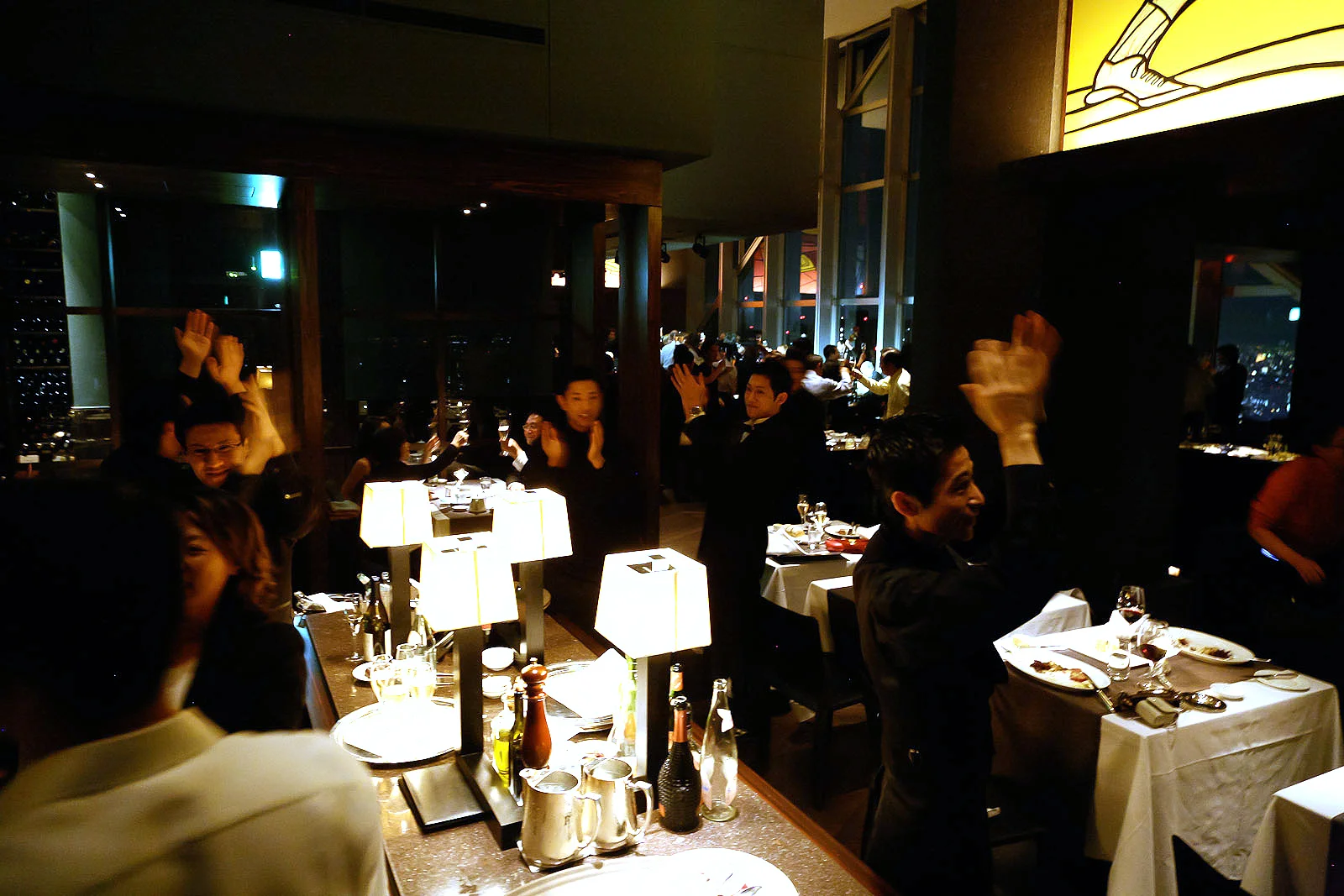
The New York Grill and its adjacent bar sits atop the 52th floor of the Park Hyatt in Nishishinjuku, Tokyo. This hotel, and in particular its rooftop bar, was made famous by the 2003 movie Lost in Translation. As in the movie the bar, with its somber spot lighting de-emphasizing the interior and emphasizing the breathtaking views of Tokyo, has to it an ethereal quality where visitors are at awe by the twinkling panorama while simultaneously in disbelief they are actually there. Or maybe that's just the jetlag. The restaurant, paneled with art deco paintings by Valerio Adami, has gone through several chefs over the last five years, the most recent of whom, Nadine Waechter Moreno, took over as Chef de Cuisine in August of 2010. My experiences at the Park Hyatt were under the previous chef, Stefan Moerth.

L'Osier

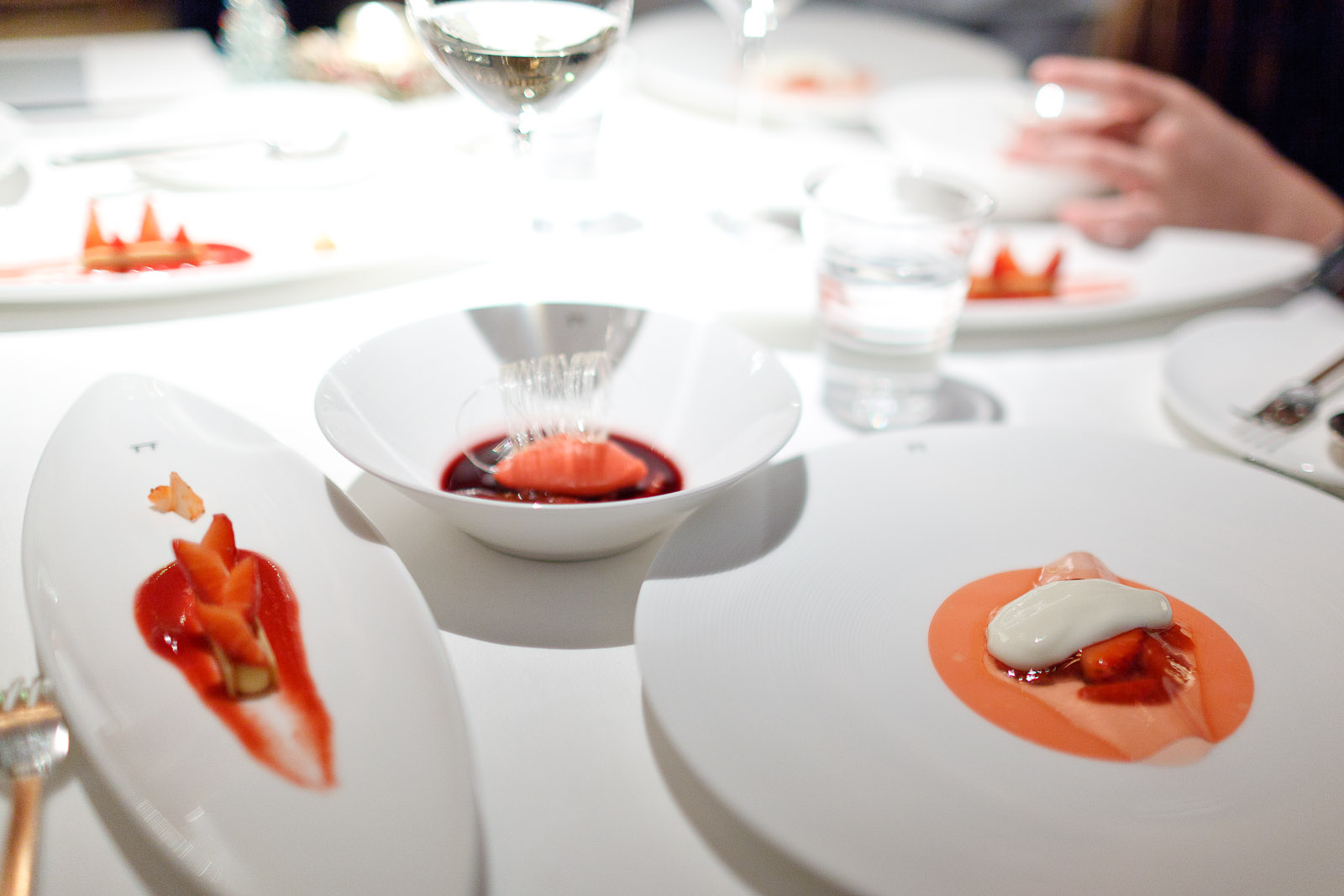
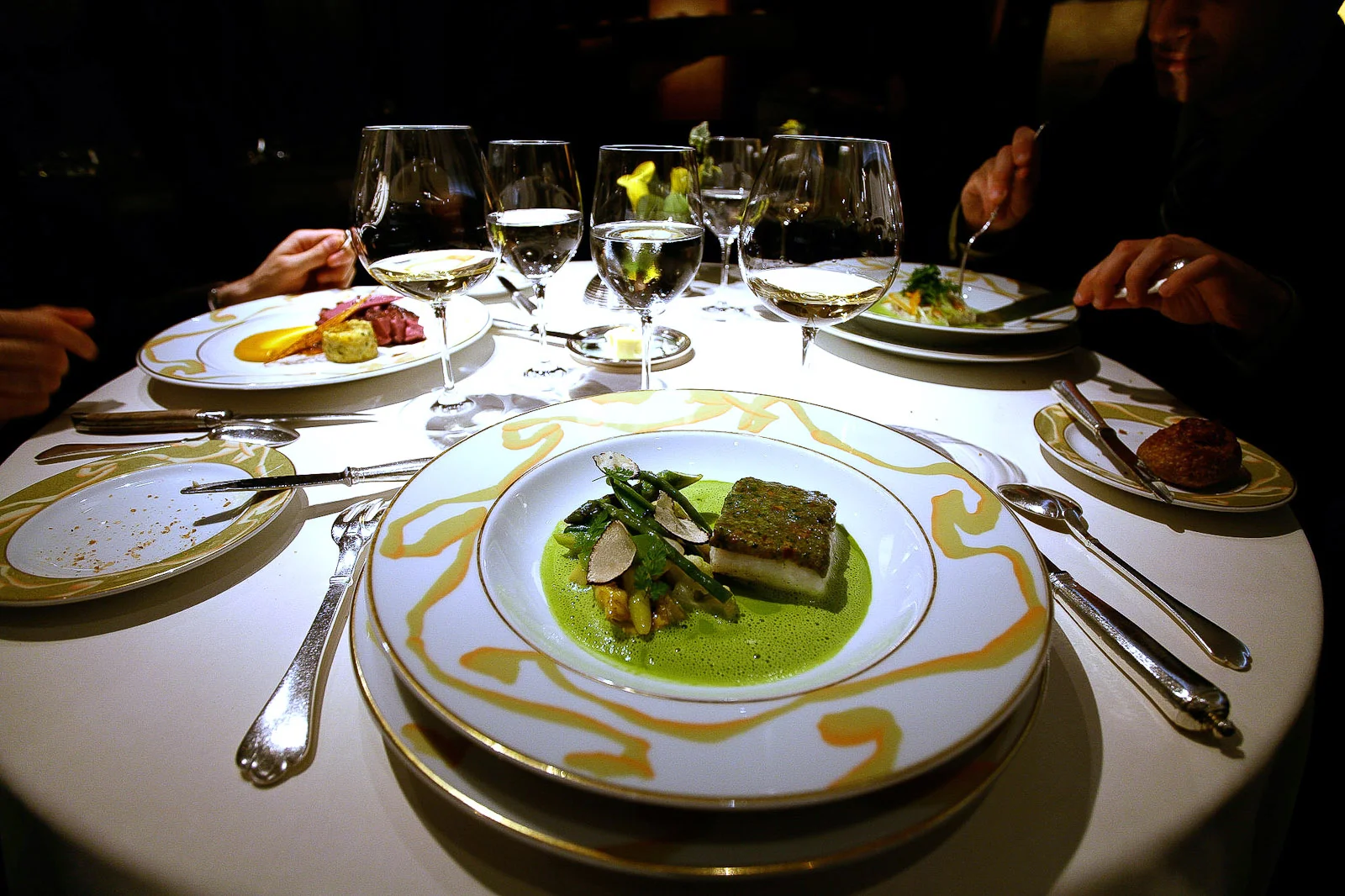
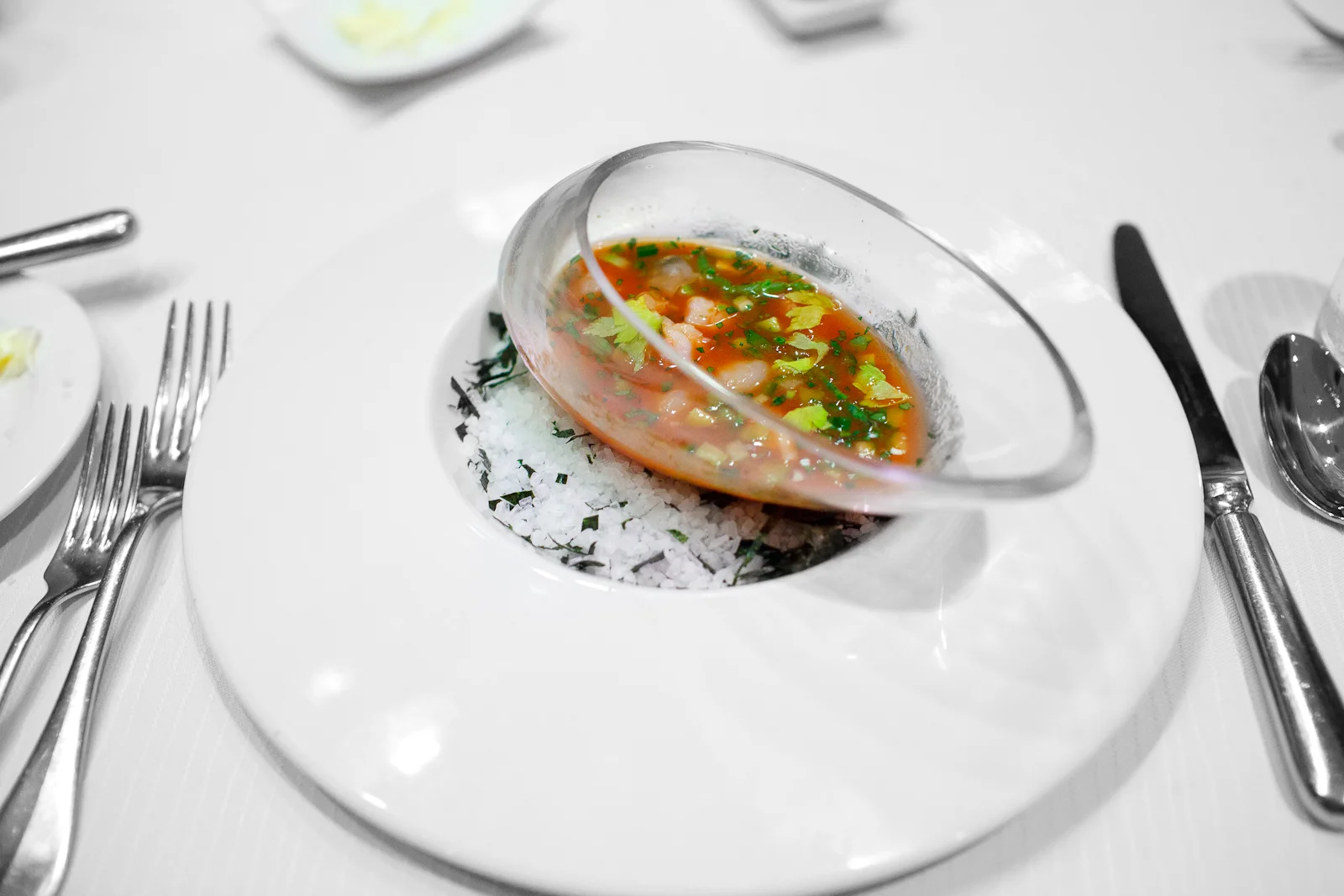
Why eat French food in Tokyo? Because it's usually better than in France! Located on the second floor of its own two-story building in Ginza, L'Osier perches over the surrounding street lined with designer stores and Tokyo's fashion-savvy shoppers. L'Osier is both style and substance, however; its plates both visually stunning and delicious. I had a meal here in 2006 and never got around to posting it. But I have such strong and positive memories about my experience here that it would be an injustice not to share it. I'm going to post what I remember based on my notes. I ate here before Michelin came to Tokyo and rated this restaurant three stars. It's interesting to see how this restaurant seems to have only gotten better since then.

Koju

The simplicity and minimalism of Japanese cuisine never cease to amaze me. Particularly with traditional kaiseki, sauces and spices practically don't exist. Instead of flavoring the ingredients in a dish with external condiments, ingredients are chosen for their own intrinsic flavors. This ingredient-focused approach took a bit of getting used to; in fact the first time I tried kaiseki, I didn't like it. I thought the flavors were dull, repetitive, and boring. But the more I ate it and the longer I spent in Japan, the more I began to appreciate it. My barometer of flavor reset. Instead of loud spicy Thai cuisine full of spices and herbs, or very sweet and sticky Shanghainese cusine, Kaiseki lies flat in the middle: nothing too sweet, salty, or sour. It is a cuisine of modesty and humility where the natural flavors of the ingredients are put on a pedestal to shine.

Kozue

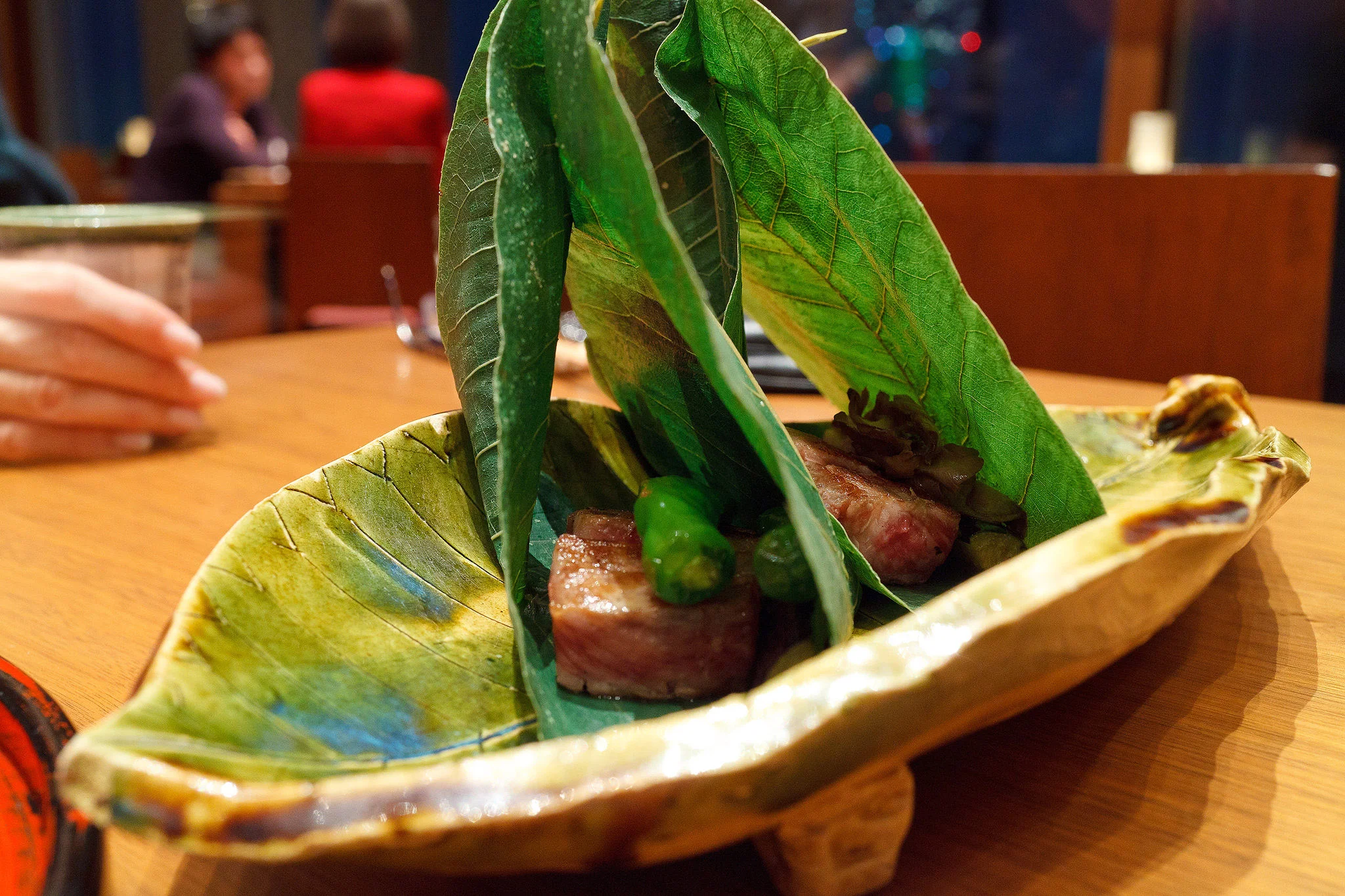
Traditional amber wood and handmade pottery carried by waitresses in kimonos contrast against floor-to-ceiling windows and granite slabs overlooking one of the most impressive restaurant views in the city. Such an explicit juxtaposition of the traditional with the modern -- two concepts whose constant interplay largely defines Japanese culture -- contributes to Kozue's uniqueness. The dishes themselves are very traditional in flavor -- there are no "twists" -- but their presentation and the finesse with which the waitresses explain their components make this type of cuisine extremely accessible to westerners. The views from the restaurant are phenomenal. Perched on the 40th floor of the Park Hyatt, Kozue faces west. On a clear day one can see as far as Mount Fuji. The restaurant's policy is not to guarantee window tables -- even for hotel guests -- but I think it's worth waiting around for the next window table to become available.

Signature

Signature is the home of chef Olivier Rodriguez who formerly worked at the Tokyo location of Enoteca Pinchiorri. His menu read straightforward with two tasting menus and an à la carte section. The tasting menu seemed like a little much since my body still thought it was seven in the morning. So we ordered a few of dishes from the à la carte section and decided to split them. Well, maybe we ordered a lot of dishes. The exorbitant prices are justified (somewhat) by the exquisite view. We were lucky enough to have a window table, and maybe it was the jetlag but I felt like I was eating on the edge of a cliff. My eyes were in awe of the view: thousands of red lights flickering atop the Tokyo skyline.

Bear Pond Espresso

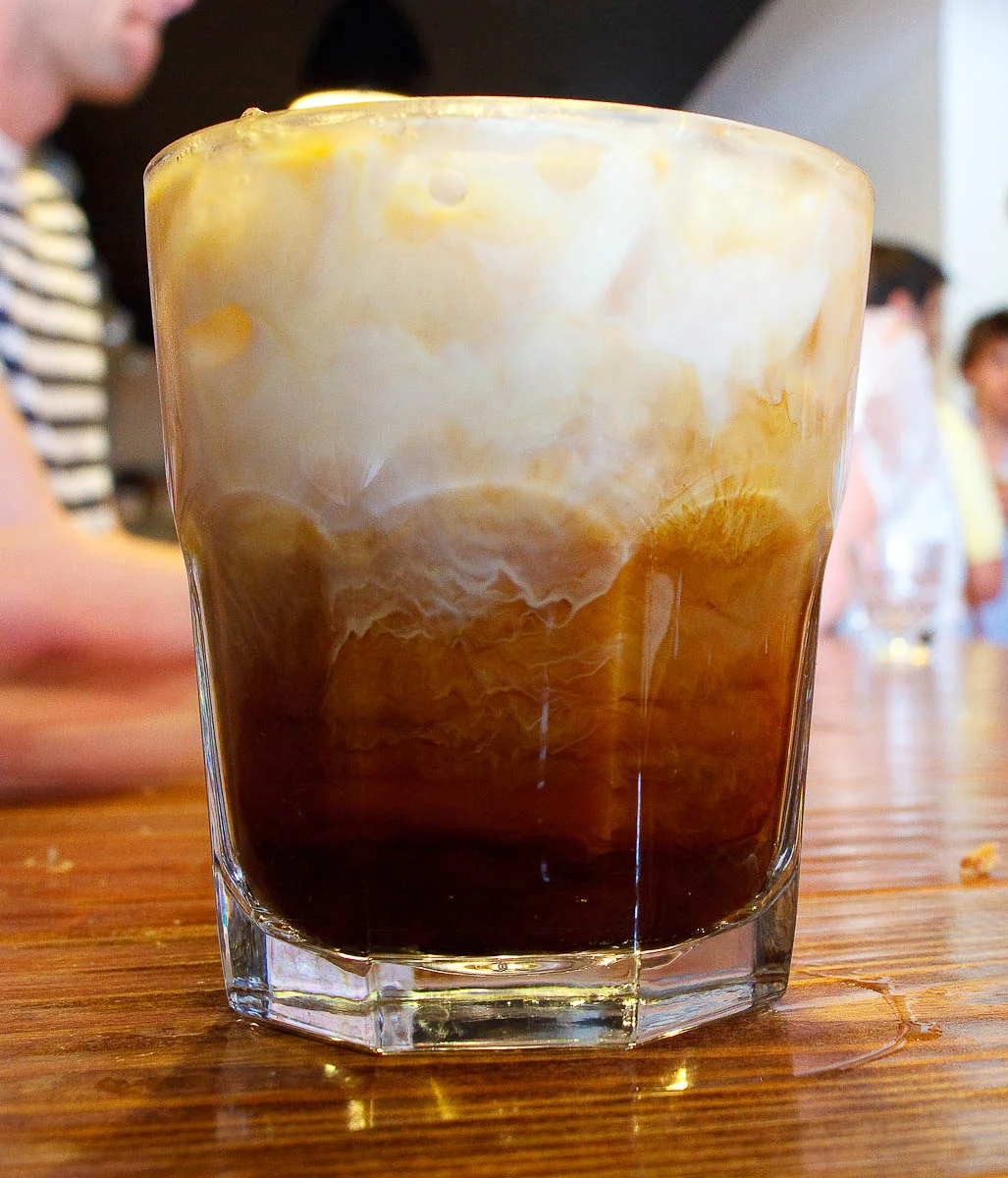
The last time I was in Japan I didn't care much for coffee. It wasn't until a revelatory experience at Joe's in the summer of 2009 that I started to like it. Rather, become a bit obsessed. And so when I visited Tokyo this December I was determined to explore the city's cafe offerings. I was particularly interested in how Japanese precision and general distaste for sourness would translate to espresso. I started with a list of twenty-five cafes that my friend and barista Yukimim put together for me. I went to all of them (in four days!). Of all the cafes I visited, one place really stood out as extraordinary: Bear Pond Espresso. Bear Pond is the home of barista-owner Katsu Tanaka, an 18-year New York resident who recently moved back to Tokyo and opened shop. Tanaka -- who doesn't allow another's hands to touch the espresso machine in fear of lack of consistency -- closes the doors to Bear Pond at 2pm. "After 2pm," he explains, "too many people come and I cannot make consistent coffee." Bear Pond's shots, really a pseudonym for Tanako's since he is the only barista, are remarkably consistent.

Esaki

It's easy to walk down the quiet residential streets of Jingu-mae and miss this restaurant: it's in the basement of an apartment building with no signage. But what Esaki lacks in street-level visibility it makes up for in flavor. It's modern take on traditional kaiseki -- with all locally sourced organic ingredients -- highlights the best of Japanese cuisine yet incorporates a number of modern twists that make for a more interesting, fresh experience. The menu, full of kanji beyond my understanding, proved challenging -- the waitress patiently helped me to decipher the words I didn't know, and even brought paper and pen to take notes. At this 3-starred Michelin restaurant, things suddenly felt a lot more relaxed and comfortable.

Schwartz's Deli

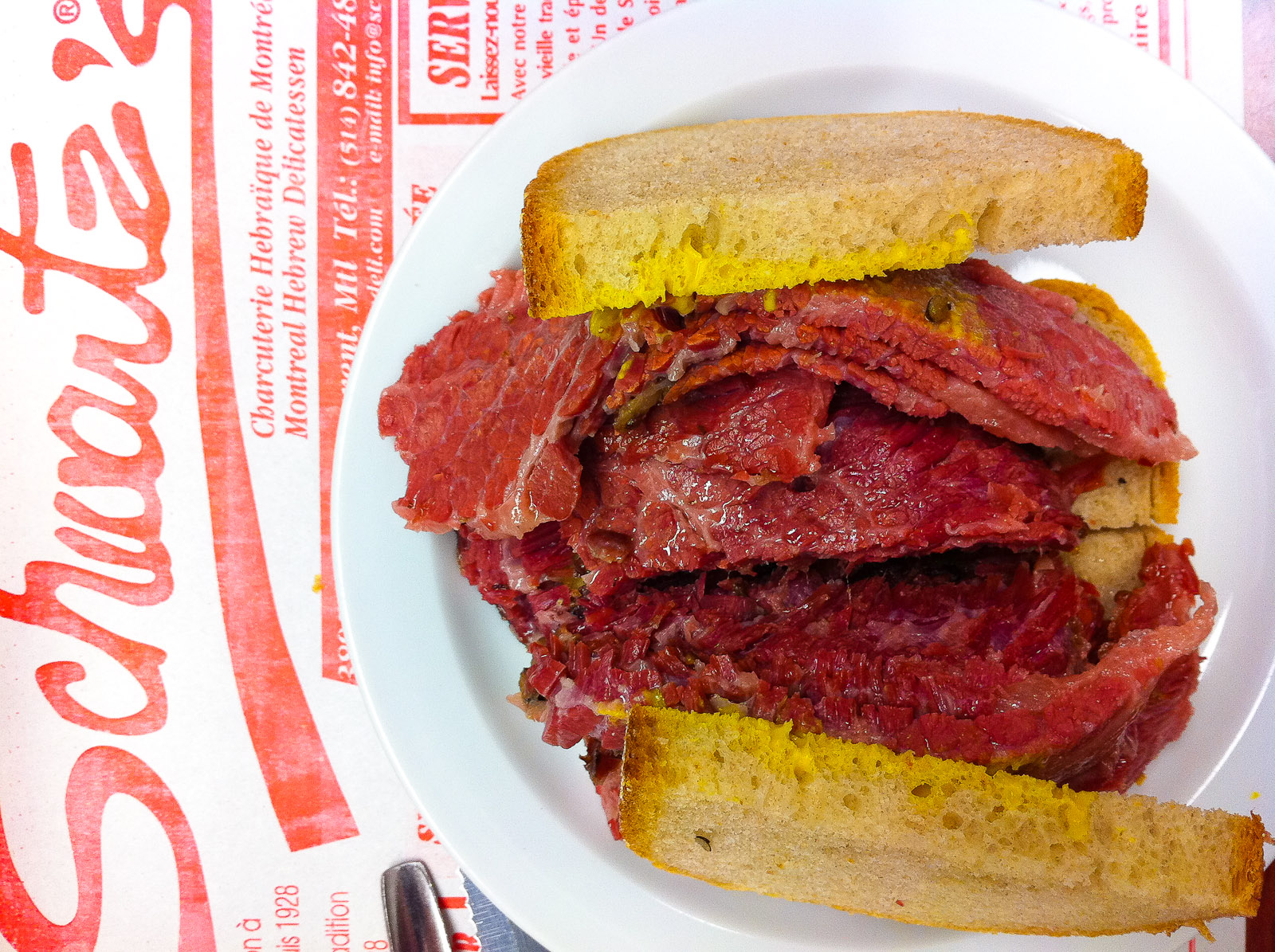
A visit to Montreal would be incomplete without a smoked meat sandwich from Schwartz's. On Saturdays the line -- at times half an hour or more -- can be pretty intimidating, but it's worth it. There are few ways to fight off the Canadian winter as effective as a hot smoked meat sandwich on an icy-cold day. It's time to step into Schwartz's, the tiny but immensly popular deli on Montreal's Boulevard Saint-Laurent. This is undoubtedly the juiciest smoked meat sandwich I've ever tasted. Unlike corned beef, the meat is smoked. It's similar to pastrami but the spice blend is unique. The meat here is so moist I wanted to squeeze out the juice like a sponge dipped in gravy. The smoked meat sandwich, Schwartz's house speciality, is a generous mound of warm meat resting between two fat slices of rye each swiped with a thin layer of French's yellow mustard. The mustard's light acidity and short-lived spice cuts right through the meat's fatty mouthfeel leaving behind a really pleasant texture.

Sosta Espresso Bar

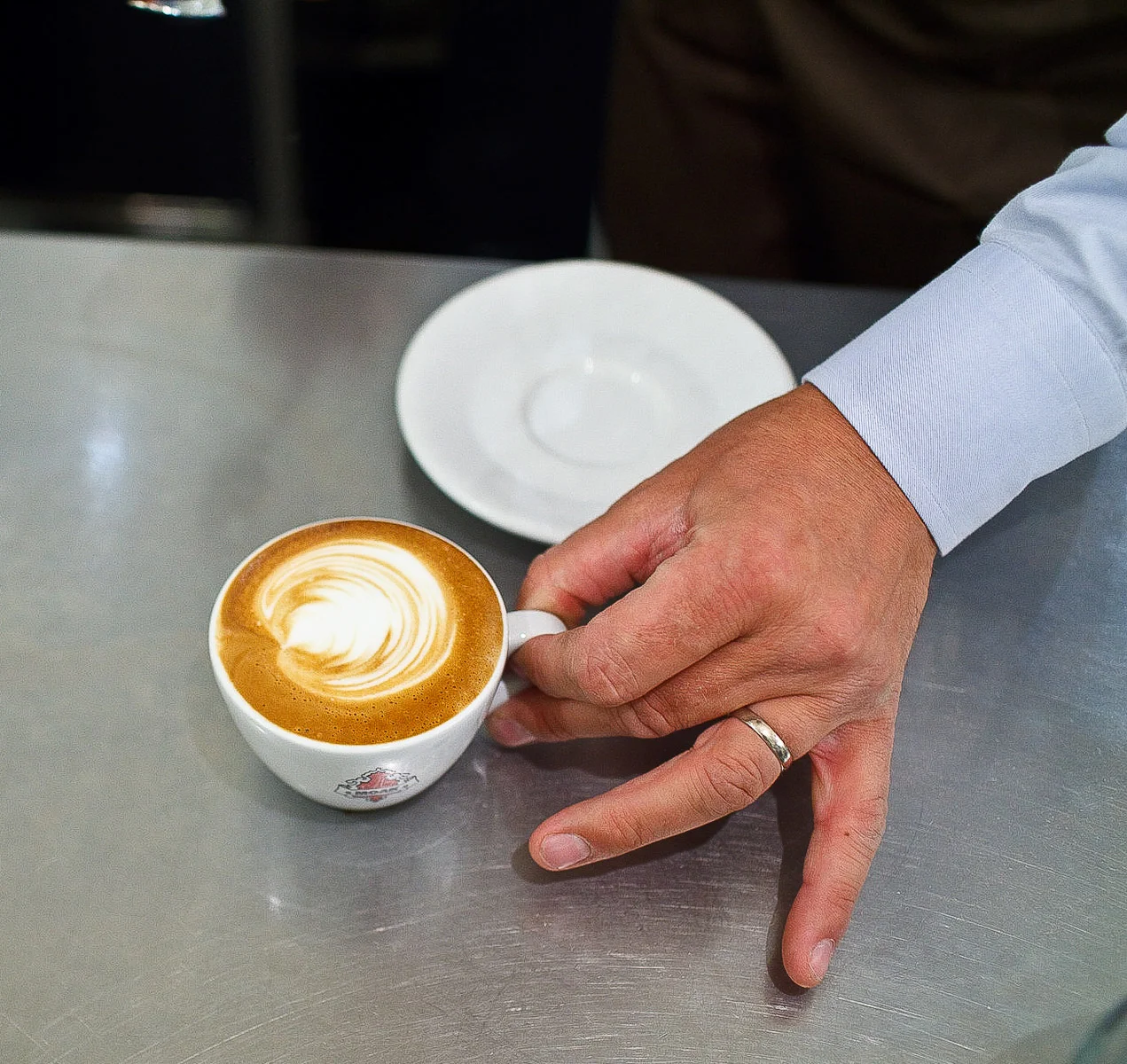
Stockholm is an enchanting city. In the old town, long winding cobblestone roads wrap around hilly terrain with local stores, cafes, and restaurants lining the sidewalk. While it's touristy it's not commercial. In fact there's not a single Starbucks in sight (yet). In some ways it resembles a magical village, one that might begin a Disney movie with the camera panning over an 1800s European city on a cold winter night with chimneys and warm candlelight shining through snow-covered windows. It's quaint, unassertive, and full of hidden surprises. Across the river, however, things are more modern. Impeccably clean streets are bordered with high end department stores and Swedish design shops. There is more business. It's in this kind of area where the best coffee is often found, fulfilling a need for a caffeine fix before, after, and during work. It is here that I found Espresso Sosta.