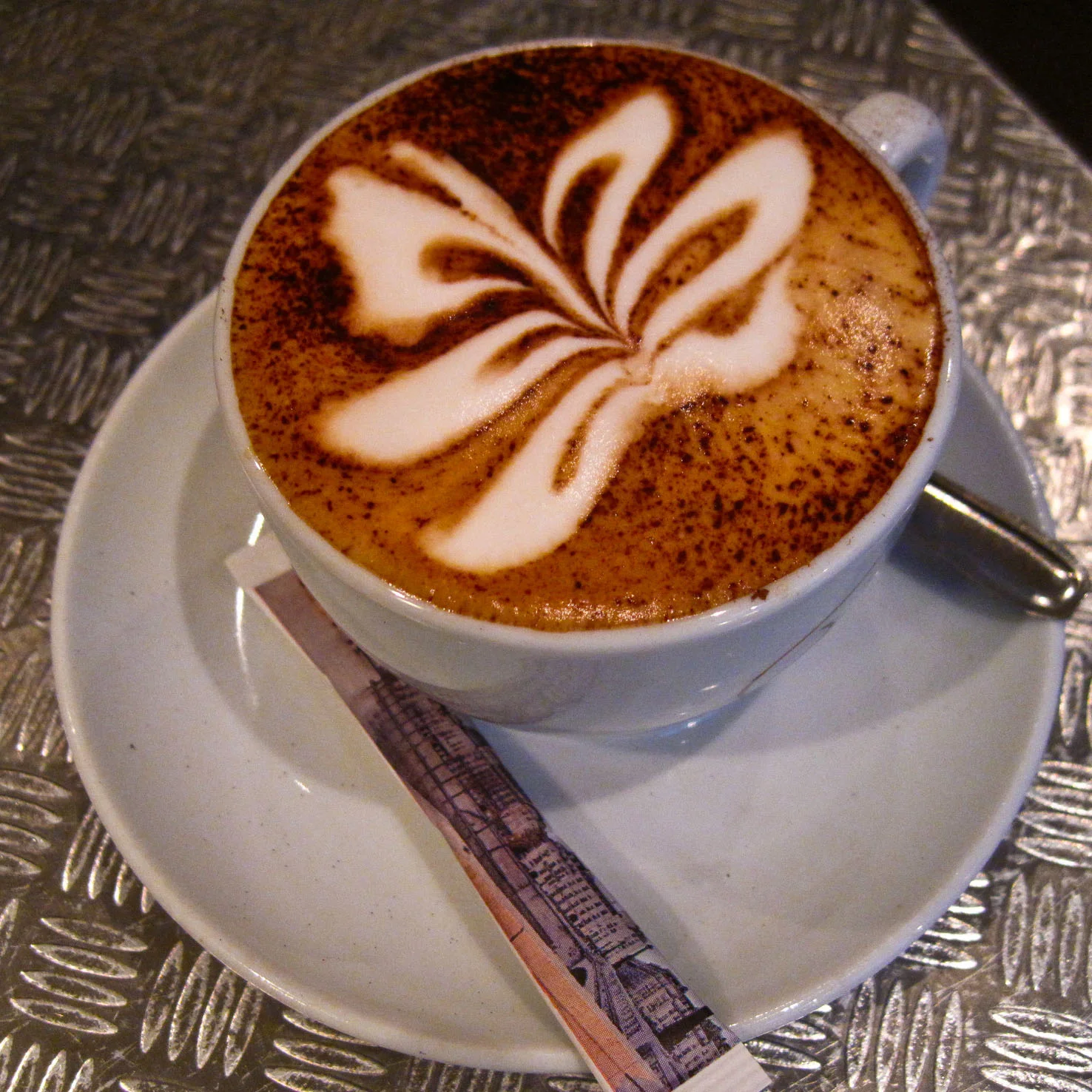
Cafe Myriade

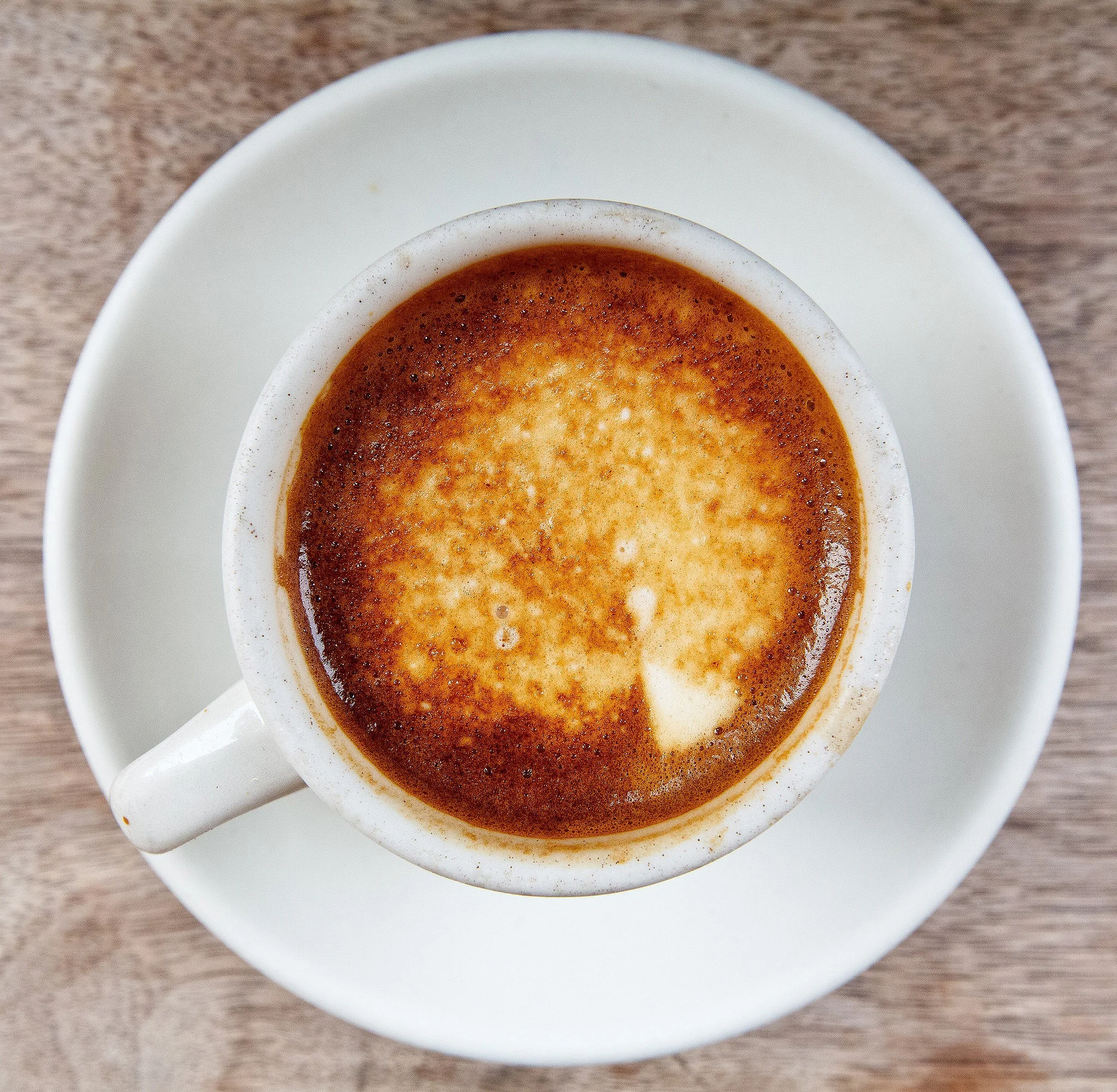
I've been in Montreal for just over two weeks now and when I haven't been coding, I've been eating. The one place I find myself returning to almost daily -- sometimes even twice a day -- is a small cafe around the corner from where I'm staying. Its name is Cafe Myriade, and it has the best coffee in the city. Myriade is owned and operated by Canadian National Barista Championship finalist Anthony Benda and his business partner Scott Rao author of The Professional Barista's Handbook. Its drip coffee, espresso, cappuccino, macchiato, eva solo, and french press are nonpareil. Its syphon coffee is also at the top because, well, it's the only place in the city that does it. But also important is the atmosphere, one that just makes you want to come back. Or, maybe that's the caffeine speaking. Probably both.
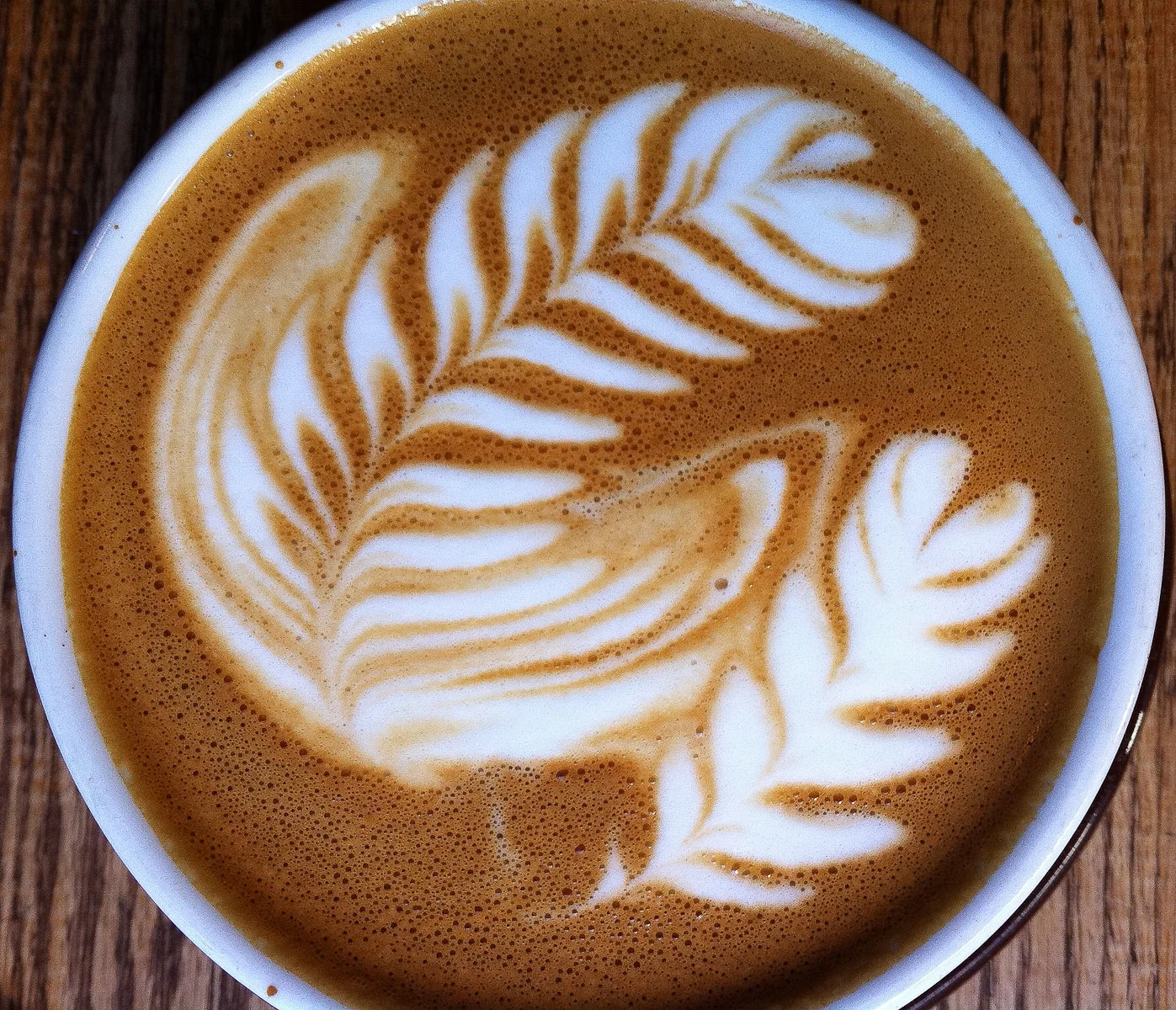
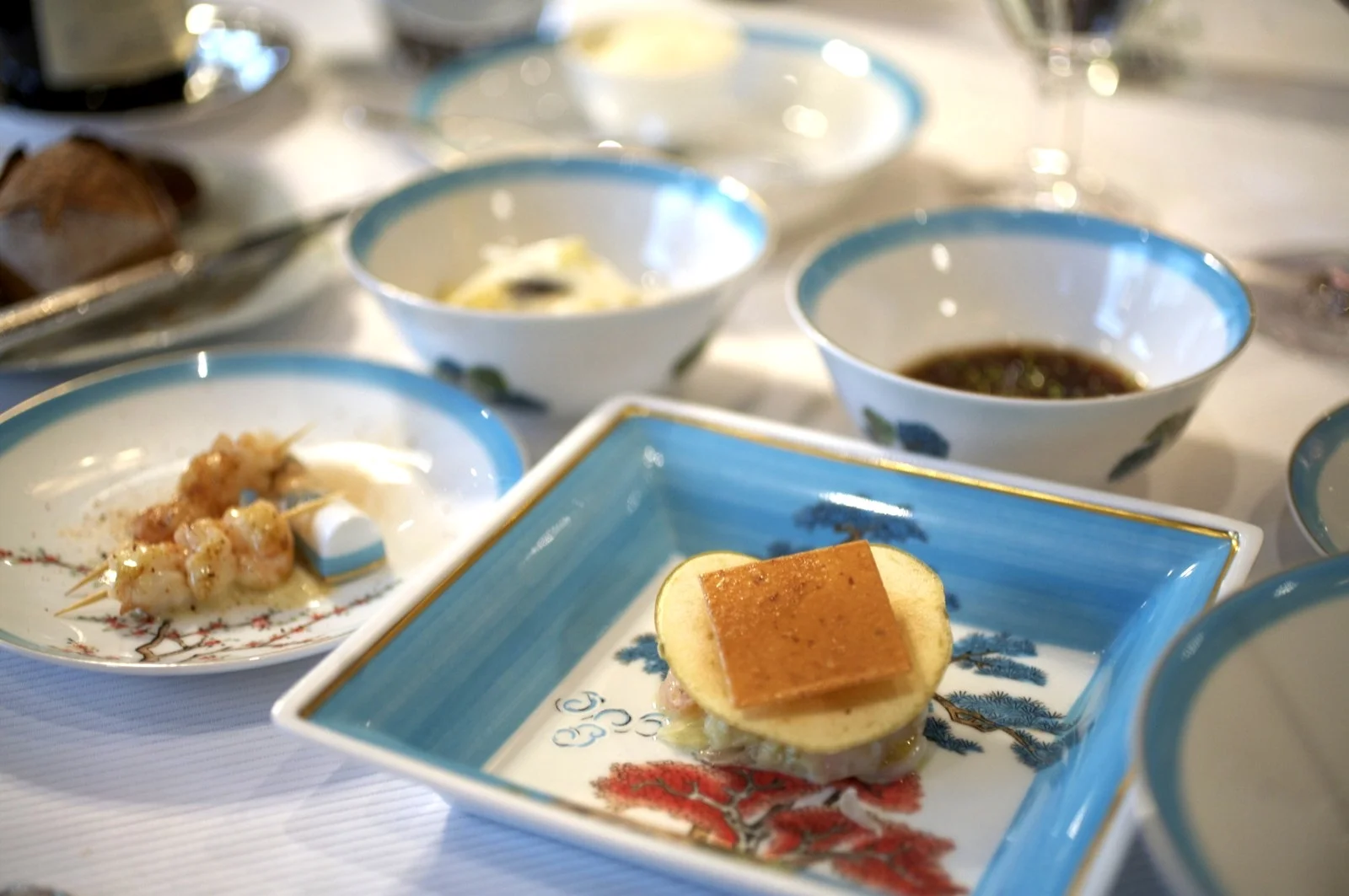
Pierre Gagnaire

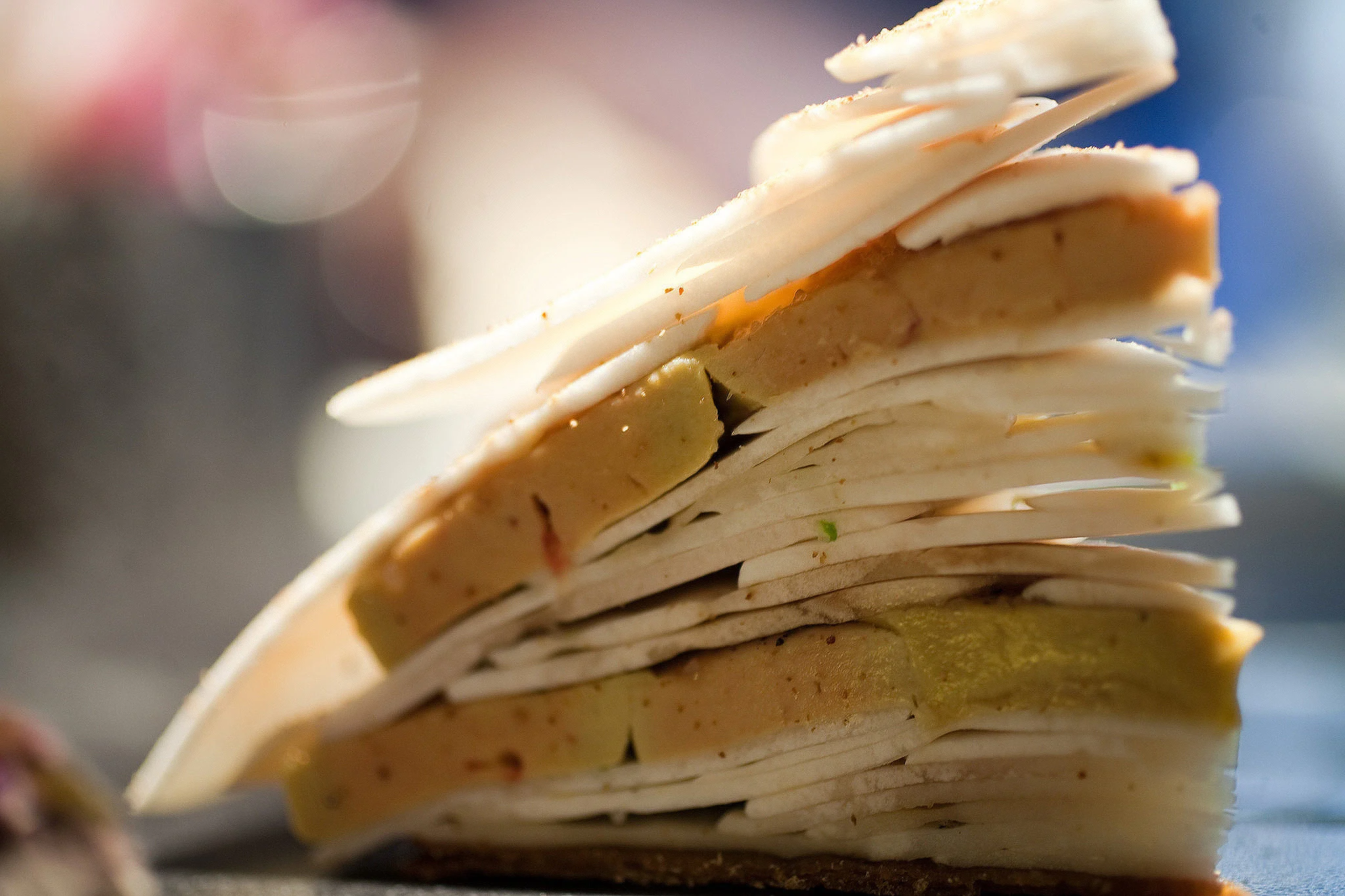
It seems to be a common theme with Parisian Michelin 3-star restaurants: due to pricing and the general difficulty in obtaining reservations, most are geared towards consistency at the expense of risk-taking. This means that most dishes will be excellent but few will be mind-shatteringly delicious. Lifetime memorable dishes take experimentation, precariousness and uncertainty, three elements embodied by a capricious and whimsical chef. Pierre Gagnaire is one of these colorful chefs. Sure, the restaurant has a menu. But ordering from the menu here is a bit like asking Monet to draw a stick figure: it's restrictive and doesn't take full advantage of the chef's creativity. The best way to experience Chef Gaganaire's cuisine is to ask the kitchen to cook for the table without restriction. At least that's what I'd heard from regulars ... but maybe their last visit was quite some time ago as this is becoming less and less possible since Chef Gagnaire spends less time behind the stove. Apparently this can make the difference between an extraordinary experience and a disappointing one.

L'Astrance

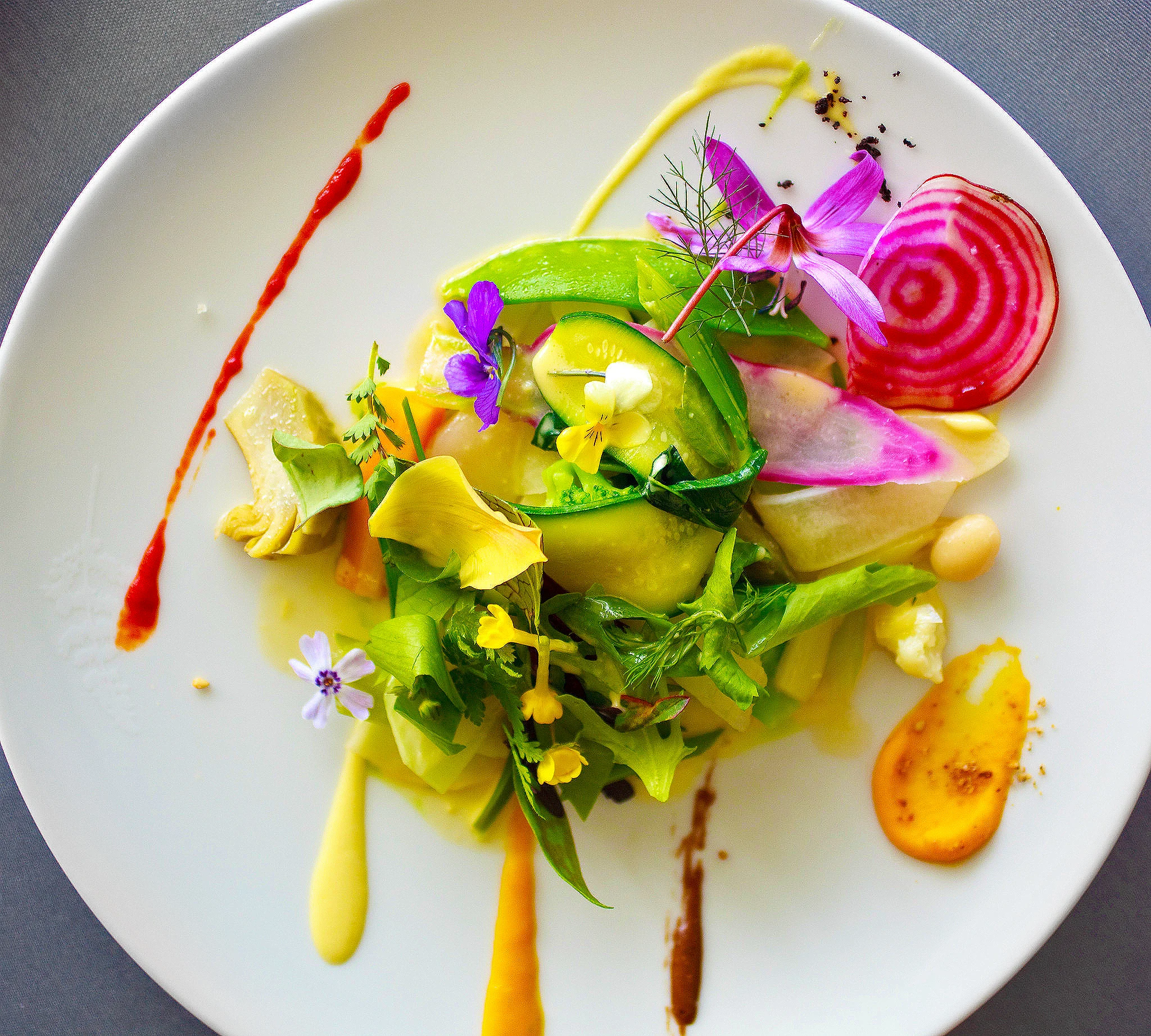
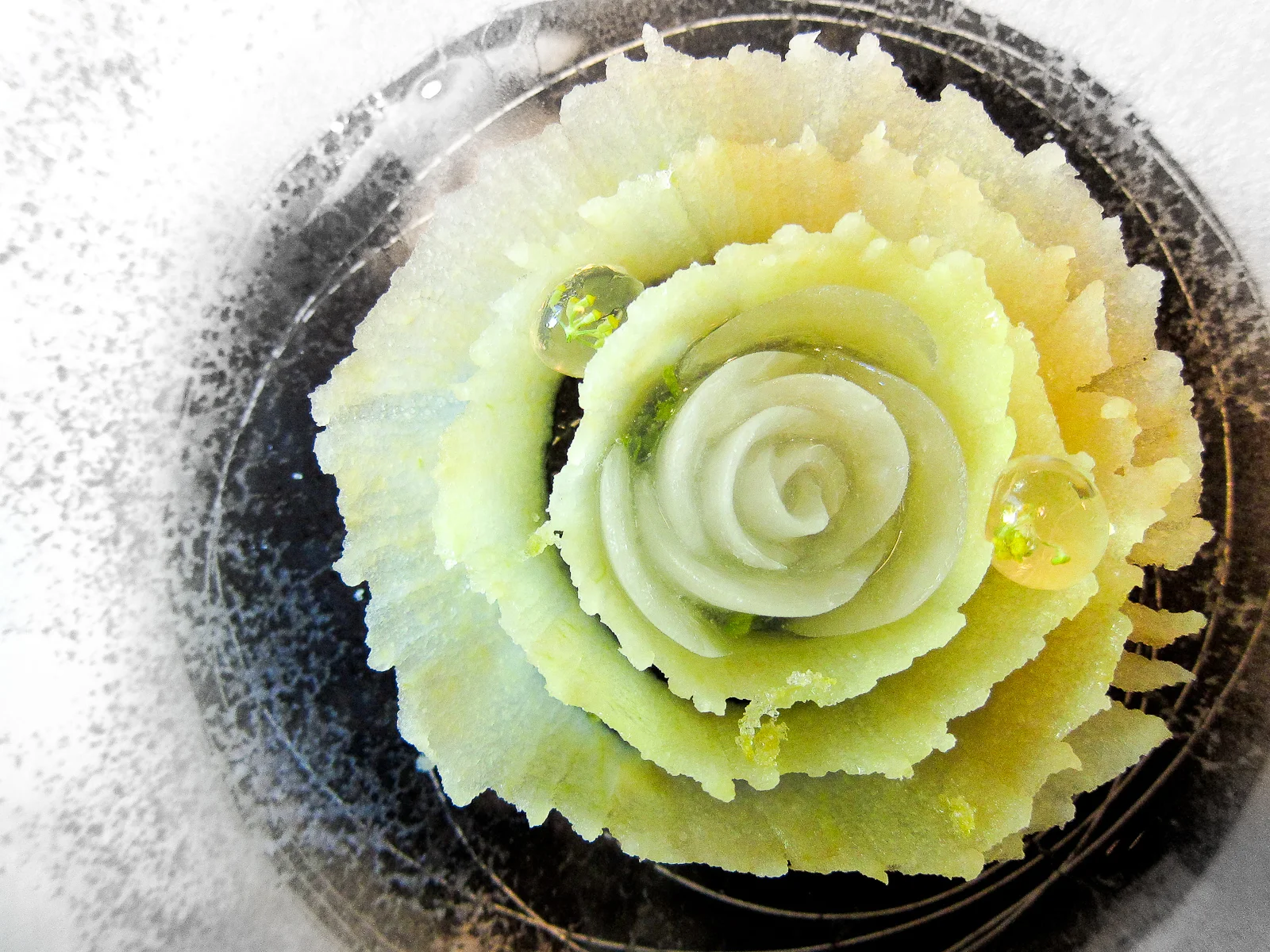
I'd always considered French cuisine to be stagnant and unchanging: thick mother sauces blanketing filets of meat and fish with fancy adornments. It was when I actually lived here for a few years that I discovered the new wave of French cuisine led by garden fresh vegetables and lighter preparations. Mother sauces were on vacation. L'Arpège quickly became the restaurant spearheading Paris's back-to-the-garden movement. L'Astrance peaked my interest when I heard of the restaurant's compulsiveness for fresh vegetables combined with its ability to integrate elements of molecular gastronomy: spherification, foams, and non-traditional flavor extractions made this menu really exciting. Here was a young and extremely talented chef, Pascal Barbot, who went from one Michelin star to three in just under seven years.

Michel Bras

I'd wanted to go to Michel Bras for a long time. Years, really. But it wasn't exactly easy to get there. When I moved to Paris, things became easier, but not by much. The restaurant is a 10-hour train ride from Paris, followed by an hour taxi. The ride back would be a night train. Aside from all that, reservations were difficult. When I called in March, they were fully booked until May. After weeks of persistence and a bit of luck, there was a last-minute cancellation. I was in. Given the distance to the restaurant, I decided to make a weekend out of it. I'd arrive Saturday afternoon and leave late Sunday night to catch the night train. This would enable me to order the entire menu pace myself to better understand the cooking of Chef Bras. 36-hours of Bras would mean two dinners, a breakfast, and a lunch. I was more than ready.

Abraço Espresso

It would be difficult to call Abraço a coffee house, let alone a shop. While it is about the size of a small closet, Ab Abraço is home to the finest espresso equipment in the industry. Don't let the stacked New York Greek take-out coffee cups, hanging aluminum pots, and scratched plexiglass display cases graffitied with the day's specials fool you: this place serves serious coffee. Underneath the hodgepodge of baking accessories are individual clay drip pots and brown sacks of Arabica beans all of which surround the space's centerpiece: the luxurious Florentine La Marzocco espresso machine accurate to 0.1 degrees Celsius. The bar's skilled co-owners, Jamie McCormick and Amy Linton, were former baristi at Blue Bottle and Ninth Street respectively. They know how to pull espresso.

Mercado de Cholula

Sunday mornings in Mexico are strange. It's apocalyptically silent: streets are empty, stores are closed, even stray animals are too tired to roam the alleys. The only sound that can be heard is that of church bells, and it's pretty much a guarantee that even there, most of the people are hung over. It's Sunday, a day of rest and a time to spend with family. Things are slow-paced and laid back. One place is an exception, however: the local market. Almost all towns have some form of a mercado central, a market where fresh local fruits and vegetables are sold, as well as an abundance of smoothies, snacks and homemade foods for comida. While the rest of the city is asleep, the football-sized market rings with knives chopping, customers shouting, and and the satisfying sound of hundreds of crisp tortilla shells cracking all at once.

The closest market to where I've been staying here is the Mercado Central de Cholula. It always has something great on the menu. While it's open every day, Sundays are the busiest which means fresher foods: things sit for a lot less. Vendors sell fresh pico de gallo and deep-fried chicharrones made to order.

Combal.Zero

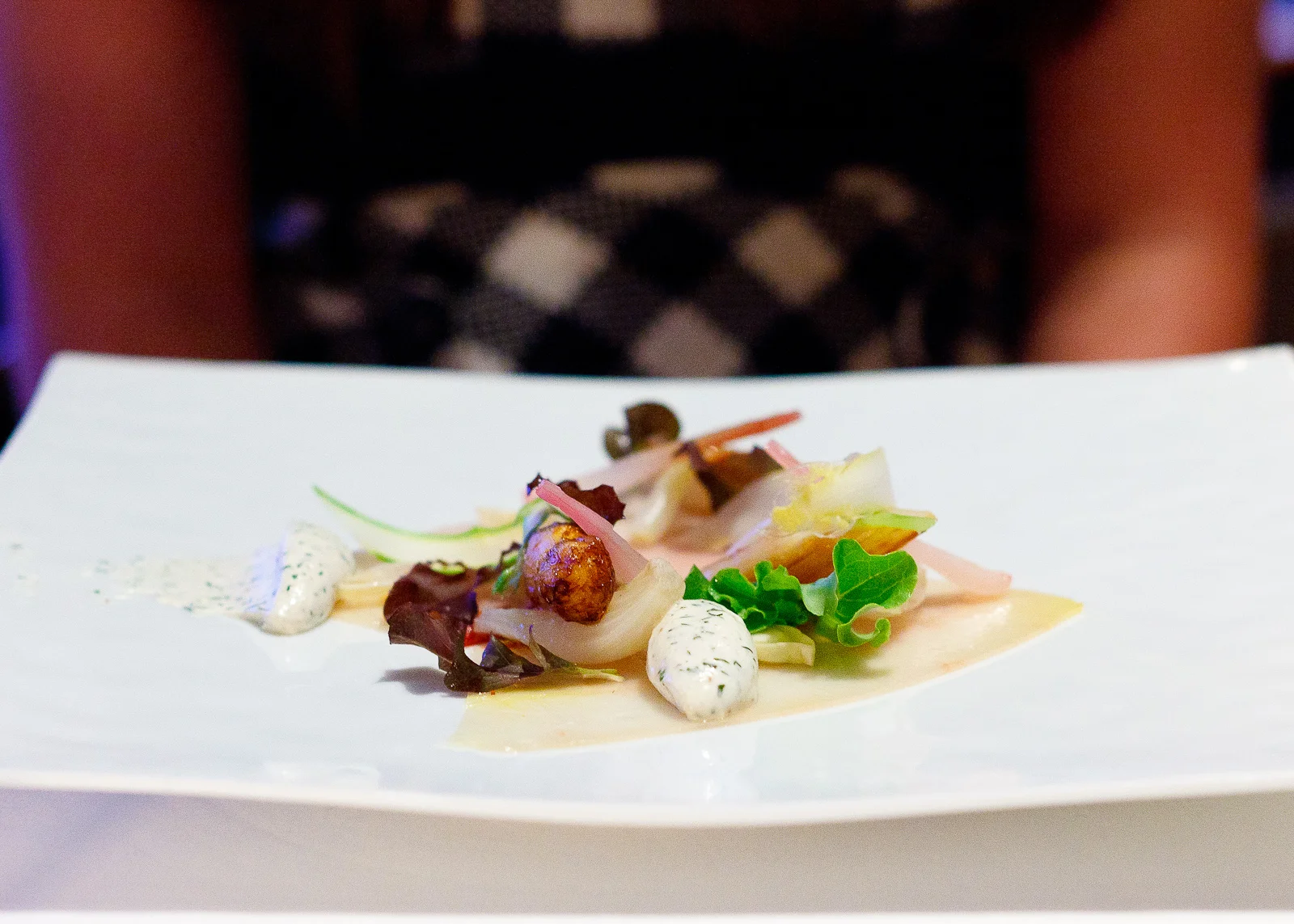
As an ultra-modern restaurant located in Northern Italy's seventeenth century Castello di Rivoli, Combal Zero at first appears as a place of contradiction. This is because Scabin is often misunderstood. The words spoken of his cuisine bounce between traditional and modern, trite and inventive. Some go so far as to say he is a mad scientist concerned with superficial appearances and technology while lacking attention on flavor. After my meal, I strongly disagree. Scabin, it appears, likes to have fun. And he thinks his diners should, too. Located in a suburb of Torino, Combal is not the easiest restaurant to get to. As I exited the subway and ventured towards the restaurant, I battled for thirty minutes against an intense downpour up steep and winding hills until finally, the large glass walls overlooking the modern art museum greeted me like a light at the end of a tunnel. I arrived soaking wet, but the warm and friendly staff masked the squeak of my shoes with laughter and grace.

Pujol

I've always liked Mexican food. But it wasn't until I actually visited Mexico, or more specifically met my girlfriend, that I learned what Mexican food really was. This was a cuisine without sour cream, chicken fajitas, "hard" shelled tacos, or tortilla salads. What I had thought was Mexican was actually Tex-Mex. Instead of piling on generous toppings as a mountain of salsa, guacamole, and cheddar cheese, the tacos I encountered were thin, delicate, and rarely adorned with more than a single sauce. In fact all the antojitos were smaller and simpler in comparison. On the other end of the spectrum, I learned, were the elaborate moles which sometimes have over a hundred ingredients. This is a country whose immense diversity of food spans from north to south, from the street into the restaurant. What makes Pujol special is its talented young chef, Enrique Olvera, who takes these nostalgic Mexican dishes, de-constructs, improves, and later re-assembles them for the dining room.

Croissants aux Amandes

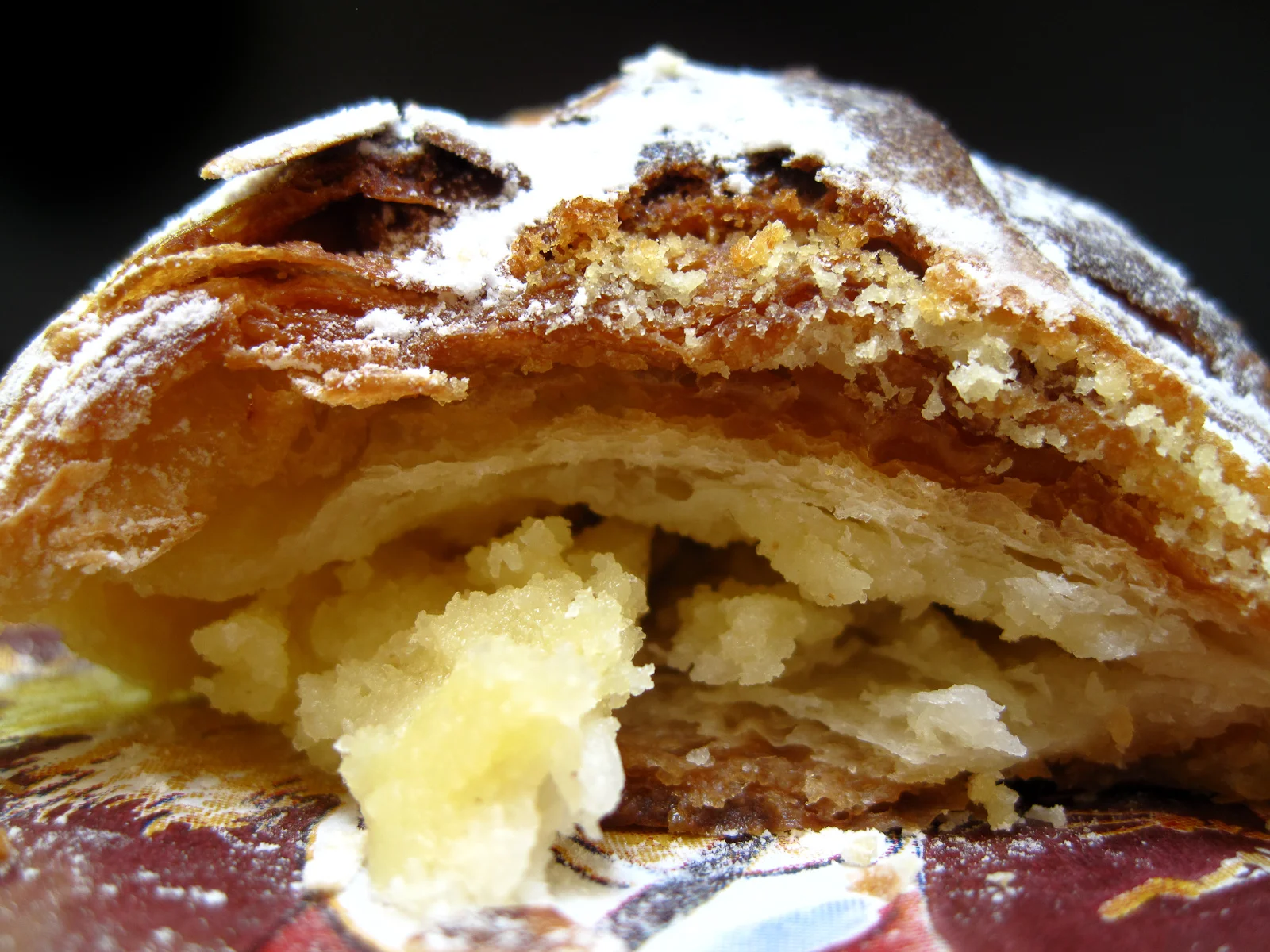
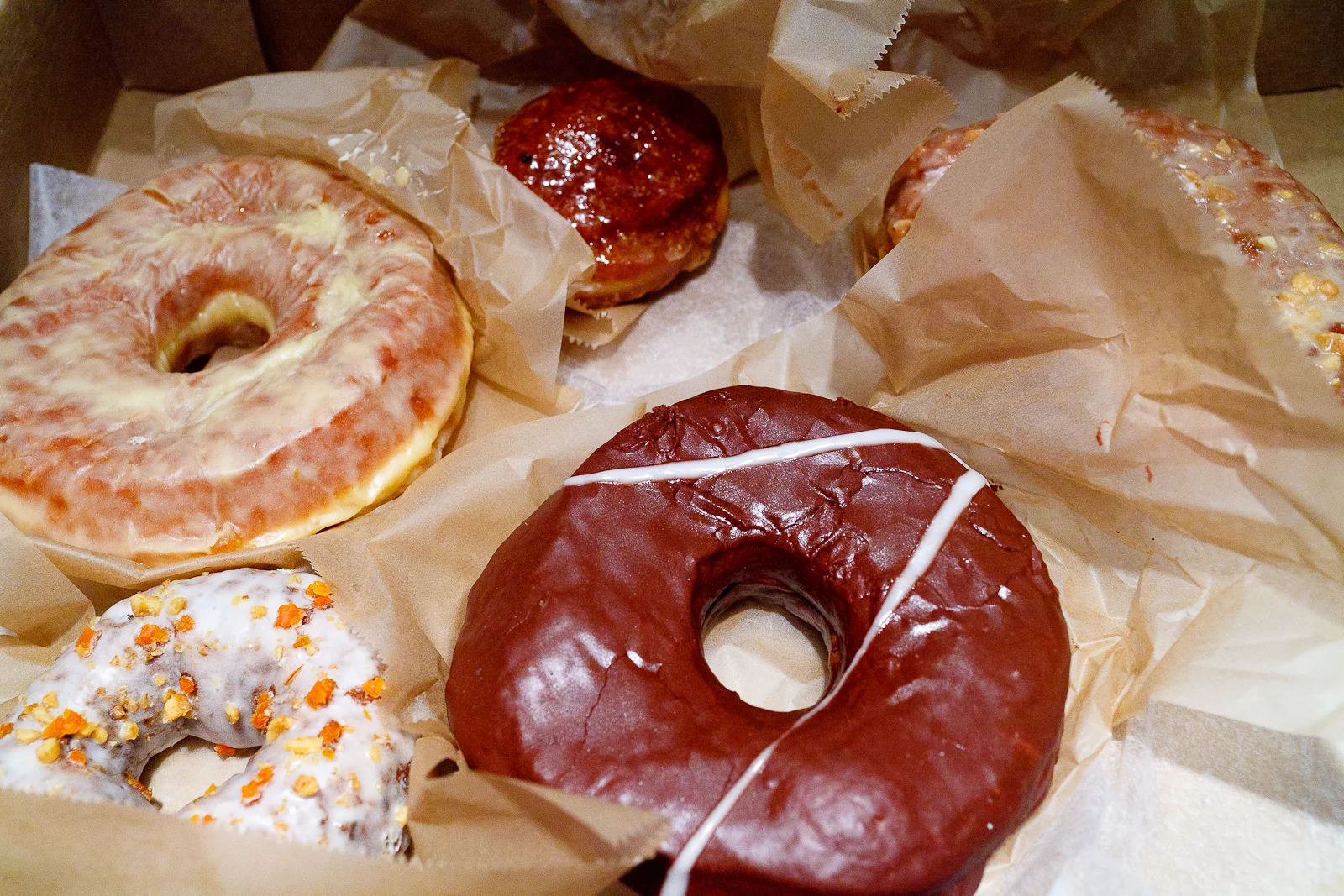
Ever wonder where the millions of unsold Parisian croissants go? The shelf life of a croissant is about four hours, which is why bakeries should never be visited after 10am: the croissants become hard, dry, and brittle. But the French, it seems, are very good at recycling. A day's old croissant is more often than not turned into a brand new sugared almond croissant by adding a layer of frangipane, sprinkling with confectioner's sugar, and re-baking. And for those who like sweet pastries, they can be quite tasty. For this tour, I visited the pâtisseries best known for exceptional croissants au beurre, with the thinking that the croissants aux amandes would be equally impressive. In general this held true, though there were a few surprises along the way. I started this journey without a sweet tooth and by the end, finished a few pounds heavier. Warning: this is not a post for dieters.

L'Ambroisie Revisited

I wrote about L'Ambroisie a few years ago here. At that time I wasn't sure what to make of the restaurant. On the one hand, I experienced tremendous difficulty making a reservation. And when I actually showed up the night of my reservation: I was turned away. The staff didn't seem that friendly. On the other hand, once I actually experienced the cuisine, the black truffle feuillantine haunted me for years after. I've since lived in Paris for nearly three years. While the restaurant may have evolved a bit since my first meal three years ago, it was I who changed the most. My expectations of a Parisian restaurant are different now. In the US, a meal at a three star Michelin restaurant is often reserved for special occasions: birthdays, anniversaries, congratulatory dinners and the like. The restaurants cater to the food as much as they do to customer enjoyment: they make guests feel special. Things are different here. Aside from say Guy Savoy, the impromptu gifts and unexpected culinary surprises such as tours of the kitchen, chef handshakes, and take-home goodie bags are severely limited. Ego-stroking is almost non-existent. Here, the fine dining ecosystem is designed for regulars.

The Breslin

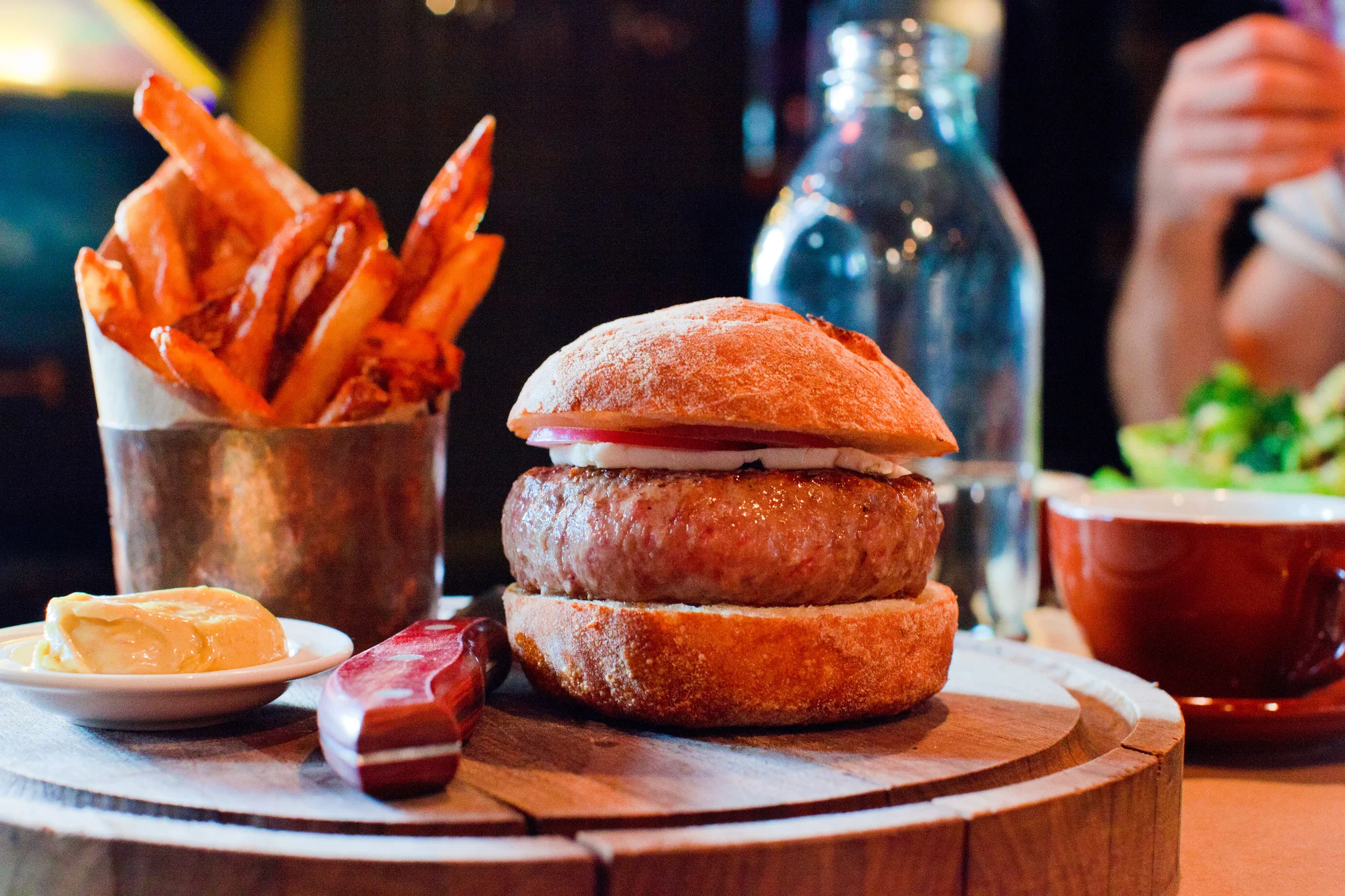
The Breslin is the restaurant of New York's Ace Hotel. Part vampire's billiard room, part dot com entrepreneurial hangout, The Breslin is a mix of well-dressed diners in a dark and cavernous space which, despite the large North-facing windows, absorbs all natural light making it seem like a perpetually rainy day. The clientele is young and almost uncomfortably homogenous, a mix of caucasian and Asian. The atmosphere is one of exclusivity -- there is always a wait for a lunch table.  The young and hip staff, a little cold at first, is pleasantly warm and friendly after opening up.  They're really good-looking, too.  There is no way that they eat from this menu daily. Perhaps in an act of rebellion, the restaurant serves little to no healthful options. Even the weekend brunch low-fat options are sky high in sugar and refined carbohydrates. The menu, in fact, is rigidly carnivorous. An attempt to substitute or modify a dish will be met with a blank stare of disdain, but quickly followed by a tempered smile and a frown of calculated impossibility.

El Bulli

It's an understatement to say that getting a reservation at El Bulli is difficult. During the two and a half years that I lived in Paris, I emailed the restaurant on a nearly weekly basis during season asking for last-minute openings. And everytime I received the same semi-automated reply: No. When I learned of the restaurant's closing in 2011, I became even more anxious. Unfortunately, all I could do was pray. Counterintuitively, I decided this year to pick a specific date and time, instead of indicating my open availability for the entire season. Since El Bulli does their scheduling all by hand, this specificity actually may have facilitated my acceptance. Then one early morning in March, I received a pleasant surprise from the dining room manager:

We apologize for being late giving you an answer. The demand has been extraordinary and [it] is difficult to go on with the management. We have found a solution and If you wish we have a reservation option for you.

The date I was assigned would be nearly a year in the future. But the clouds parted, and I was officially etched into the book of heaven. Now I just had to figure out how to get there.

Gocce di Caffè

Paris has a lot things, but great coffee sure isn't one of them. It's a bit counterintuitive to think that since Parisian café culture is so prominent. Images of sitting outside in wicker chairs in the cold winter under a gas heat lamp sipping a steaming hot drink in the smoke-filled air remind me very strongly of the city. Except that image is all about the ritual, not about the drink. Paris has a strong café culture, but lacks a coffee culture. It's incredible that a food-oriented culture which values so heavily elaborate sauces and delicate soufflés, can completely disregard the methods by which to properly prepare an espresso. Even simple ones. I was once thrown out of Café Amazone for suggesting that the doddering owner/barista use the tamp to compress the ground. He instead insisted on using the tamp as a measuring device, compressing the coffee into a spoon, and pouring the loose beans into the portafilter. Even La Caféothèque de Paris and Verlet, which both have fancy La Marzocco equipment and all Arabica beans disappoint. The city is like a parallel universe.

A lot of blame often gets put to the use of Robusta beans versus the more aromatic Arabica. France is able to import these beans from former African colonies at much less cost than overseas Arabica varieties. But frankly, I'm tired of this as an excuse. Even mediocre beans can taste reasonable when prepared correctly. With espresso, 85% of the flavor comes from the process and technique, not the ingredients.