Signature

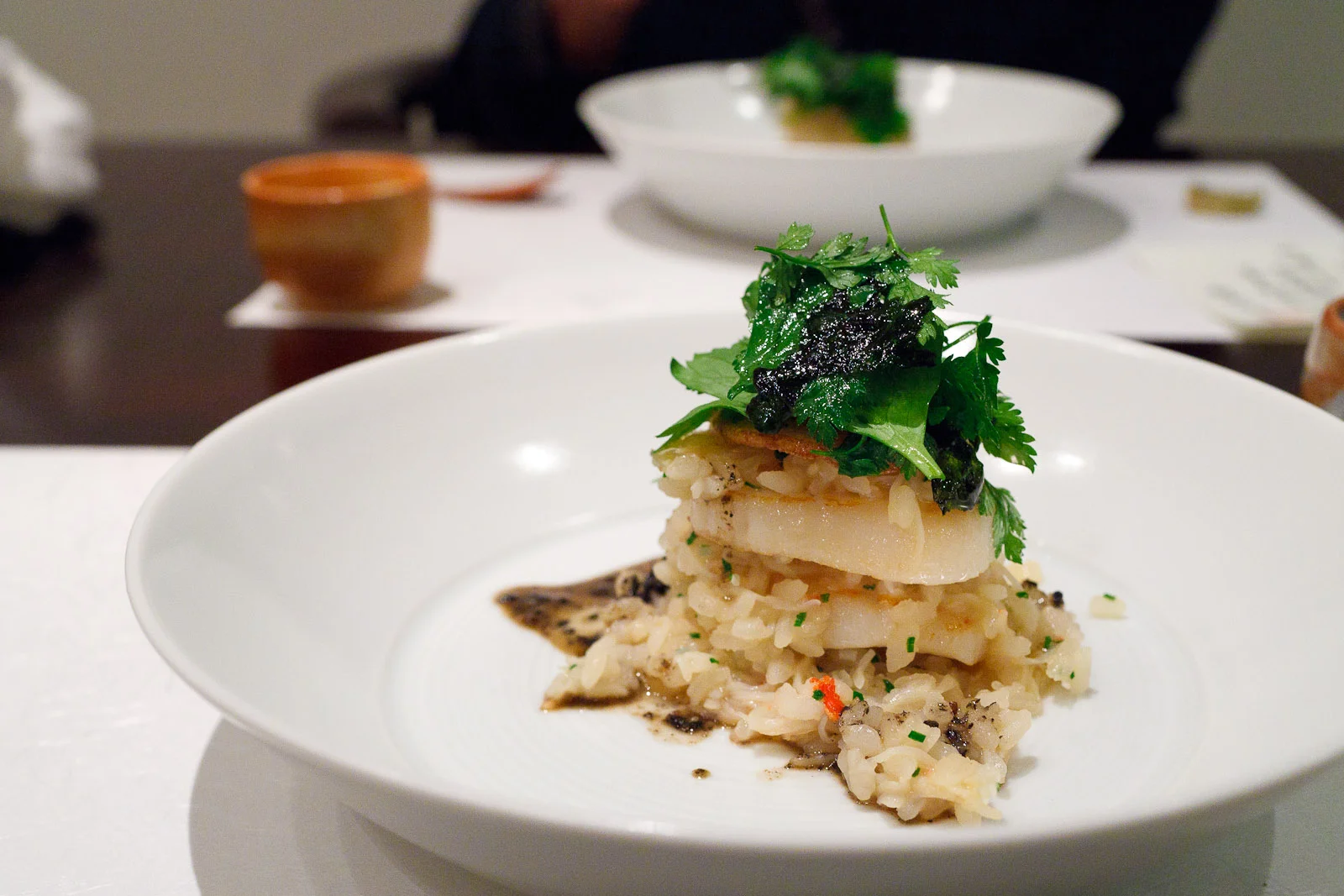
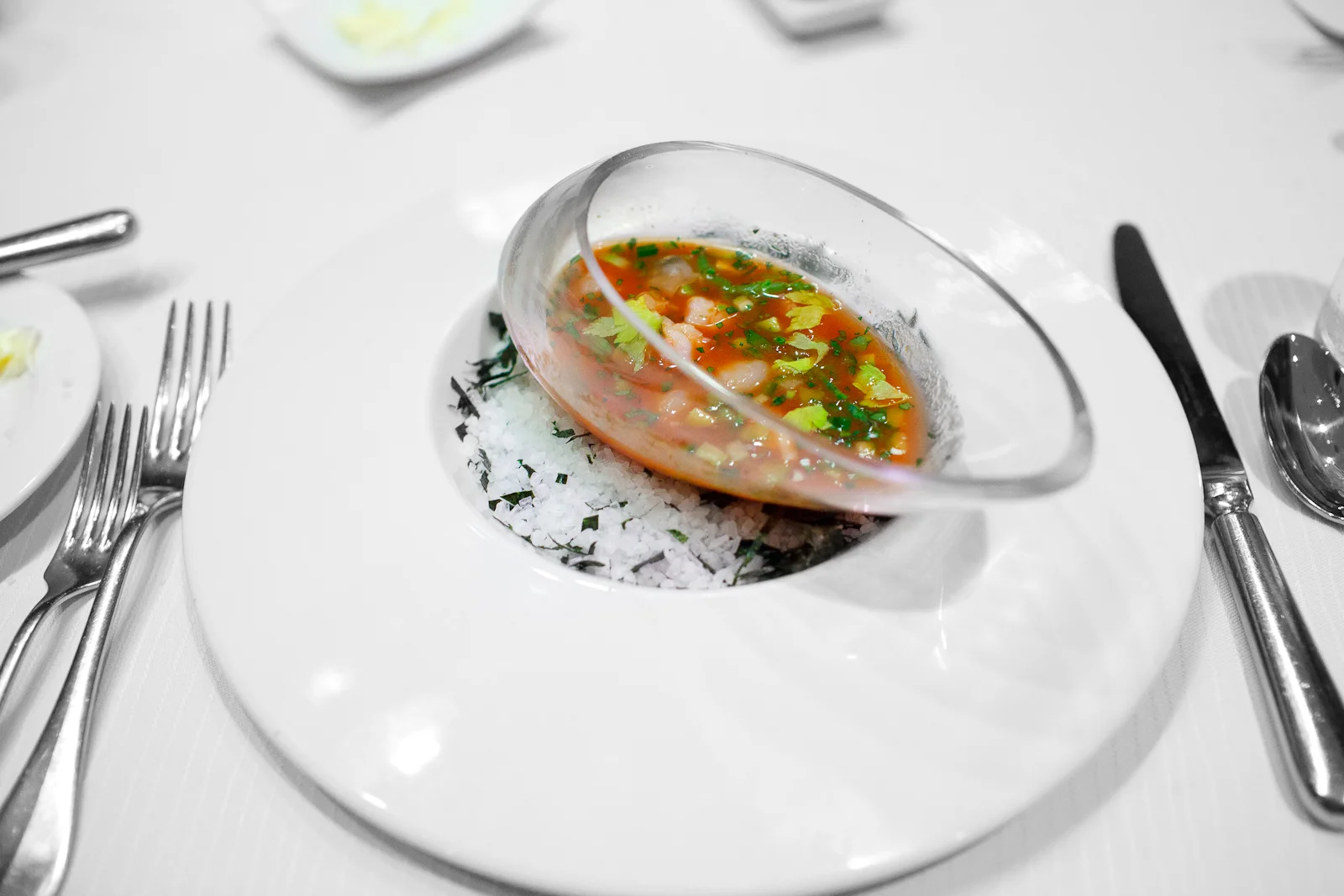
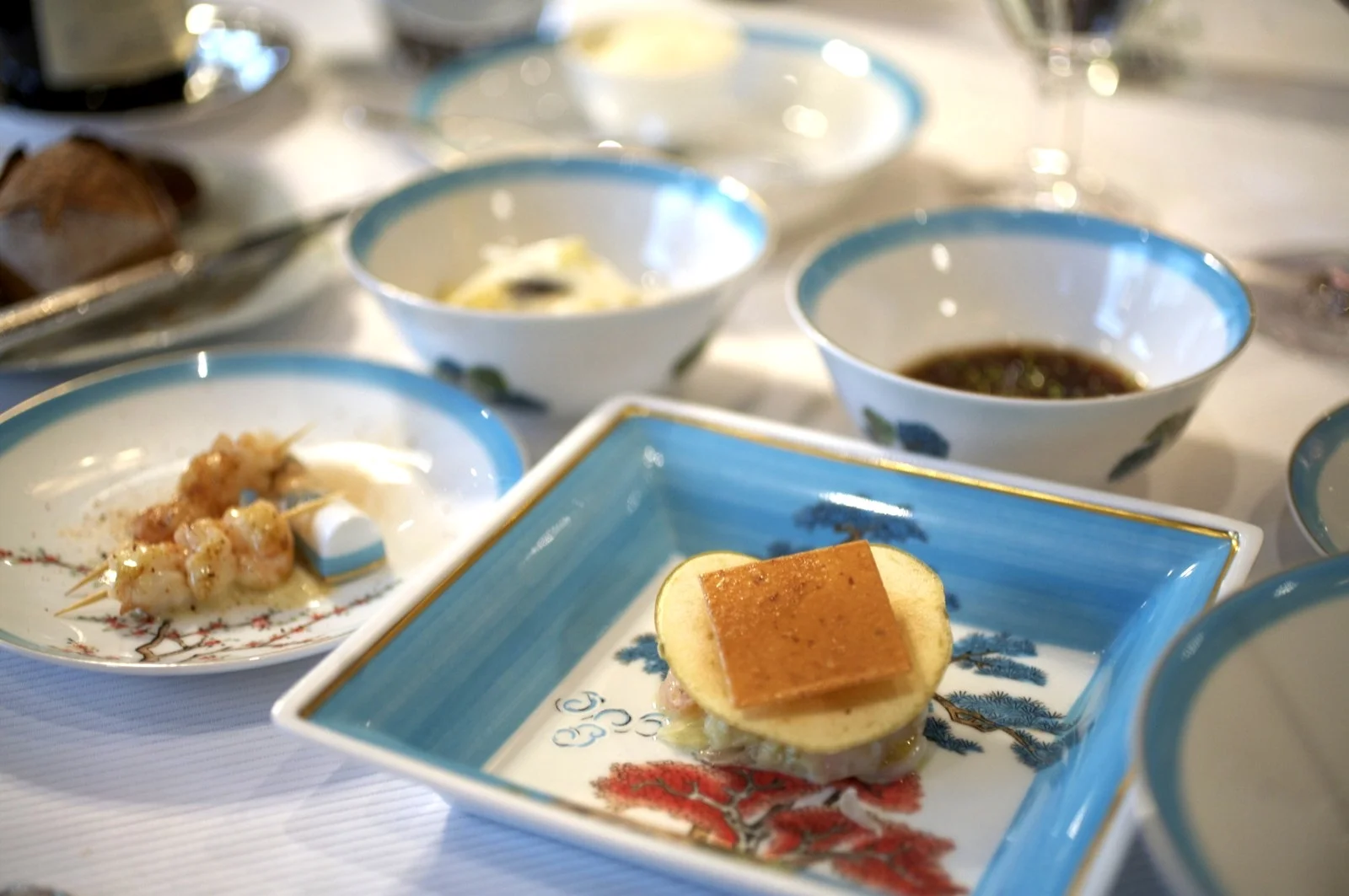
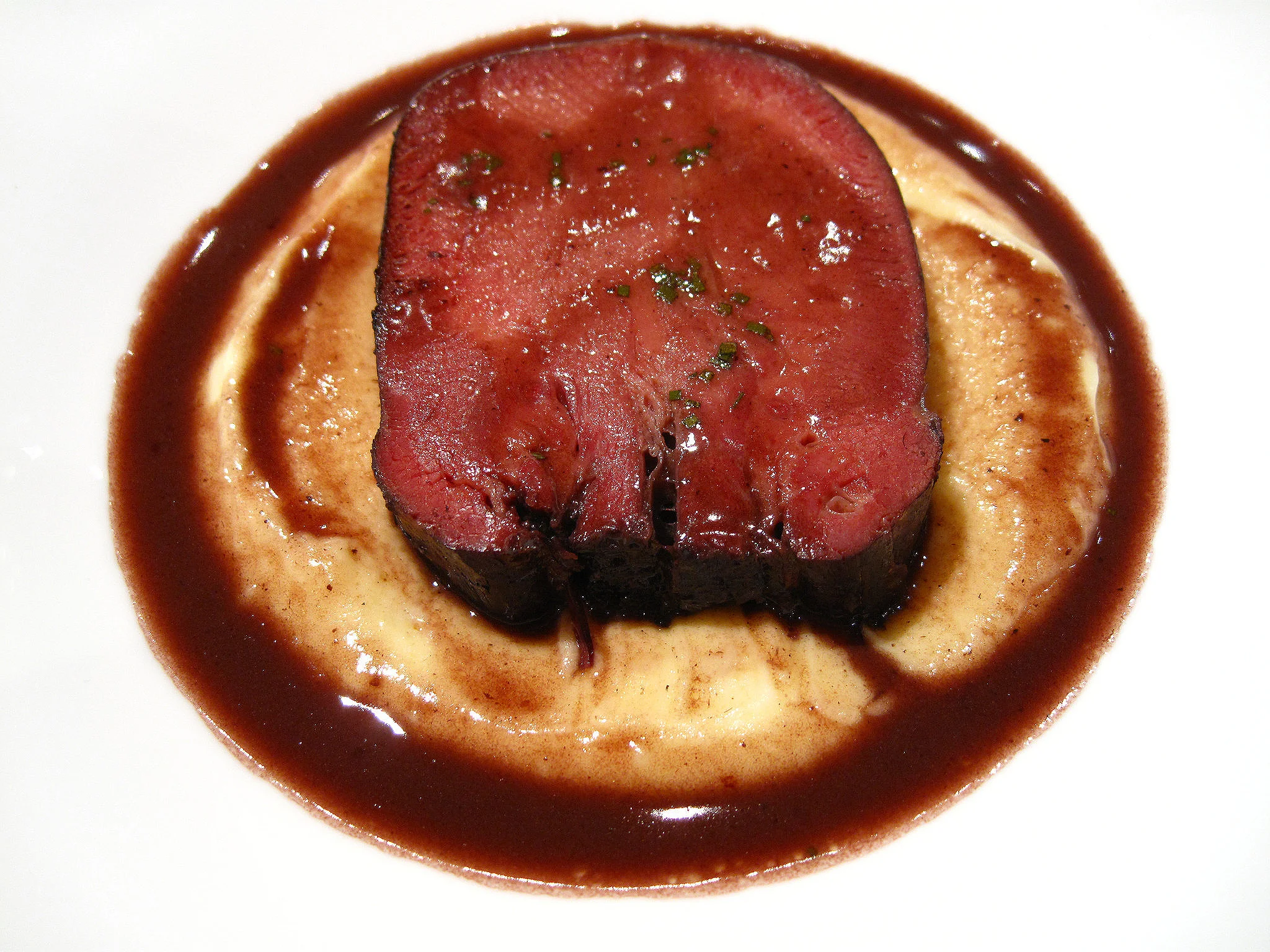
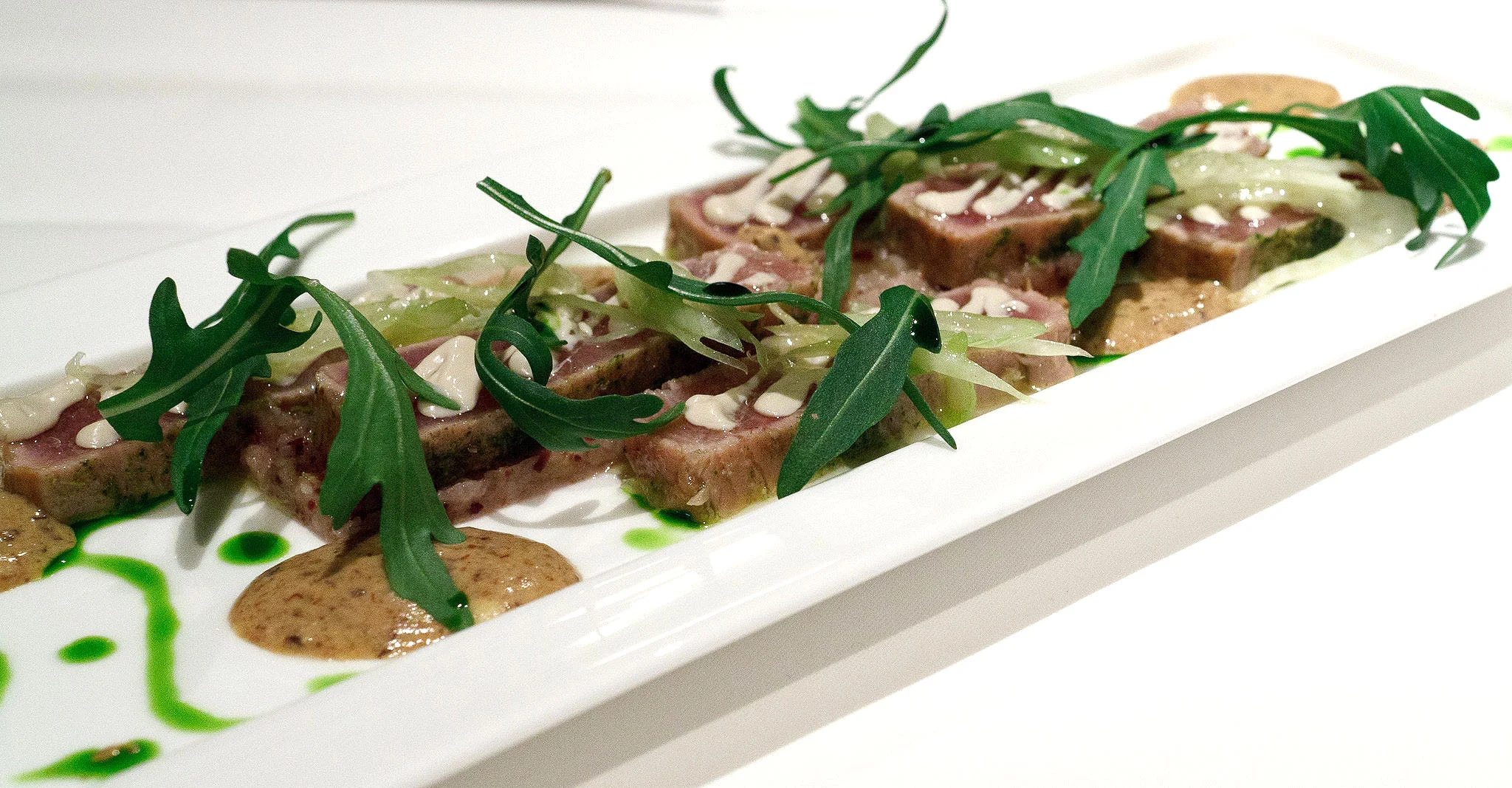
Signature is the home of chef Olivier Rodriguez who formerly worked at the Tokyo location of Enoteca Pinchiorri. His menu read straightforward with two tasting menus and an à la carte section. The tasting menu seemed like a little much since my body still thought it was seven in the morning. So we ordered a few of dishes from the à la carte section and decided to split them. Well, maybe we ordered a lot of dishes. The exorbitant prices are justified (somewhat) by the exquisite view. We were lucky enough to have a window table, and maybe it was the jetlag but I felt like I was eating on the edge of a cliff. My eyes were in awe of the view: thousands of red lights flickering atop the Tokyo skyline.
Bear Pond Espresso

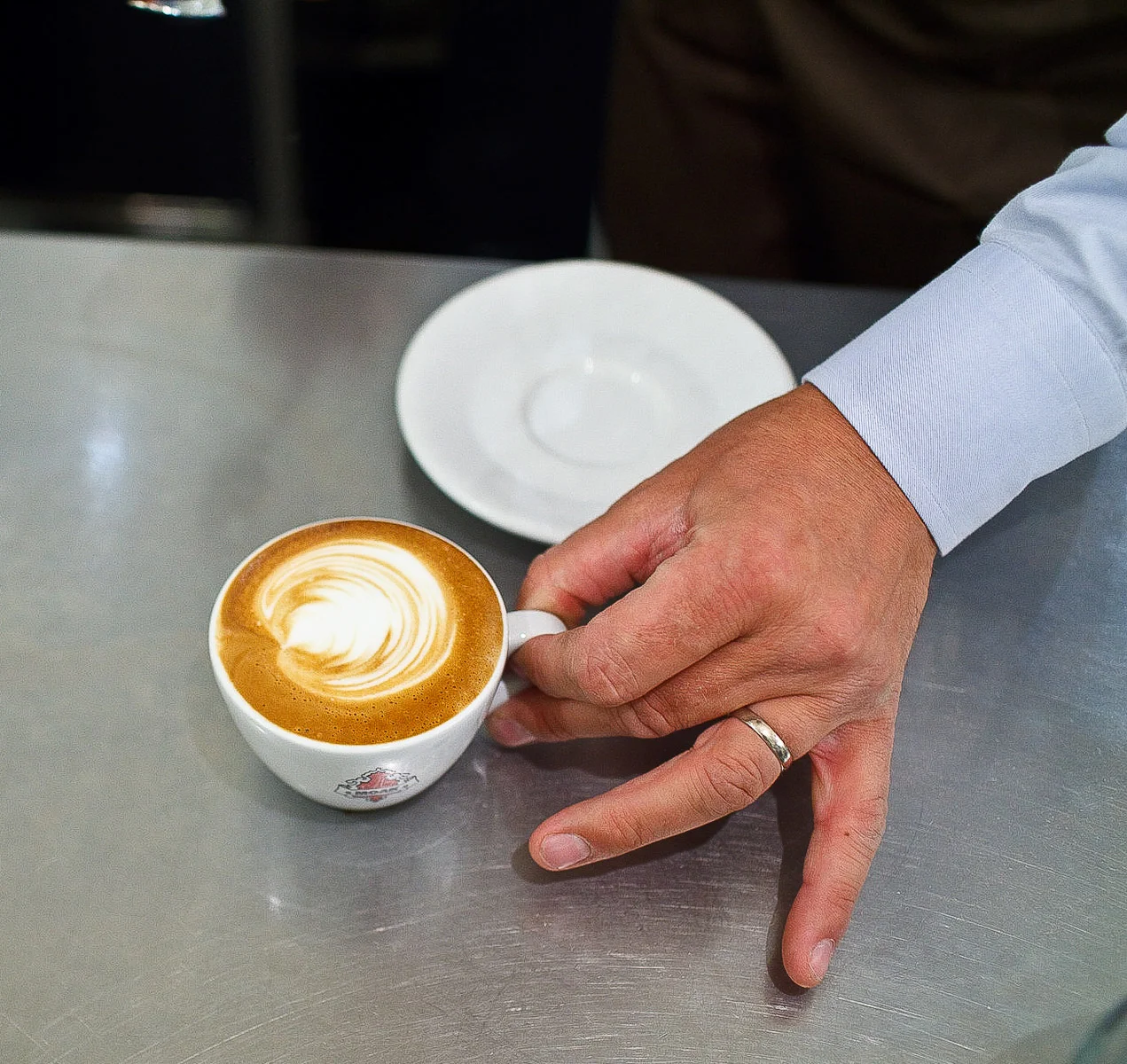
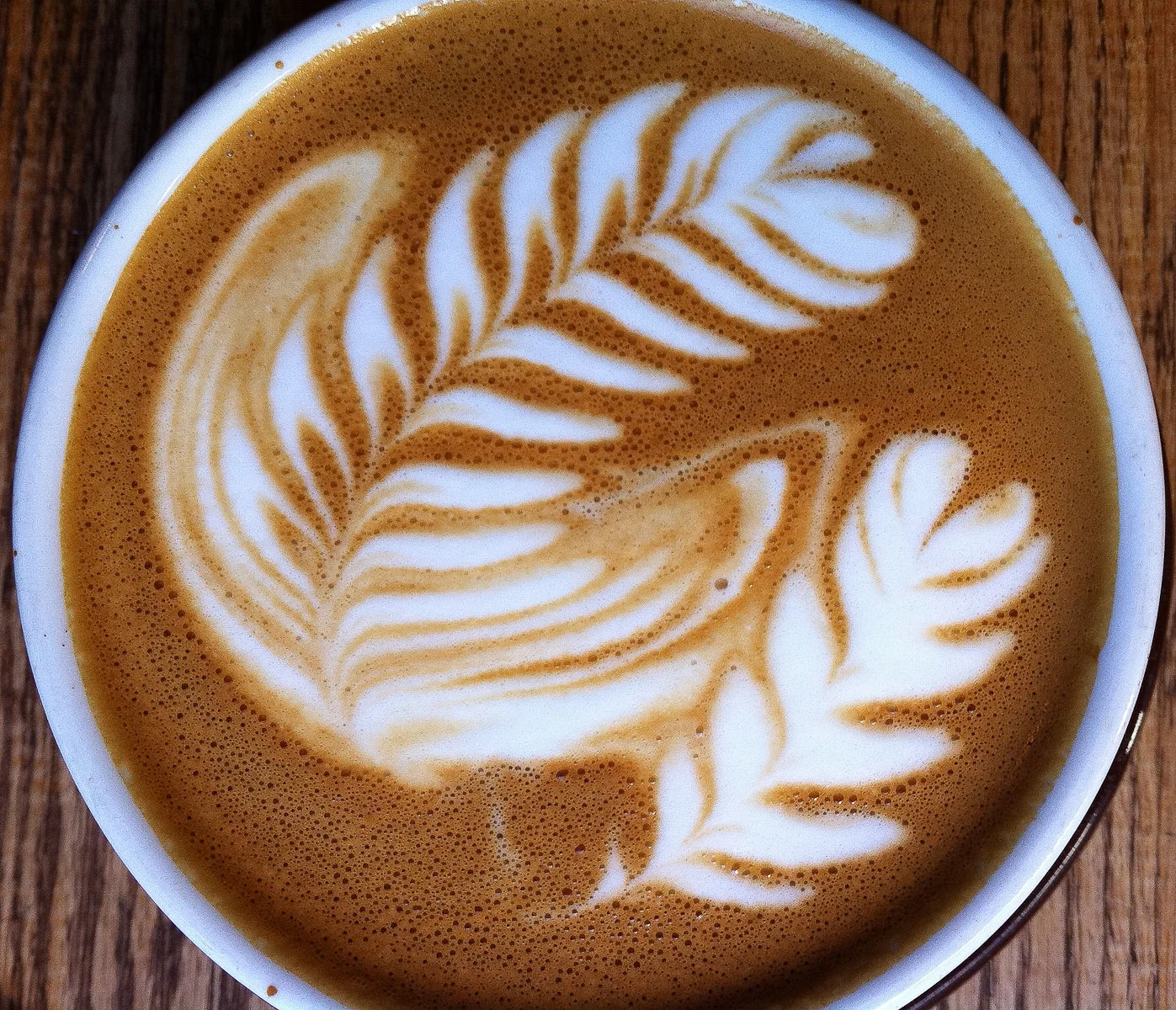
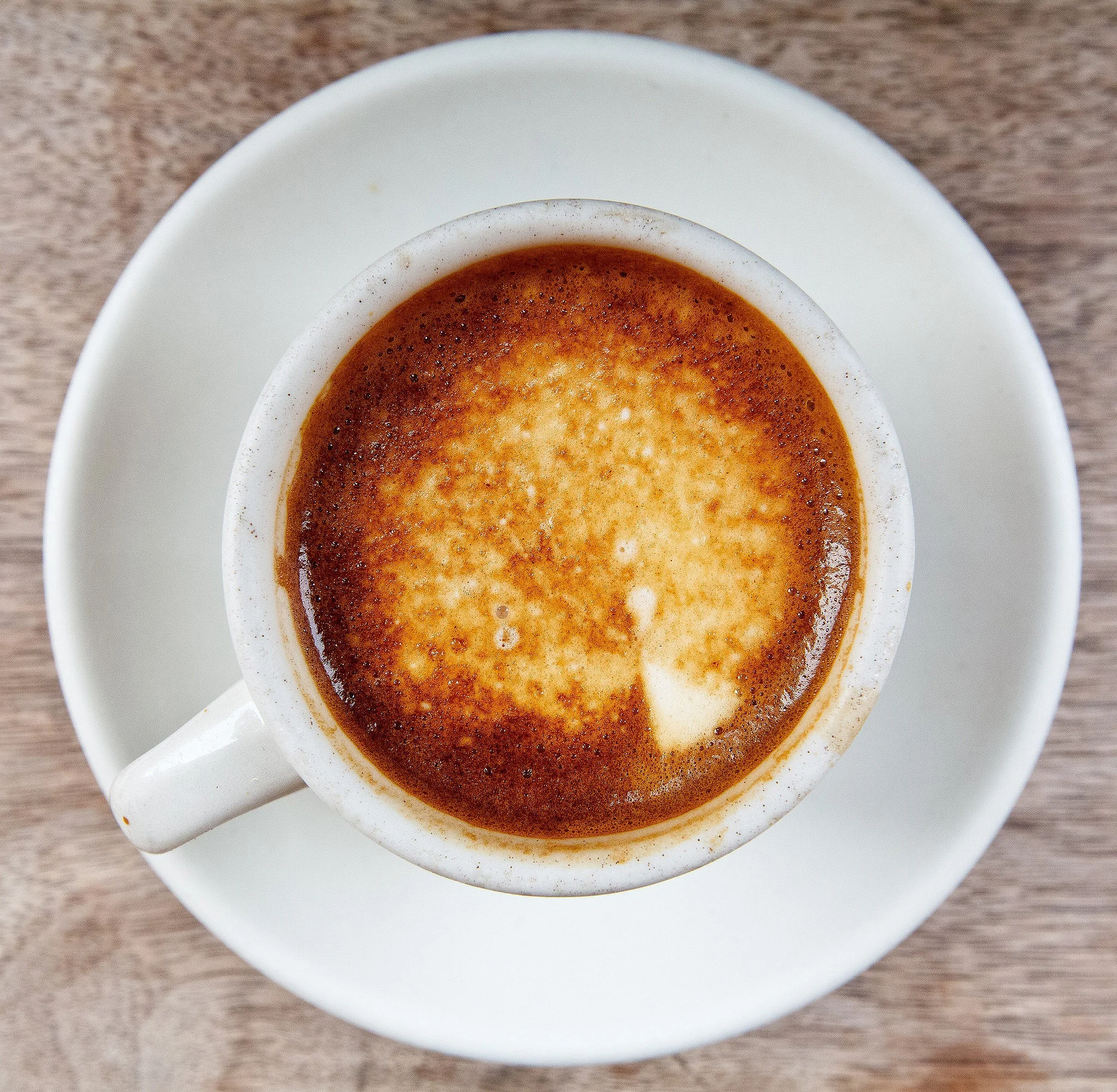
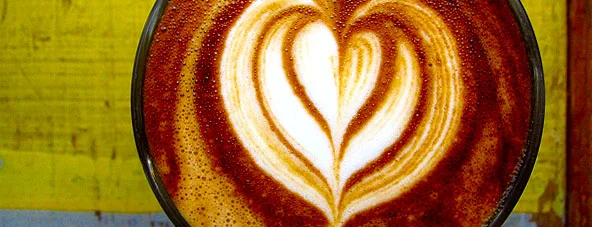
The last time I was in Japan I didn't care much for coffee. It wasn't until a revelatory experience at Joe's in the summer of 2009 that I started to like it. Rather, become a bit obsessed. And so when I visited Tokyo this December I was determined to explore the city's cafe offerings. I was particularly interested in how Japanese precision and general distaste for sourness would translate to espresso. I started with a list of twenty-five cafes that my friend and barista Yukimim put together for me. I went to all of them (in four days!). Of all the cafes I visited, one place really stood out as extraordinary: Bear Pond Espresso. Bear Pond is the home of barista-owner Katsu Tanaka, an 18-year New York resident who recently moved back to Tokyo and opened shop. Tanaka -- who doesn't allow another's hands to touch the espresso machine in fear of lack of consistency -- closes the doors to Bear Pond at 2pm. "After 2pm," he explains, "too many people come and I cannot make consistent coffee." Bear Pond's shots, really a pseudonym for Tanako's since he is the only barista, are remarkably consistent.

Esaki

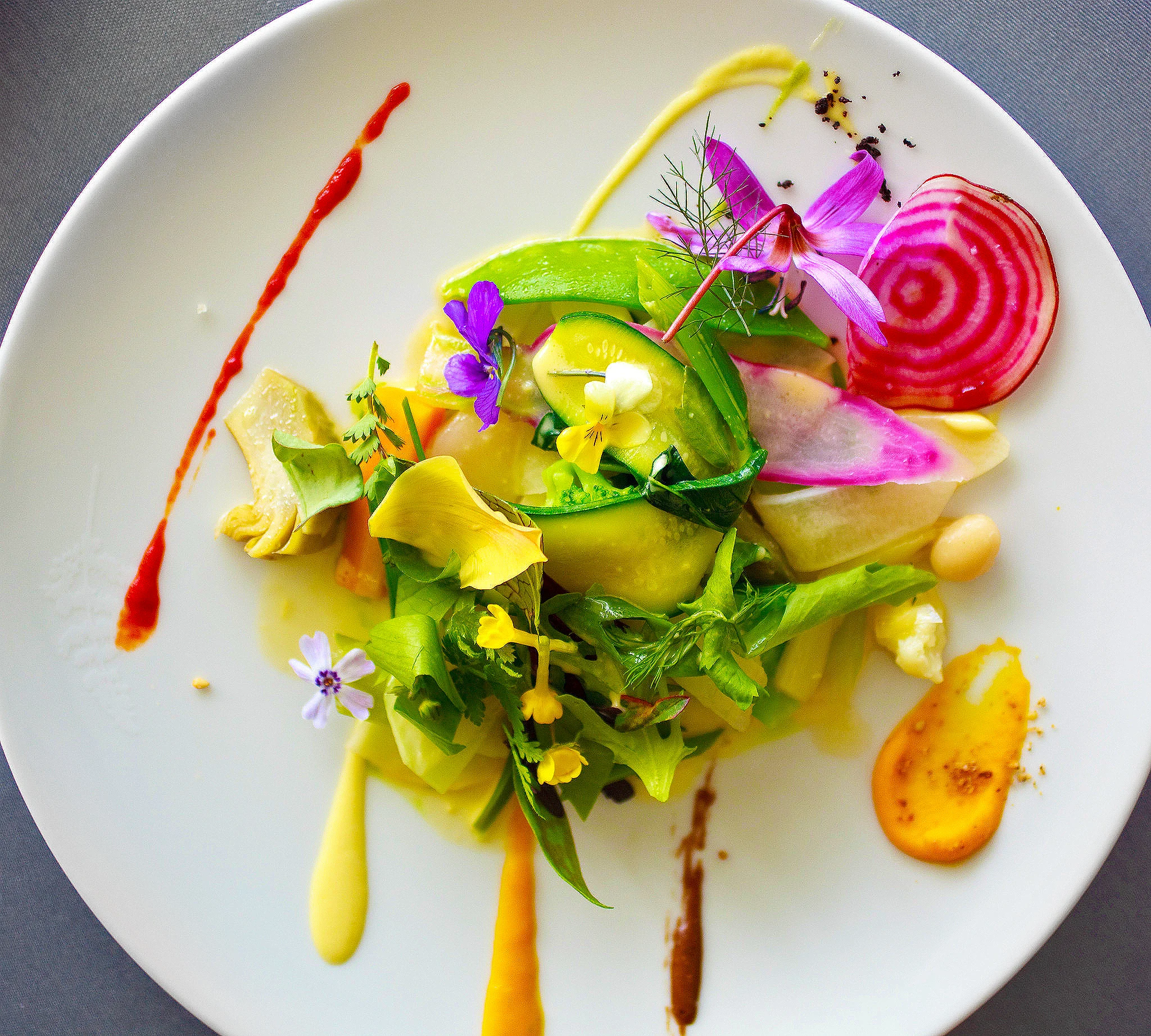
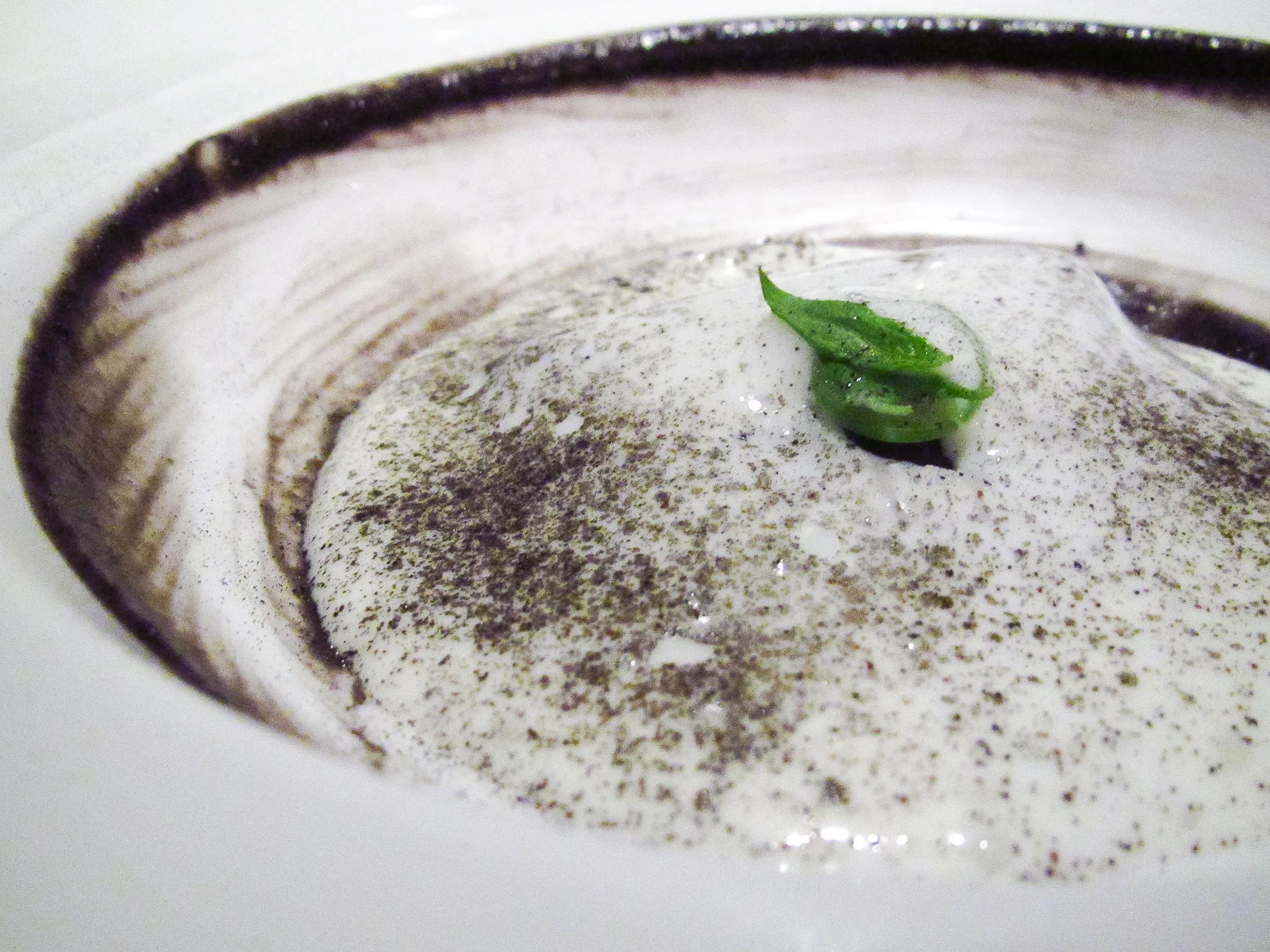
It's easy to walk down the quiet residential streets of Jingu-mae and miss this restaurant: it's in the basement of an apartment building with no signage. But what Esaki lacks in street-level visibility it makes up for in flavor. It's modern take on traditional kaiseki -- with all locally sourced organic ingredients -- highlights the best of Japanese cuisine yet incorporates a number of modern twists that make for a more interesting, fresh experience. The menu, full of kanji beyond my understanding, proved challenging -- the waitress patiently helped me to decipher the words I didn't know, and even brought paper and pen to take notes. At this 3-starred Michelin restaurant, things suddenly felt a lot more relaxed and comfortable.

Schwartz's Deli

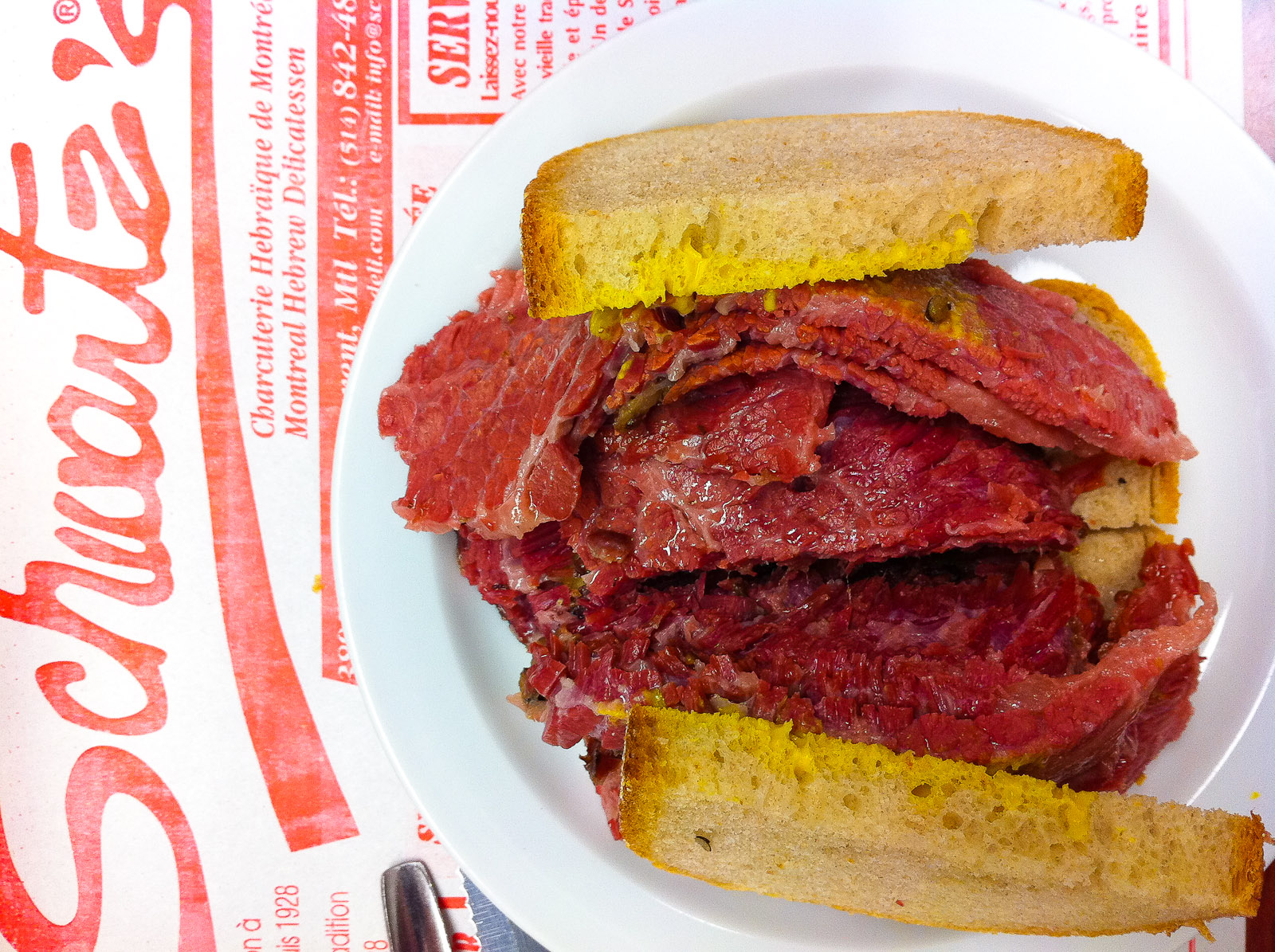
A visit to Montreal would be incomplete without a smoked meat sandwich from Schwartz's. On Saturdays the line -- at times half an hour or more -- can be pretty intimidating, but it's worth it. There are few ways to fight off the Canadian winter as effective as a hot smoked meat sandwich on an icy-cold day. It's time to step into Schwartz's, the tiny but immensly popular deli on Montreal's Boulevard Saint-Laurent. This is undoubtedly the juiciest smoked meat sandwich I've ever tasted. Unlike corned beef, the meat is smoked. It's similar to pastrami but the spice blend is unique. The meat here is so moist I wanted to squeeze out the juice like a sponge dipped in gravy. The smoked meat sandwich, Schwartz's house speciality, is a generous mound of warm meat resting between two fat slices of rye each swiped with a thin layer of French's yellow mustard. The mustard's light acidity and short-lived spice cuts right through the meat's fatty mouthfeel leaving behind a really pleasant texture.

Sosta Espresso Bar

Stockholm is an enchanting city. In the old town, long winding cobblestone roads wrap around hilly terrain with local stores, cafes, and restaurants lining the sidewalk. While it's touristy it's not commercial. In fact there's not a single Starbucks in sight (yet). In some ways it resembles a magical village, one that might begin a Disney movie with the camera panning over an 1800s European city on a cold winter night with chimneys and warm candlelight shining through snow-covered windows. It's quaint, unassertive, and full of hidden surprises. Across the river, however, things are more modern. Impeccably clean streets are bordered with high end department stores and Swedish design shops. There is more business. It's in this kind of area where the best coffee is often found, fulfilling a need for a caffeine fix before, after, and during work. It is here that I found Espresso Sosta.

Cafe Myriade

I've been in Montreal for just over two weeks now and when I haven't been coding, I've been eating. The one place I find myself returning to almost daily -- sometimes even twice a day -- is a small cafe around the corner from where I'm staying. Its name is Cafe Myriade, and it has the best coffee in the city. Myriade is owned and operated by Canadian National Barista Championship finalist Anthony Benda and his business partner Scott Rao author of The Professional Barista's Handbook. Its drip coffee, espresso, cappuccino, macchiato, eva solo, and french press are nonpareil. Its syphon coffee is also at the top because, well, it's the only place in the city that does it. But also important is the atmosphere, one that just makes you want to come back. Or, maybe that's the caffeine speaking. Probably both.

Pierre Gagnaire

It seems to be a common theme with Parisian Michelin 3-star restaurants: due to pricing and the general difficulty in obtaining reservations, most are geared towards consistency at the expense of risk-taking. This means that most dishes will be excellent but few will be mind-shatteringly delicious. Lifetime memorable dishes take experimentation, precariousness and uncertainty, three elements embodied by a capricious and whimsical chef. Pierre Gagnaire is one of these colorful chefs. Sure, the restaurant has a menu. But ordering from the menu here is a bit like asking Monet to draw a stick figure: it's restrictive and doesn't take full advantage of the chef's creativity. The best way to experience Chef Gaganaire's cuisine is to ask the kitchen to cook for the table without restriction. At least that's what I'd heard from regulars ... but maybe their last visit was quite some time ago as this is becoming less and less possible since Chef Gagnaire spends less time behind the stove. Apparently this can make the difference between an extraordinary experience and a disappointing one.

L'Astrance

I'd always considered French cuisine to be stagnant and unchanging: thick mother sauces blanketing filets of meat and fish with fancy adornments. It was when I actually lived here for a few years that I discovered the new wave of French cuisine led by garden fresh vegetables and lighter preparations. Mother sauces were on vacation. L'Arpège quickly became the restaurant spearheading Paris's back-to-the-garden movement. L'Astrance peaked my interest when I heard of the restaurant's compulsiveness for fresh vegetables combined with its ability to integrate elements of molecular gastronomy: spherification, foams, and non-traditional flavor extractions made this menu really exciting. Here was a young and extremely talented chef, Pascal Barbot, who went from one Michelin star to three in just under seven years.

Michel Bras

I'd wanted to go to Michel Bras for a long time. Years, really. But it wasn't exactly easy to get there. When I moved to Paris, things became easier, but not by much. The restaurant is a 10-hour train ride from Paris, followed by an hour taxi. The ride back would be a night train. Aside from all that, reservations were difficult. When I called in March, they were fully booked until May. After weeks of persistence and a bit of luck, there was a last-minute cancellation. I was in. Given the distance to the restaurant, I decided to make a weekend out of it. I'd arrive Saturday afternoon and leave late Sunday night to catch the night train. This would enable me to order the entire menu pace myself to better understand the cooking of Chef Bras. 36-hours of Bras would mean two dinners, a breakfast, and a lunch. I was more than ready.

Abraço Espresso

It would be difficult to call Abraço a coffee house, let alone a shop. While it is about the size of a small closet, Ab Abraço is home to the finest espresso equipment in the industry. Don't let the stacked New York Greek take-out coffee cups, hanging aluminum pots, and scratched plexiglass display cases graffitied with the day's specials fool you: this place serves serious coffee. Underneath the hodgepodge of baking accessories are individual clay drip pots and brown sacks of Arabica beans all of which surround the space's centerpiece: the luxurious Florentine La Marzocco espresso machine accurate to 0.1 degrees Celsius. The bar's skilled co-owners, Jamie McCormick and Amy Linton, were former baristi at Blue Bottle and Ninth Street respectively. They know how to pull espresso.

Mercado de Cholula

Sunday mornings in Mexico are strange. It's apocalyptically silent: streets are empty, stores are closed, even stray animals are too tired to roam the alleys. The only sound that can be heard is that of church bells, and it's pretty much a guarantee that even there, most of the people are hung over. It's Sunday, a day of rest and a time to spend with family. Things are slow-paced and laid back. One place is an exception, however: the local market. Almost all towns have some form of a mercado central, a market where fresh local fruits and vegetables are sold, as well as an abundance of smoothies, snacks and homemade foods for comida. While the rest of the city is asleep, the football-sized market rings with knives chopping, customers shouting, and and the satisfying sound of hundreds of crisp tortilla shells cracking all at once.

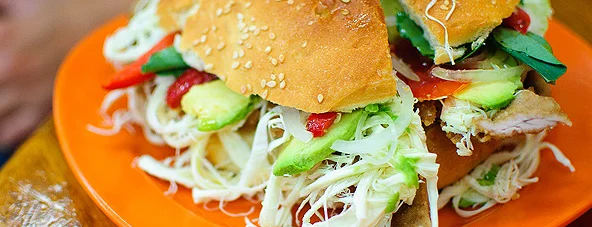
The closest market to where I've been staying here is the Mercado Central de Cholula. It always has something great on the menu. While it's open every day, Sundays are the busiest which means fresher foods: things sit for a lot less. Vendors sell fresh pico de gallo and deep-fried chicharrones made to order.

Combal.Zero

As an ultra-modern restaurant located in Northern Italy's seventeenth century Castello di Rivoli, Combal Zero at first appears as a place of contradiction. This is because Scabin is often misunderstood. The words spoken of his cuisine bounce between traditional and modern, trite and inventive. Some go so far as to say he is a mad scientist concerned with superficial appearances and technology while lacking attention on flavor. After my meal, I strongly disagree. Scabin, it appears, likes to have fun. And he thinks his diners should, too. Located in a suburb of Torino, Combal is not the easiest restaurant to get to. As I exited the subway and ventured towards the restaurant, I battled for thirty minutes against an intense downpour up steep and winding hills until finally, the large glass walls overlooking the modern art museum greeted me like a light at the end of a tunnel. I arrived soaking wet, but the warm and friendly staff masked the squeak of my shoes with laughter and grace.

Pujol

I've always liked Mexican food. But it wasn't until I actually visited Mexico, or more specifically met my girlfriend, that I learned what Mexican food really was. This was a cuisine without sour cream, chicken fajitas, "hard" shelled tacos, or tortilla salads. What I had thought was Mexican was actually Tex-Mex. Instead of piling on generous toppings as a mountain of salsa, guacamole, and cheddar cheese, the tacos I encountered were thin, delicate, and rarely adorned with more than a single sauce. In fact all the antojitos were smaller and simpler in comparison. On the other end of the spectrum, I learned, were the elaborate moles which sometimes have over a hundred ingredients. This is a country whose immense diversity of food spans from north to south, from the street into the restaurant. What makes Pujol special is its talented young chef, Enrique Olvera, who takes these nostalgic Mexican dishes, de-constructs, improves, and later re-assembles them for the dining room.

Croissants aux Amandes

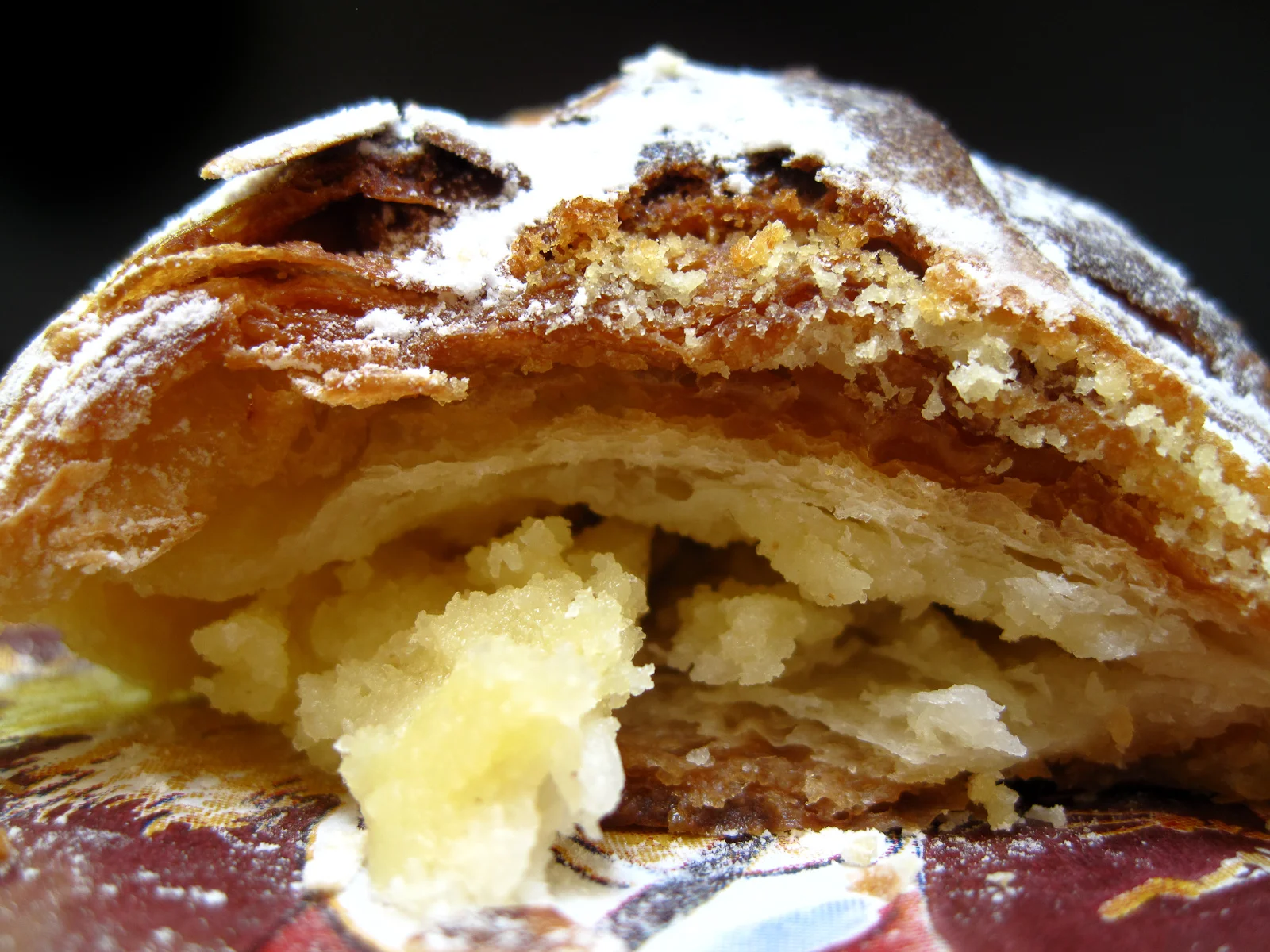
Ever wonder where the millions of unsold Parisian croissants go? The shelf life of a croissant is about four hours, which is why bakeries should never be visited after 10am: the croissants become hard, dry, and brittle. But the French, it seems, are very good at recycling. A day's old croissant is more often than not turned into a brand new sugared almond croissant by adding a layer of frangipane, sprinkling with confectioner's sugar, and re-baking. And for those who like sweet pastries, they can be quite tasty. For this tour, I visited the pâtisseries best known for exceptional croissants au beurre, with the thinking that the croissants aux amandes would be equally impressive. In general this held true, though there were a few surprises along the way. I started this journey without a sweet tooth and by the end, finished a few pounds heavier. Warning: this is not a post for dieters.