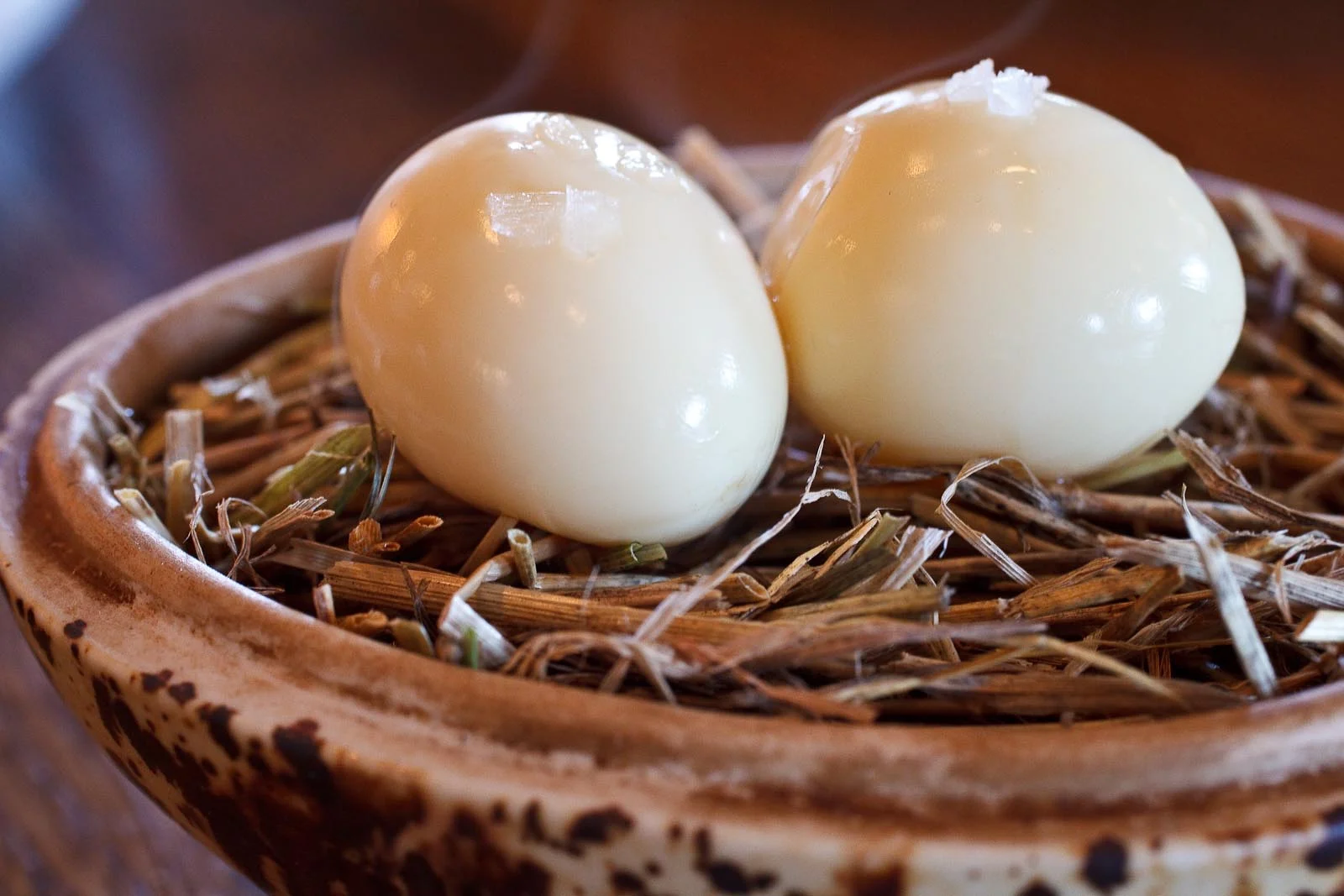
L'Ambroisie Revisited

I wrote about L'Ambroisie a few years ago here. At that time I wasn't sure what to make of the restaurant. On the one hand, I experienced tremendous difficulty making a reservation. And when I actually showed up the night of my reservation: I was turned away. The staff didn't seem that friendly. On the other hand, once I actually experienced the cuisine, the black truffle feuillantine haunted me for years after. I've since lived in Paris for nearly three years. While the restaurant may have evolved a bit since my first meal three years ago, it was I who changed the most. My expectations of a Parisian restaurant are different now. In the US, a meal at a three star Michelin restaurant is often reserved for special occasions: birthdays, anniversaries, congratulatory dinners and the like. The restaurants cater to the food as much as they do to customer enjoyment: they make guests feel special. Things are different here. Aside from say Guy Savoy, the impromptu gifts and unexpected culinary surprises such as tours of the kitchen, chef handshakes, and take-home goodie bags are severely limited. Ego-stroking is almost non-existent. Here, the fine dining ecosystem is designed for regulars.
The Breslin

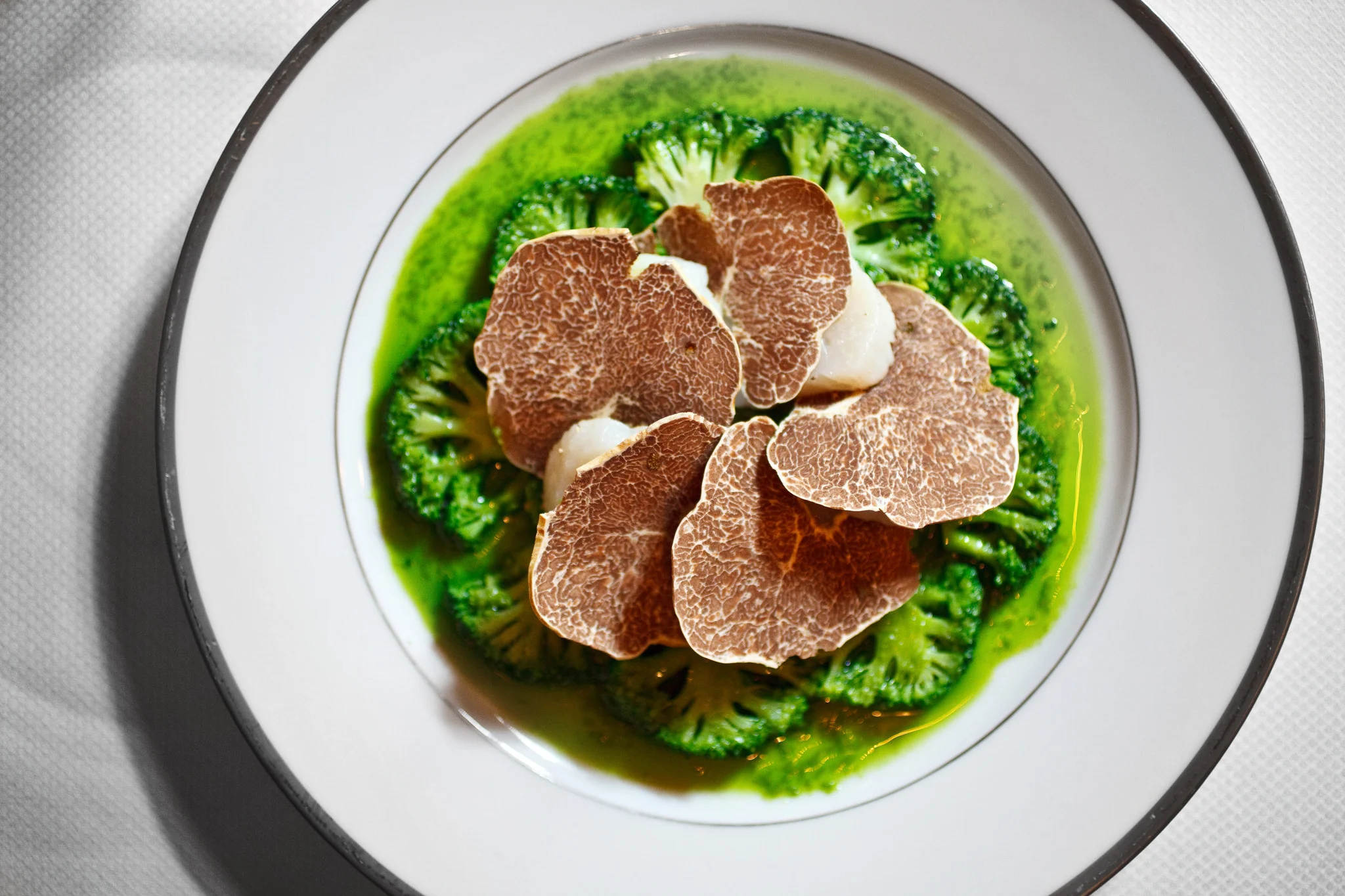
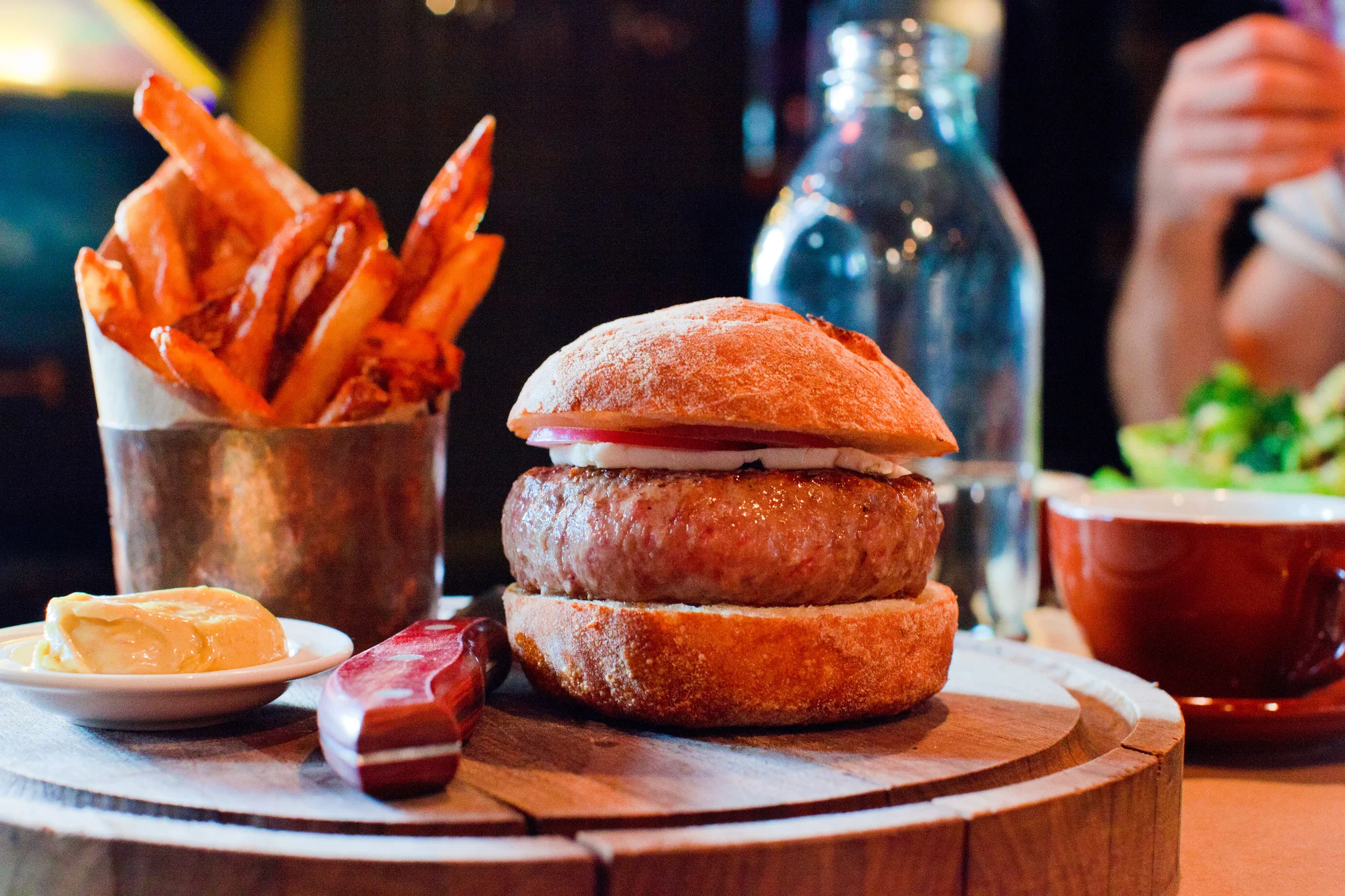
The Breslin is the restaurant of New York's Ace Hotel. Part vampire's billiard room, part dot com entrepreneurial hangout, The Breslin is a mix of well-dressed diners in a dark and cavernous space which, despite the large North-facing windows, absorbs all natural light making it seem like a perpetually rainy day. The clientele is young and almost uncomfortably homogenous, a mix of caucasian and Asian. The atmosphere is one of exclusivity -- there is always a wait for a lunch table.  The young and hip staff, a little cold at first, is pleasantly warm and friendly after opening up.  They're really good-looking, too.  There is no way that they eat from this menu daily. Perhaps in an act of rebellion, the restaurant serves little to no healthful options. Even the weekend brunch low-fat options are sky high in sugar and refined carbohydrates. The menu, in fact, is rigidly carnivorous. An attempt to substitute or modify a dish will be met with a blank stare of disdain, but quickly followed by a tempered smile and a frown of calculated impossibility.

El Bulli

It's an understatement to say that getting a reservation at El Bulli is difficult. During the two and a half years that I lived in Paris, I emailed the restaurant on a nearly weekly basis during season asking for last-minute openings. And everytime I received the same semi-automated reply: No. When I learned of the restaurant's closing in 2011, I became even more anxious. Unfortunately, all I could do was pray. Counterintuitively, I decided this year to pick a specific date and time, instead of indicating my open availability for the entire season. Since El Bulli does their scheduling all by hand, this specificity actually may have facilitated my acceptance. Then one early morning in March, I received a pleasant surprise from the dining room manager:

We apologize for being late giving you an answer. The demand has been extraordinary and [it] is difficult to go on with the management. We have found a solution and If you wish we have a reservation option for you.

The date I was assigned would be nearly a year in the future. But the clouds parted, and I was officially etched into the book of heaven. Now I just had to figure out how to get there.

Gocce di Caffè

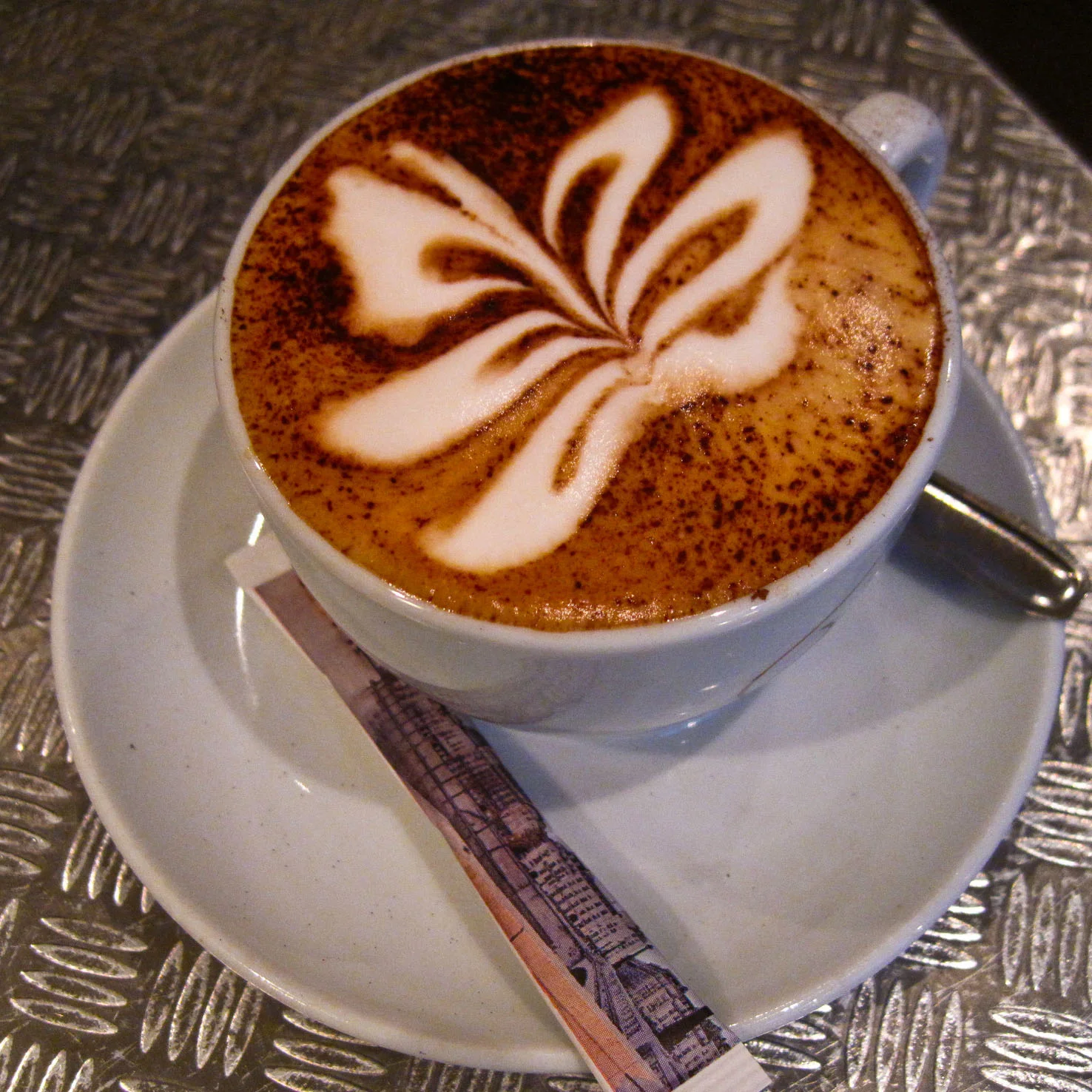
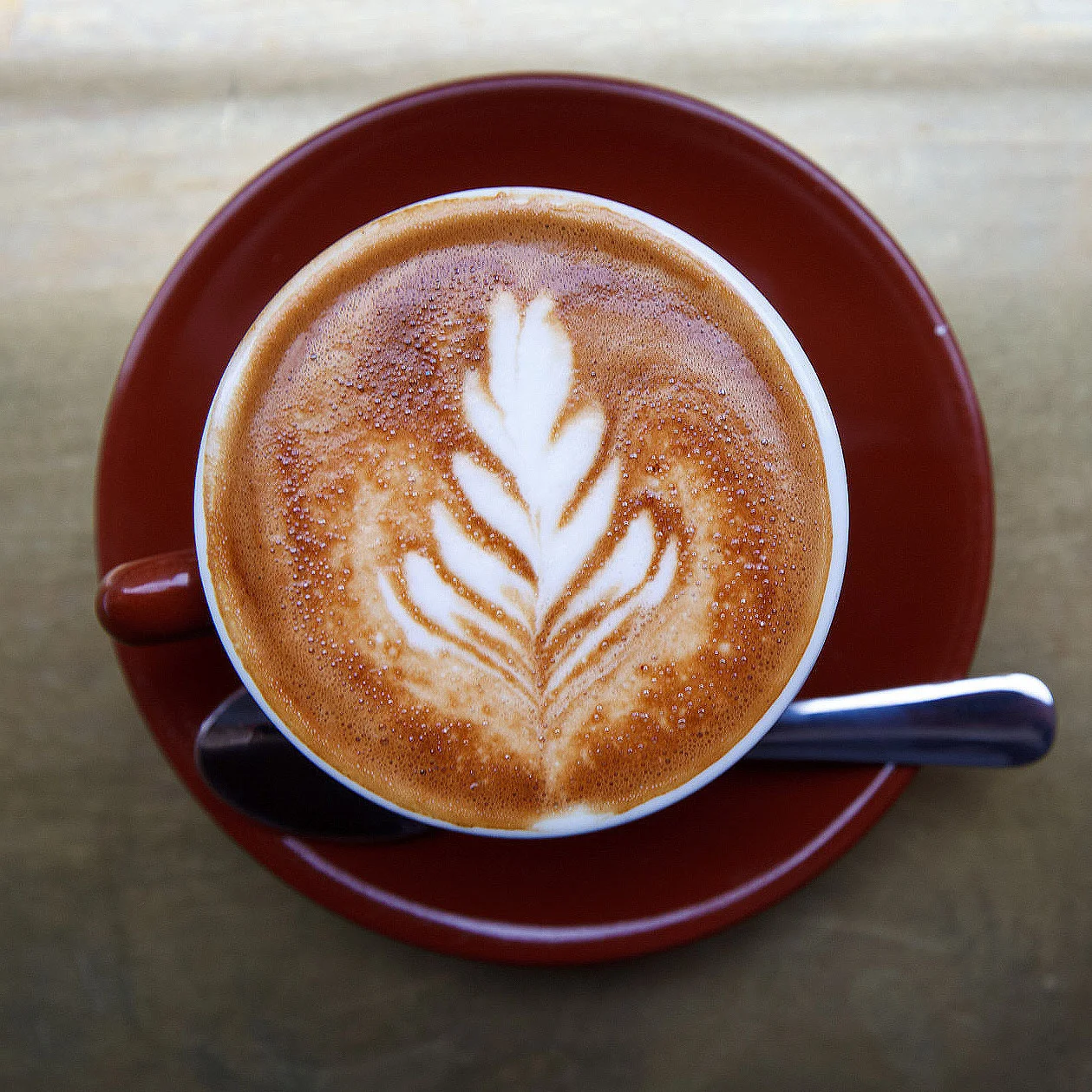
Paris has a lot things, but great coffee sure isn't one of them. It's a bit counterintuitive to think that since Parisian café culture is so prominent. Images of sitting outside in wicker chairs in the cold winter under a gas heat lamp sipping a steaming hot drink in the smoke-filled air remind me very strongly of the city. Except that image is all about the ritual, not about the drink. Paris has a strong café culture, but lacks a coffee culture. It's incredible that a food-oriented culture which values so heavily elaborate sauces and delicate soufflés, can completely disregard the methods by which to properly prepare an espresso. Even simple ones. I was once thrown out of Café Amazone for suggesting that the doddering owner/barista use the tamp to compress the ground. He instead insisted on using the tamp as a measuring device, compressing the coffee into a spoon, and pouring the loose beans into the portafilter. Even La Caféothèque de Paris and Verlet, which both have fancy La Marzocco equipment and all Arabica beans disappoint. The city is like a parallel universe.

A lot of blame often gets put to the use of Robusta beans versus the more aromatic Arabica. France is able to import these beans from former African colonies at much less cost than overseas Arabica varieties. But frankly, I'm tired of this as an excuse. Even mediocre beans can taste reasonable when prepared correctly. With espresso, 85% of the flavor comes from the process and technique, not the ingredients.

A Baguette Tour of Paris

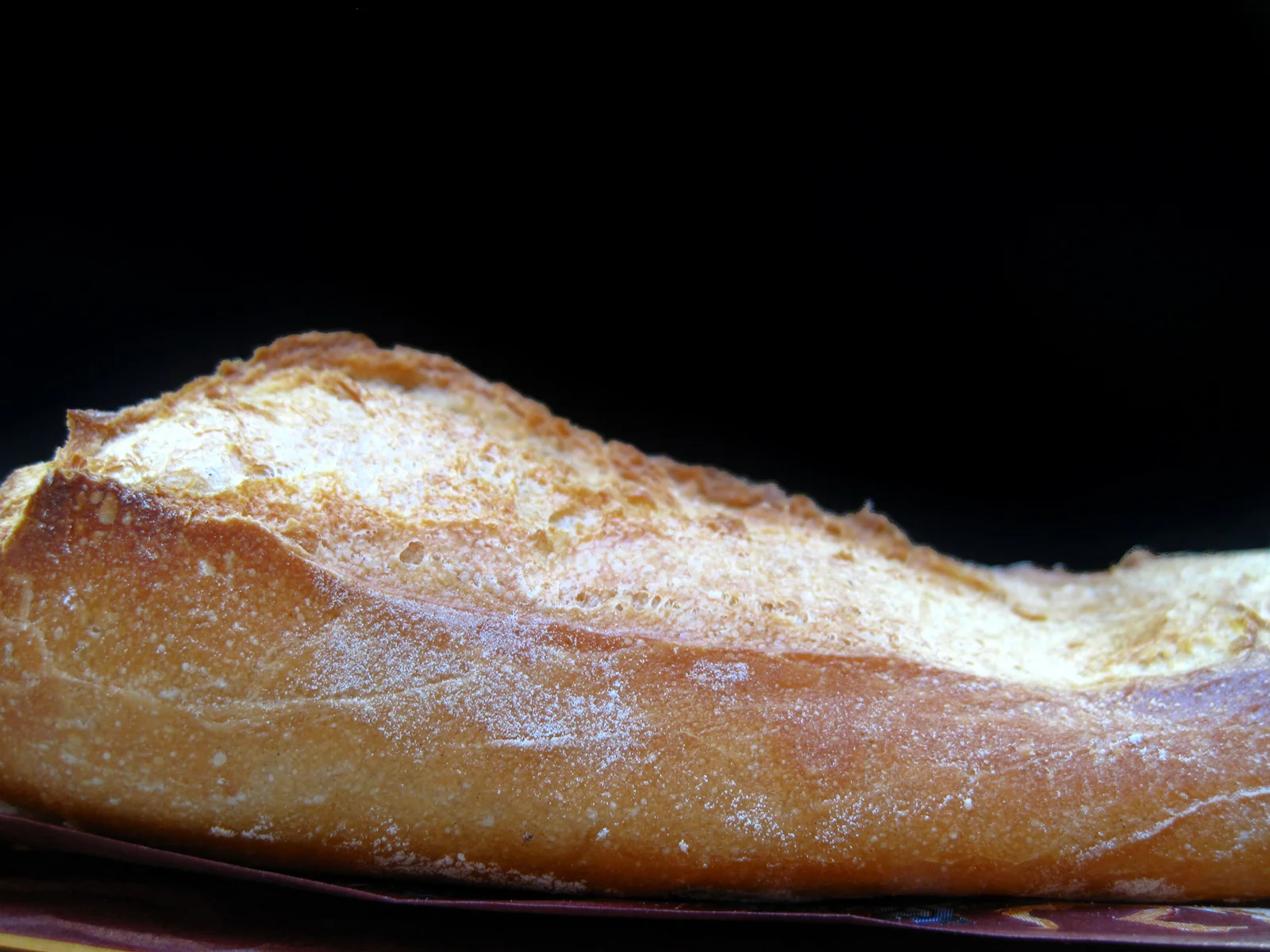
Before I moved to Paris, I knew most of the stereotypes: cigarettes, fake dimples, accordions, and berets. And there are others, to say the least. Thankfully, with the exception of the cigarettes, they turned out to be inaccurate. One stereotype, however, was so spot-on it was comical: I cannot count the number of Parisians I've seen racing around the city with groceries on one arm and a bitten baguette under the other. The French love their bread. And they should! With the arguable exception of Tokyo, Paris has the finest bread in the world. Fine boulangeries are to France as Starbucks is to America. They're everywhere.

Think about it: a baguette is the perfect accompaniment for any course. It goes with confiture and butter for breakfast, with a "jambon fromage" sandwich for lunch, in a small bowl to the side of a glass of red wine with dinner, or with a cheese board as a snack.

Stumptown Coffee

Drinking coffee is just as much about the ritual as it is about the flavor. The imagery of escaping a hectic world to a calm coffee shop, nestling into an oversized chair, and sipping a drinkable work of art is the most inexpensive and cathartic 5-minute vacation money can buy. The added euphoria from high concentrations of caffeine is just icing on the cake.

However, good luck finding a seat in New York. Many of the newer coffee shops worth mentioning, like Abraço and Zibetto Expresso Bar, adopt the Italian stand-up counter-style concept of espresso whereby lingering is discouraged. And for the great shops with seats, like Joe the Art of Coffee and Ninth Street Espresso, it's either tough to find one or the boisterous atmosphere doesn't warrant productivity. This isn't a bad thing, per se, but there are times where I'd like to have an intimate conversation, or conduct a meeting, and the above shops aren't necessarily conducive to it.

Momofuku Ko

Before deciding to visit Momofuku Ko, a diner is wise to ask how far he should go for good food. To start, the restaurant only accepts reservations via their website. Starting from 10am, spots fill up in a matter of seconds. This got pretty frustrating after the first two weeks. I wrote a small python script to automatically find the next available reservation and to book it. Except it didn't work. In some cases the day opened with no available tables. Other times availability lasted just an instant. In other words, people were clicking so quickly that even automated attempts were stressful and futile. I gave up after a few weeks of trying, until one day, I saw the green check of availability.

To further complicate things, the lower east side restaurant is easy to miss: it looks like a shop with the security gates permanently locked. The entrance is completely encased in a ragged metal mesh which blocks out most daylight, reminiscant of the eletromagnetic mesh cage in which Gene Hackman's extremely paranoid character worked in Enemy of the State. It's fenced up like a prison. It's very unwelcoming.

Ninth Street Espresso

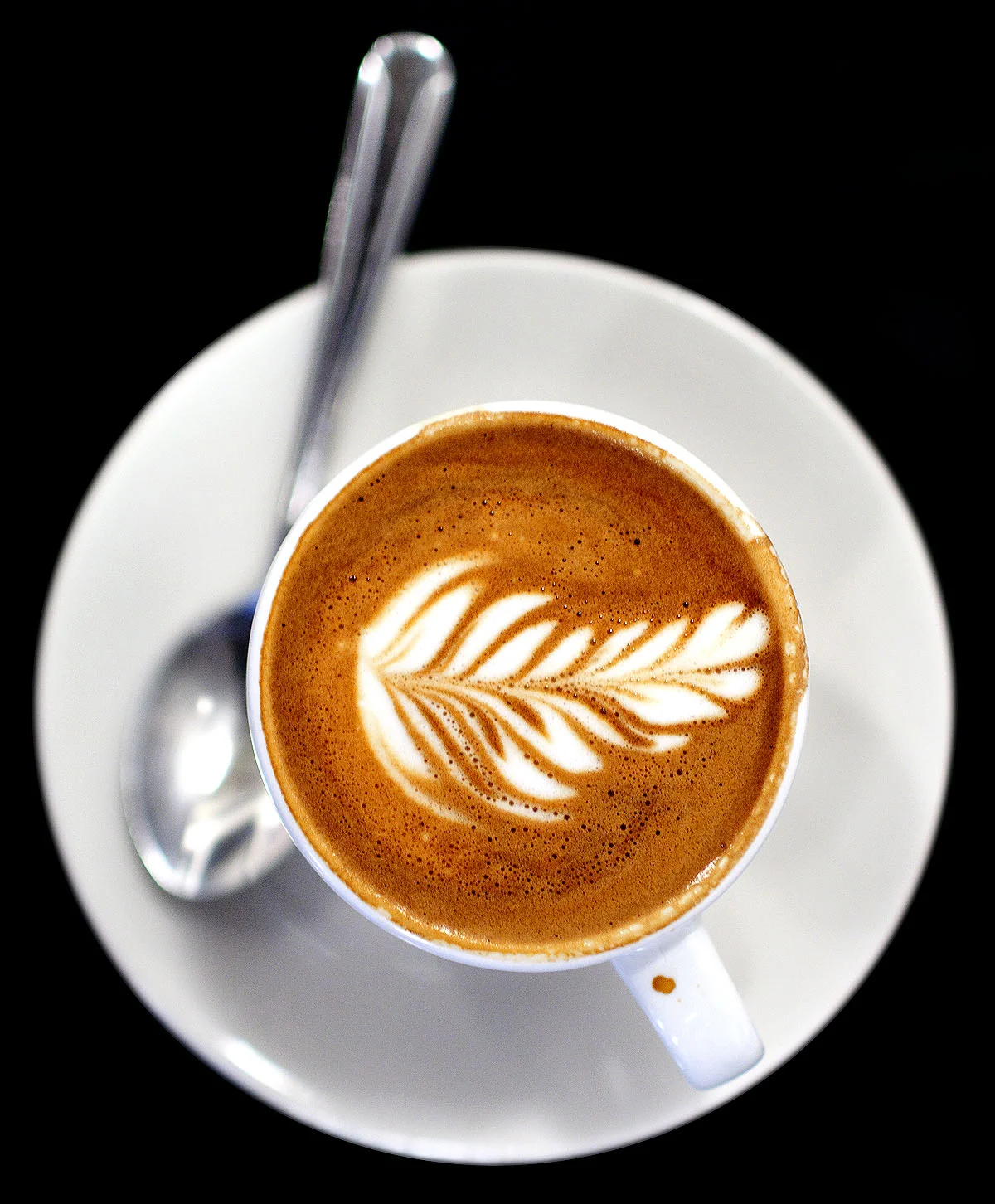
I always liked drip coffee. But it wasn't until last summer that I began to enjoy espresso. I had a revelation sometime last June, at Joe the Art of Coffee, where for the first time my espresso didn't taste sour or burnt; rather it was subtle and chocolatey with nutty hints of maple syrup. It was outstanding. And since that moment, I've become obsessed. Frankly it wasn't until more recently that I began to appreciate the tremendous skill involved with extracting espresso. I began pulling espresso daily using my Rancilio Sylvia modified with an Auber Instruments PID kit to help maintain proper brewing temperature. I started pulling some incredible shots, intermixed with some not-so-great ones. The hardest part, I quickly learned, was consistency. There are so many variables (like temperature, pressure, temping pressure, grind size, ambient humidity, and bean age) that turned this into a real science. What makes Ninth Street so impressive is its consistency: rarely have I had a poorly extracted espresso. Their baristi too, are obsessed.

Motorino

Warning: what you are about to read and see is not safe for work. If you are in a public place, you may want to wait until in the comfort (and safety) of your own home before proceeding. The following photos are pure culinary pornography. On the other side of the East River lies a small village known as Williamsburg, rife with flannel shirts, thick-rimmed glasses, beards, attitudes, and now, pretty good pizza.

Being located in Williamsburg affords Motorino a fair amount of space for a restaurant -- even outdoor courtyard space. The wood-burning pizza oven in the back is cleverly incased by thick glass to lock in the heat, keeping the dining room cool even in the summertime. The simple yet cosy interior keeps the focus on the pies. I was impressed with how my sun-drenched window table turned into a romantic corner alcove as night fell.

Kesté Pizza & Vino

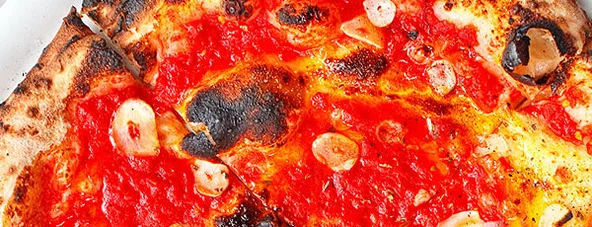
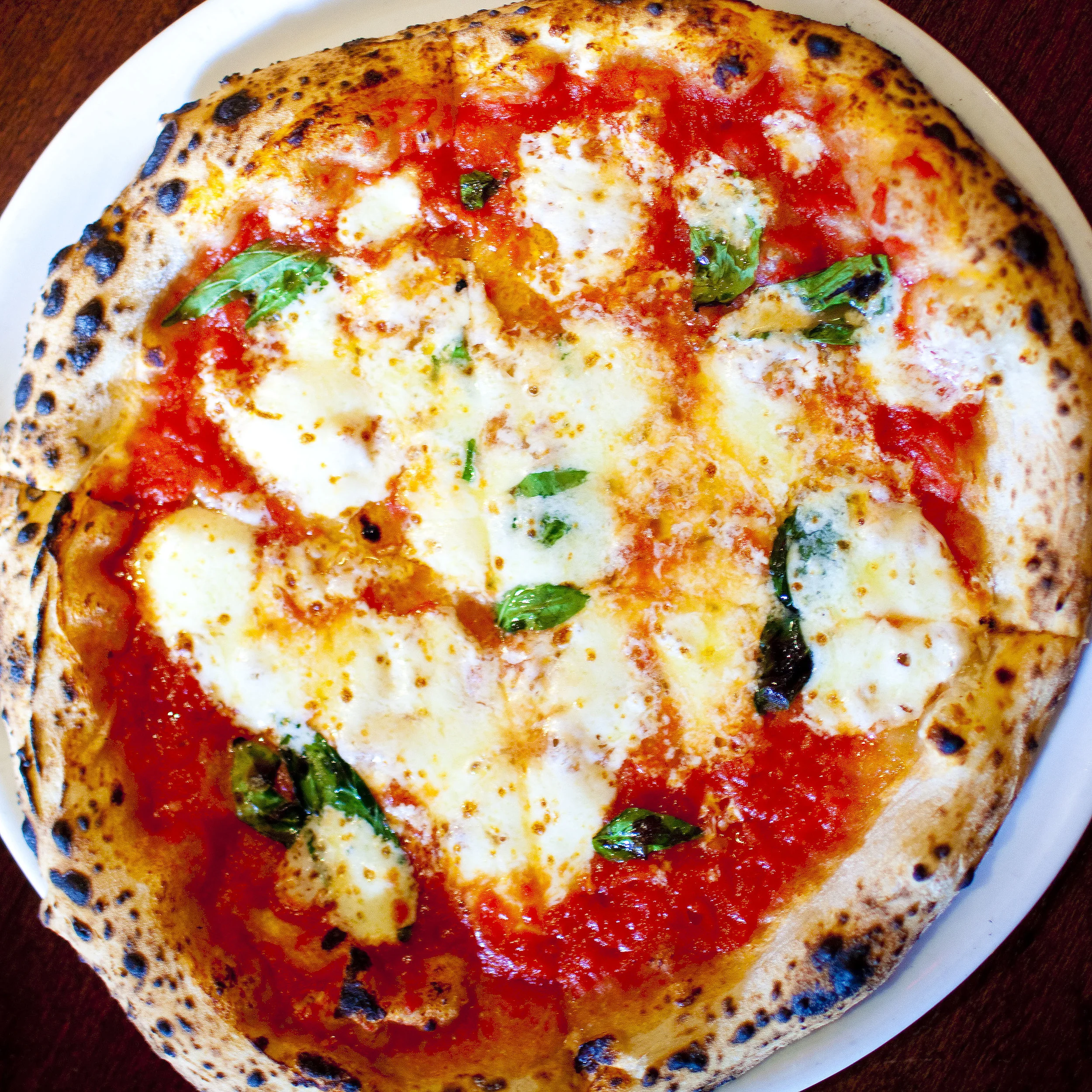
Slowly but surely, New York's quest for authenticity is improving the quality of pizza in the city. The legends of New York-style pizza: DiFara, Patsy's, Lombardi's, Grimaldi's, are facing a wave of new comers bringing traditional Neopolitan-style pies to the Big Apple. Instead of extra large crispy pies overloaded with mozzarella and globs of olive oil, which make no mistake are still delicious, Neapolitan pies are more restrained: smaller, lighter, elastic, and sparse with cheese and saucing. Fork and knife are required. Unfortunately, there aren't too many places in the city that serve an authentic Naples pie. Kesté is one of them, and it serves the best. Roberto Caporuscio, chef and co-owner of Kesté Pizza & Vino, is a pizza master. Chef Caporuscio comes from Pontinia, Italy just over an hour north of Naples, the putative birthplace of pizza. After several years of training in Napoli he ventured to the United States to share this traditional style of pizza without compromise. New York-style pizza wasn't for him. Despite being the president of the Associazione Pizzaiuoli Napoletani, he is rarely found outside of the kitchen. And if he is, his hands are always covered in white dust. Roberto's enthusiasm for making the perfect pie can be seen almost immediately by watching his slow precise hands working the dough, his eyes almost never straying from the pie.

Marea

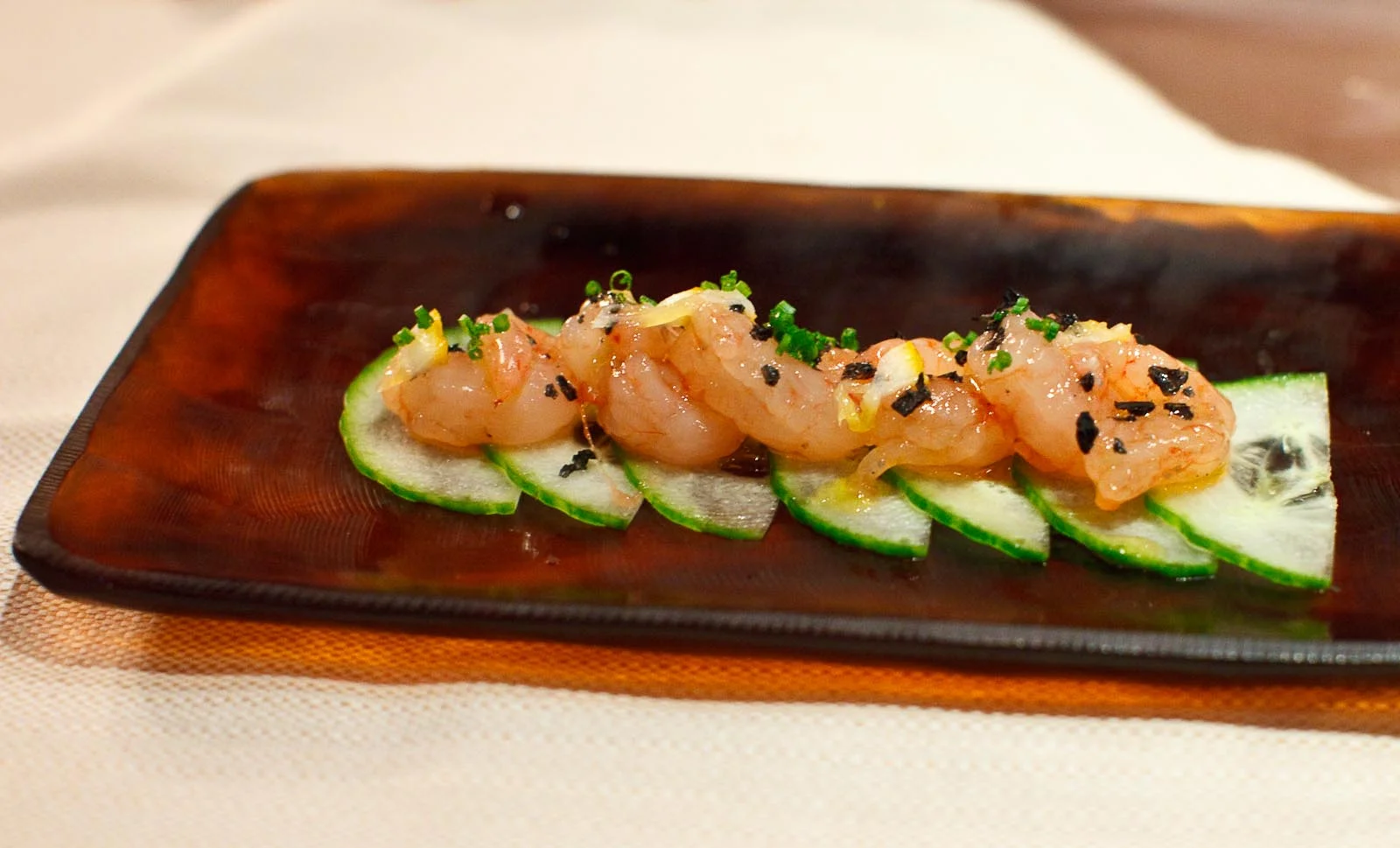
When most New Yorkers think of Italian food, they think of pizza, lasagna, and spaghetti and meatballs: dishes with strong dominantly red sauces. And with good reason. These southern Italian dishes originate where the majority of New York’s Italian immigrants came from. At the turn of the 20th century, New York was the single largest nerve center for Southern Italian immigrants coming over from Naples and Sicily. As a result, Southern Italian cuisine is vastly over-represented in the big apple (which I’m definitely not complaining about). But with this disproportional representation comes the omission of the wonderfully light fish dishes from the coastal cities of Northern Italy. This is where Marea comes in. As sister restaurant of New York's other Northern Italian gem, Alto, Marea's menu is rife with raw seafood. Over half of the menu, in fact. At times some of the plates look Japanese in simplicity and presentation, that is until the golden dab of olive oil shines through.

Marea occupies the former space of San Domenico, which other than perhaps Del Posto, was the most expensive Italian restaurant in the city. In this respect, Chef Michael White's cuisine is similar: it's expensive. But the restaurant space has been completely renovated and no longer feels like a scene from CSI Miami. Its reflective hard lacquer surfaces and focused halogen lighting put the food on a well-lit pedestal.

Noma

"Eating with the terroir," "earth to plate," "fiercely local;" these lofty phrases which at one point had meaning are now often hollow tag lines used to pepper conversations. Frankly, I'm guilty too. It's not easy to describe the appreciation invested in a food's source. But at the same time, an ingredient's source should never supersede flavor. Just because hand-picked moss comes from the high hills of northern Hokkaido, or if tomatoes come picked this morning from a farm nearby, doesn't mean they will necessarily taste good.

Unfortunately, there are few restaurants that combine an ingredient's unique naturalness with an inventive cuisine that doesn't take the spotlight away from nature. It's usually a tradeoff. Noma has both. The unique flora and fauna found in Scandinavia provides a full spectrum of ingredients with which René Redzepi, chef of Noma Copenhagen, can paint into sophisticated flavor.