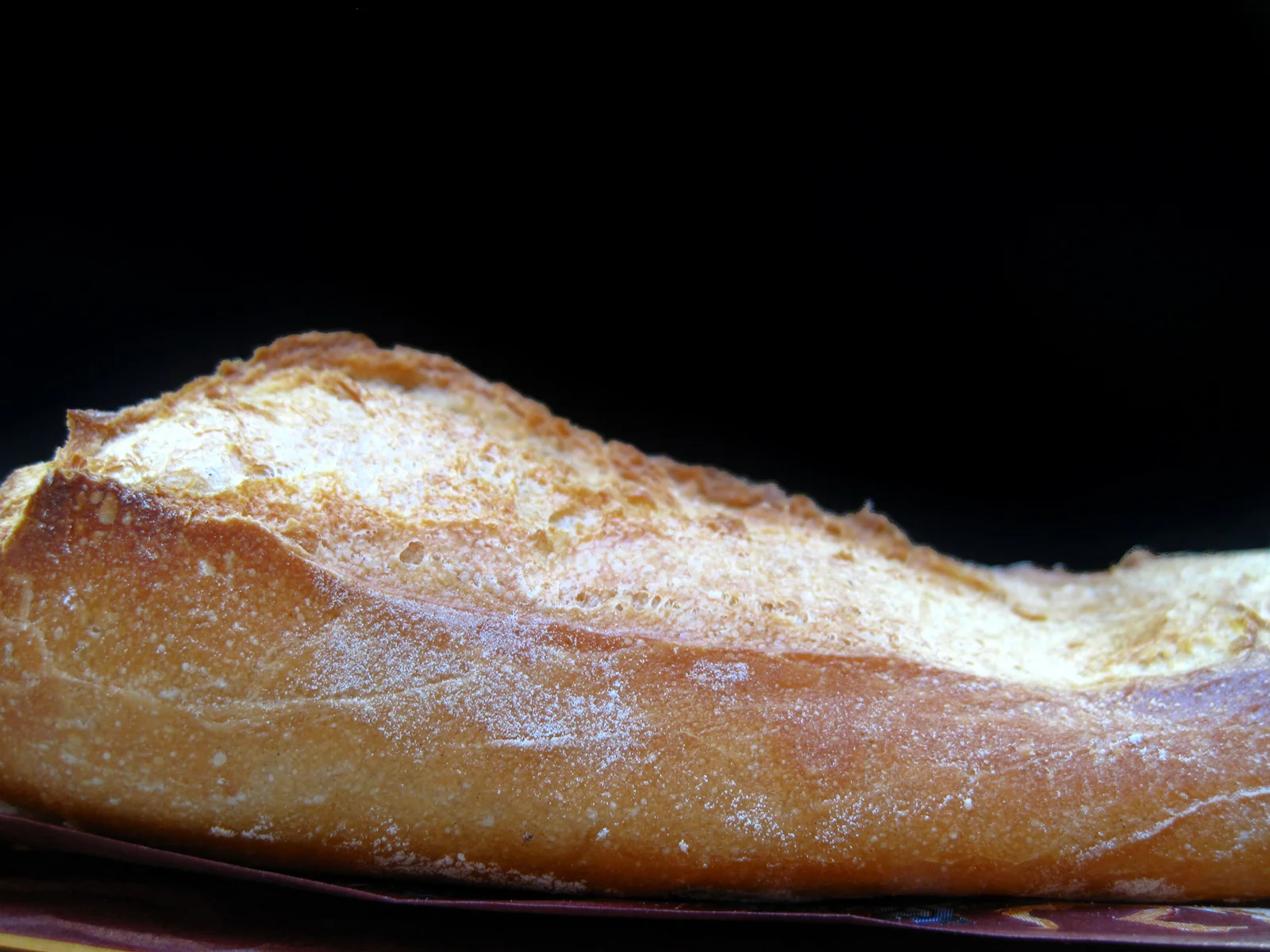
A Baguette Tour of Paris

Before I moved to Paris, I knew most of the stereotypes: cigarettes, fake dimples, accordions, and berets. And there are others, to say the least. Thankfully, with the exception of the cigarettes, they turned out to be inaccurate. One stereotype, however, was so spot-on it was comical: I cannot count the number of Parisians I've seen racing around the city with groceries on one arm and a bitten baguette under the other. The French love their bread. And they should! With the arguable exception of Tokyo, Paris has the finest bread in the world. Fine boulangeries are to France as Starbucks is to America. They're everywhere.

Think about it: a baguette is the perfect accompaniment for any course. It goes with confiture and butter for breakfast, with a "jambon fromage" sandwich for lunch, in a small bowl to the side of a glass of red wine with dinner, or with a cheese board as a snack.
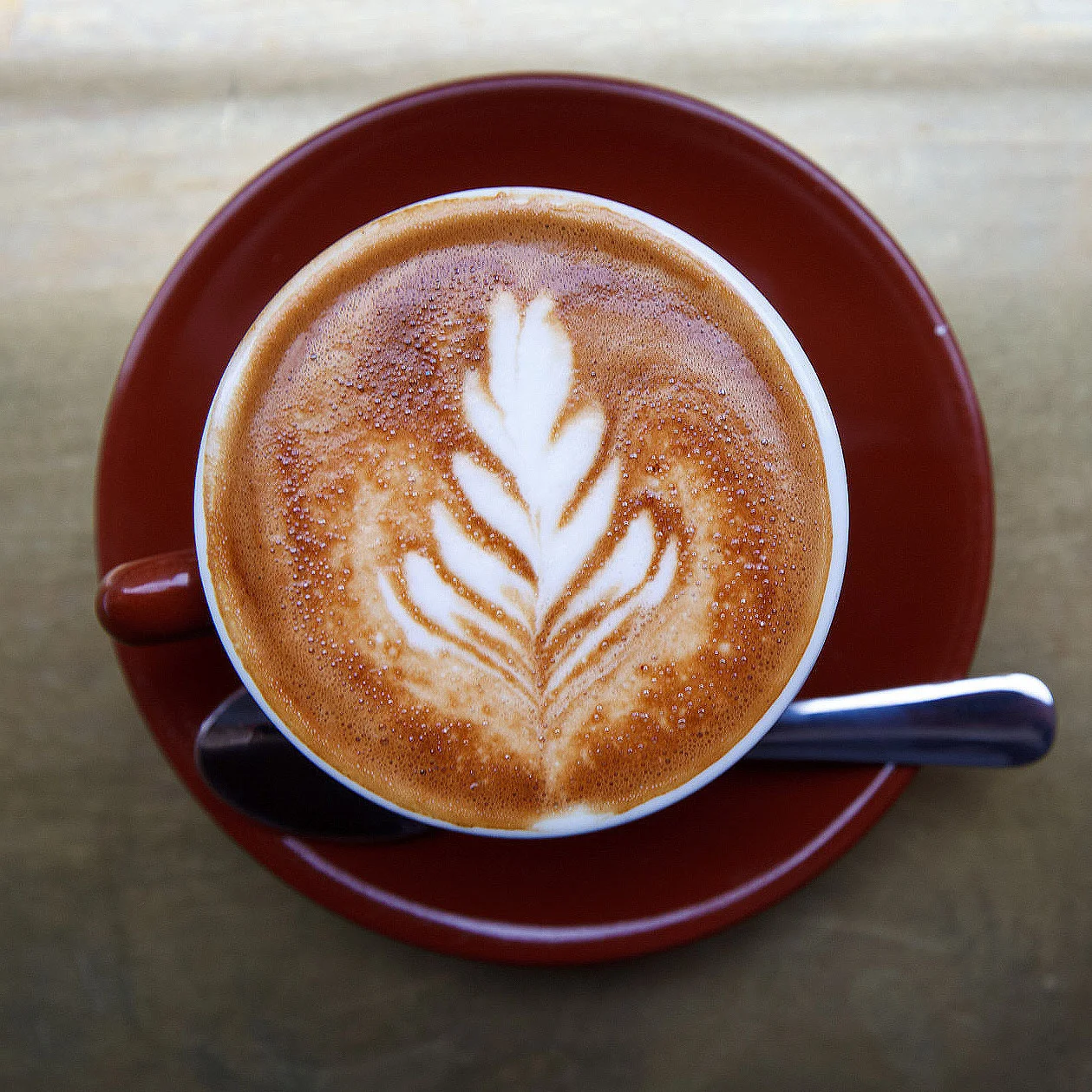
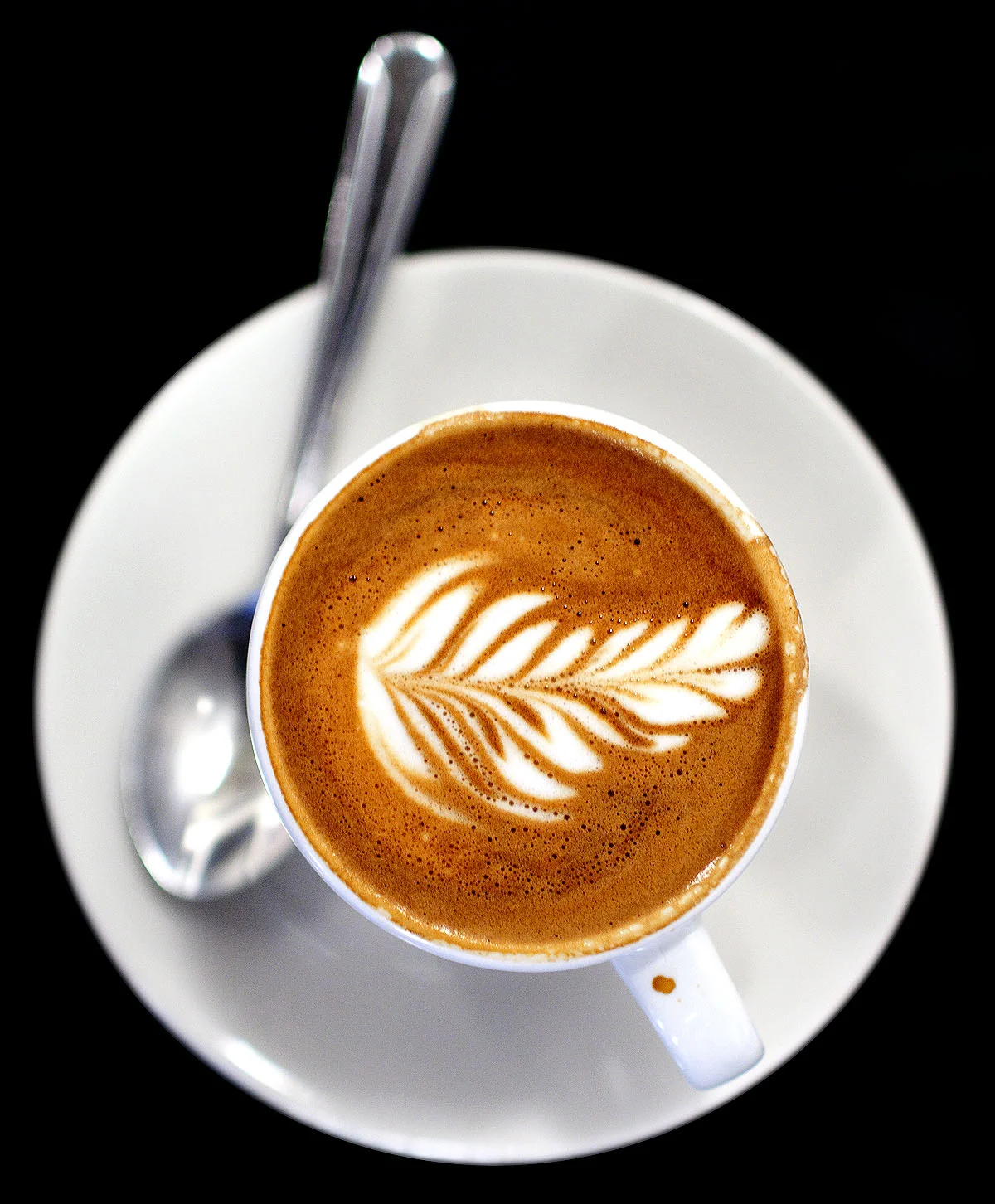
Stumptown Coffee

Drinking coffee is just as much about the ritual as it is about the flavor. The imagery of escaping a hectic world to a calm coffee shop, nestling into an oversized chair, and sipping a drinkable work of art is the most inexpensive and cathartic 5-minute vacation money can buy. The added euphoria from high concentrations of caffeine is just icing on the cake.

However, good luck finding a seat in New York. Many of the newer coffee shops worth mentioning, like Abraço and Zibetto Expresso Bar, adopt the Italian stand-up counter-style concept of espresso whereby lingering is discouraged. And for the great shops with seats, like Joe the Art of Coffee and Ninth Street Espresso, it's either tough to find one or the boisterous atmosphere doesn't warrant productivity. This isn't a bad thing, per se, but there are times where I'd like to have an intimate conversation, or conduct a meeting, and the above shops aren't necessarily conducive to it.

Momofuku Ko

Before deciding to visit Momofuku Ko, a diner is wise to ask how far he should go for good food. To start, the restaurant only accepts reservations via their website. Starting from 10am, spots fill up in a matter of seconds. This got pretty frustrating after the first two weeks. I wrote a small python script to automatically find the next available reservation and to book it. Except it didn't work. In some cases the day opened with no available tables. Other times availability lasted just an instant. In other words, people were clicking so quickly that even automated attempts were stressful and futile. I gave up after a few weeks of trying, until one day, I saw the green check of availability.

To further complicate things, the lower east side restaurant is easy to miss: it looks like a shop with the security gates permanently locked. The entrance is completely encased in a ragged metal mesh which blocks out most daylight, reminiscant of the eletromagnetic mesh cage in which Gene Hackman's extremely paranoid character worked in Enemy of the State. It's fenced up like a prison. It's very unwelcoming.

Ninth Street Espresso

I always liked drip coffee. But it wasn't until last summer that I began to enjoy espresso. I had a revelation sometime last June, at Joe the Art of Coffee, where for the first time my espresso didn't taste sour or burnt; rather it was subtle and chocolatey with nutty hints of maple syrup. It was outstanding. And since that moment, I've become obsessed. Frankly it wasn't until more recently that I began to appreciate the tremendous skill involved with extracting espresso. I began pulling espresso daily using my Rancilio Sylvia modified with an Auber Instruments PID kit to help maintain proper brewing temperature. I started pulling some incredible shots, intermixed with some not-so-great ones. The hardest part, I quickly learned, was consistency. There are so many variables (like temperature, pressure, temping pressure, grind size, ambient humidity, and bean age) that turned this into a real science. What makes Ninth Street so impressive is its consistency: rarely have I had a poorly extracted espresso. Their baristi too, are obsessed.

Motorino

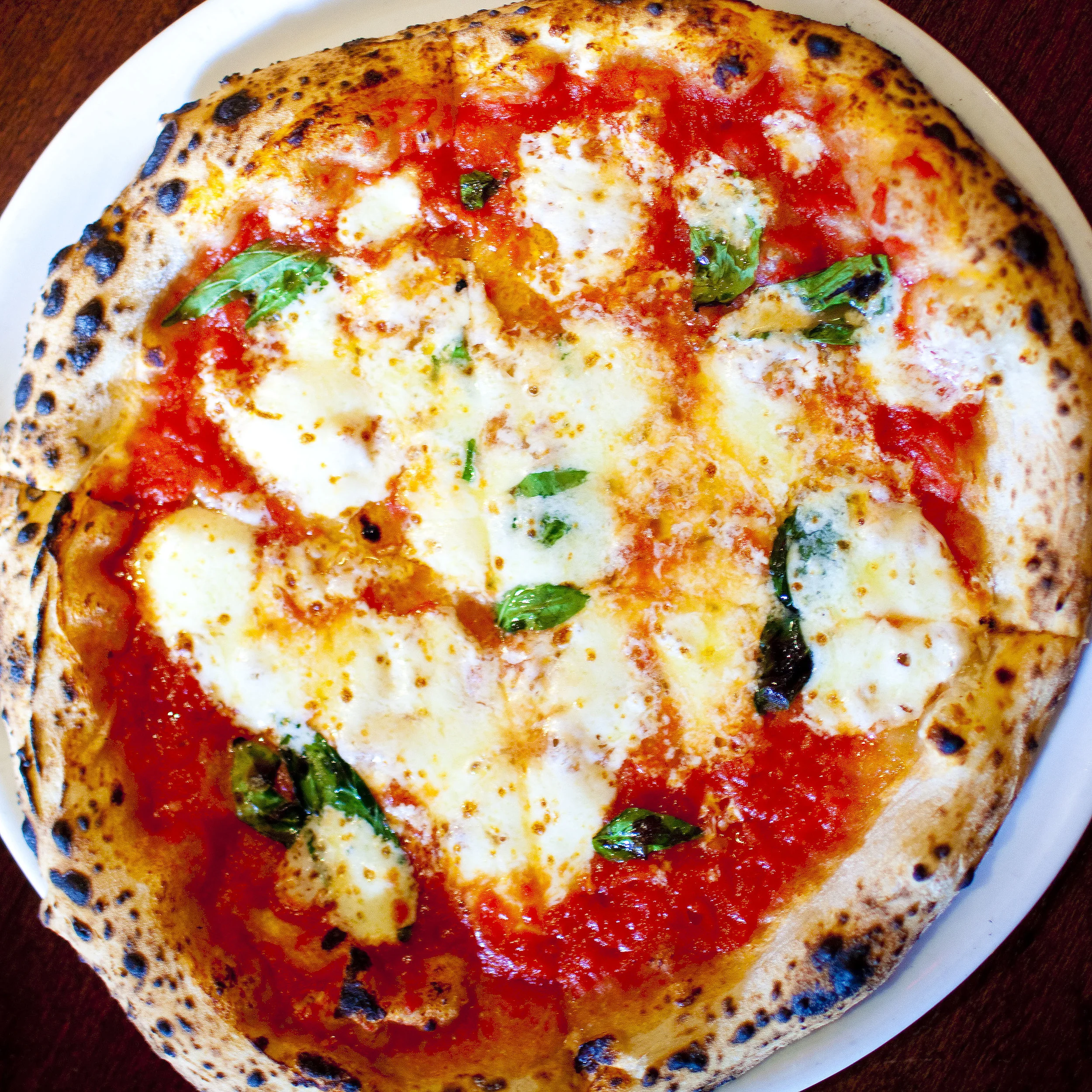
Warning: what you are about to read and see is not safe for work. If you are in a public place, you may want to wait until in the comfort (and safety) of your own home before proceeding. The following photos are pure culinary pornography. On the other side of the East River lies a small village known as Williamsburg, rife with flannel shirts, thick-rimmed glasses, beards, attitudes, and now, pretty good pizza.

Being located in Williamsburg affords Motorino a fair amount of space for a restaurant -- even outdoor courtyard space. The wood-burning pizza oven in the back is cleverly incased by thick glass to lock in the heat, keeping the dining room cool even in the summertime. The simple yet cosy interior keeps the focus on the pies. I was impressed with how my sun-drenched window table turned into a romantic corner alcove as night fell.

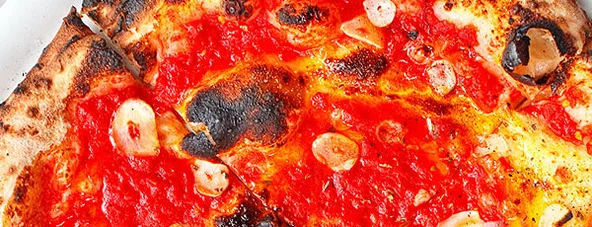
Kesté Pizza & Vino

Slowly but surely, New York's quest for authenticity is improving the quality of pizza in the city. The legends of New York-style pizza: DiFara, Patsy's, Lombardi's, Grimaldi's, are facing a wave of new comers bringing traditional Neopolitan-style pies to the Big Apple. Instead of extra large crispy pies overloaded with mozzarella and globs of olive oil, which make no mistake are still delicious, Neapolitan pies are more restrained: smaller, lighter, elastic, and sparse with cheese and saucing. Fork and knife are required. Unfortunately, there aren't too many places in the city that serve an authentic Naples pie. Kesté is one of them, and it serves the best. Roberto Caporuscio, chef and co-owner of Kesté Pizza & Vino, is a pizza master. Chef Caporuscio comes from Pontinia, Italy just over an hour north of Naples, the putative birthplace of pizza. After several years of training in Napoli he ventured to the United States to share this traditional style of pizza without compromise. New York-style pizza wasn't for him. Despite being the president of the Associazione Pizzaiuoli Napoletani, he is rarely found outside of the kitchen. And if he is, his hands are always covered in white dust. Roberto's enthusiasm for making the perfect pie can be seen almost immediately by watching his slow precise hands working the dough, his eyes almost never straying from the pie.

Marea

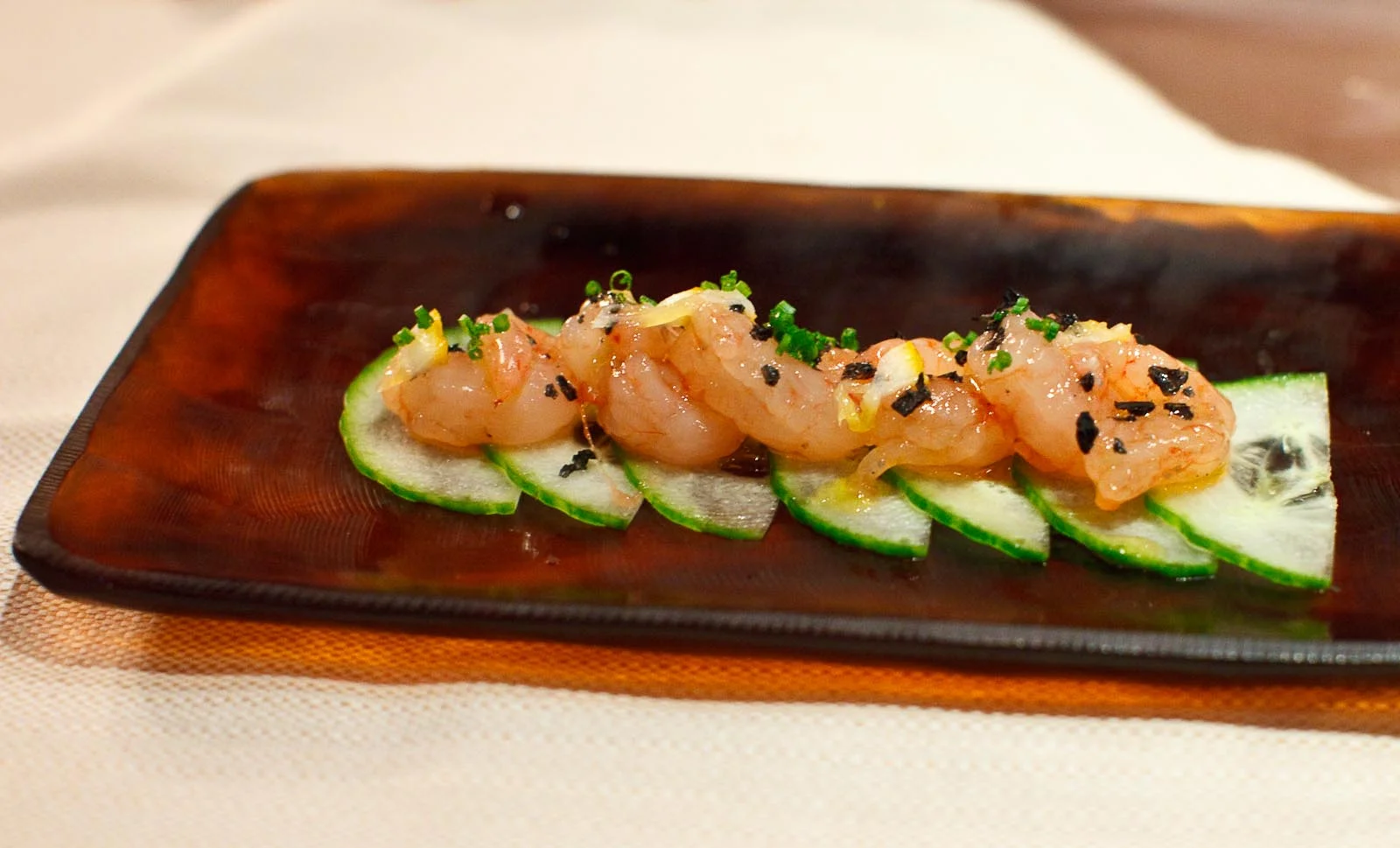
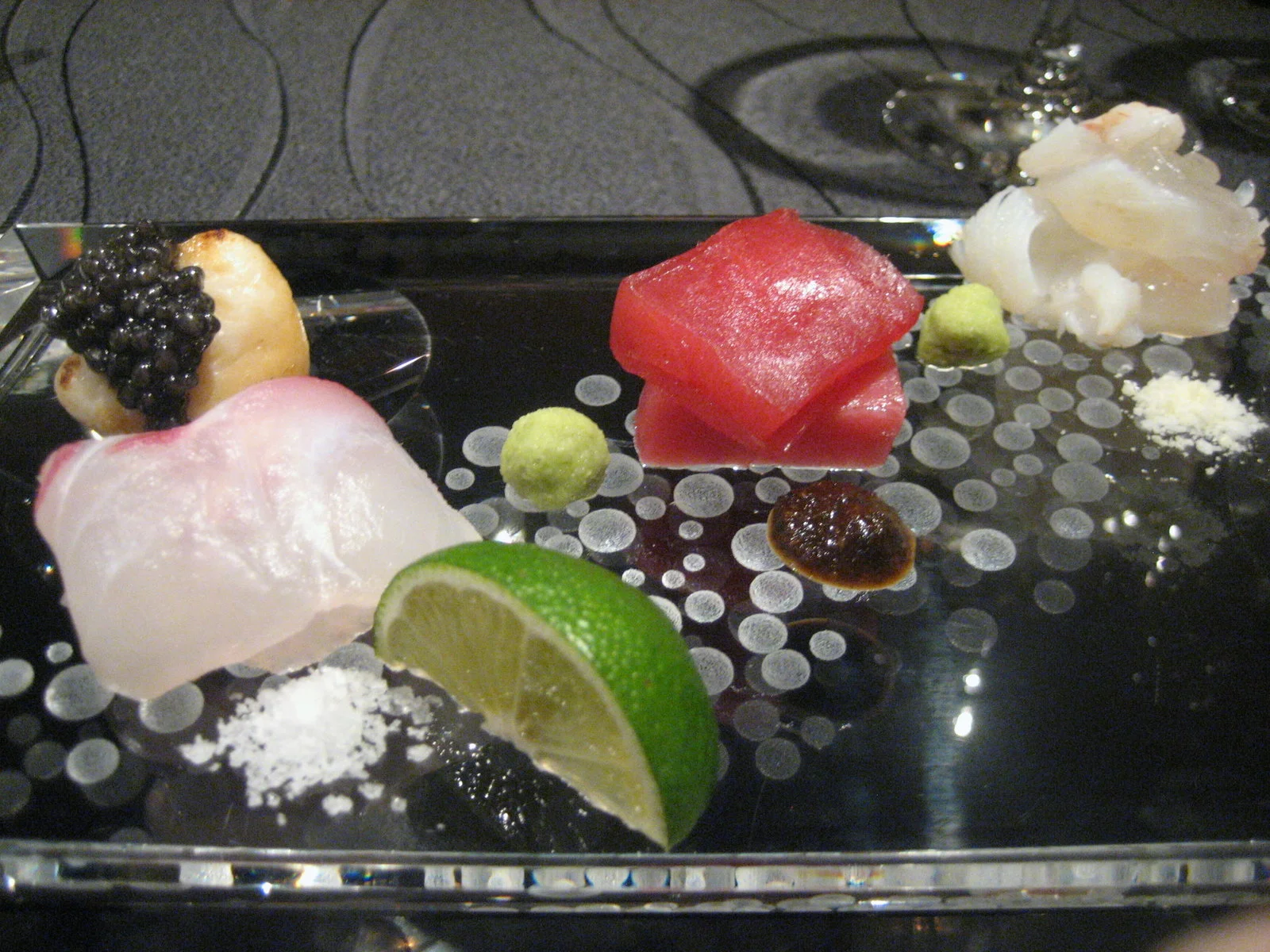
When most New Yorkers think of Italian food, they think of pizza, lasagna, and spaghetti and meatballs: dishes with strong dominantly red sauces. And with good reason. These southern Italian dishes originate where the majority of New York’s Italian immigrants came from. At the turn of the 20th century, New York was the single largest nerve center for Southern Italian immigrants coming over from Naples and Sicily. As a result, Southern Italian cuisine is vastly over-represented in the big apple (which I’m definitely not complaining about). But with this disproportional representation comes the omission of the wonderfully light fish dishes from the coastal cities of Northern Italy. This is where Marea comes in. As sister restaurant of New York's other Northern Italian gem, Alto, Marea's menu is rife with raw seafood. Over half of the menu, in fact. At times some of the plates look Japanese in simplicity and presentation, that is until the golden dab of olive oil shines through.

Marea occupies the former space of San Domenico, which other than perhaps Del Posto, was the most expensive Italian restaurant in the city. In this respect, Chef Michael White's cuisine is similar: it's expensive. But the restaurant space has been completely renovated and no longer feels like a scene from CSI Miami. Its reflective hard lacquer surfaces and focused halogen lighting put the food on a well-lit pedestal.

Noma

"Eating with the terroir," "earth to plate," "fiercely local;" these lofty phrases which at one point had meaning are now often hollow tag lines used to pepper conversations. Frankly, I'm guilty too. It's not easy to describe the appreciation invested in a food's source. But at the same time, an ingredient's source should never supersede flavor. Just because hand-picked moss comes from the high hills of northern Hokkaido, or if tomatoes come picked this morning from a farm nearby, doesn't mean they will necessarily taste good.

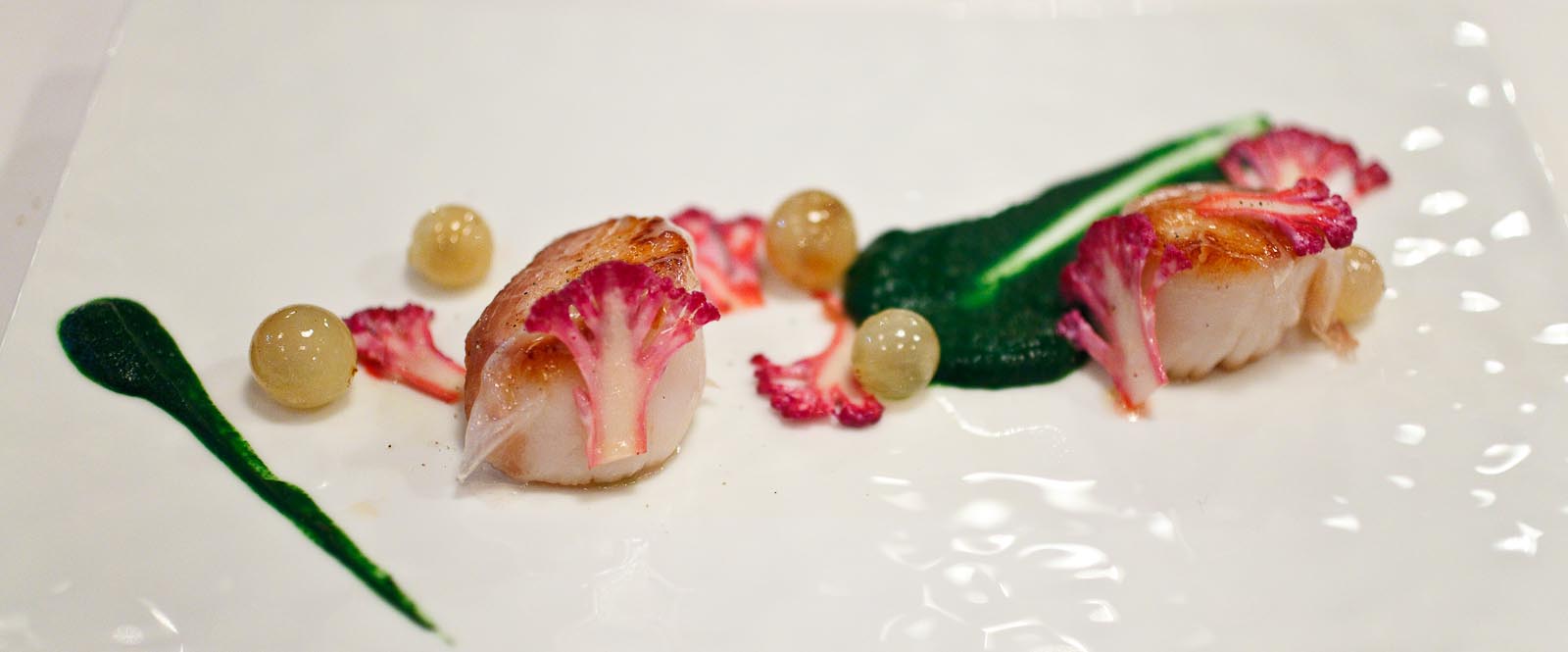
Unfortunately, there are few restaurants that combine an ingredient's unique naturalness with an inventive cuisine that doesn't take the spotlight away from nature. It's usually a tradeoff. Noma has both. The unique flora and fauna found in Scandinavia provides a full spectrum of ingredients with which René Redzepi, chef of Noma Copenhagen, can paint into sophisticated flavor.

Sukiyabashi Jiro

I always thought two parents were more than enough. But after visiting Sukiyabashi Jiro in Ginza, Tokyo, I will be returning with adoption papers. Chef Jiro Ono has been recognized by the Japanese government as a national treasure and “modern master” for his contributions to Japanese cuisine. He has received three Michelin stars. The awards an accolades for this masterful chef are endless. And to believe he is over 80 years old.

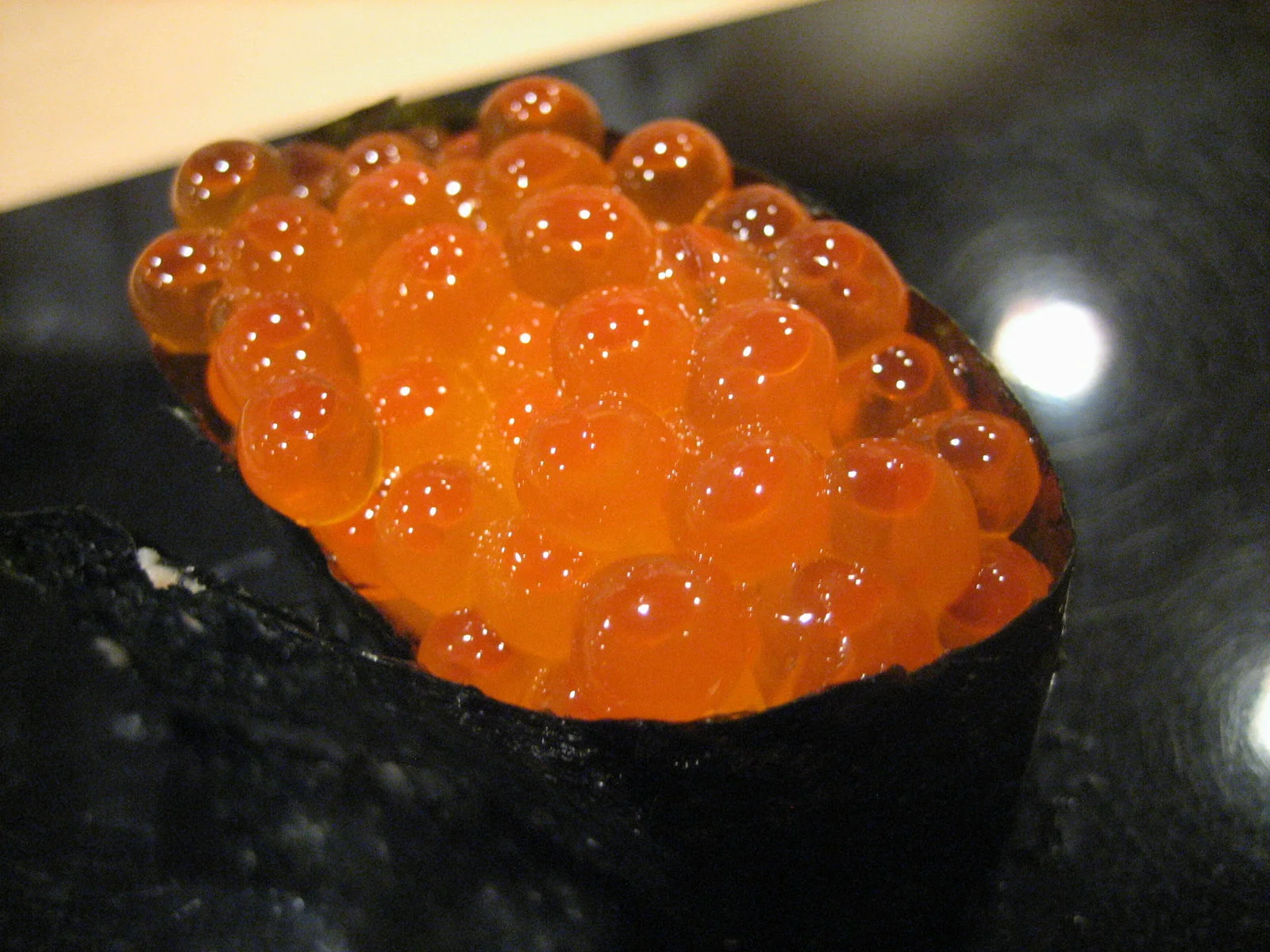
Chef Ono’s dishes are simple and straight forward: the freshest fish imaginable, warm carefully selected and cooked rice, deft knife work, and a collection of wise and sarcastic jokes. He is very serious. But unlike Masa, he was faster to crack a smile. He couldn’t stop smirking at how I took a picture of each piece of sushi and even offered to pose; though, his sharp sushi knife was a forceful deterrent. He has a funny sense of humor and is full of clever quips; my limited Japanese only understood the surface. He asked if we had any allergies or restrictions. We made it very clear that we eat absolutely everything.

RyuGin

Chef Yamamoto Seiji (山本征治) opened RyuGin in December 2003 at the young age of thirty three. Before that he had worked under Koyama Hirohisa (小山裕久) at Aoyagi (青柳) for ten years, channeling his talent for cooking the highest quality ingredients flawlessly. In theory, the highest quality ingredients combined with impeccable cooking should guarantee an unforgettable meal. At least that's what I thought. The restaurant is located on a small side street in Roppongi. The area used to be a bit seedy but after the construction of Roppongi Hills (六本木ヒルズ) completed in 2003, the neighborhood perked up. Now it is known for its sophisticated nightlife including a handful burgeoning restaurants eager to collect their stars. Yet despite being in such a lively neighborhood, RyuGin remains humble and quiet having just under twenty seats.

The service at RyuGin, like the service at nearly every other fine dining establishment in the city, was flawless and graceful. The staff spoke with tremendous knowledge about the menu yet remained impressively humble. The stage was set for a fantastic meal. Everything was ready, that is, except the food.

Tapas Molecular Bar

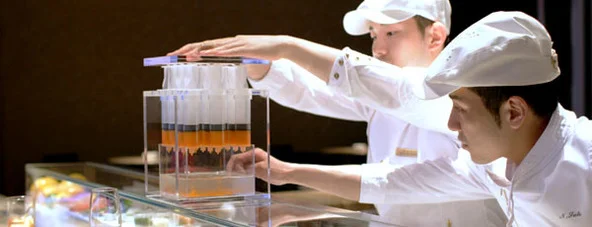
With molecular gastronomy taking the world by storm it was only a matter of time before it crossed the pacific. Located in the sky lobby of the Mandarin Oriental Tokyo, the Tapas Molecular Bar is Japan’s introduction to this innovative and creative cuisine. The interactivity that makes molecular gastronomy so much fun is heightened by the restaurant’s sushi counter seating which holds at most seven guests at a time. The entire evening is filled with conversation between not only dining companions, but with the chefs as well. It is interactive in every respect.

Japan is known for its mix of tradition and technology. I can't tell you how many pictures I've seen of a bullet train passing Mount Fuji with cherry blossoms blooming in the background. This mix of new and old is, what I believe, made the molecular bar so appealing.

Agapé

In a country known for its extensive use of butter, it's refreshing to have a meal where butter is scarce. Dinner at Agapé is light and clean making use of only the freshest seasonal ingredients. The name Agapé itself is one of three Greek words roughly translated into English as love. This title is well-suited as the energetic and enthusiastic passion of the entire staff comes through immediately. I'd never seen a maître'd more genuinely excited to put together a tasting menu. He was proud of the restaurant's creations. And it showed.

The meal started with an amuse bouche of mousseline de potimarron avec orange, graine de tournesol, a thick soup of winter squash brightened by orange zest and sunflower seeds. The soup had a strong flavor of pumpkin with a slightly grainy and creamy texture. The raw sunflower seeds seemed a little misplaced at first; but then I began to enjoy the textural contrast it provided to keep each spoonful interesting. I really liked this.