A Croissant Tour of Paris

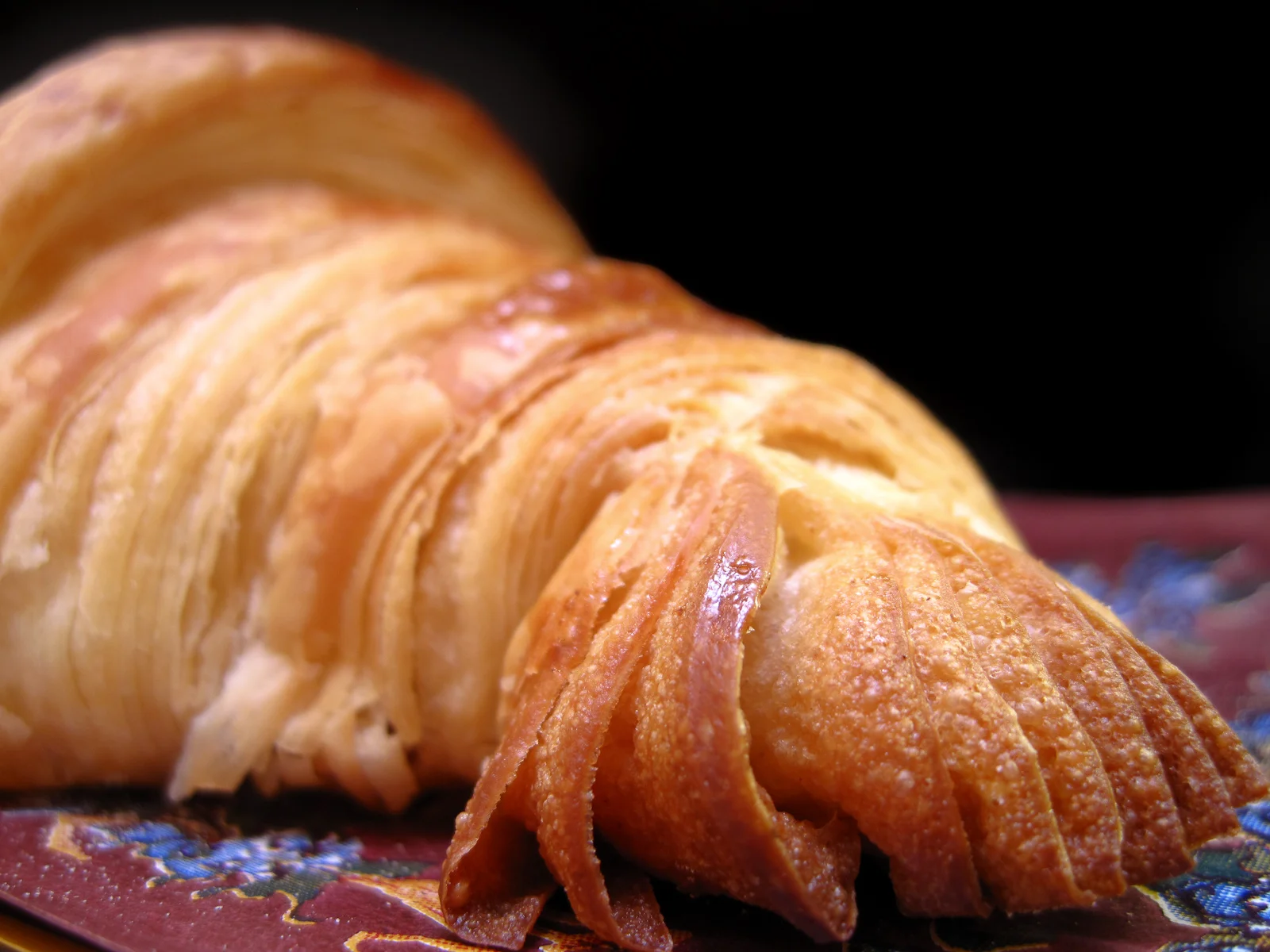
When I first came to Paris I was determined to find the best croissant in the city. But the longer I lived here, and the more croissants I tasted, the clearer things became. There are several boulangeries here that I would classify as having the top tier croissants. Of those top bakeries differences come down to personal preference. Do you prefer a sweeter pastry? More substantive on the inside? How flaky? Even external factors like weather and chance affect the outcome of these pastries: absolute consistency is impossible and is at odds with artisanship. I couldn't pick just one place. My tasting methods were efficient: there were no left overs. (I don't want to talk about the health sacrifice I gave to complete this delicious study.) I tried to keep things as consistent as possible by visiting all the bakeries before 10am; nearly 50 of them, in fact. If it was raining, I returned when it was sunny. I visited each bakery at least twice.
Le Cinq

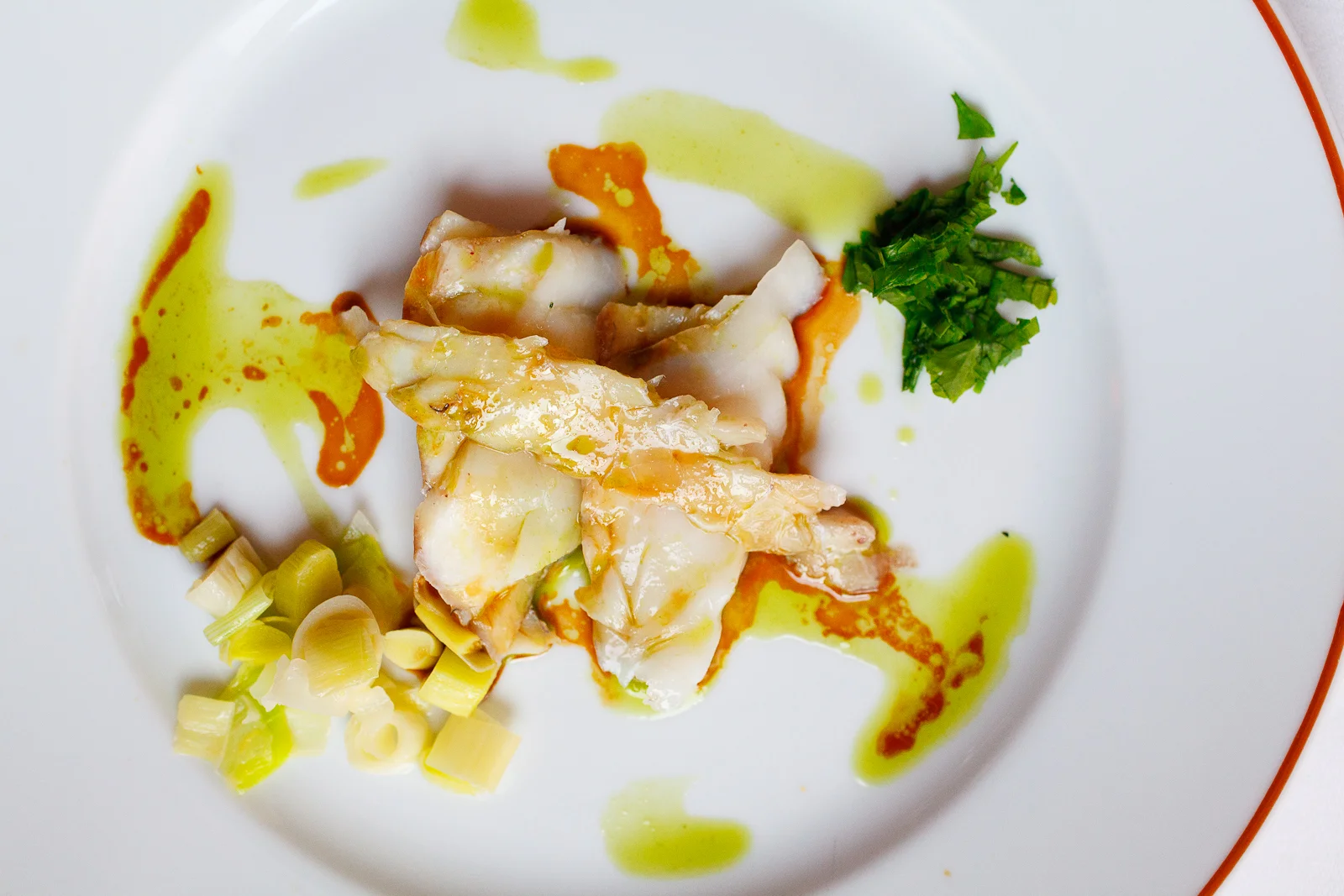
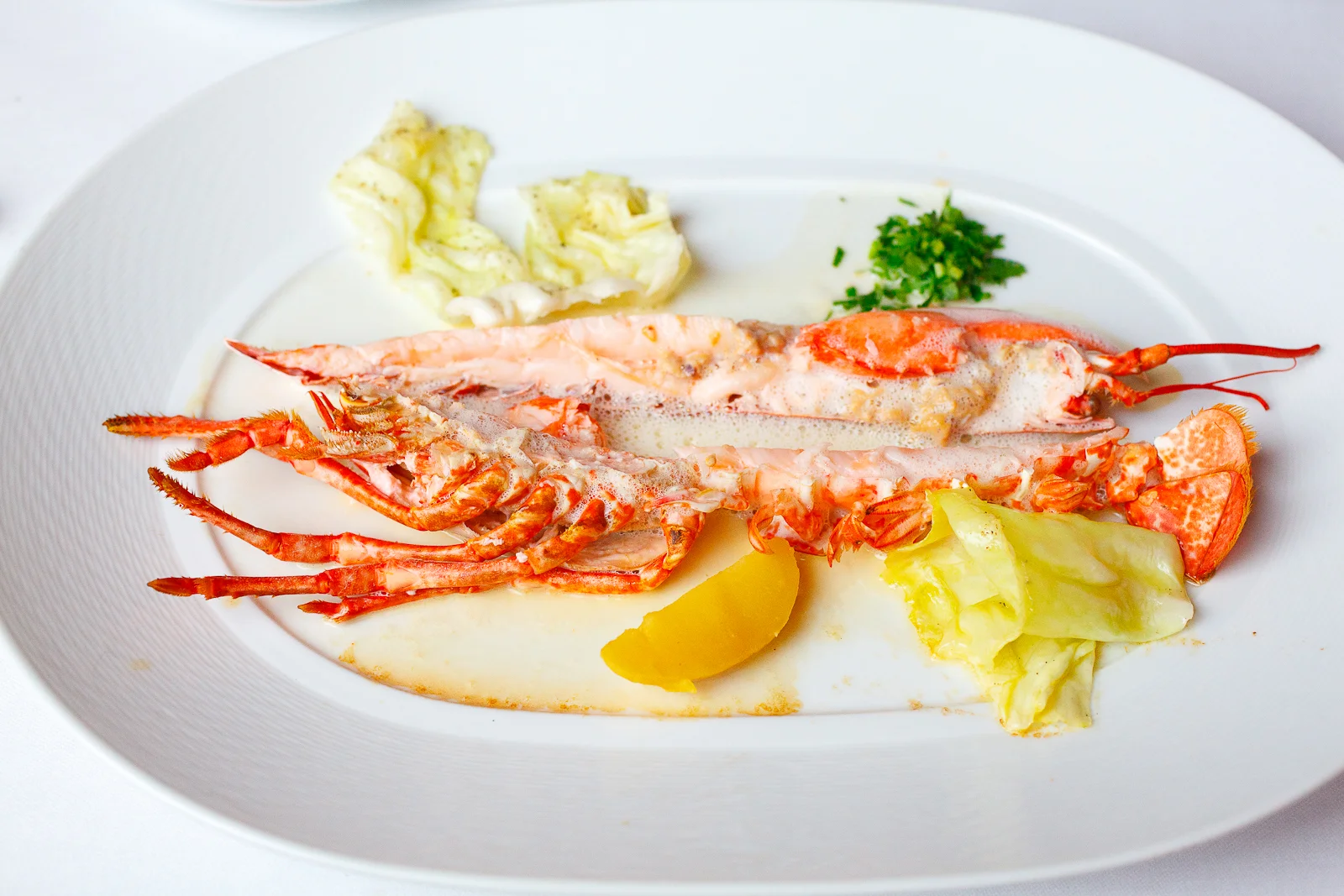
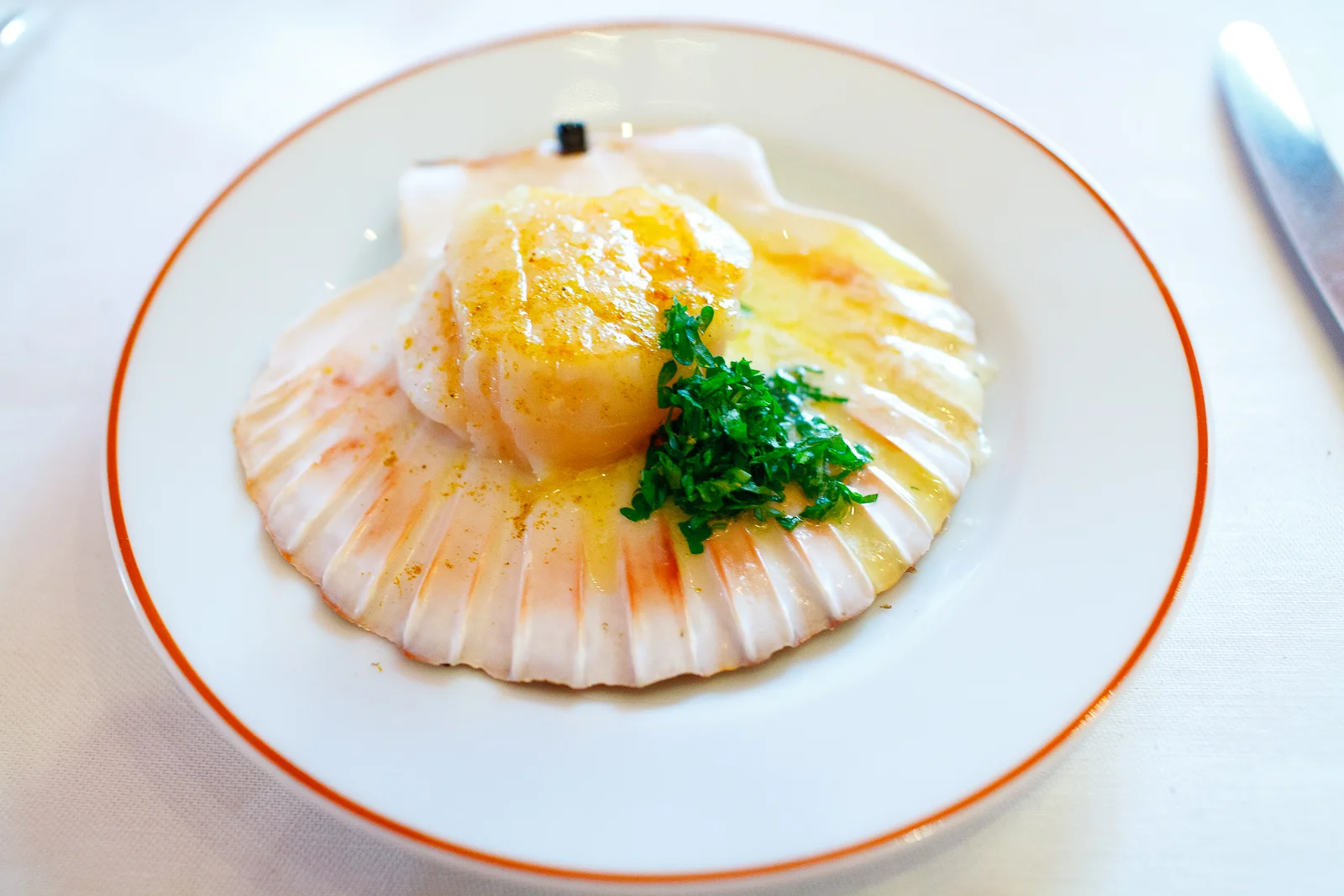
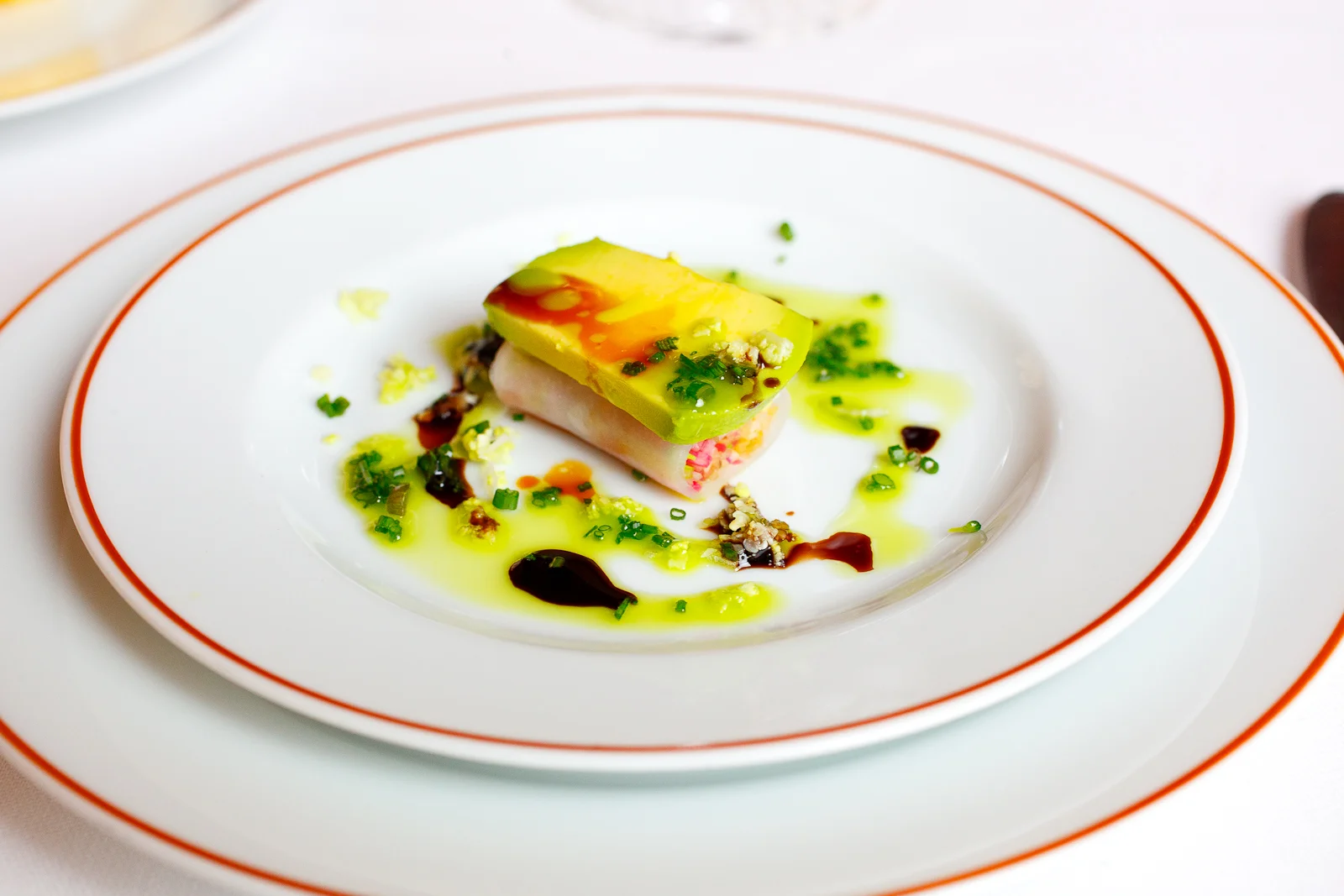
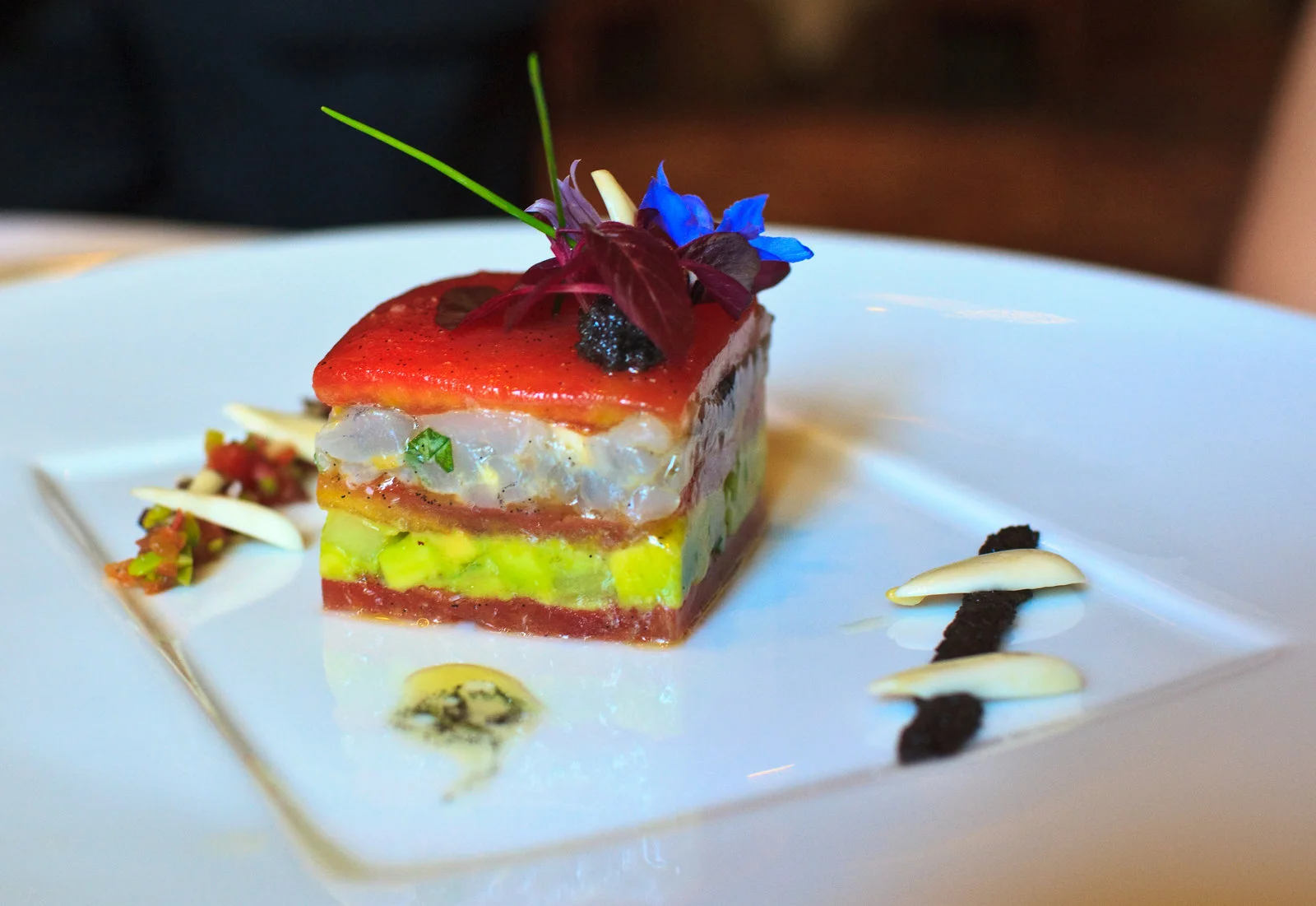
Le Cinq has had three chefs over the past two years. Although it's kept the same name, has been in the same George V hotel, and has been housed in the same beautiful baroque dining room, it has been three different restaurants with each chef exercising his vision of what fine dining should be. The first chef, Philippe Légandre, brought the restaurant its three Michelin stars with a refined seafood-focused menu highlighting simple flavors and combinations. Then in February 2007, Le Cinq lost its third star. Légandre stepped down. His sous-chef took over during the transitory period and played off the better known dishes with minimal modification. Most recently, Éric Briffard took house, specializing in rustic yet sophisticated dishes bringing Le Cinq to an all new high. With him as chef, it's only a matter of time before the third star returns.

Joe the Art of Coffee

Coffee fuels the city that never sleeps. Unfortunately, most of it is terrible. But there are exceptions. It would be unfair to not give Starbucks tremendous credit for raising awareness of coffee and its many forms; however, most of its products remain heavily sugared and over-diluted with milk, cream, and syrups. It's become fast-food drinkable dessert. And even assuming that its beans are of decent quality, its computerized machines over-extract them while many of its unskilled "baristas" continue to flip on the milk steamer and walk away to help other customers, leaving the milk burnt and undrinkable. What was once a trendy logo to carry in your hand is now a red flag for poor taste.

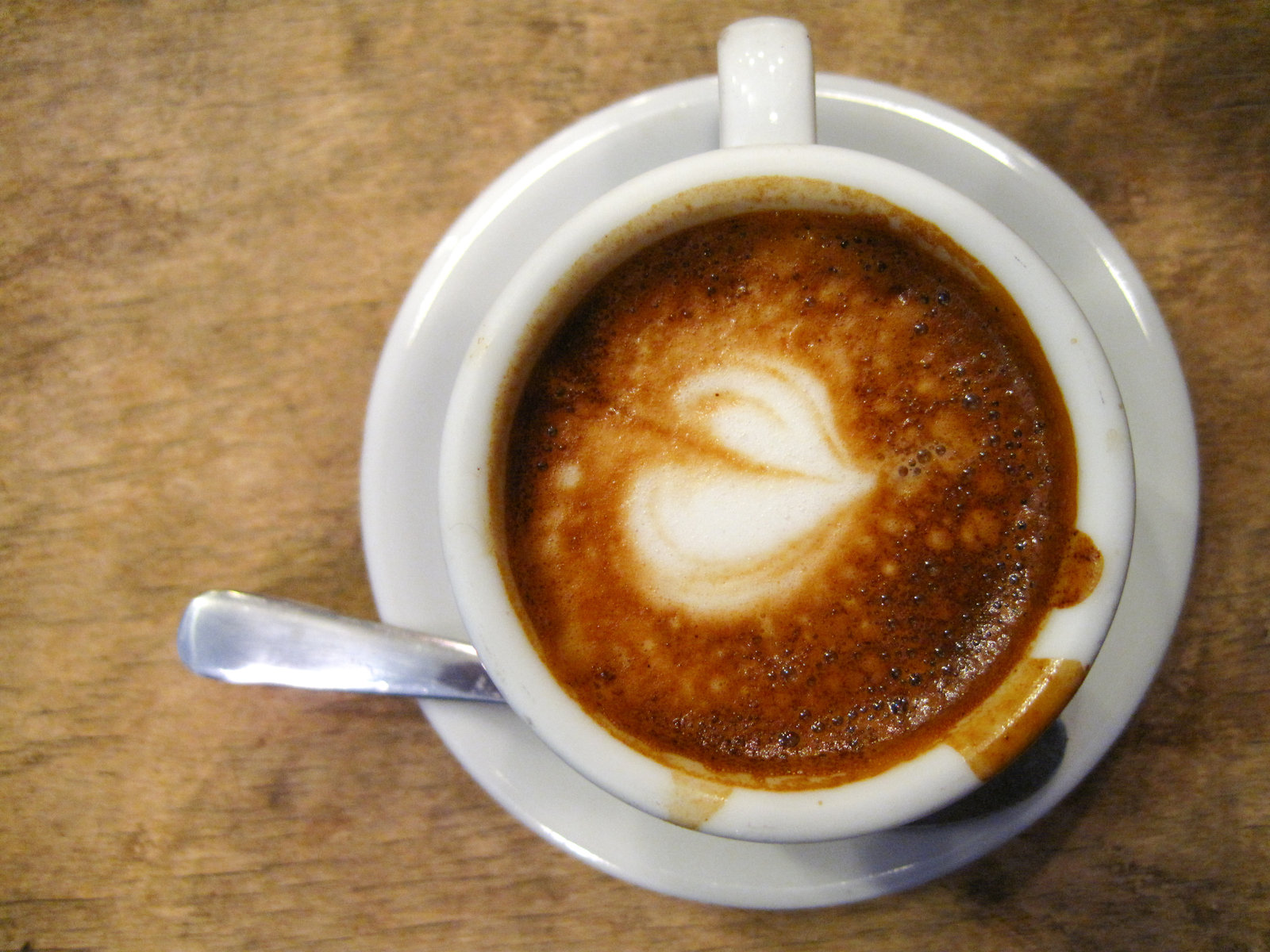
However, a better educated coffee-craving public now has higher demands that Starbucks cannot fulfill in its current form. For this new demand, boutique coffee shops have been opening up and thriving. So much so, in fact, that Starbucks has been opening unbranded, clandestine shops with a community feel to trick consumers into thinking they're local shops. But no matter how hard they try, it will be hard to emulate what's available at Joe the Art of Coffee on Waverly.

Momofuku Noodle Bar

When I first discovered Momofuku Noodle Bar, the concept bewildered me. A New York ramen restaurant seemed misplaced. How could a low-key Asian street-stall dish be hawked to New York's hipsters at high prices? Very readily, it turns out. And I believe the reason for the smashing (if not immediate) success of Noodle and its later brethren lies in chef/owner David Chang's business savvy: small portions, bar seating, loud music, and food that seems at once exotic and comforting. And despite a well-documented hatred for food photography, which I strongly disagree with when done tactfully (no flash and no pictures of diners), Chang allows such gaucherie at the Noodle Bar which means I can share my most recent experience there. The Noodle Bar is sneaky, offering slightly under-portioned dishes at reasonable prices. Designed to be shared, these small plates add up to cost more than a multi-course tasting menu at one of the city's fancier restaurants. This low barrier of entry provides diners the comfort of being able to spend modestly, while the small-statured dishes create the illusion possibility of having "just a bite." Chang is a polarizing figure, with ardent supporters and adamant enemies, but he is tuned in to what the dining public wants in a way many of his peers can only dream of. When one concept doesn't work, he tries another. Noodle's namesake items might be the least popular thing on the menu, and at Ssäm they aren't even available anymore.

Le Meurice

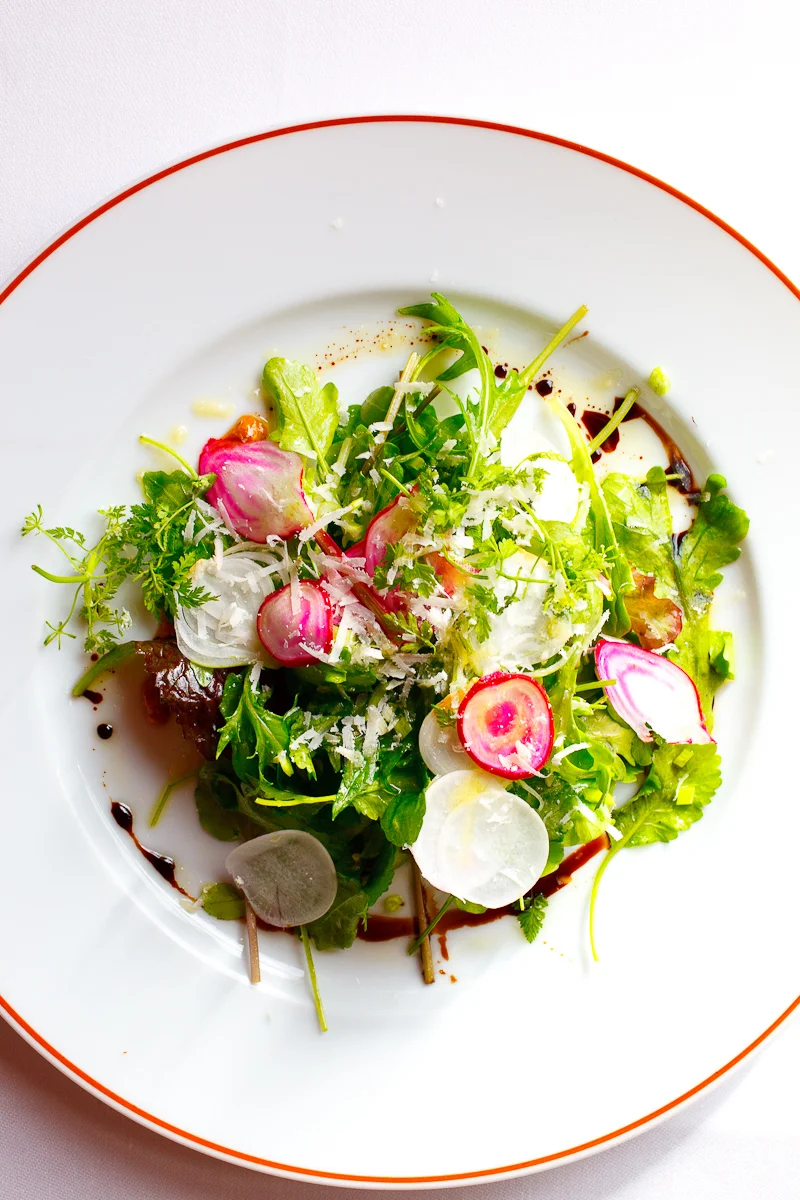
Perhaps the most ostentatious dining room in Paris, Le Meurice transports diners to mid-eighteenth century France when the city was at its peak of opulence and excess. Lined with marble, gold leaf, and mirrors, the walls of Le Meurice give the space a large, palatial feel. Twenty-foot ceilings and crystal chandeliers amplify the grandeur. But while regal and lavish, the large south-facing windows remind diners of the real world on the other side of the glass. It's a beautiful restaurant, both elegant and grandiose. Yet I found that the food, refined though it was, simply lacked flavor. I decided to order à la carte.

To start I was given some canapés: carré (fromage de chèvre) et tomate confite along with hareng fumé et pommes de terre. Goat cheese and sweet tomato confit wasn't a particularly interesting combination, nor was the smoked herring and potato. Both bites, however, offered a pleasant meeting of cream and crunch in a cute geometric package.

Jisaku Tsukiji

It was my mother's first time in Japan. While she was only staying for a short week and a half, the planning for her visit started many months before. I had to create an agenda demonstrating Japan's incredible culinary variety while still making sure she would enjoy, and remember, each meal. If she were to leave Japan thinking the food is anything less than the best in the world, I'd have failed. Kaiseki was going to be a problem. There are just too many places. The number of Michelin starred kaiseki restaurants alone would consume her trip in its entirety; how would I fit in okonomiyaki, teppanaki, yakitori, sukiyaki and shabu shabu? I knew an early morning trip to Tsukiji market was essential, not only for the tuna auction but to show her the abundance of fresh fish that we don't have access to in the US, and the ease with which it can be purchased here. Besides, forget cereal; what better way to start the day than with a small crate of Hokkaido uni.

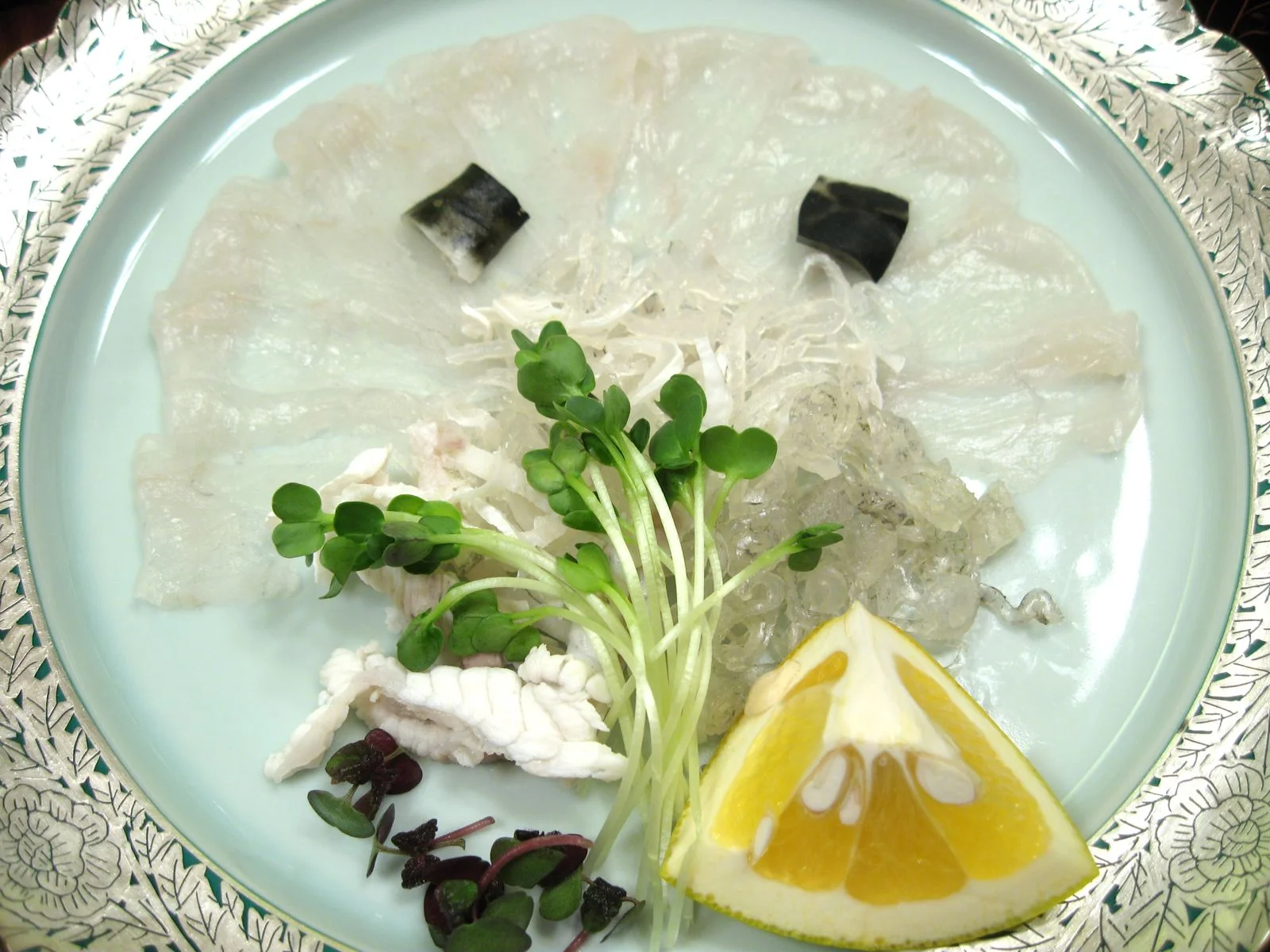
To complement our visit to Tsukiji, later that night, I made a reservation at Jisaku Tsukiji, a small kaiseki restaurant on the fish market's perimeter. Like most well-known kaiseki houses, diners eat in private rooms. This means two things: the meal will be private, and it will be expensive. Thankfully, this was a once in a lifetime experience.

Paul Bocuse

There are few chefs in France so universally known as Paul Bocuse. It could be because Chef Bocuse, a descendant from a family of chefs dating back to the late 1600s, is 83 years old and still works, though less frequently, in the kitchen. Or the fact that his namesake restaurant in Lyon has had three Michelin stars for over 43 years, making it the restaurant to have the longest period of consecutive years with such an honor. Even the state of California has proclaimed March 10 "Paul Bocuse Day." It's no question that Bocuse has an extensive and titled culinary history. What is interesting, however, is that after all these years most of his menu hasn't changed at all. But fortunately Bocuse continues to reproduce these classics with the same quality and passion that made them popular so many years ago. Before my visit to chez Bocuse, I had associated "classical French" with the ubiquitous inclusion of French mother sauces containing butter, crème, and wine reductions tasting so starchy and old-fashioned that they could not be exciting. At least that's what my experience had been. Even in my limited experience at culinary school, we were taught to use these sauces as a springboard for other more elaborate, more international creations to spark originality. But here with Paul Bocuse, the concepts of Spanish molecular gastronomy, California cuisine, and Japanese fusion are foreign. He sticks to the basics; no games. Bocuse only uses classic sauces because he believes it's the best way to highlight the flavors of meat, fish, and vegetables. He does it because it tastes the best. Period.

Ledoyen

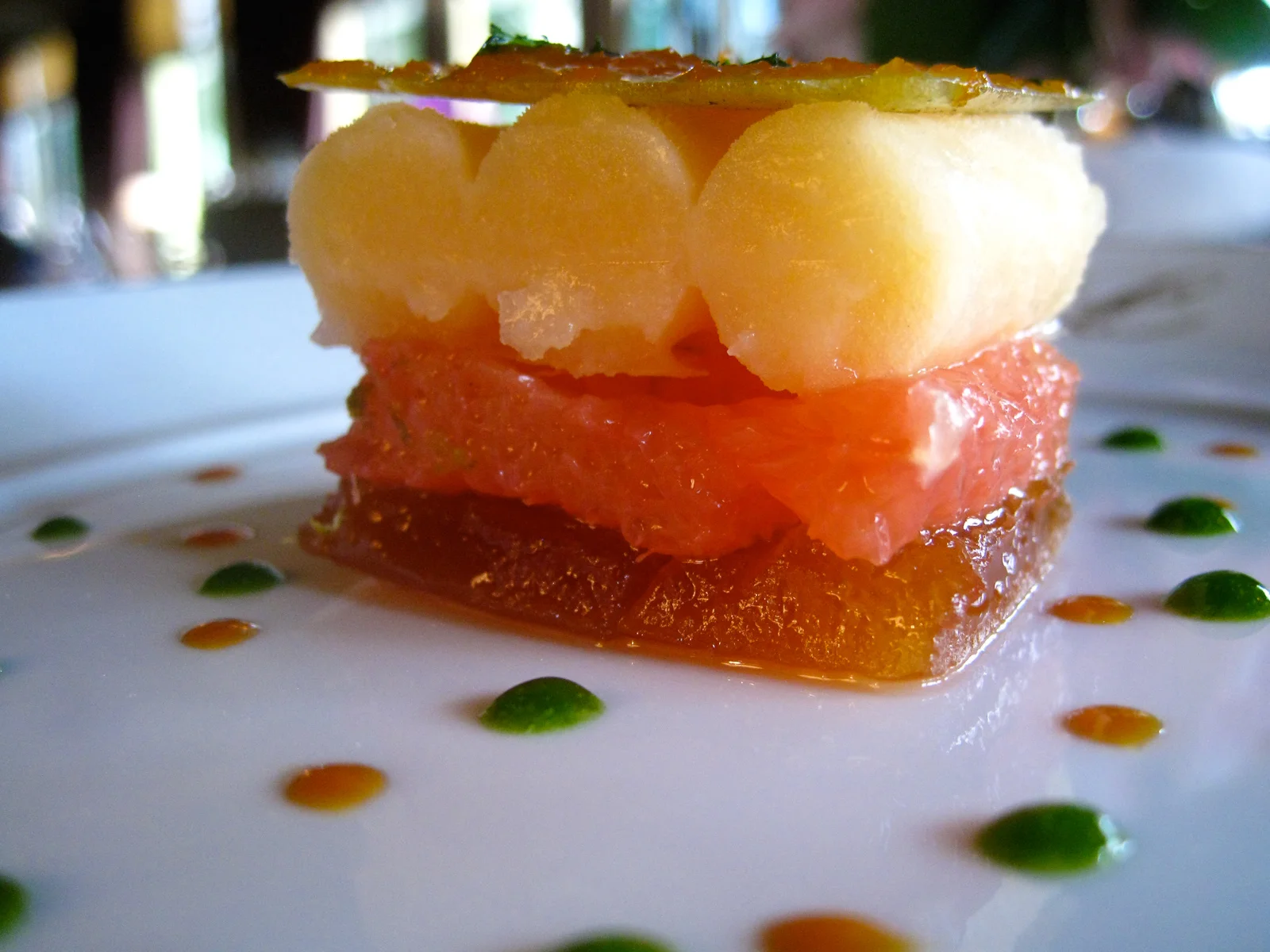
When I was little I remember hearing of "French dining," a term that, to me, meant dressing up fancy and sitting quietly for a bombardment of heavy butter-based sauces used indiscriminately for both fish and meat. Not that there's anything wrong with that, per se. But when a country like France has such an established tradition of fine dining, it can be difficult to respect and learn from such convention while remaining innovative and novel. Precious few restaurants in Paris are able to naturally build off of French culinary tradition while still producing dishes that are creative, avant-garde, and most importantly, delicious. Choosing one's place along this culinary spectrum is no simple task. So imagine my curiosity when I learned that Christian Le Squer's Ledoyen had been in existence since 1792, the same year that Louis XVI was arrested and taken into custody. Yet unlike Louis, it seems that Ledoyen had luck on its side. Despite being over two hundred years old, Ledoyen has been able to bridge tradition and innovation creating interesting and tasteful dishes while still paying homage to the incredible institution that is French fine dining.