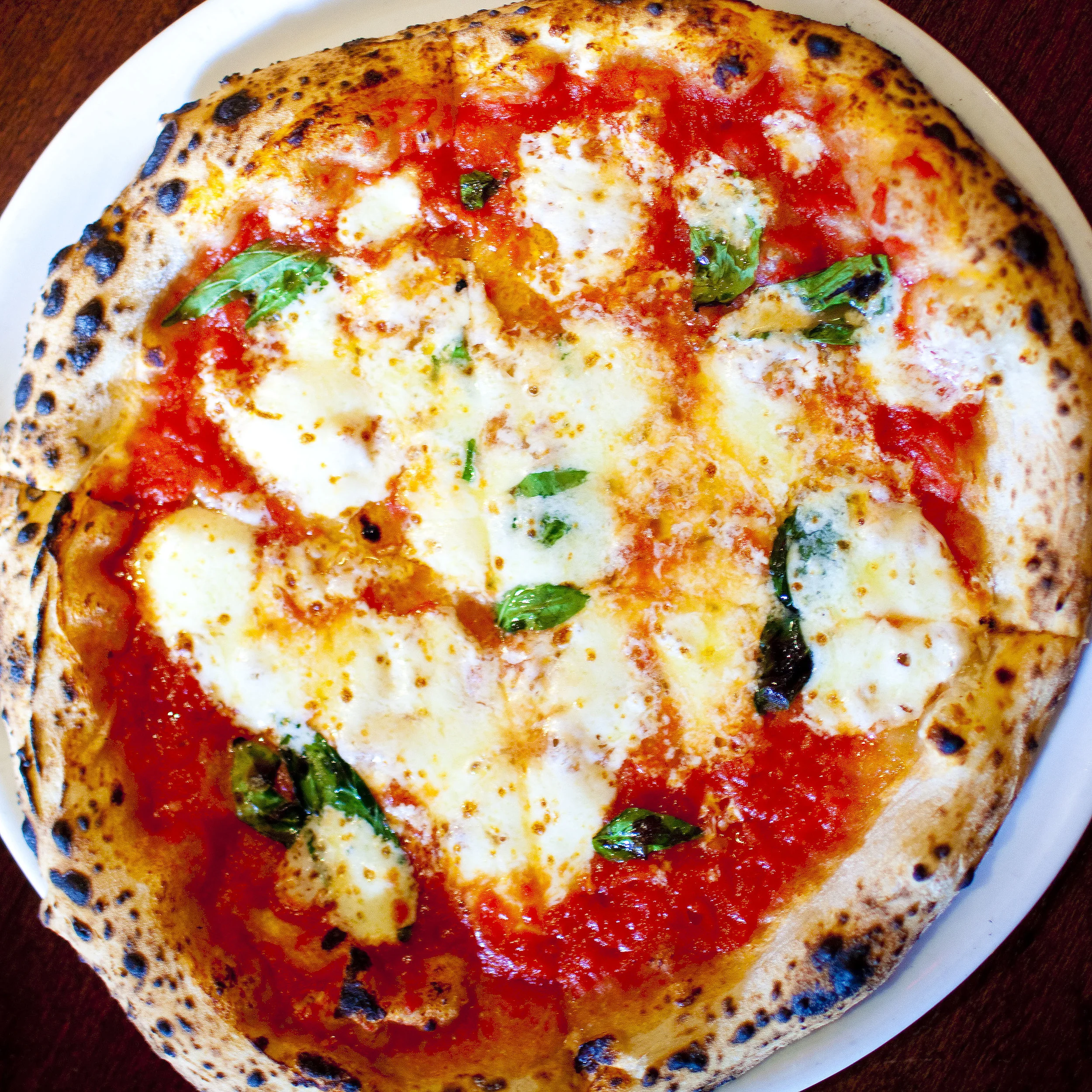
Kesté Pizza & Vino

Slowly but surely, New York's quest for authenticity is improving the quality of pizza in the city. The legends of New York-style pizza: DiFara, Patsy's, Lombardi's, Grimaldi's, are facing a wave of new comers bringing traditional Neopolitan-style pies to the Big Apple. Instead of extra large crispy pies overloaded with mozzarella and globs of olive oil, which make no mistake are still delicious, Neapolitan pies are more restrained: smaller, lighter, elastic, and sparse with cheese and saucing. Fork and knife are required. Unfortunately, there aren't too many places in the city that serve an authentic Naples pie. Kesté is one of them, and it serves the best. Roberto Caporuscio, chef and co-owner of Kesté Pizza & Vino, is a pizza master. Chef Caporuscio comes from Pontinia, Italy just over an hour north of Naples, the putative birthplace of pizza. After several years of training in Napoli he ventured to the United States to share this traditional style of pizza without compromise. New York-style pizza wasn't for him. Despite being the president of the Associazione Pizzaiuoli Napoletani, he is rarely found outside of the kitchen. And if he is, his hands are always covered in white dust. Roberto's enthusiasm for making the perfect pie can be seen almost immediately by watching his slow precise hands working the dough, his eyes almost never straying from the pie.
Marea

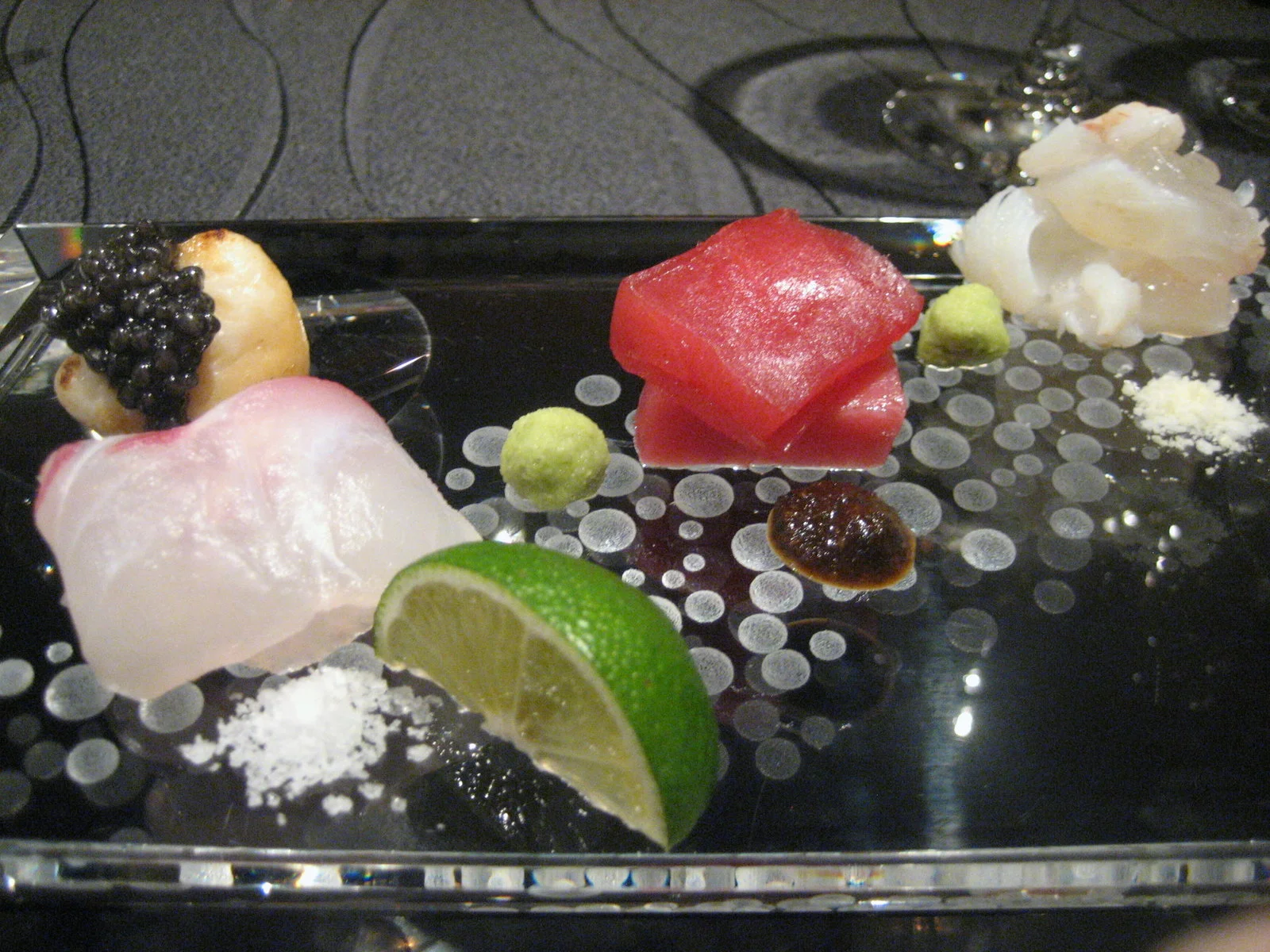
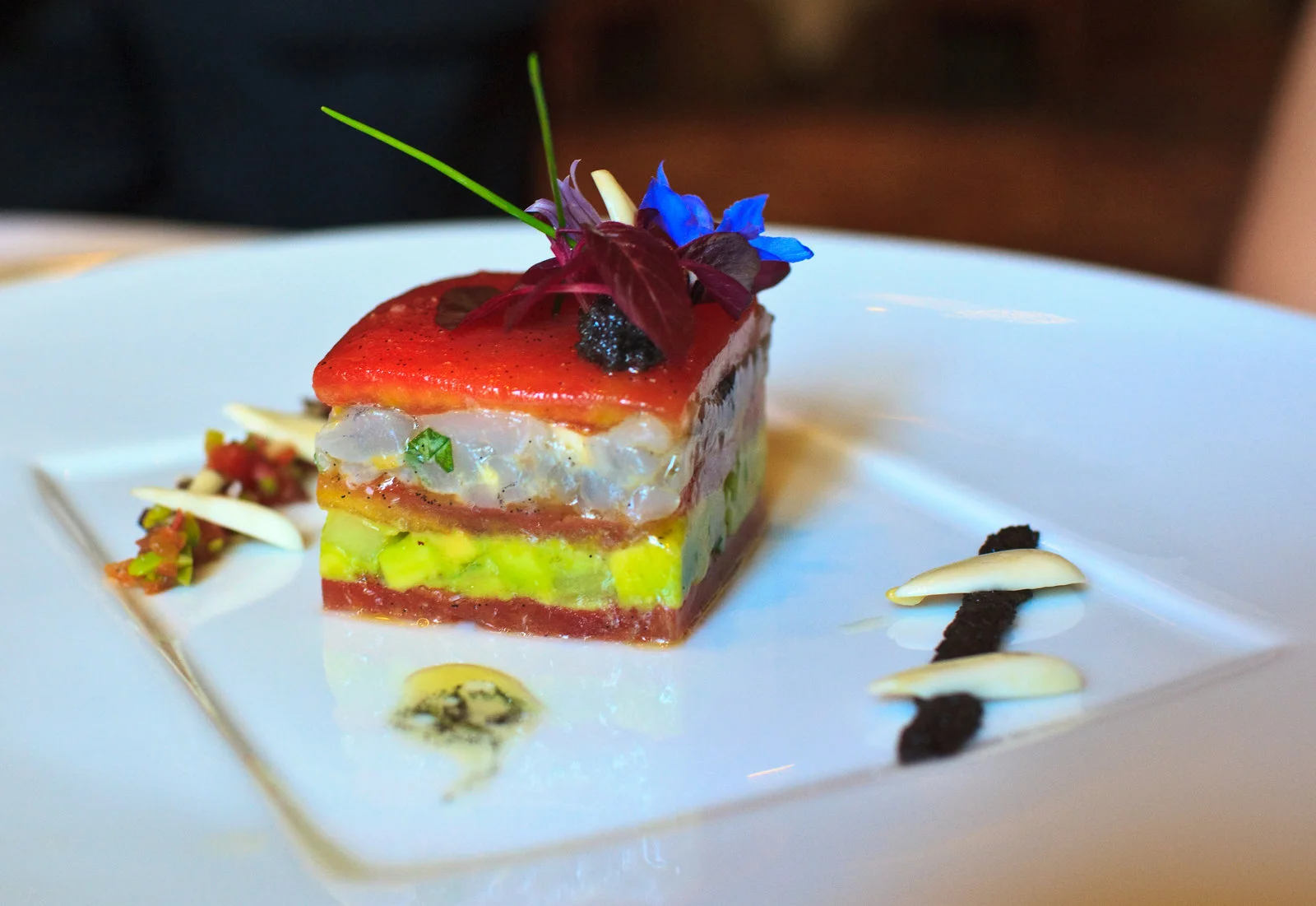
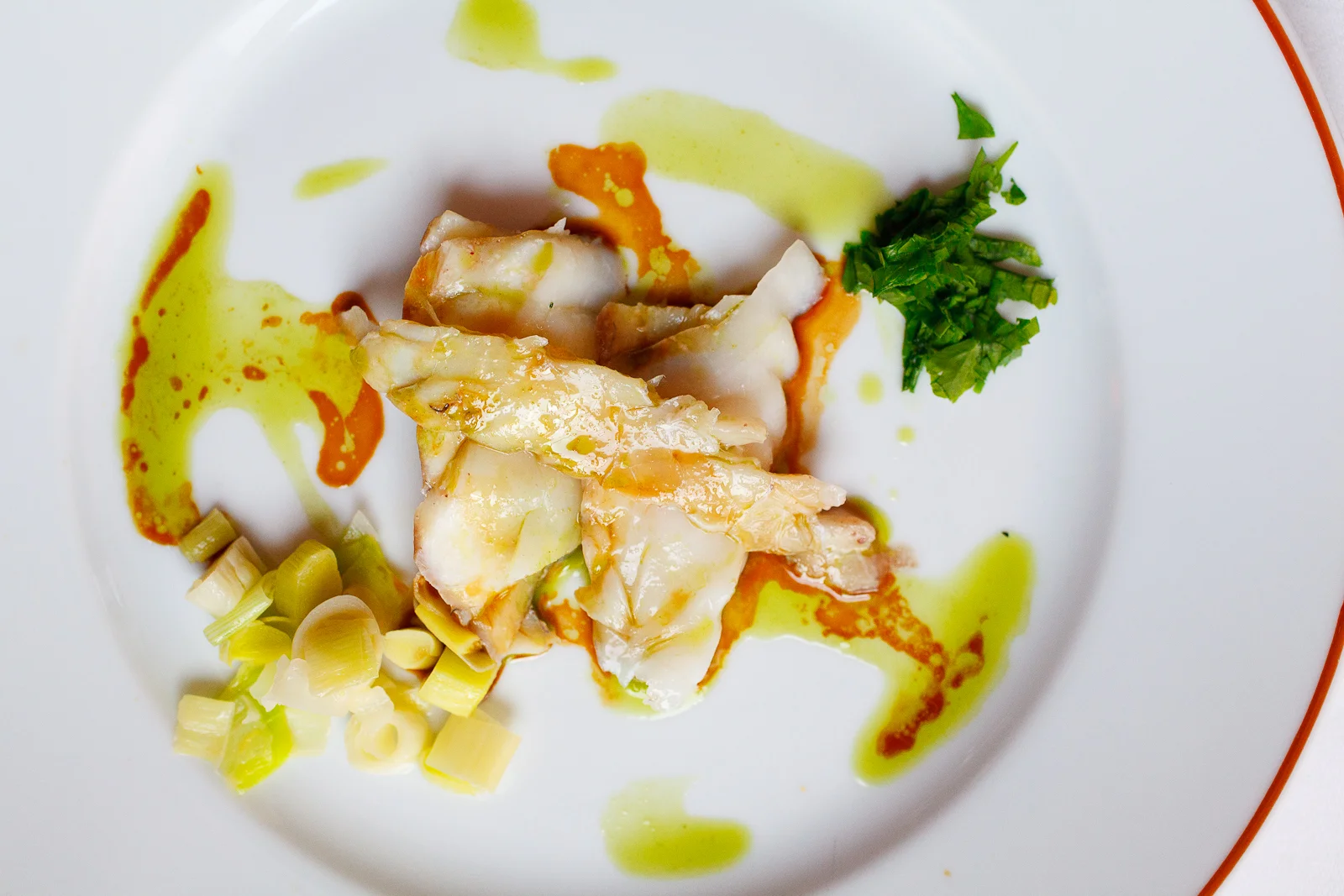
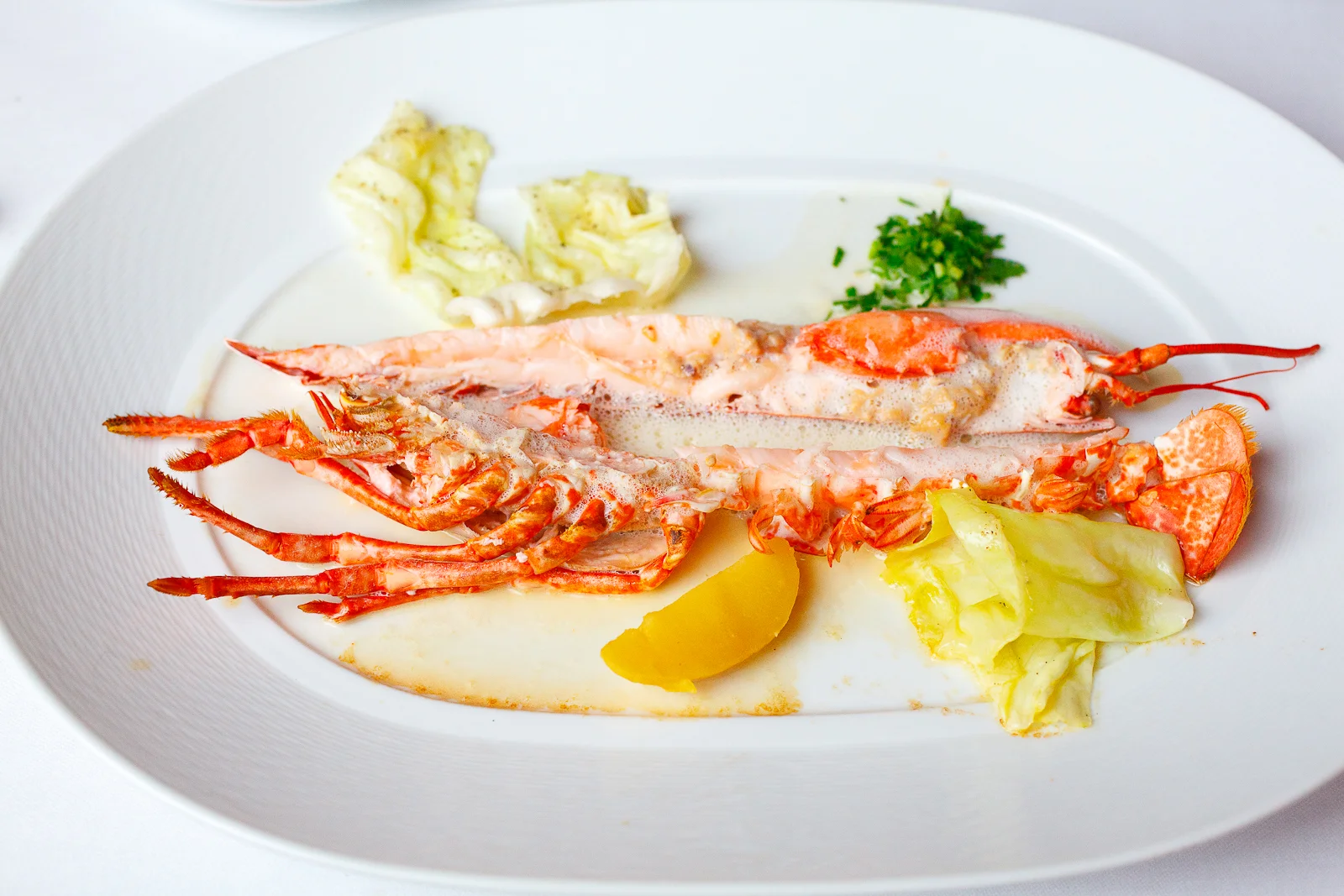
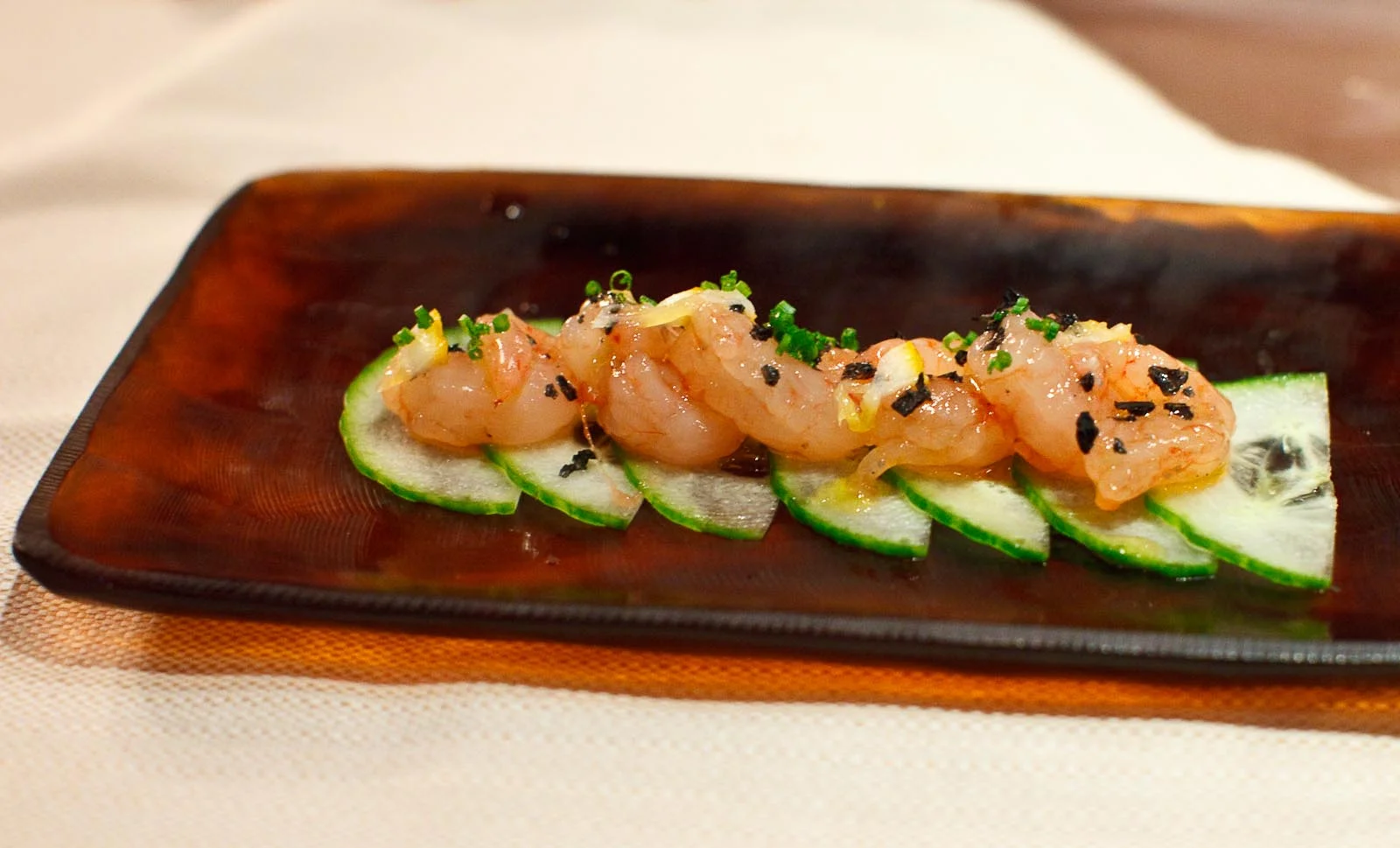
When most New Yorkers think of Italian food, they think of pizza, lasagna, and spaghetti and meatballs: dishes with strong dominantly red sauces. And with good reason. These southern Italian dishes originate where the majority of New York’s Italian immigrants came from. At the turn of the 20th century, New York was the single largest nerve center for Southern Italian immigrants coming over from Naples and Sicily. As a result, Southern Italian cuisine is vastly over-represented in the big apple (which I’m definitely not complaining about). But with this disproportional representation comes the omission of the wonderfully light fish dishes from the coastal cities of Northern Italy. This is where Marea comes in. As sister restaurant of New York's other Northern Italian gem, Alto, Marea's menu is rife with raw seafood. Over half of the menu, in fact. At times some of the plates look Japanese in simplicity and presentation, that is until the golden dab of olive oil shines through.

Marea occupies the former space of San Domenico, which other than perhaps Del Posto, was the most expensive Italian restaurant in the city. In this respect, Chef Michael White's cuisine is similar: it's expensive. But the restaurant space has been completely renovated and no longer feels like a scene from CSI Miami. Its reflective hard lacquer surfaces and focused halogen lighting put the food on a well-lit pedestal.

Noma

"Eating with the terroir," "earth to plate," "fiercely local;" these lofty phrases which at one point had meaning are now often hollow tag lines used to pepper conversations. Frankly, I'm guilty too. It's not easy to describe the appreciation invested in a food's source. But at the same time, an ingredient's source should never supersede flavor. Just because hand-picked moss comes from the high hills of northern Hokkaido, or if tomatoes come picked this morning from a farm nearby, doesn't mean they will necessarily taste good.

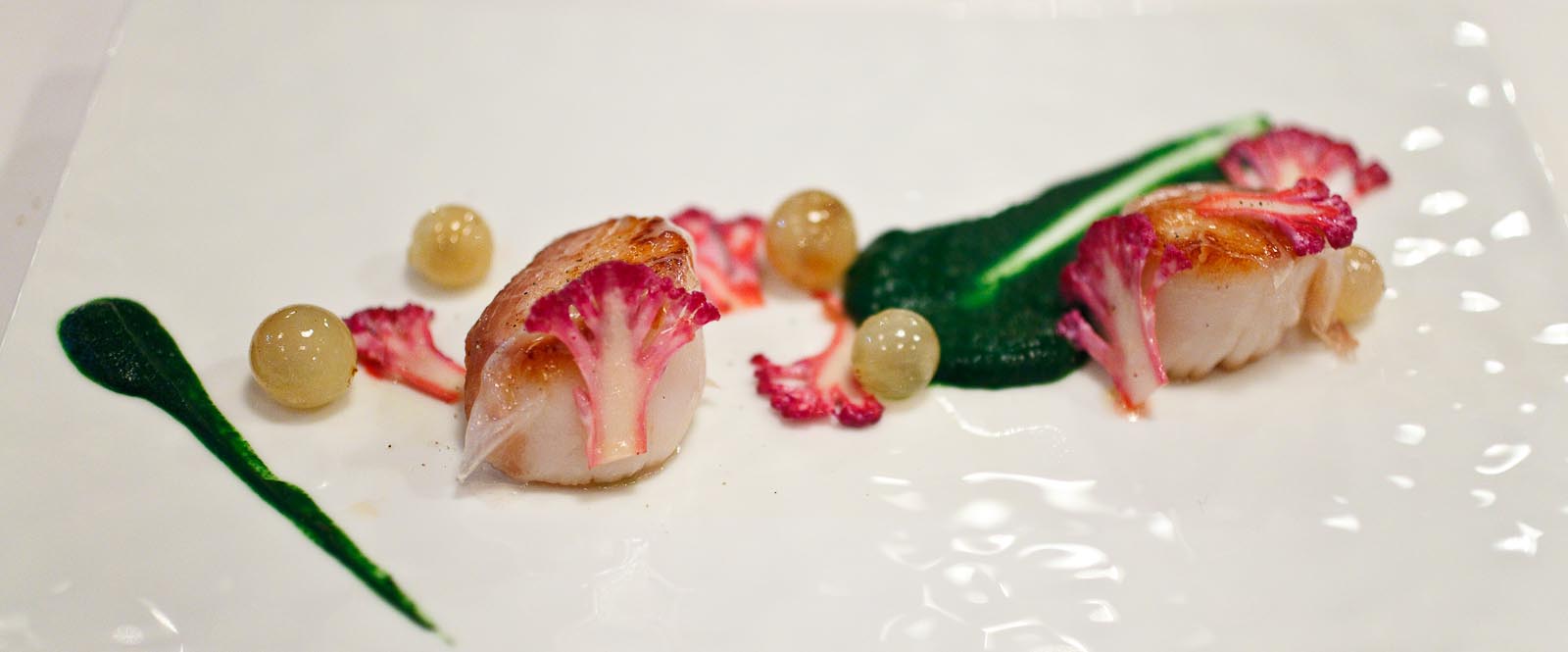
Unfortunately, there are few restaurants that combine an ingredient's unique naturalness with an inventive cuisine that doesn't take the spotlight away from nature. It's usually a tradeoff. Noma has both. The unique flora and fauna found in Scandinavia provides a full spectrum of ingredients with which René Redzepi, chef of Noma Copenhagen, can paint into sophisticated flavor.

Sukiyabashi Jiro

I always thought two parents were more than enough. But after visiting Sukiyabashi Jiro in Ginza, Tokyo, I will be returning with adoption papers. Chef Jiro Ono has been recognized by the Japanese government as a national treasure and “modern master” for his contributions to Japanese cuisine. He has received three Michelin stars. The awards an accolades for this masterful chef are endless. And to believe he is over 80 years old.

Chef Ono’s dishes are simple and straight forward: the freshest fish imaginable, warm carefully selected and cooked rice, deft knife work, and a collection of wise and sarcastic jokes. He is very serious. But unlike Masa, he was faster to crack a smile. He couldn’t stop smirking at how I took a picture of each piece of sushi and even offered to pose; though, his sharp sushi knife was a forceful deterrent. He has a funny sense of humor and is full of clever quips; my limited Japanese only understood the surface. He asked if we had any allergies or restrictions. We made it very clear that we eat absolutely everything.

RyuGin

Chef Yamamoto Seiji (山本征治) opened RyuGin in December 2003 at the young age of thirty three. Before that he had worked under Koyama Hirohisa (小山裕久) at Aoyagi (青柳) for ten years, channeling his talent for cooking the highest quality ingredients flawlessly. In theory, the highest quality ingredients combined with impeccable cooking should guarantee an unforgettable meal. At least that's what I thought. The restaurant is located on a small side street in Roppongi. The area used to be a bit seedy but after the construction of Roppongi Hills (六本木ヒルズ) completed in 2003, the neighborhood perked up. Now it is known for its sophisticated nightlife including a handful burgeoning restaurants eager to collect their stars. Yet despite being in such a lively neighborhood, RyuGin remains humble and quiet having just under twenty seats.

The service at RyuGin, like the service at nearly every other fine dining establishment in the city, was flawless and graceful. The staff spoke with tremendous knowledge about the menu yet remained impressively humble. The stage was set for a fantastic meal. Everything was ready, that is, except the food.

Tapas Molecular Bar

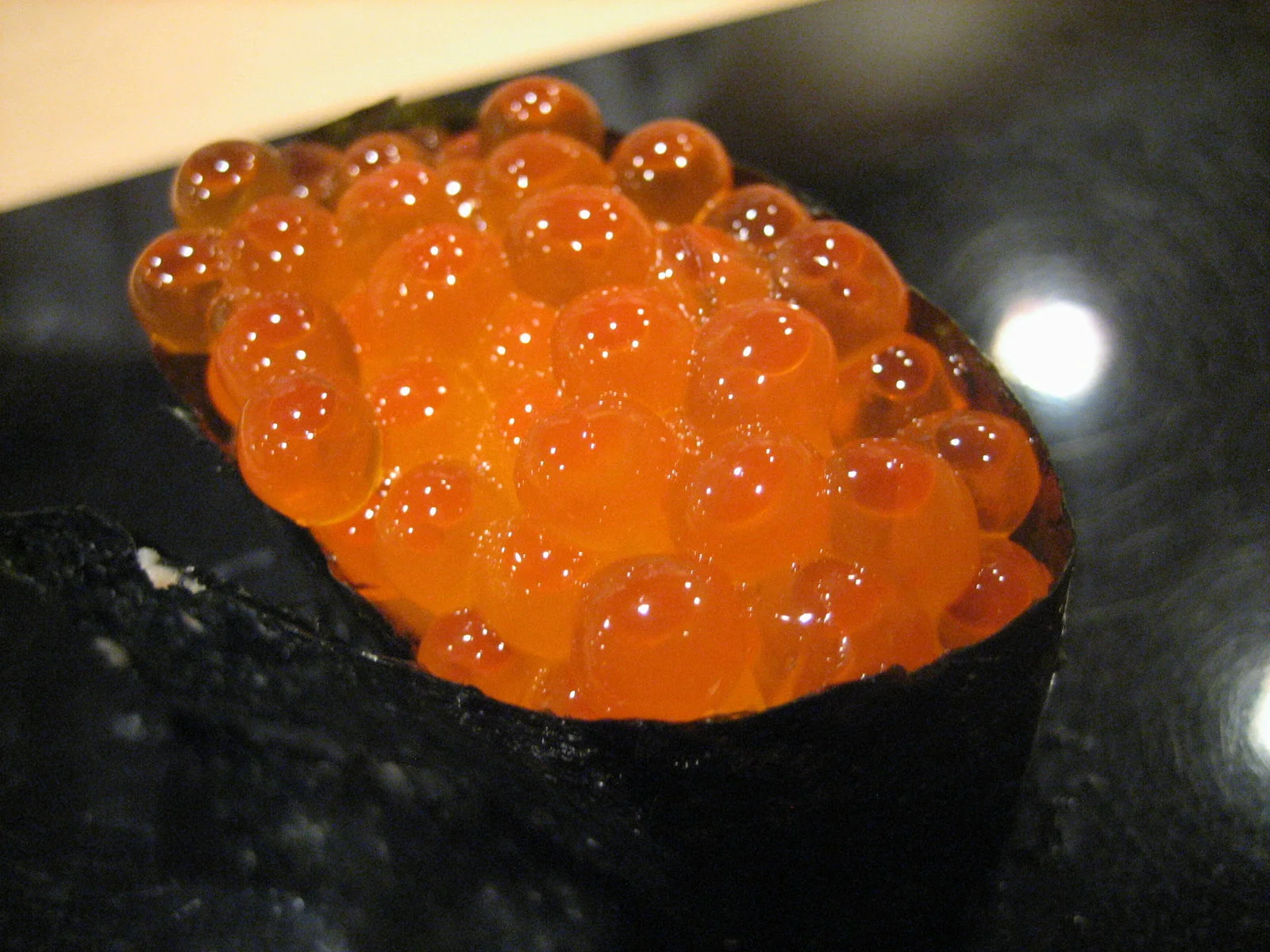
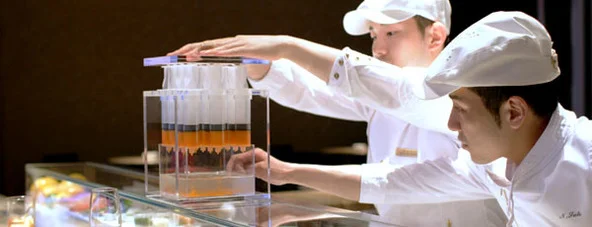
With molecular gastronomy taking the world by storm it was only a matter of time before it crossed the pacific. Located in the sky lobby of the Mandarin Oriental Tokyo, the Tapas Molecular Bar is Japan’s introduction to this innovative and creative cuisine. The interactivity that makes molecular gastronomy so much fun is heightened by the restaurant’s sushi counter seating which holds at most seven guests at a time. The entire evening is filled with conversation between not only dining companions, but with the chefs as well. It is interactive in every respect.

Japan is known for its mix of tradition and technology. I can't tell you how many pictures I've seen of a bullet train passing Mount Fuji with cherry blossoms blooming in the background. This mix of new and old is, what I believe, made the molecular bar so appealing.

Agapé

In a country known for its extensive use of butter, it's refreshing to have a meal where butter is scarce. Dinner at Agapé is light and clean making use of only the freshest seasonal ingredients. The name Agapé itself is one of three Greek words roughly translated into English as love. This title is well-suited as the energetic and enthusiastic passion of the entire staff comes through immediately. I'd never seen a maître'd more genuinely excited to put together a tasting menu. He was proud of the restaurant's creations. And it showed.

The meal started with an amuse bouche of mousseline de potimarron avec orange, graine de tournesol, a thick soup of winter squash brightened by orange zest and sunflower seeds. The soup had a strong flavor of pumpkin with a slightly grainy and creamy texture. The raw sunflower seeds seemed a little misplaced at first; but then I began to enjoy the textural contrast it provided to keep each spoonful interesting. I really liked this.

A Croissant Tour of Paris

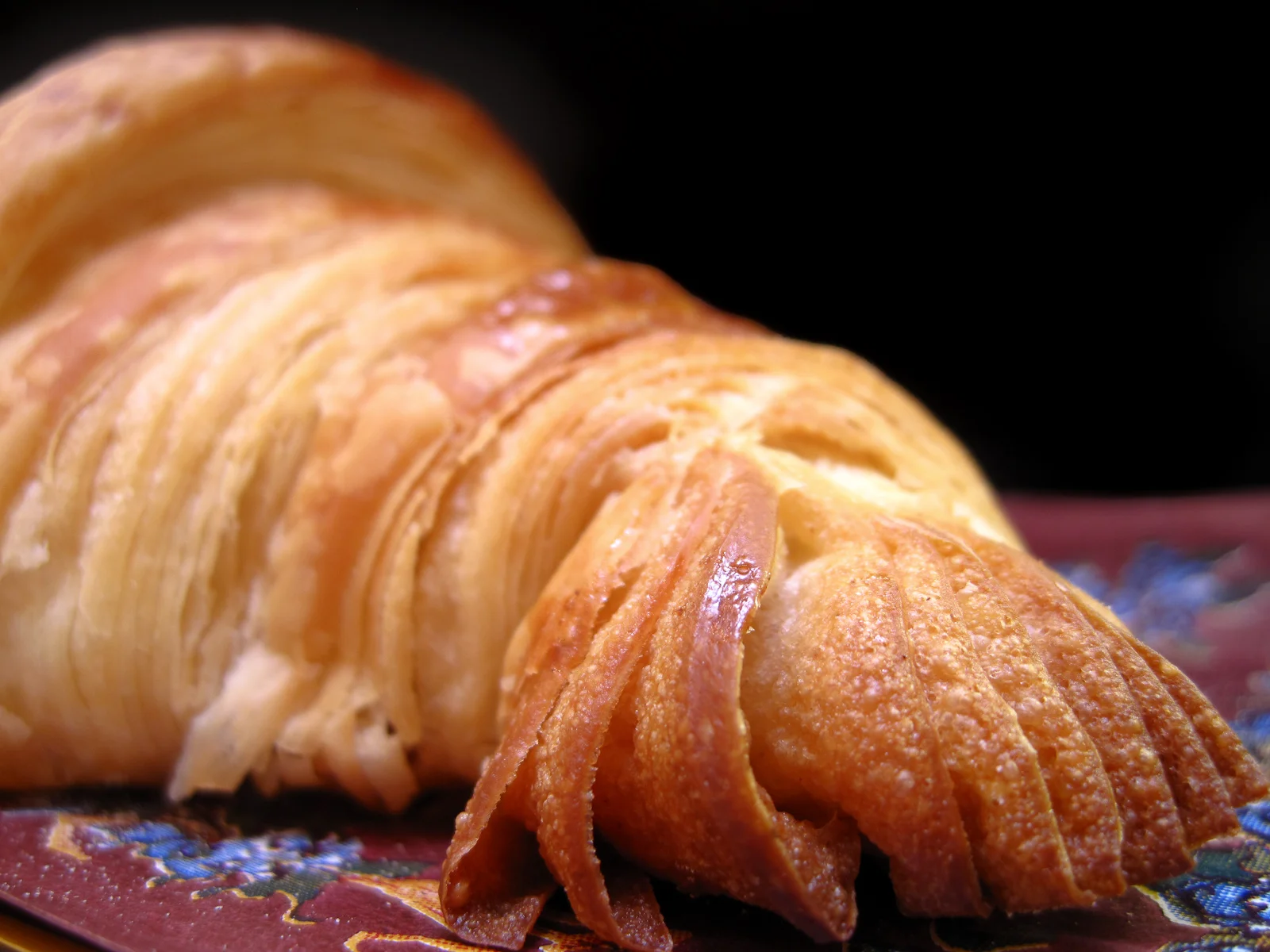
When I first came to Paris I was determined to find the best croissant in the city. But the longer I lived here, and the more croissants I tasted, the clearer things became. There are several boulangeries here that I would classify as having the top tier croissants. Of those top bakeries differences come down to personal preference. Do you prefer a sweeter pastry? More substantive on the inside? How flaky? Even external factors like weather and chance affect the outcome of these pastries: absolute consistency is impossible and is at odds with artisanship. I couldn't pick just one place. My tasting methods were efficient: there were no left overs. (I don't want to talk about the health sacrifice I gave to complete this delicious study.) I tried to keep things as consistent as possible by visiting all the bakeries before 10am; nearly 50 of them, in fact. If it was raining, I returned when it was sunny. I visited each bakery at least twice.

Le Cinq

Le Cinq has had three chefs over the past two years. Although it's kept the same name, has been in the same George V hotel, and has been housed in the same beautiful baroque dining room, it has been three different restaurants with each chef exercising his vision of what fine dining should be. The first chef, Philippe Légandre, brought the restaurant its three Michelin stars with a refined seafood-focused menu highlighting simple flavors and combinations. Then in February 2007, Le Cinq lost its third star. Légandre stepped down. His sous-chef took over during the transitory period and played off the better known dishes with minimal modification. Most recently, Éric Briffard took house, specializing in rustic yet sophisticated dishes bringing Le Cinq to an all new high. With him as chef, it's only a matter of time before the third star returns.

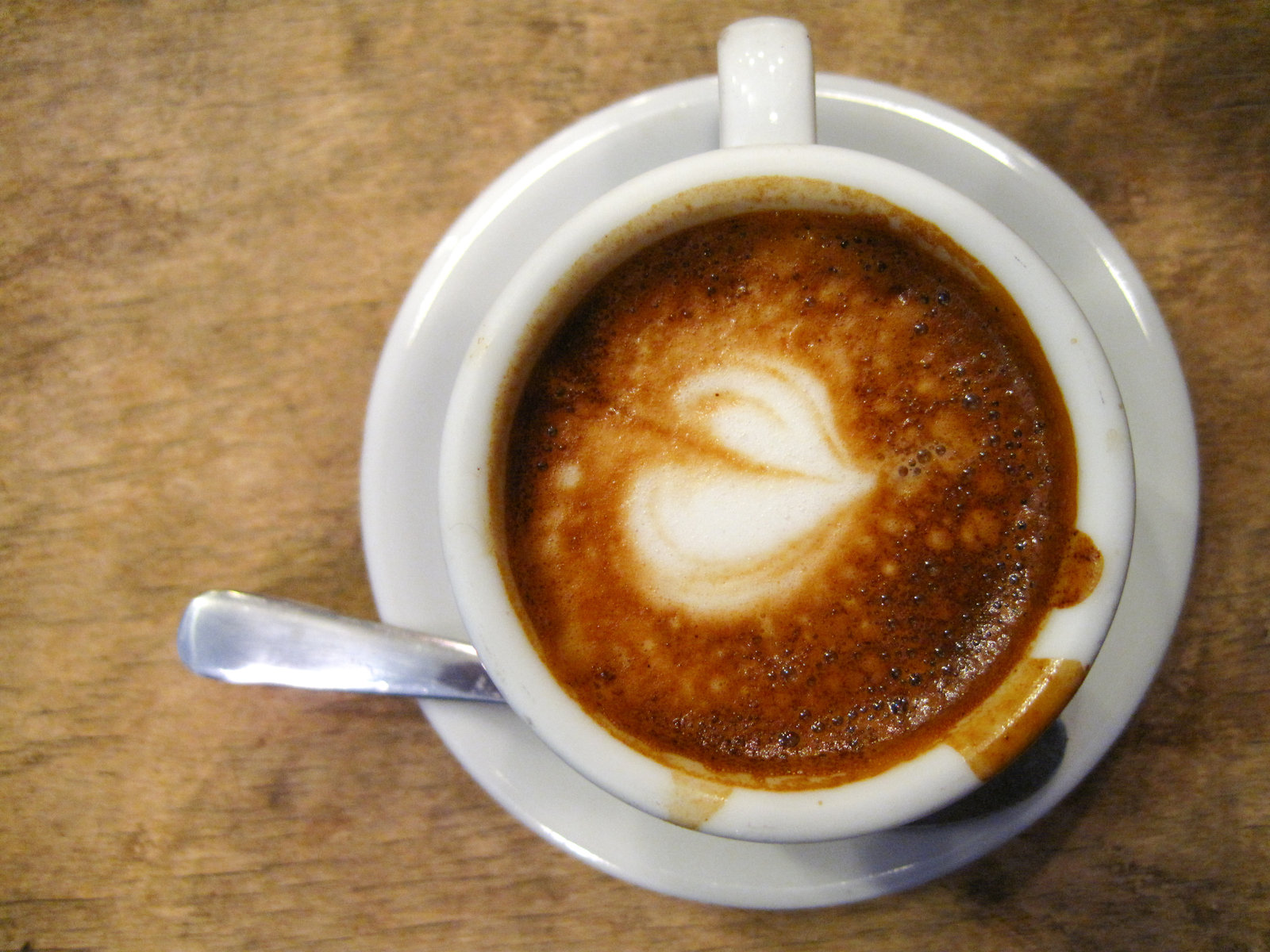
Joe the Art of Coffee

Coffee fuels the city that never sleeps. Unfortunately, most of it is terrible. But there are exceptions. It would be unfair to not give Starbucks tremendous credit for raising awareness of coffee and its many forms; however, most of its products remain heavily sugared and over-diluted with milk, cream, and syrups. It's become fast-food drinkable dessert. And even assuming that its beans are of decent quality, its computerized machines over-extract them while many of its unskilled "baristas" continue to flip on the milk steamer and walk away to help other customers, leaving the milk burnt and undrinkable. What was once a trendy logo to carry in your hand is now a red flag for poor taste.

However, a better educated coffee-craving public now has higher demands that Starbucks cannot fulfill in its current form. For this new demand, boutique coffee shops have been opening up and thriving. So much so, in fact, that Starbucks has been opening unbranded, clandestine shops with a community feel to trick consumers into thinking they're local shops. But no matter how hard they try, it will be hard to emulate what's available at Joe the Art of Coffee on Waverly.