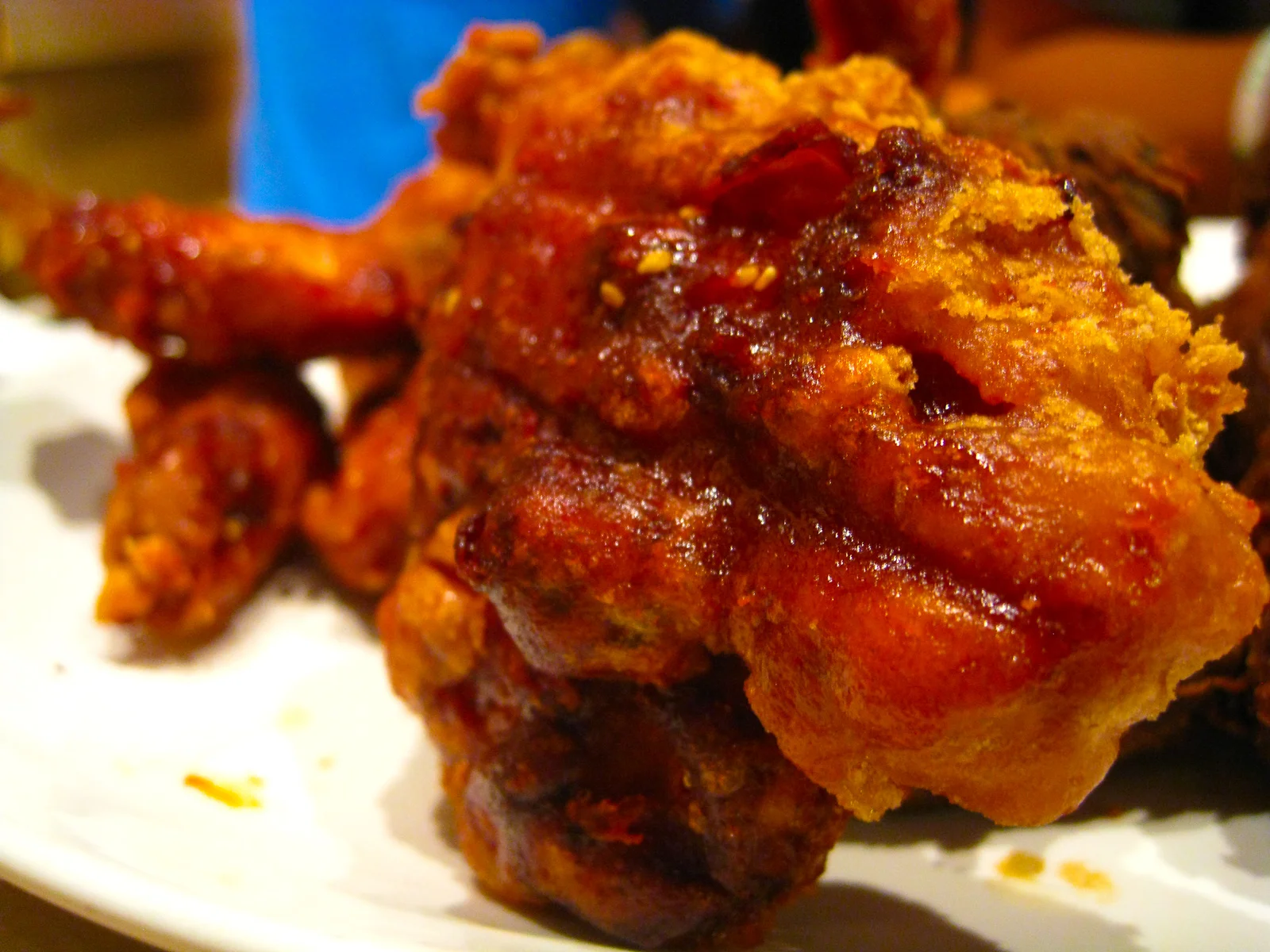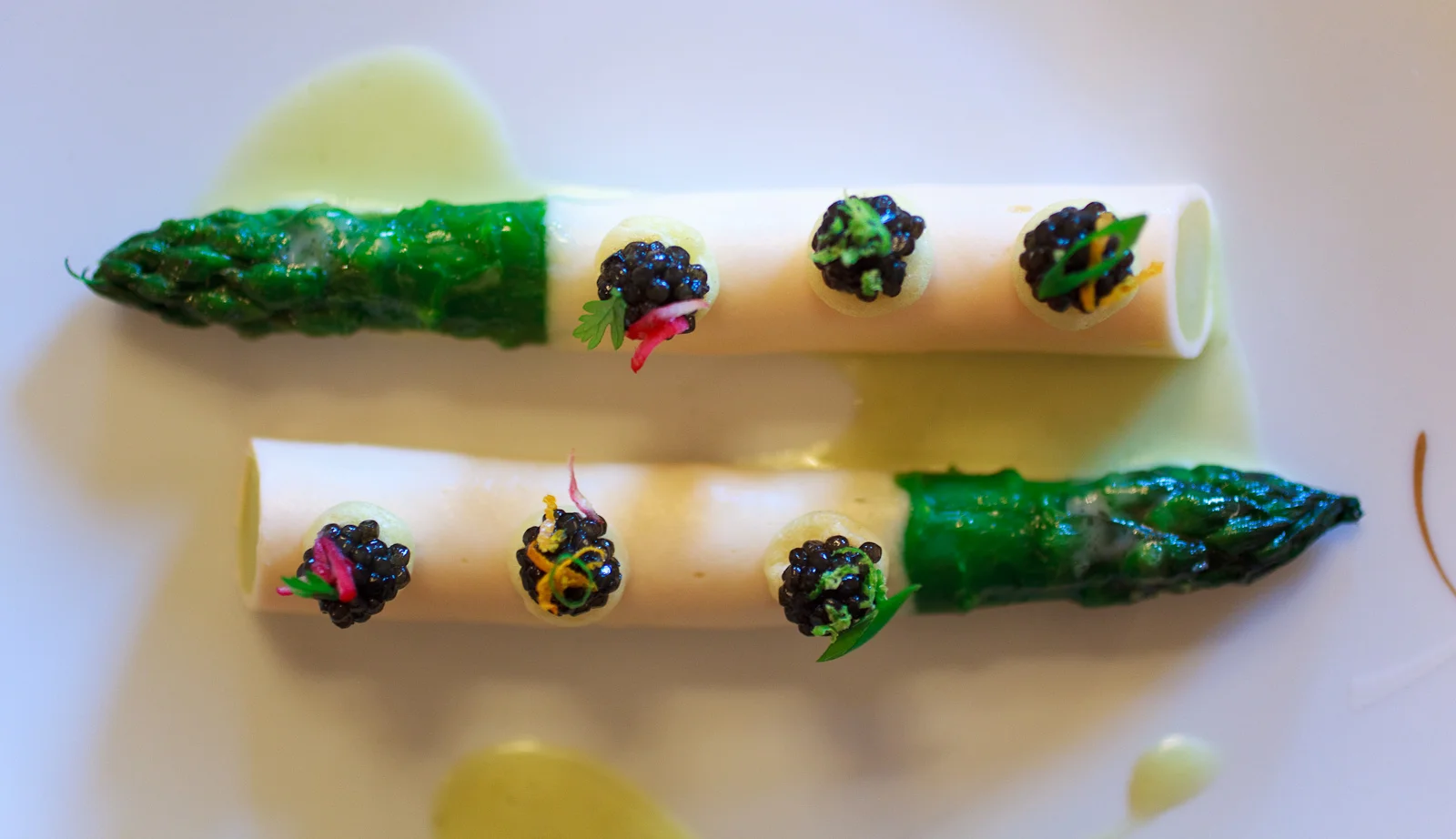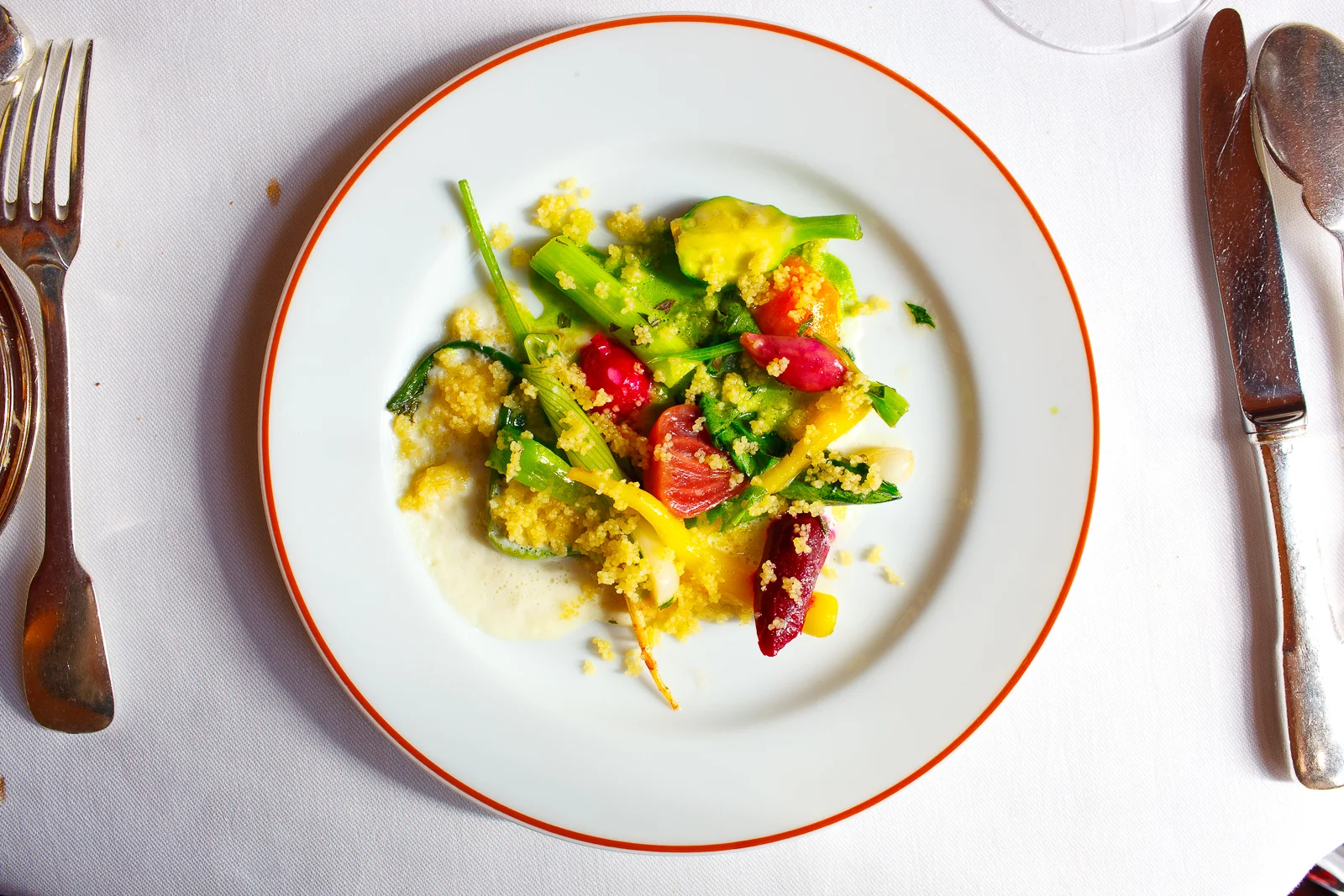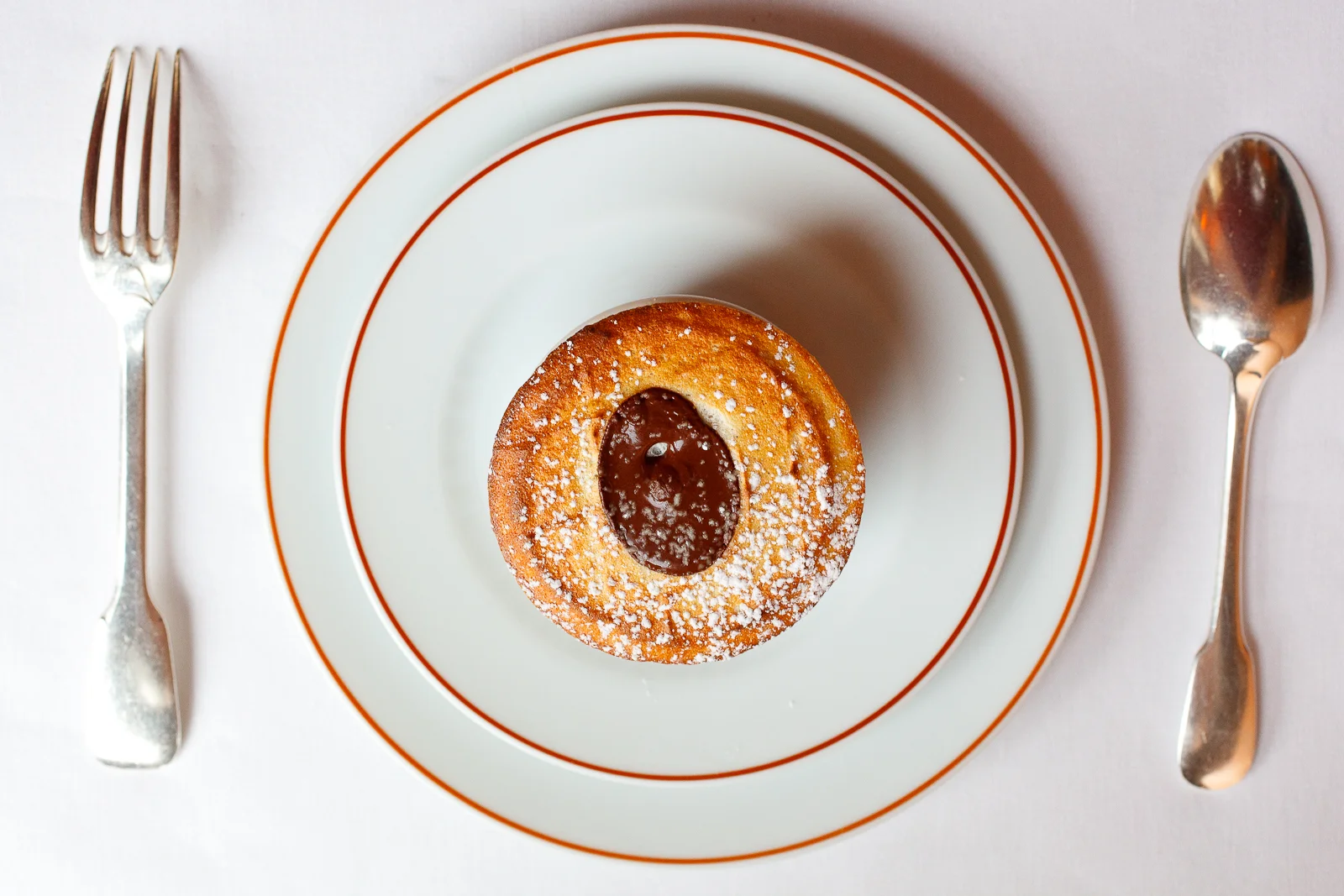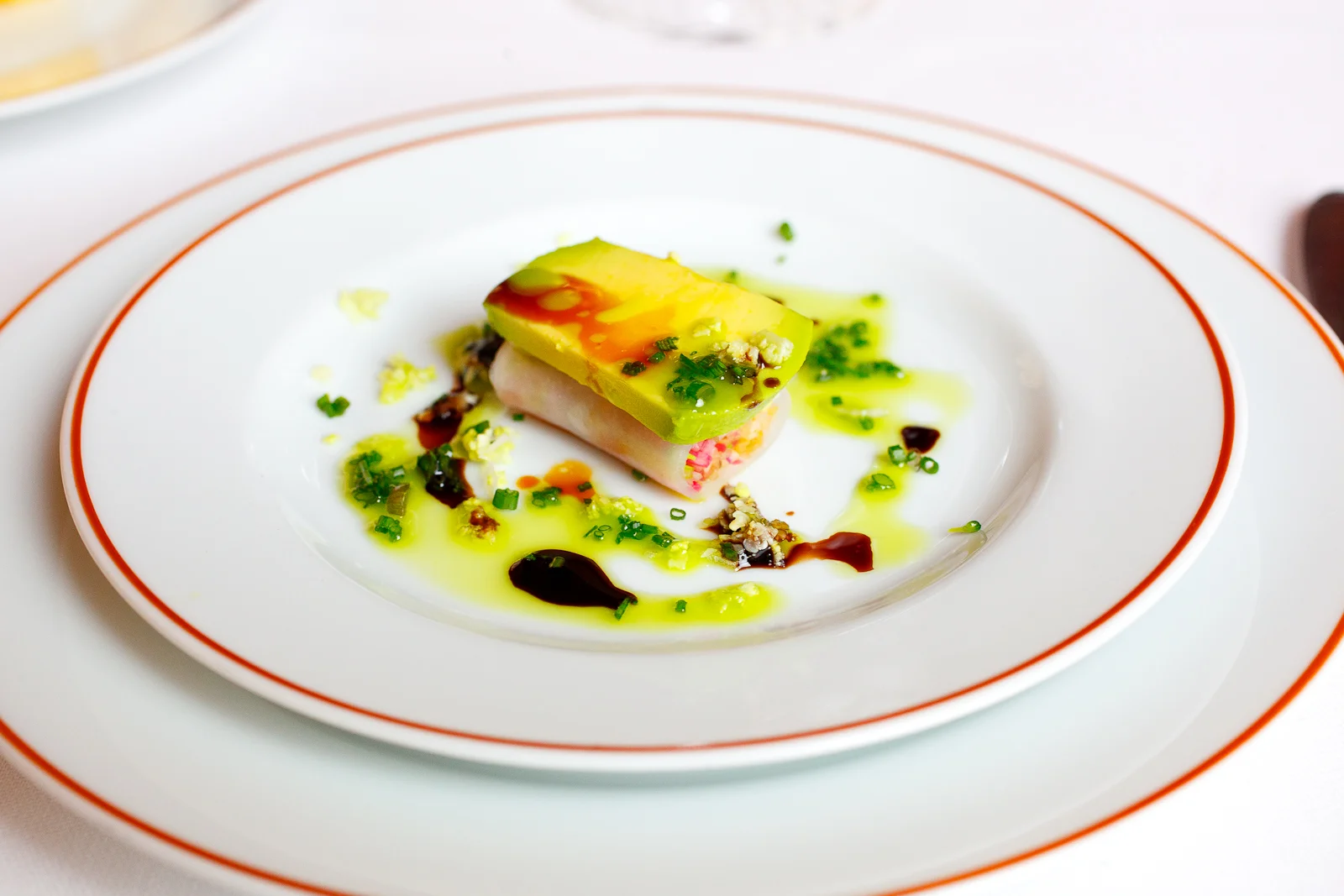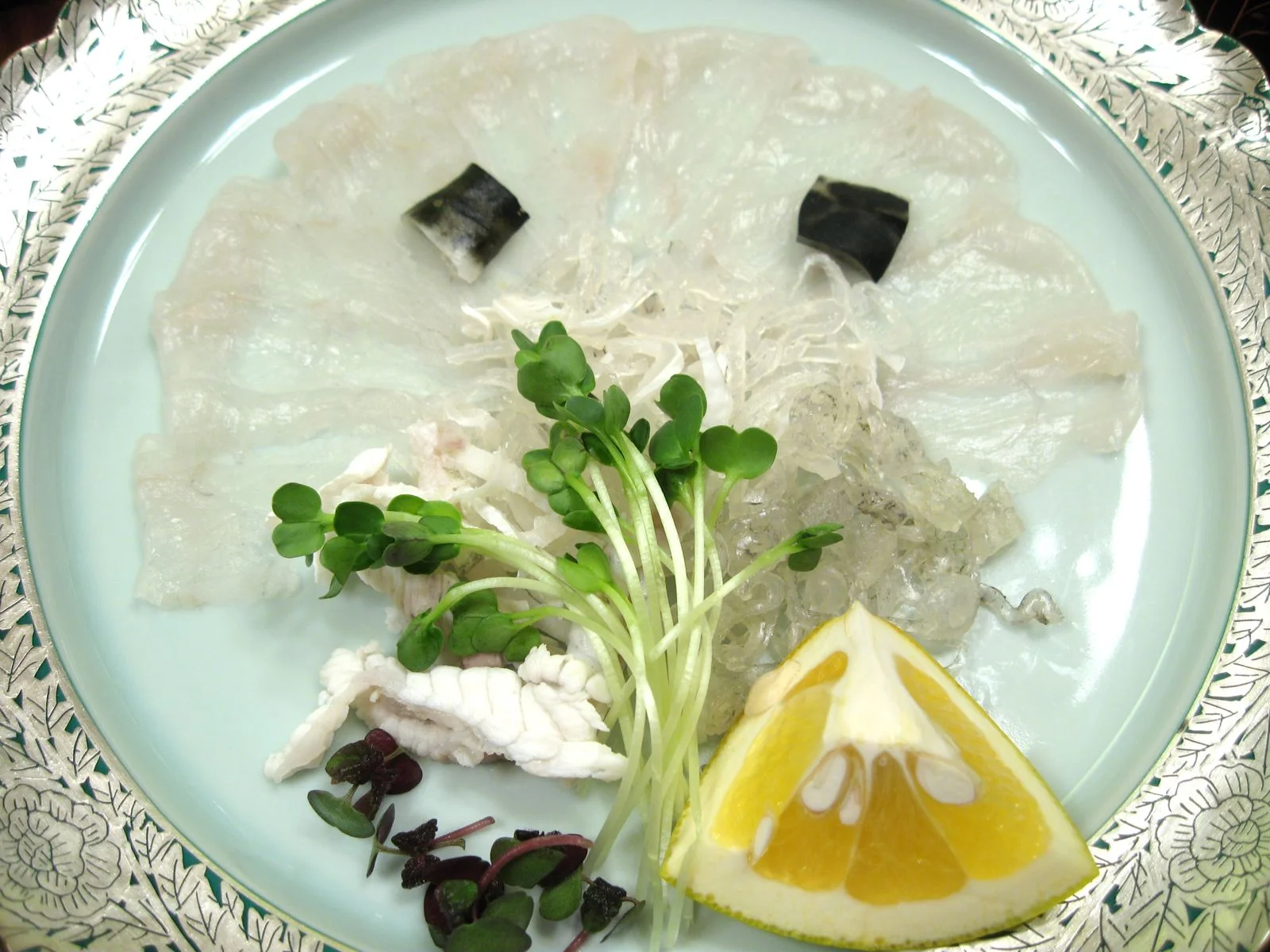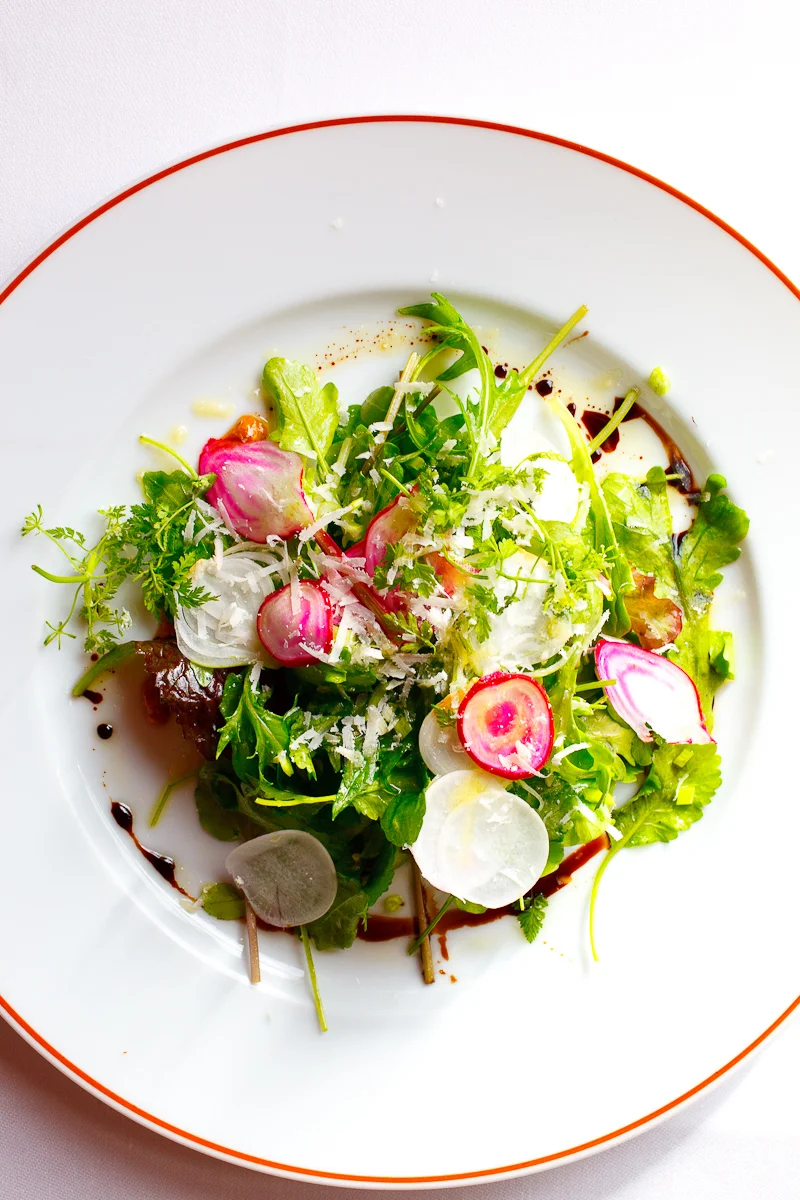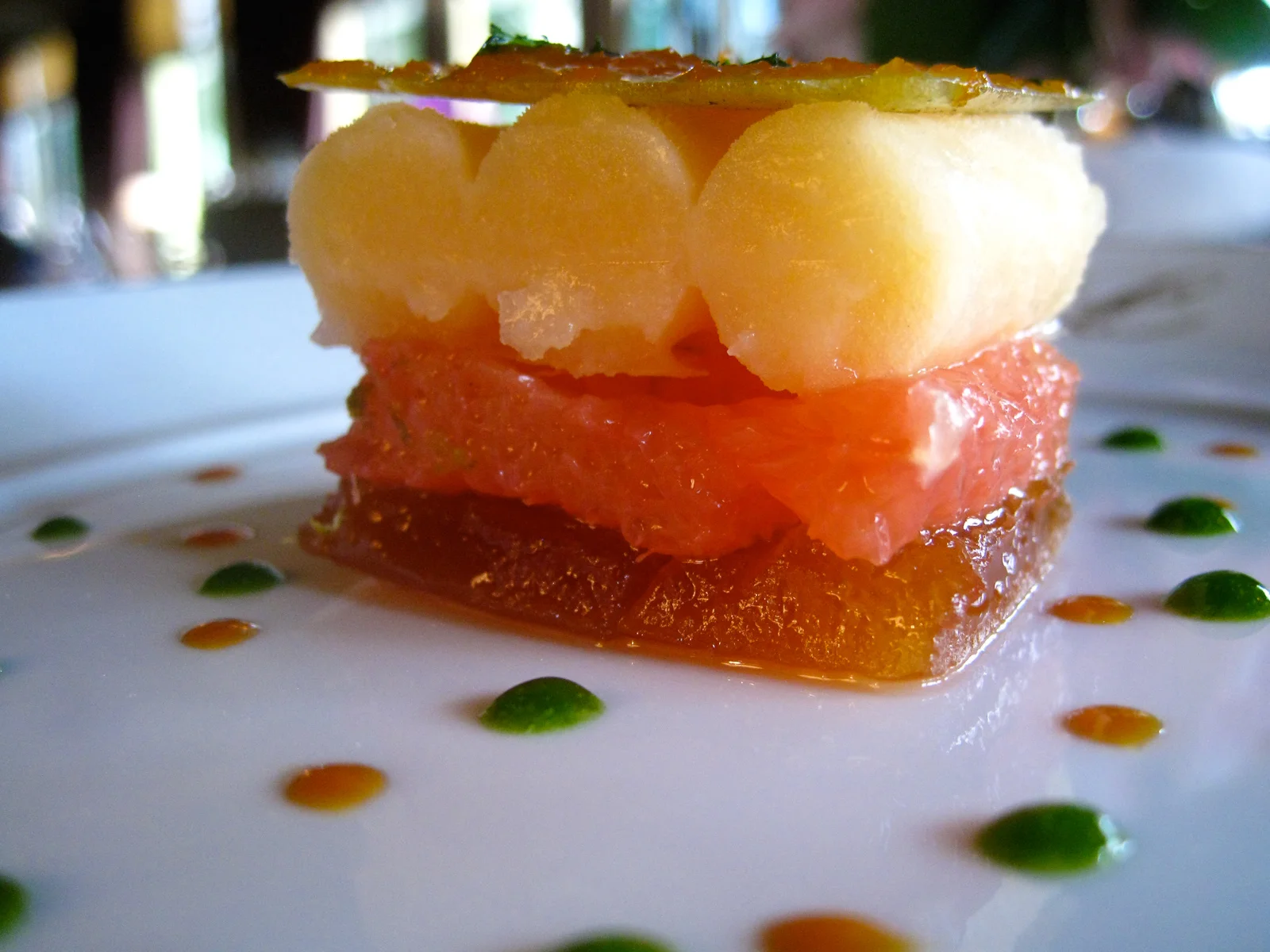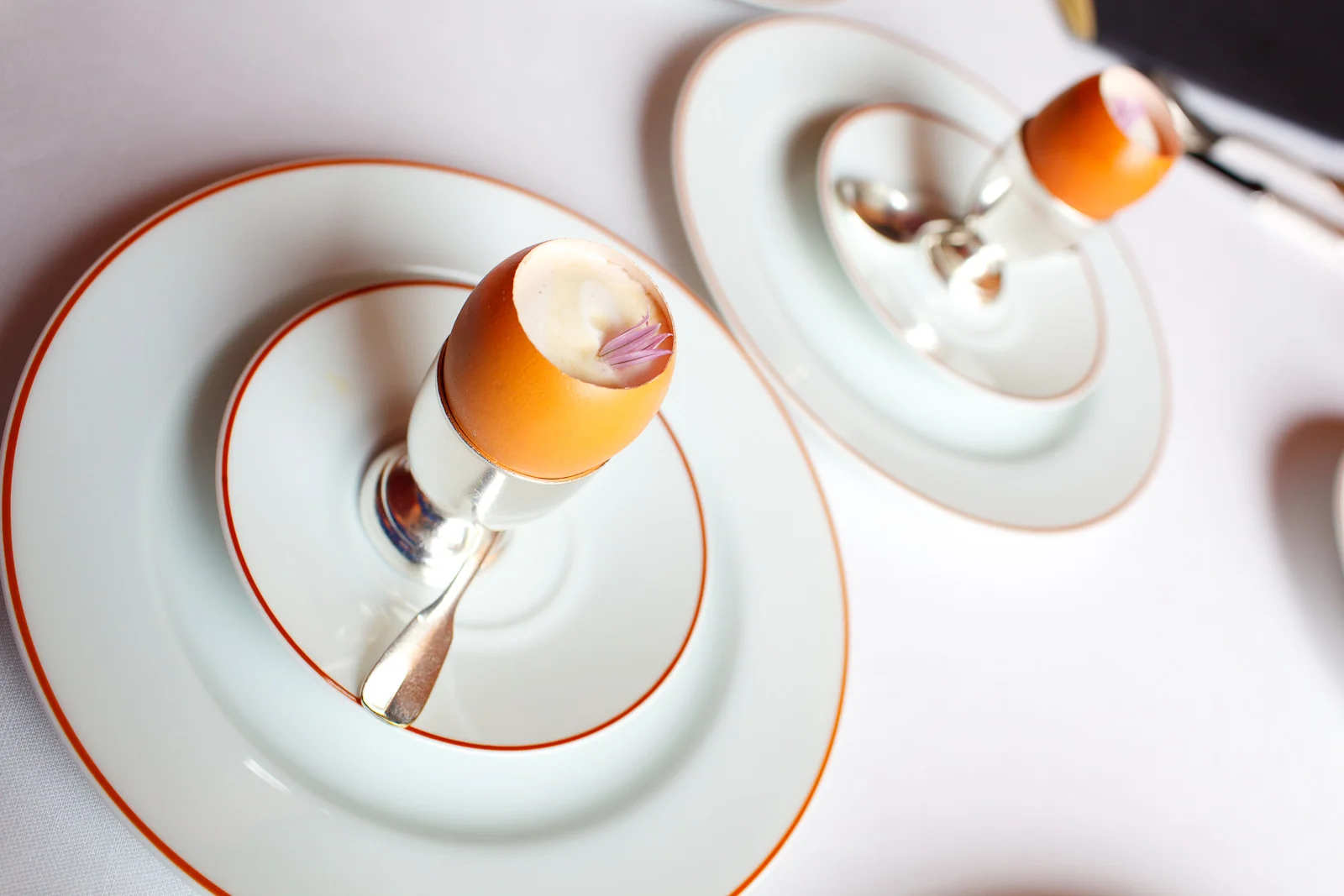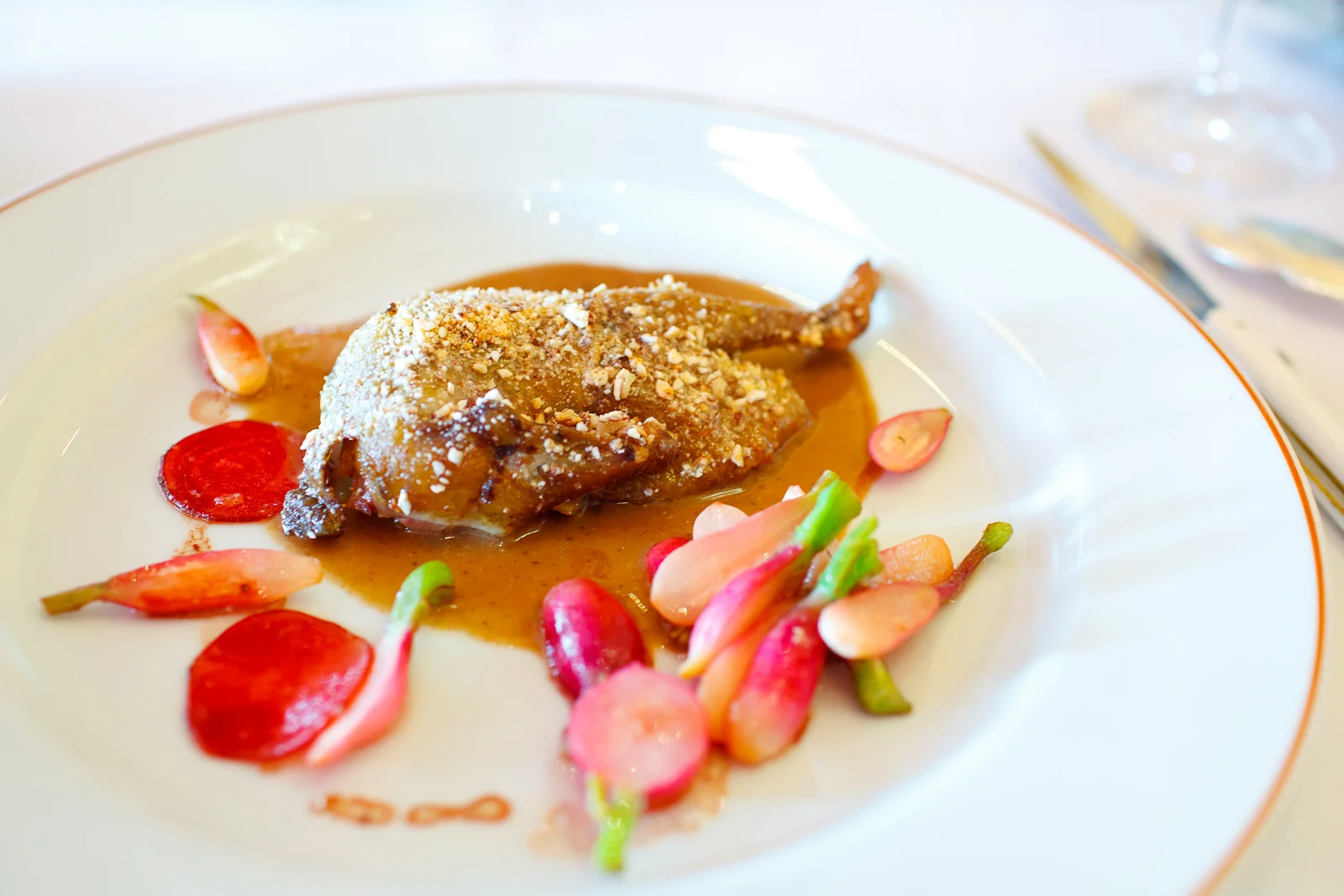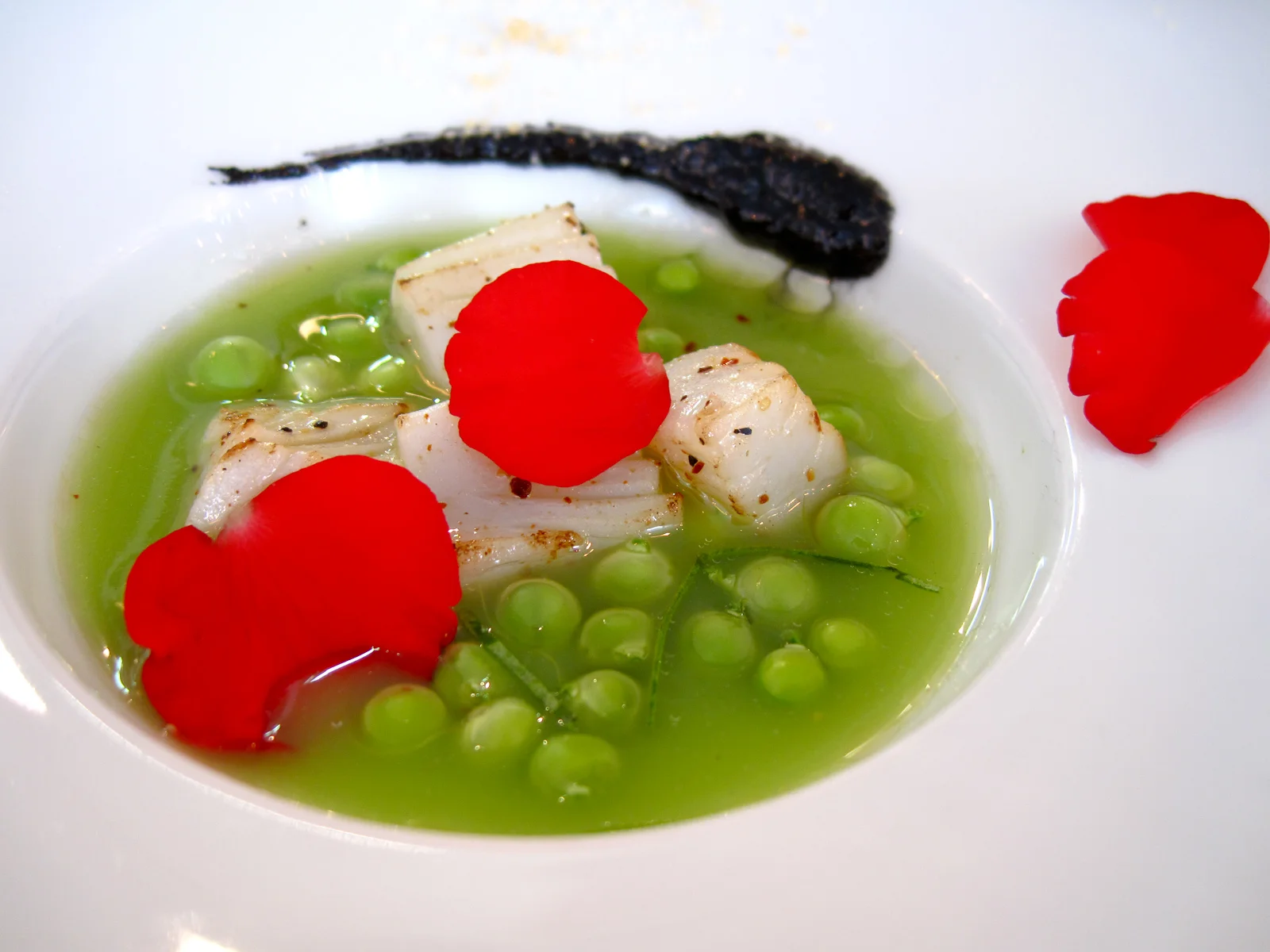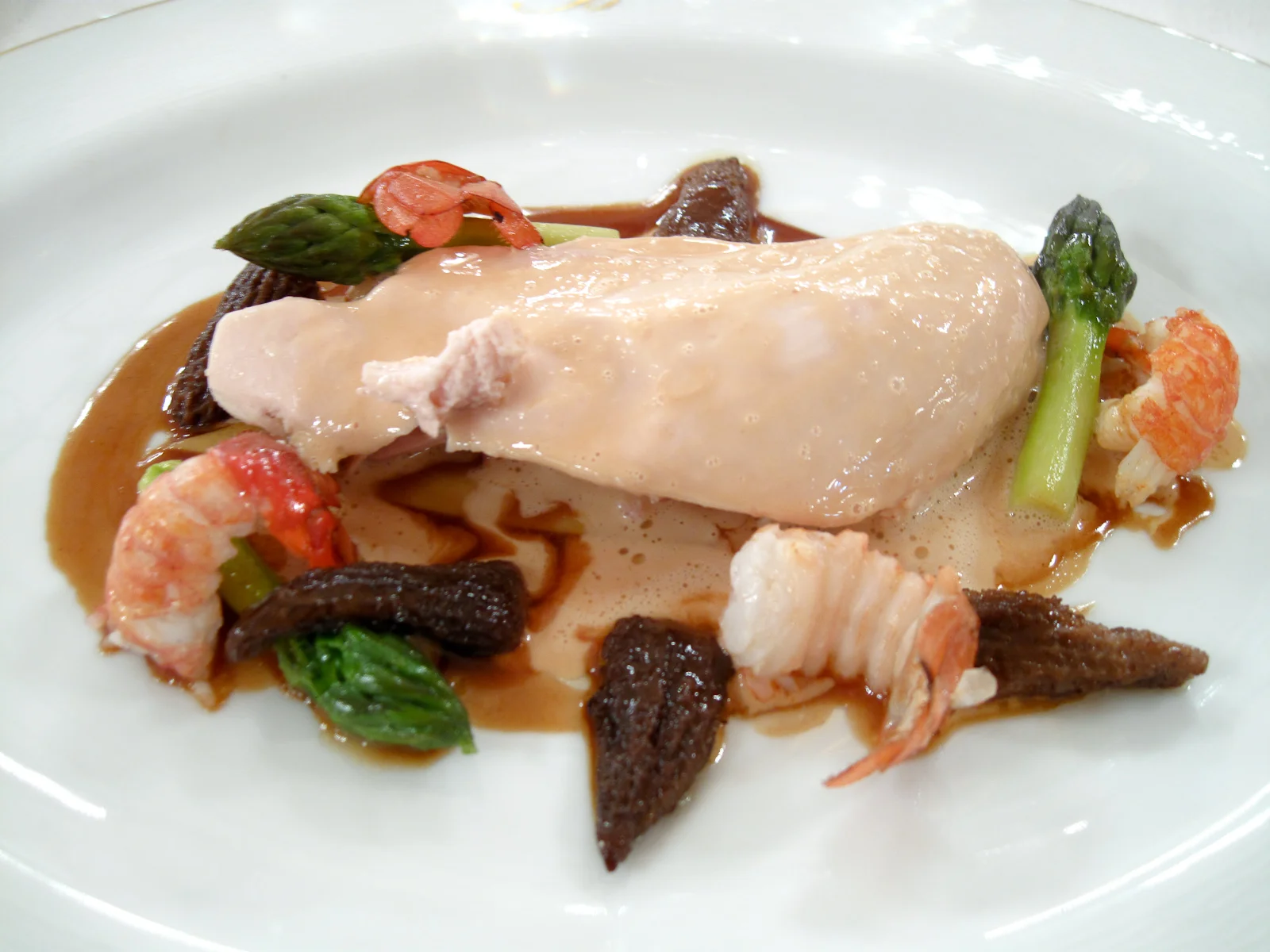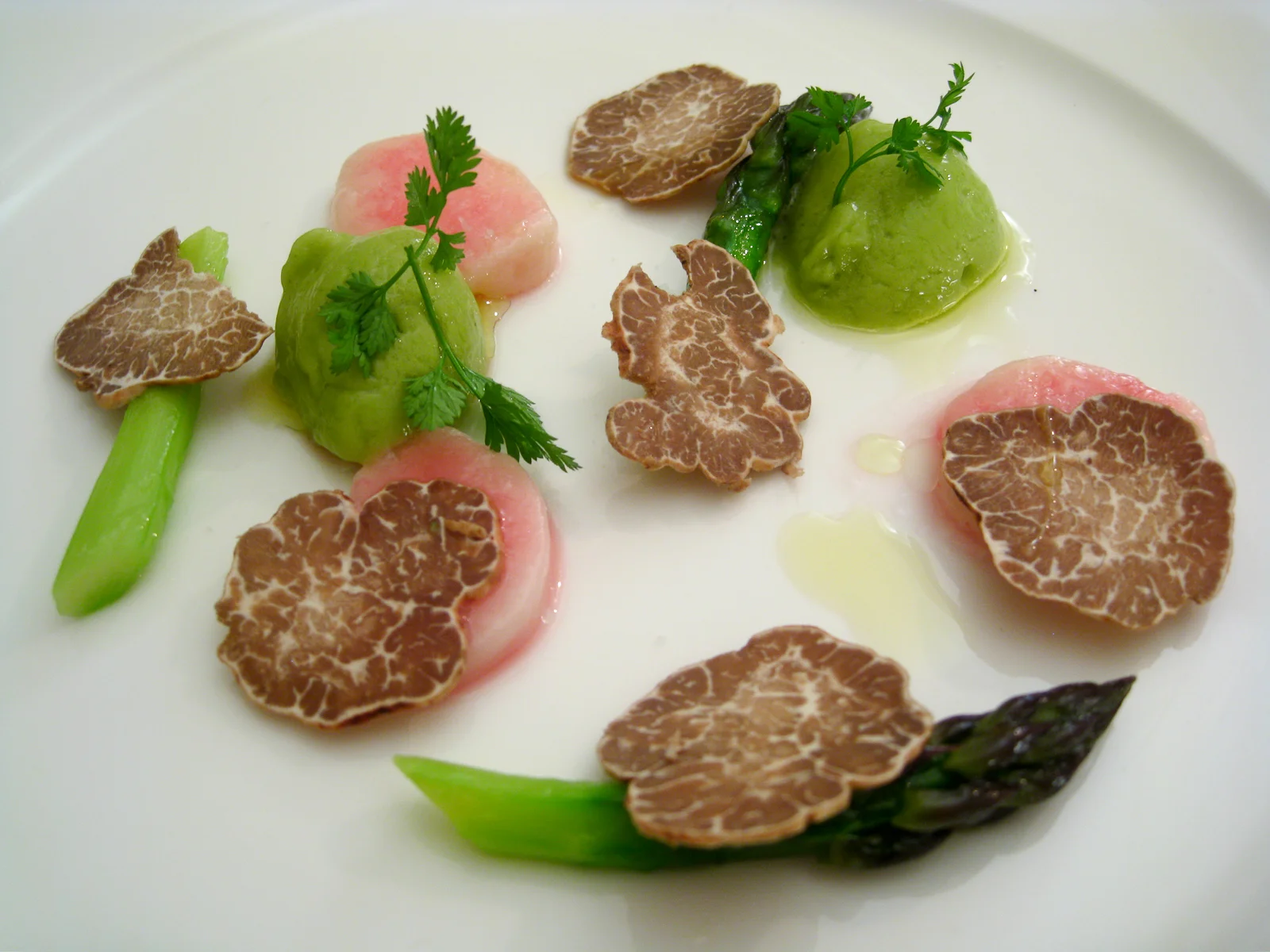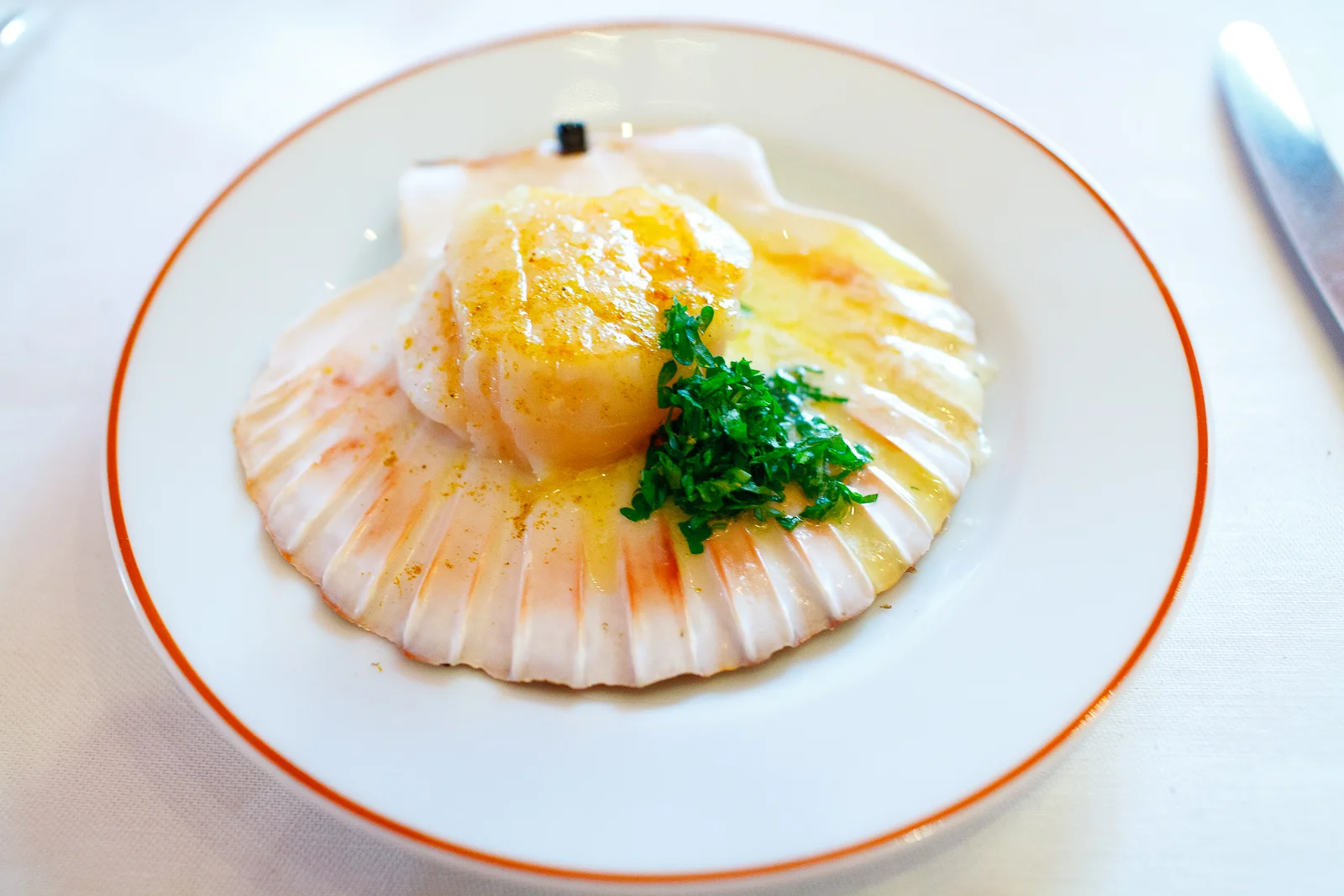
Photographs from my meal in Paris, France at l'Arpège on October 13, 2009.
Read more...

Welcome to my blog. I document my adventures in food, travel, and coffee.
Photographs from my meal in Paris, France at l'Arpège on October 13, 2009.
Read more...
When I first discovered Momofuku Noodle Bar, the concept bewildered me. A New York ramen restaurant seemed misplaced. How could a low-key Asian street-stall dish be hawked to New York's hipsters at high prices? Very readily, it turns out. And I believe the reason for the smashing (if not immediate) success of Noodle and its later brethren lies in chef/owner David Chang's business savvy: small portions, bar seating, loud music, and food that seems at once exotic and comforting. And despite a well-documented hatred for food photography, which I strongly disagree with when done tactfully (no flash and no pictures of diners), Chang allows such gaucherie at the Noodle Bar which means I can share my most recent experience there. The Noodle Bar is sneaky, offering slightly under-portioned dishes at reasonable prices. Designed to be shared, these small plates add up to cost more than a multi-course tasting menu at one of the city's fancier restaurants. This low barrier of entry provides diners the comfort of being able to spend modestly, while the small-statured dishes create the illusion possibility of having "just a bite." Chang is a polarizing figure, with ardent supporters and adamant enemies, but he is tuned in to what the dining public wants in a way many of his peers can only dream of. When one concept doesn't work, he tries another. Noodle's namesake items might be the least popular thing on the menu, and at Ssäm they aren't even available anymore.
Perhaps the most ostentatious dining room in Paris, Le Meurice transports diners to mid-eighteenth century France when the city was at its peak of opulence and excess. Lined with marble, gold leaf, and mirrors, the walls of Le Meurice give the space a large, palatial feel. Twenty-foot ceilings and crystal chandeliers amplify the grandeur. But while regal and lavish, the large south-facing windows remind diners of the real world on the other side of the glass. It's a beautiful restaurant, both elegant and grandiose. Yet I found that the food, refined though it was, simply lacked flavor. I decided to order à la carte.
To start I was given some canapés: carré (fromage de chèvre) et tomate confite along with hareng fumé et pommes de terre. Goat cheese and sweet tomato confit wasn't a particularly interesting combination, nor was the smoked herring and potato. Both bites, however, offered a pleasant meeting of cream and crunch in a cute geometric package.
Photographs from my meal in Paris, France at l'Arpège on May 22, 2009.
Read more...
Photographs from my meal in Paris, France at l'Arpège on May 19, 2009.
Read more...
Photographs from my meal in Paris, France at l'Arpège on May 12, 2009.
Read more...
It was my mother's first time in Japan. While she was only staying for a short week and a half, the planning for her visit started many months before. I had to create an agenda demonstrating Japan's incredible culinary variety while still making sure she would enjoy, and remember, each meal. If she were to leave Japan thinking the food is anything less than the best in the world, I'd have failed. Kaiseki was going to be a problem. There are just too many places. The number of Michelin starred kaiseki restaurants alone would consume her trip in its entirety; how would I fit in okonomiyaki, teppanaki, yakitori, sukiyaki and shabu shabu? I knew an early morning trip to Tsukiji market was essential, not only for the tuna auction but to show her the abundance of fresh fish that we don't have access to in the US, and the ease with which it can be purchased here. Besides, forget cereal; what better way to start the day than with a small crate of Hokkaido uni.
To complement our visit to Tsukiji, later that night, I made a reservation at Jisaku Tsukiji, a small kaiseki restaurant on the fish market's perimeter. Like most well-known kaiseki houses, diners eat in private rooms. This means two things: the meal will be private, and it will be expensive. Thankfully, this was a once in a lifetime experience.
There are few chefs in France so universally known as Paul Bocuse. It could be because Chef Bocuse, a descendant from a family of chefs dating back to the late 1600s, is 83 years old and still works, though less frequently, in the kitchen. Or the fact that his namesake restaurant in Lyon has had three Michelin stars for over 43 years, making it the restaurant to have the longest period of consecutive years with such an honor. Even the state of California has proclaimed March 10 "Paul Bocuse Day." It's no question that Bocuse has an extensive and titled culinary history. What is interesting, however, is that after all these years most of his menu hasn't changed at all. But fortunately Bocuse continues to reproduce these classics with the same quality and passion that made them popular so many years ago. Before my visit to chez Bocuse, I had associated "classical French" with the ubiquitous inclusion of French mother sauces containing butter, crème, and wine reductions tasting so starchy and old-fashioned that they could not be exciting. At least that's what my experience had been. Even in my limited experience at culinary school, we were taught to use these sauces as a springboard for other more elaborate, more international creations to spark originality. But here with Paul Bocuse, the concepts of Spanish molecular gastronomy, California cuisine, and Japanese fusion are foreign. He sticks to the basics; no games. Bocuse only uses classic sauces because he believes it's the best way to highlight the flavors of meat, fish, and vegetables. He does it because it tastes the best. Period.
Photographs from my meal in Paris, France at l'Arpège on April 24, 2009.
Read more...
When I was little I remember hearing of "French dining," a term that, to me, meant dressing up fancy and sitting quietly for a bombardment of heavy butter-based sauces used indiscriminately for both fish and meat. Not that there's anything wrong with that, per se. But when a country like France has such an established tradition of fine dining, it can be difficult to respect and learn from such convention while remaining innovative and novel. Precious few restaurants in Paris are able to naturally build off of French culinary tradition while still producing dishes that are creative, avant-garde, and most importantly, delicious. Choosing one's place along this culinary spectrum is no simple task. So imagine my curiosity when I learned that Christian Le Squer's Ledoyen had been in existence since 1792, the same year that Louis XVI was arrested and taken into custody. Yet unlike Louis, it seems that Ledoyen had luck on its side. Despite being over two hundred years old, Ledoyen has been able to bridge tradition and innovation creating interesting and tasteful dishes while still paying homage to the incredible institution that is French fine dining.
Photographs from my meal in Paris, France at l'Arpège on April 17, 2009.
Read more...
Photographs from my meal in Paris, France at l'Arpège on April 13, 2009.
Read more...
It's springtime in Paris. The peas flowers are beginning to blossom, morels tulips are starting to be seen, and restaurants things stay open just a little bit later. Yes, it is a happy time here, particularly when restaurants embrace the life that spring brings to the vegetable garden. My friend from Genova was in town this weekend, and had e-mailed me the two restaurants he was "thinking" about visiting during his short trip to Paris: Le Bristol and La Bigarrade. I knew Le Bristol had garnered a third star this year, so I was excited about that. But what was the second one, La Bigarrade? A quick reference to my Michelin guide revealed they too had just gotten a star. I thought about it, at first with reservation, but I quickly remembered that my wise friend has a knack for finding interesting restaurants, even in cities where he doesn't live ! I humbly agreed and suggested we make a reservation. "I already made one ... last month," he told me. He's also very organized. Located in the seventeenth by the Brochant metro stop off the thirteen, La Bigarrade is located just outside of convenient. Did my Genovese friend want to go here because the co-chef, Giuliano Sperandio, was also from Northern Italy? My suspicion grew, as Italian pride can be very strong.
The weather on my visit to Le Bristol, home of chef Éric Frechon, was impeccable: sunny and warm without a cloud in the sky. But then we arrived at the restaurant for lunch. Perhaps an error on my part, I did not call to check if the main dining room would be available. It turned out to be reserved for a private corporate event; so instead, we were led to a room where spring light quickly turned to winter night. This was the winter dining room, where the sun-worn curtains covered all windows keeping the cheer out and a more solemn coldness in. The oval-shaped Victorian room is lined with wood paneling, and covered with forest green, red, and patterned brown carpeting. Adorning the center of the room is a medieval tapestry depicting a pastoral scene in rural France. The daytime oppressiveness of this room, however, can be easily turned into evening elegance: just return when it's dark and the candles are lit. But while dining at Le Bristol, overall, was a refined gastronomic experience I was left wondering, where was the passion and excitement? Our waiter came to the table flanked by a champagne cart that seemed almost attached at the hip like a much more attractive conjoined twin. He offered an early afternoon apéritif, and, being just past one, I thought a glass of champagne would be more than enough for the next few hours. After being asked which champagne we desired, I wondered if my friend had been pegged as such an expert that he could discern the different offerings solely by their corks, since all eight of the bottles were completely submerged in ice water and covered with a white napkin. Must have been his striped tie. They say geniuses choose stripes, you know. He's good, but I'm not sure anyone is that good. I laughed to myself and chose a glass of Alfred Gratien Cuvée Paradis.
There is an Italian proverb -- chi non risica non rosica -- meaning he who doesn't take risks won't nibble anything. And I welcome taking risks in the kitchen when it leads to exciting and innovative dishes, so long as flavor remains paramount. But when taking risks for its own sake is the priority, the experience suffers. Chef Paolo Lopriore is such a risk taker. He intentionally uses flavors that other chefs shy away from, and with reason: to about 99.9% of the human population, they don't taste good. But taste is in the mind of the beholder, I had to keep telling myself throughout this roller coaster dinner at his restaurant, Il Canto. Il Canto is located in the Certosa di Maggiano hotel, a Relais & Chateaux property in Siena. The hotel is beautiful, both intimate and rustic. It's non-descript entrance gives way to a medieval courtyard whose focal point is a well dating back to the 13th century. Bordering this open space, on the first floor, are salons for the hotel's thirteen guest rooms and outdoor seating for taking an evening apéritif. The second floor is where the hotel rooms are located, each with a view overlooking the courtyard. When we arrived, we were the only people around so our footsteps clicked on the cobblestone and resounded through the cloisters. If it were just a little warmer, we would have stayed outside in this calming atmosphere for a bit, a silent and surreal pause before dinner.