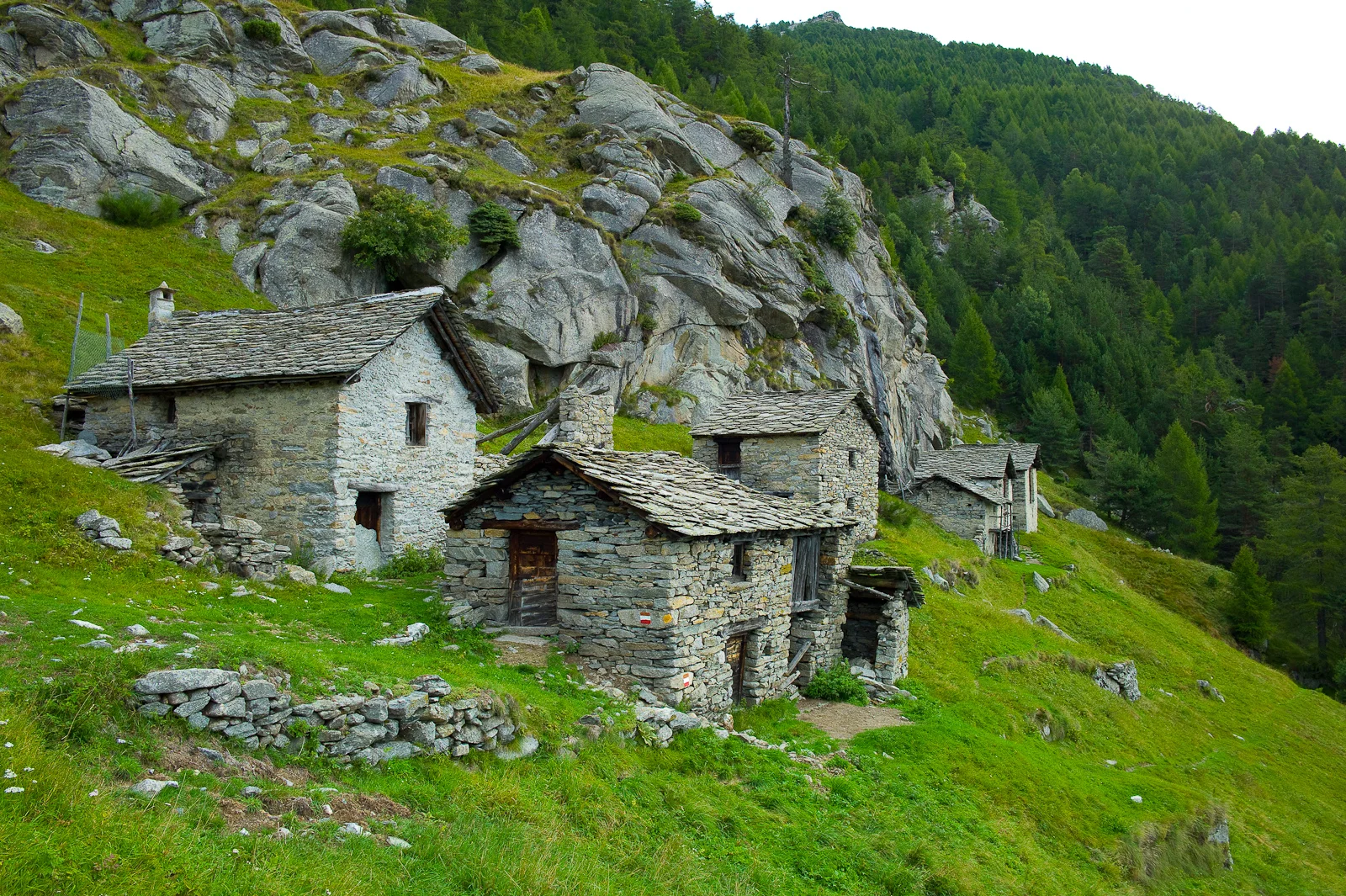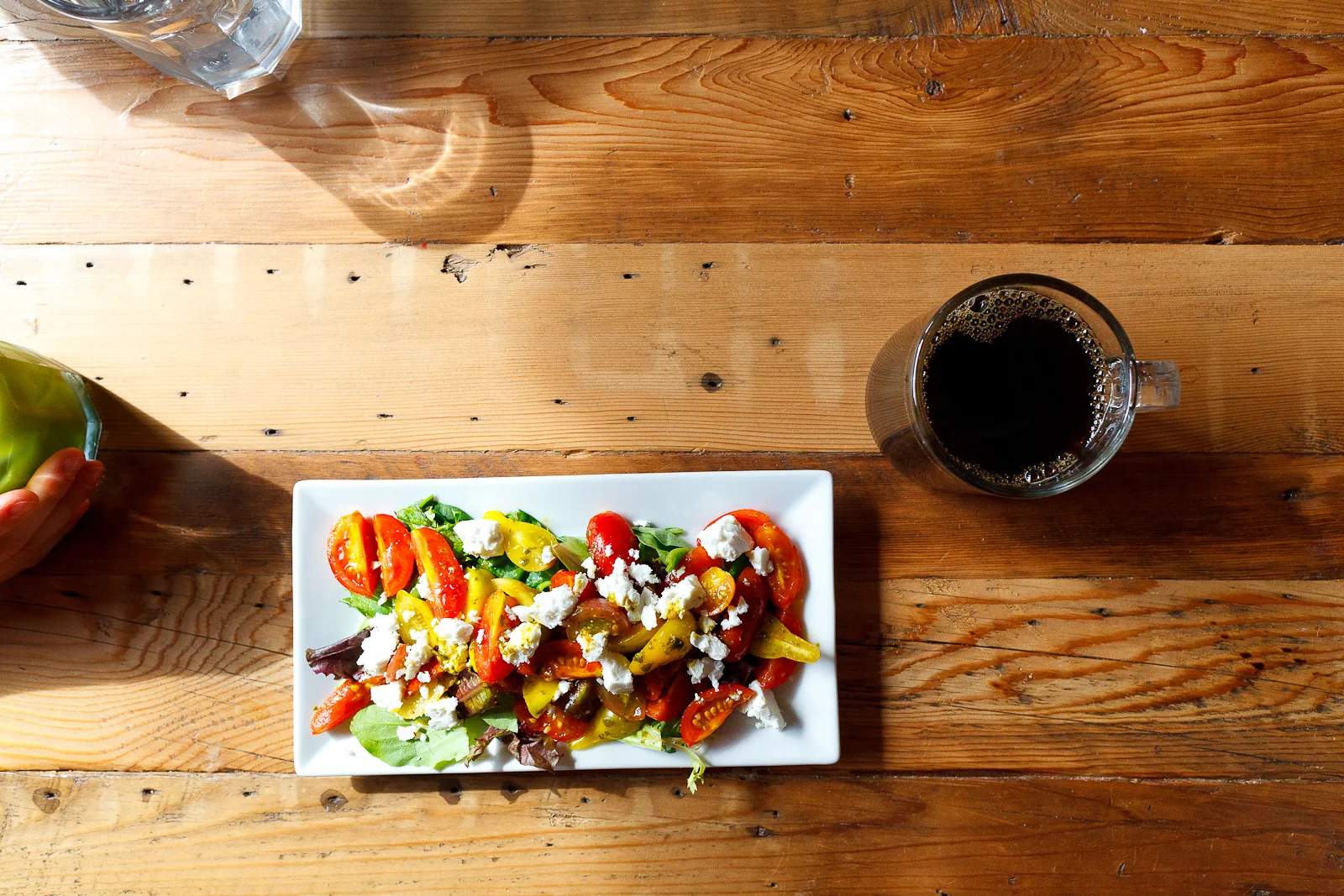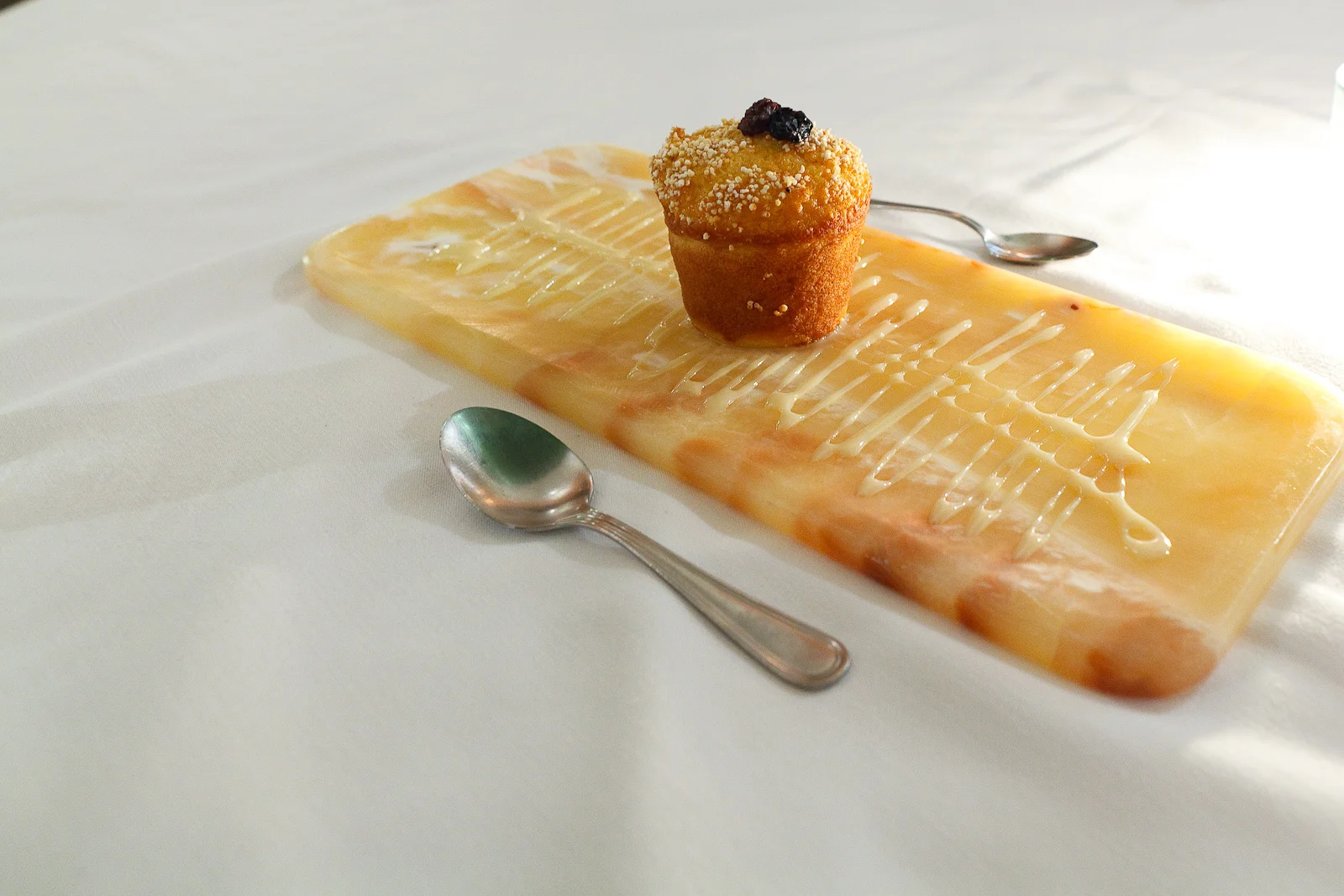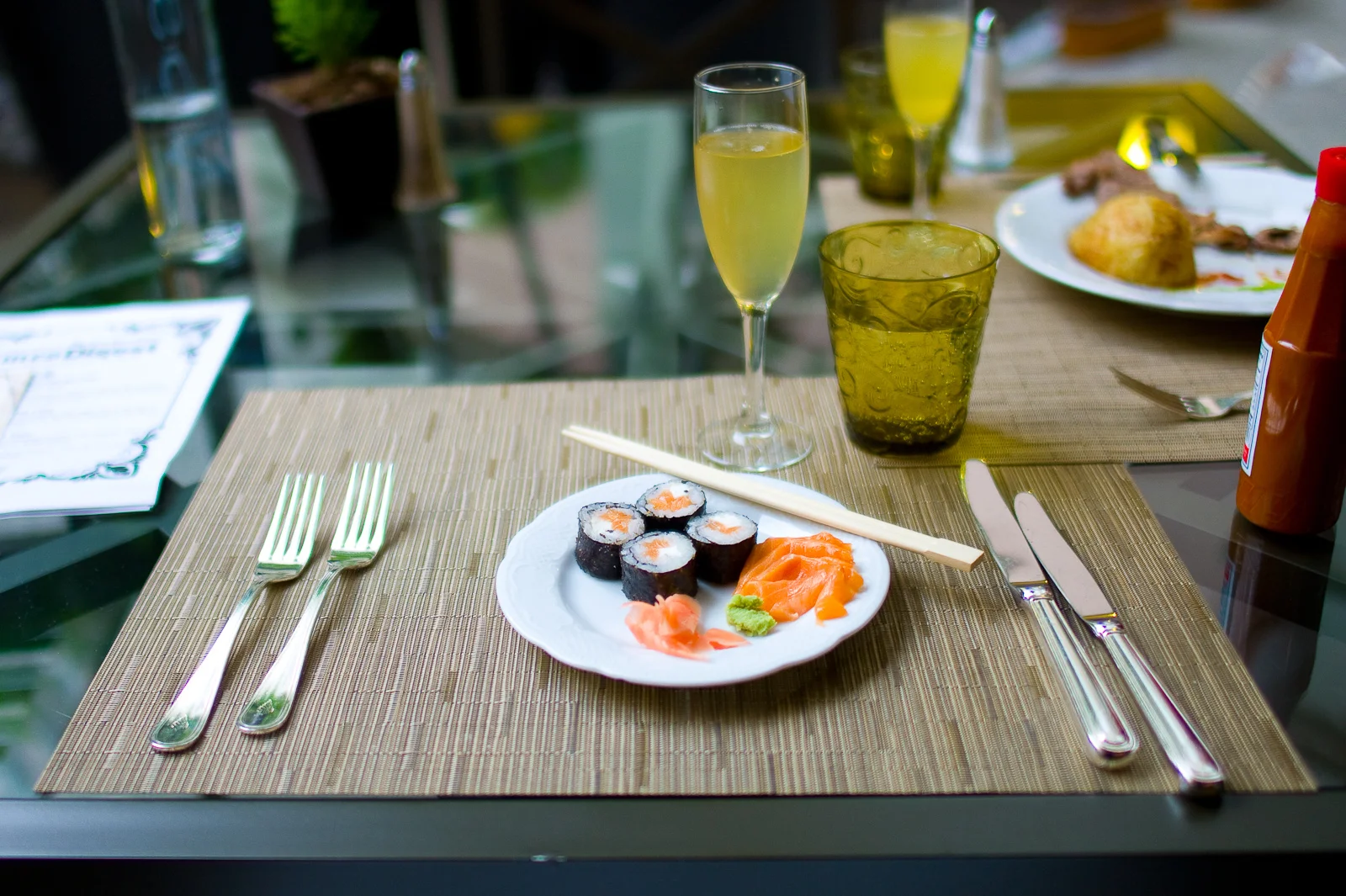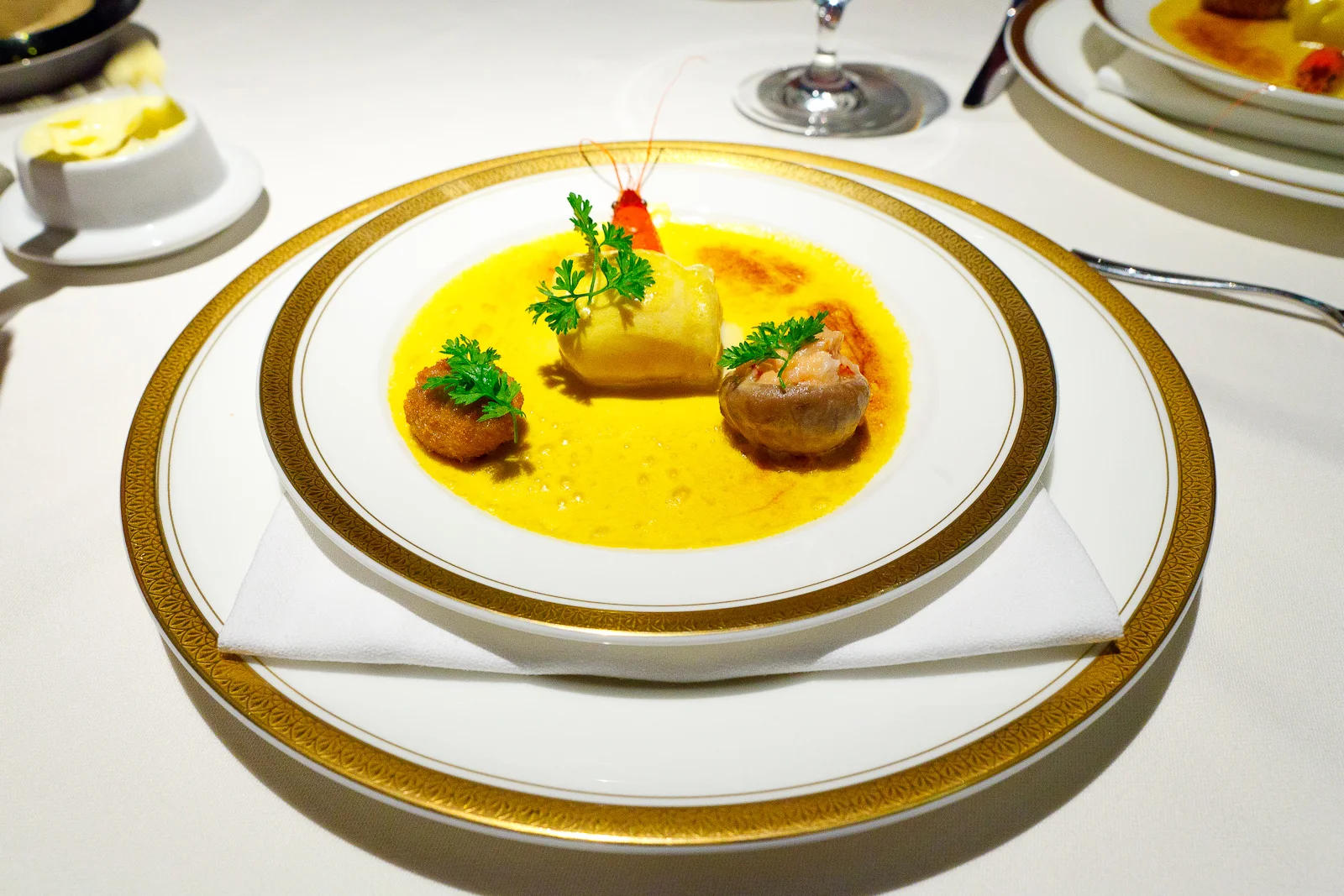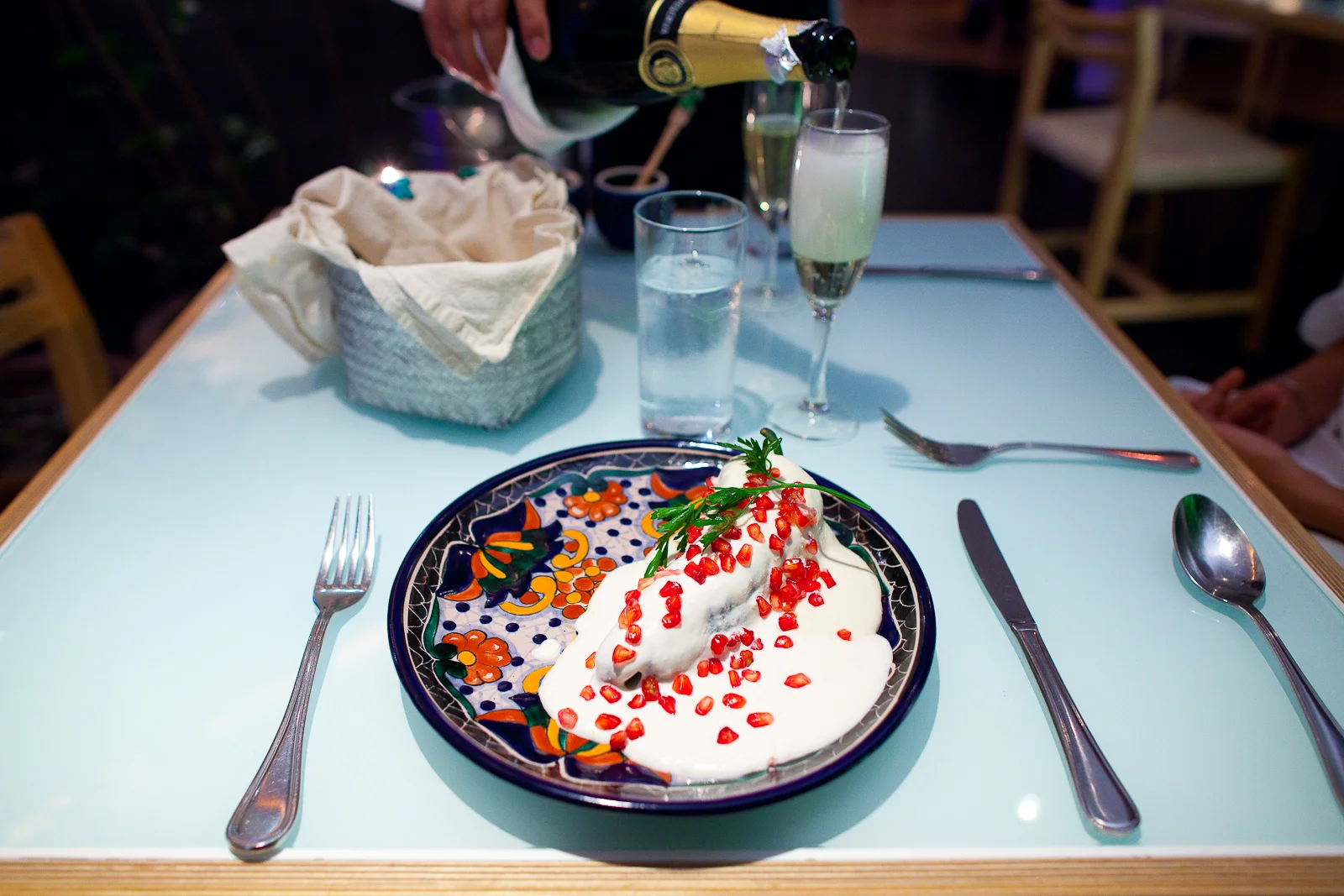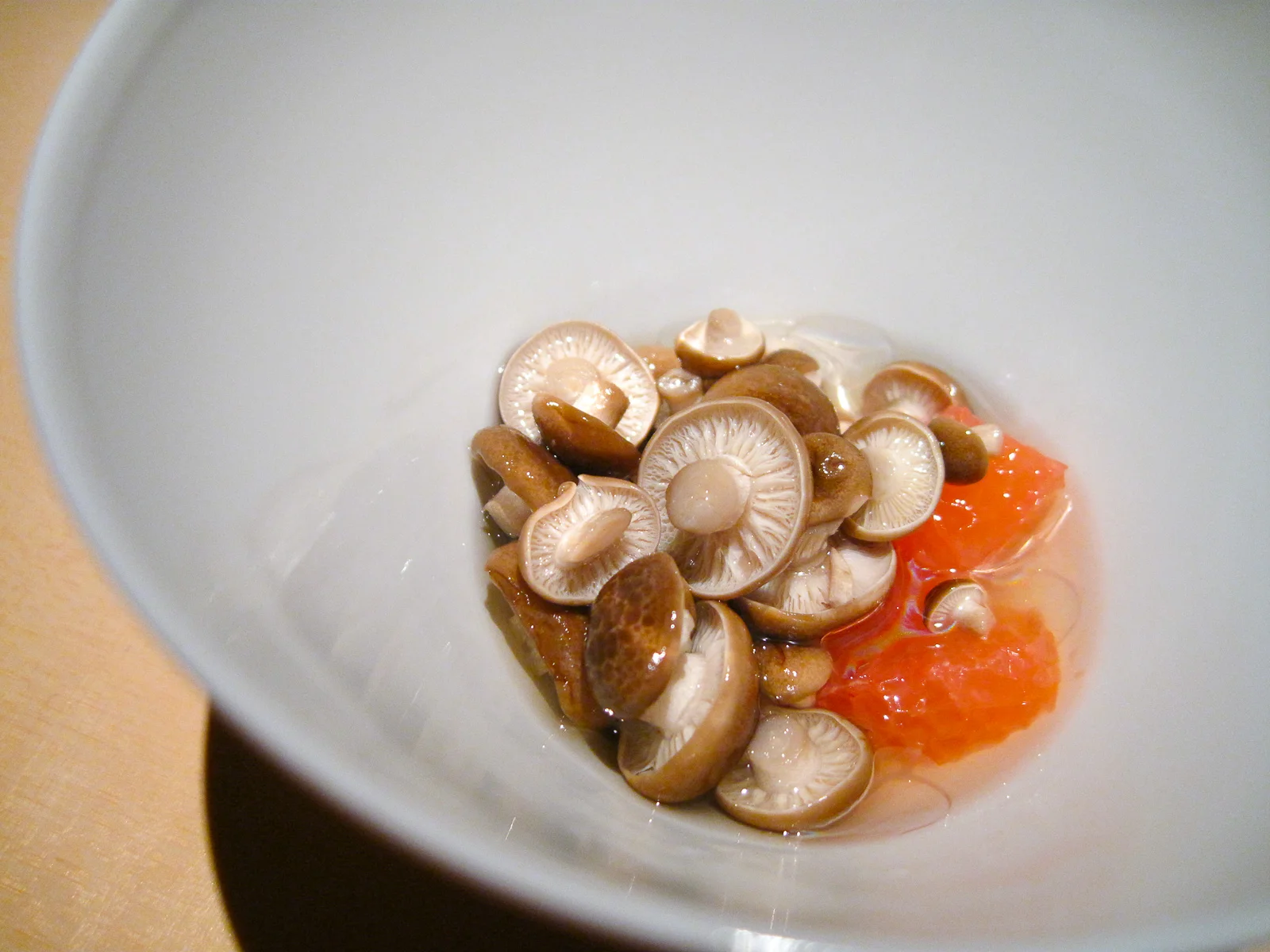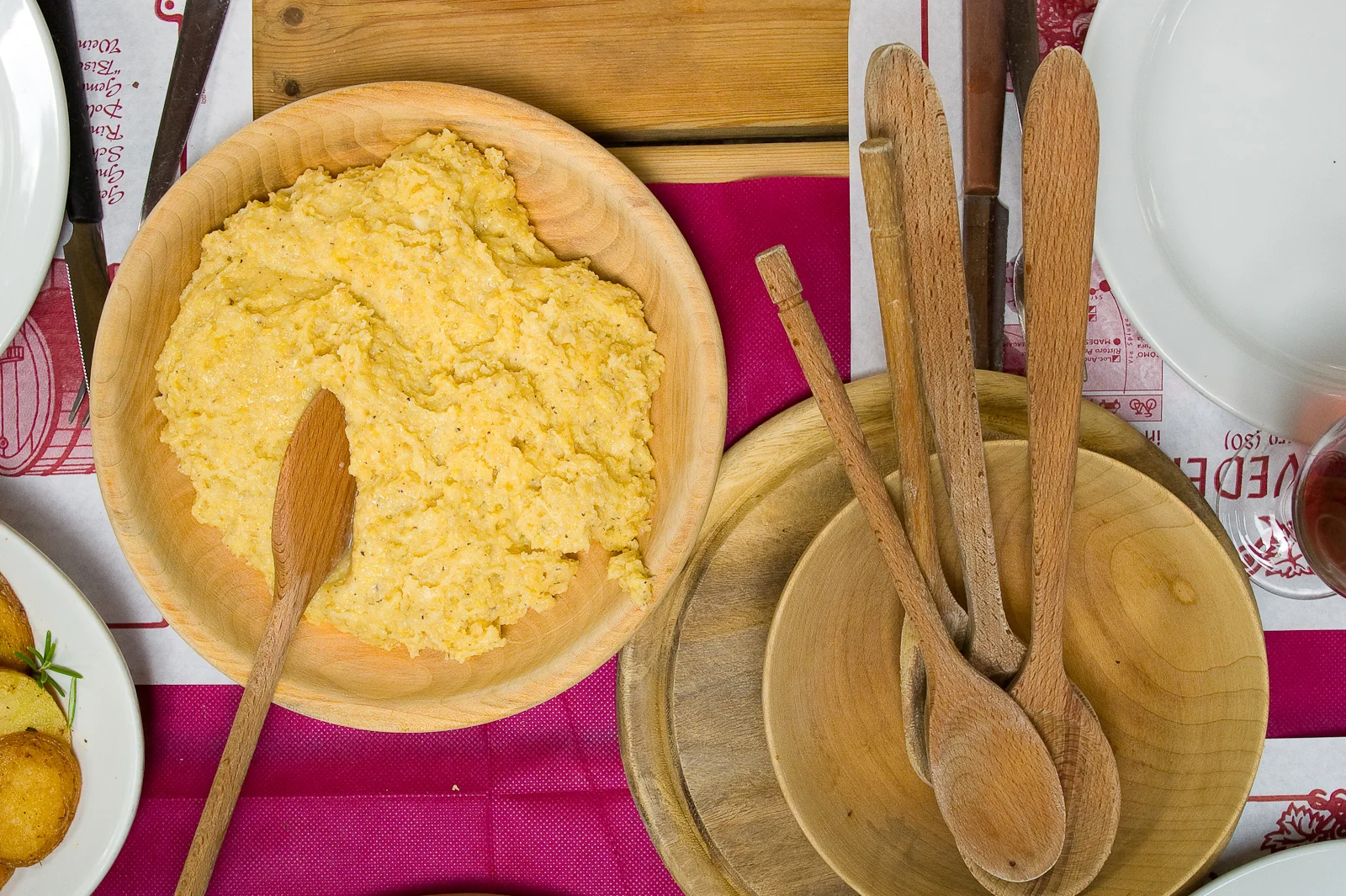
Photographs from my meal in Italy , Prosto Piuro, at Crotto Belvedere on September 8, 2011.
Read more...

Welcome to my blog. I document my adventures in food, travel, and coffee.
Photographs from my meal in Italy , Prosto Piuro, at Crotto Belvedere on September 8, 2011.
Read more...
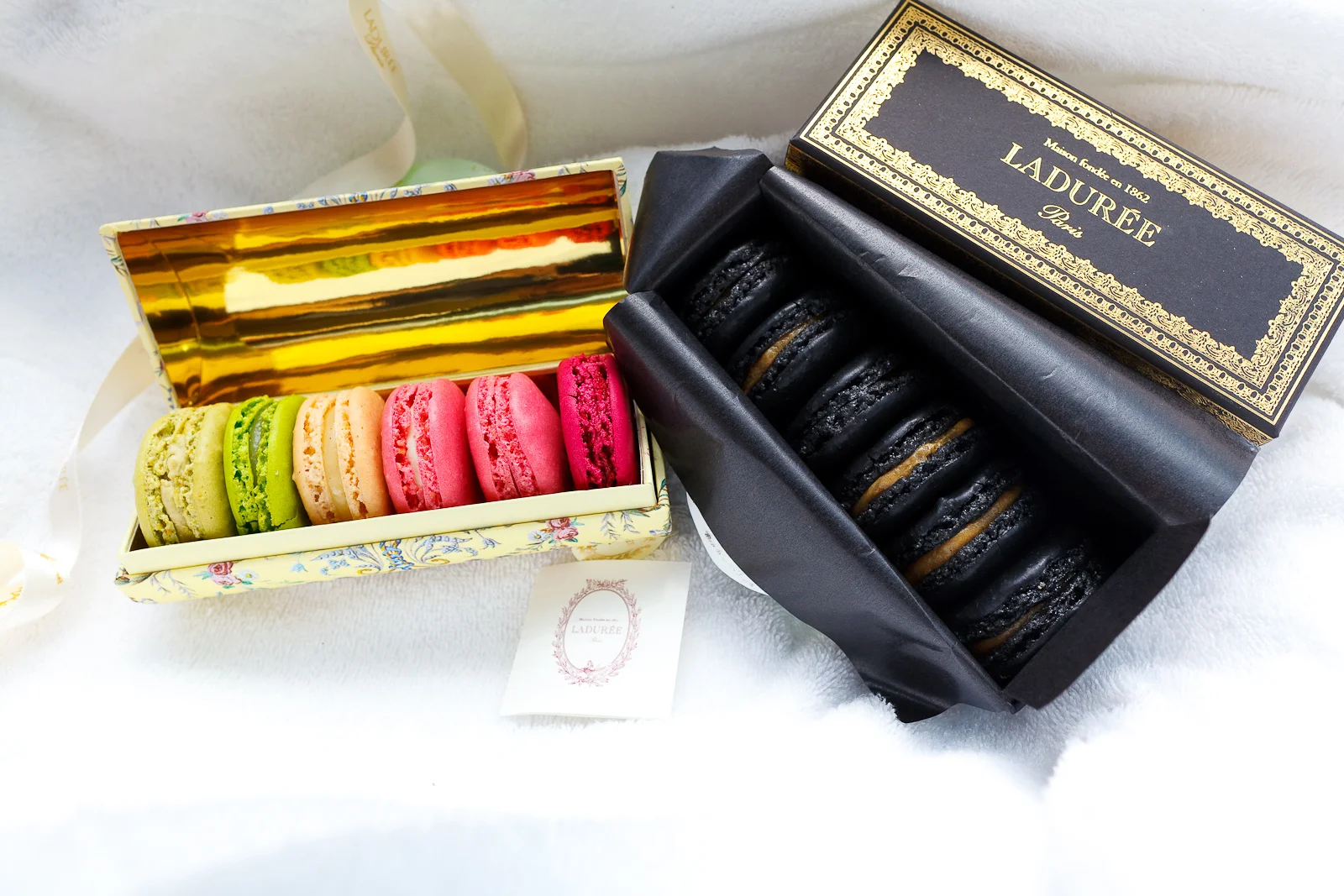
Photographs from my meal in Switzerland , Zurich, at Ladurée on September 7, 2011.
Read more...
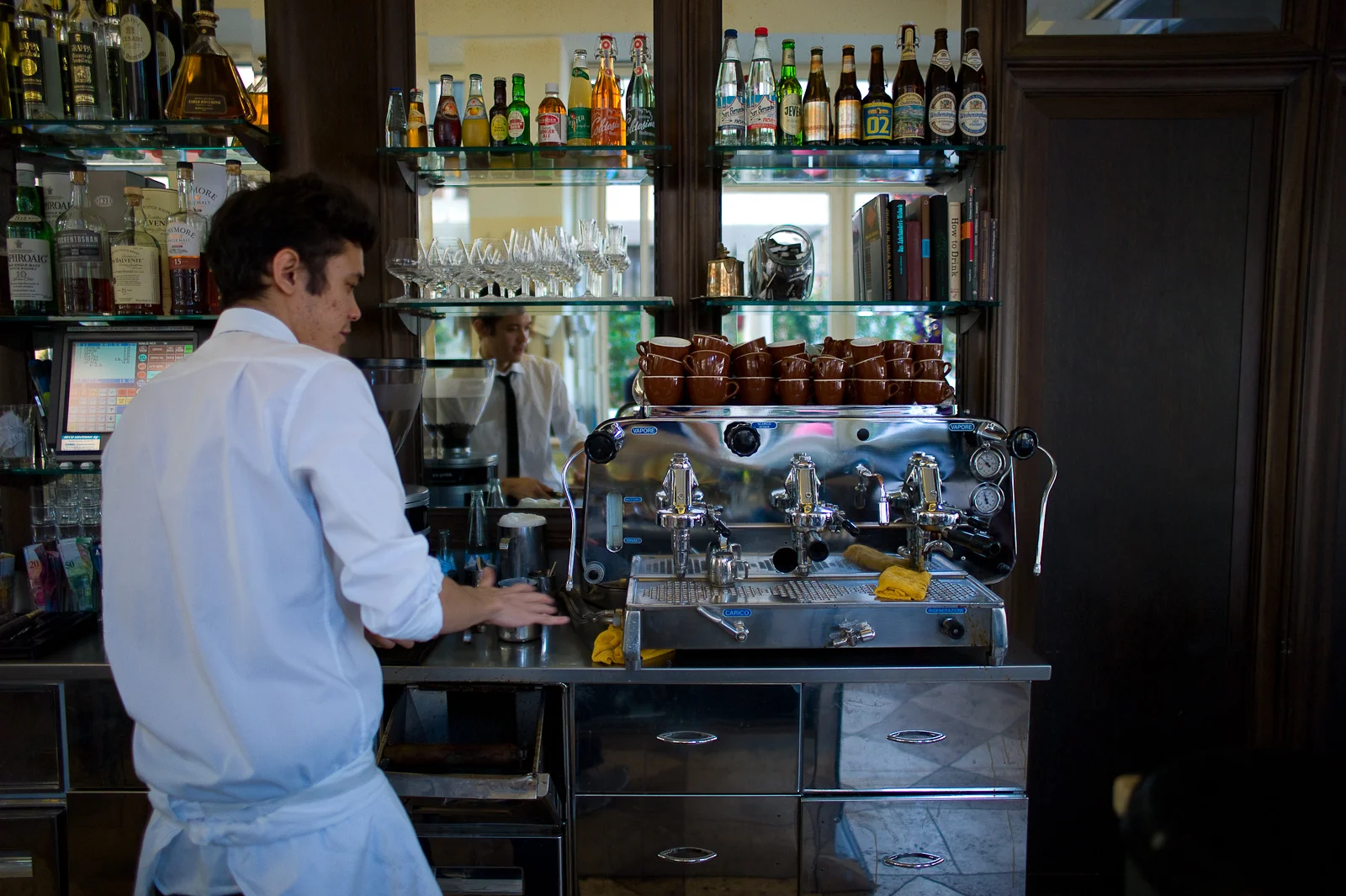
Photographs from my meal in Italy , San Giacomo Filippo, at Presalbert on September 7, 2011.
Read more...
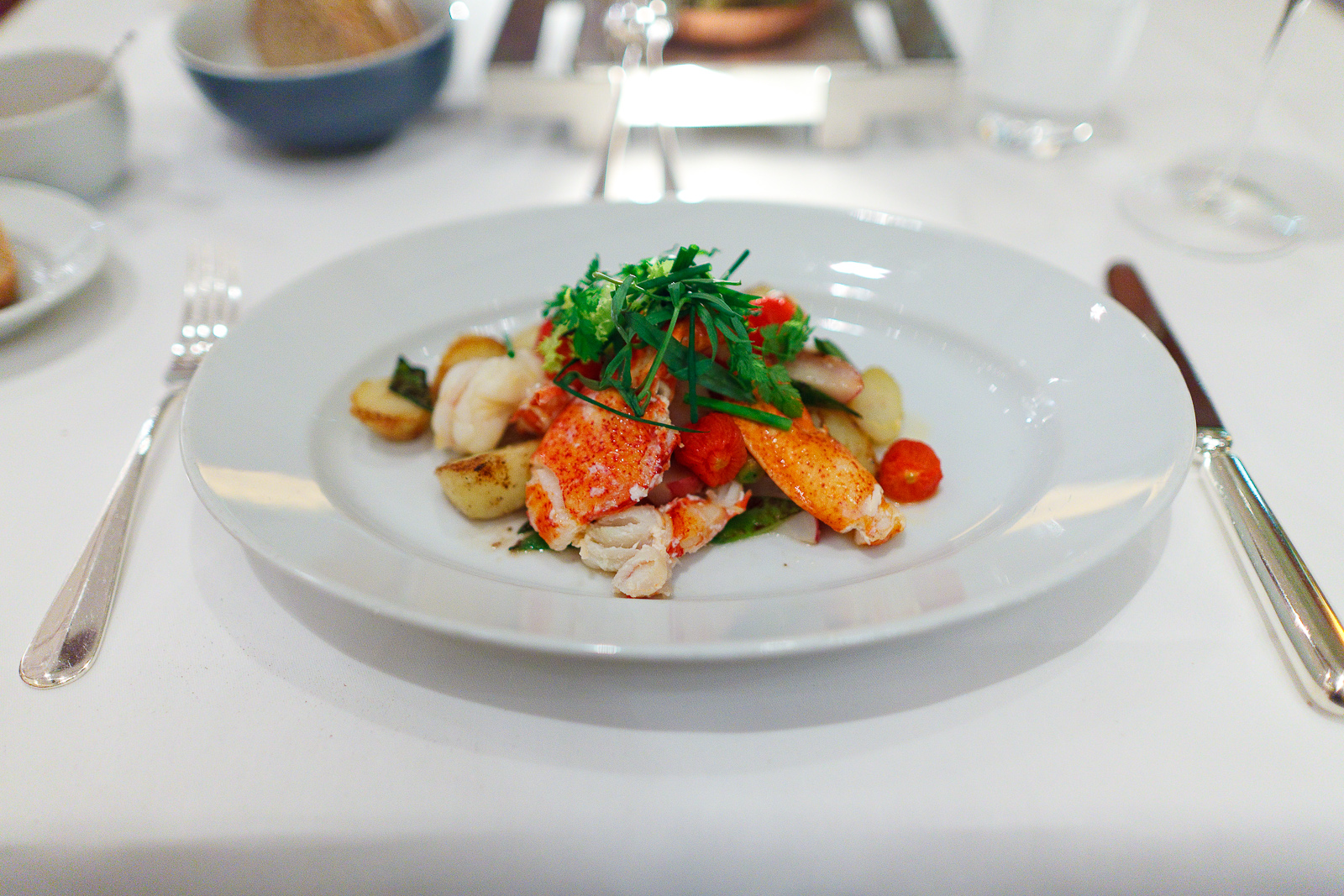
Photographs from my meal in Switzerland , Zurich, at La Stanza on September 6, 2011.
Read more...
Photographs from my meal in Switzerland , Zurich, at Parkhuus on September 6, 2011.
Read more...
Photographs from my meal in United states ,New York at Queens Kickshaw on September 1, 2011.
Read more...
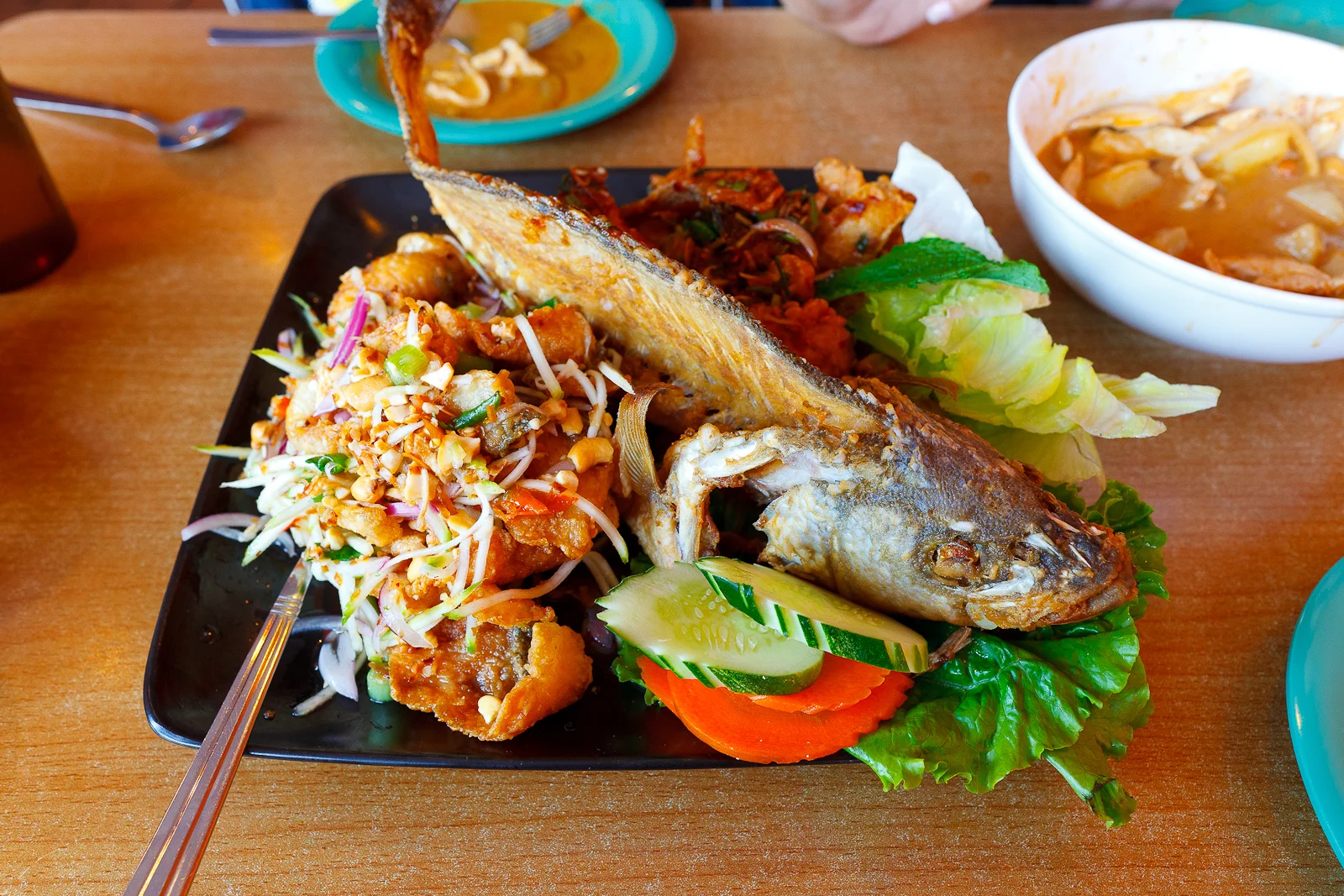
Photographs from my meal in United States , New York , at Chao Thai, on September 1, 2011.
Read more...
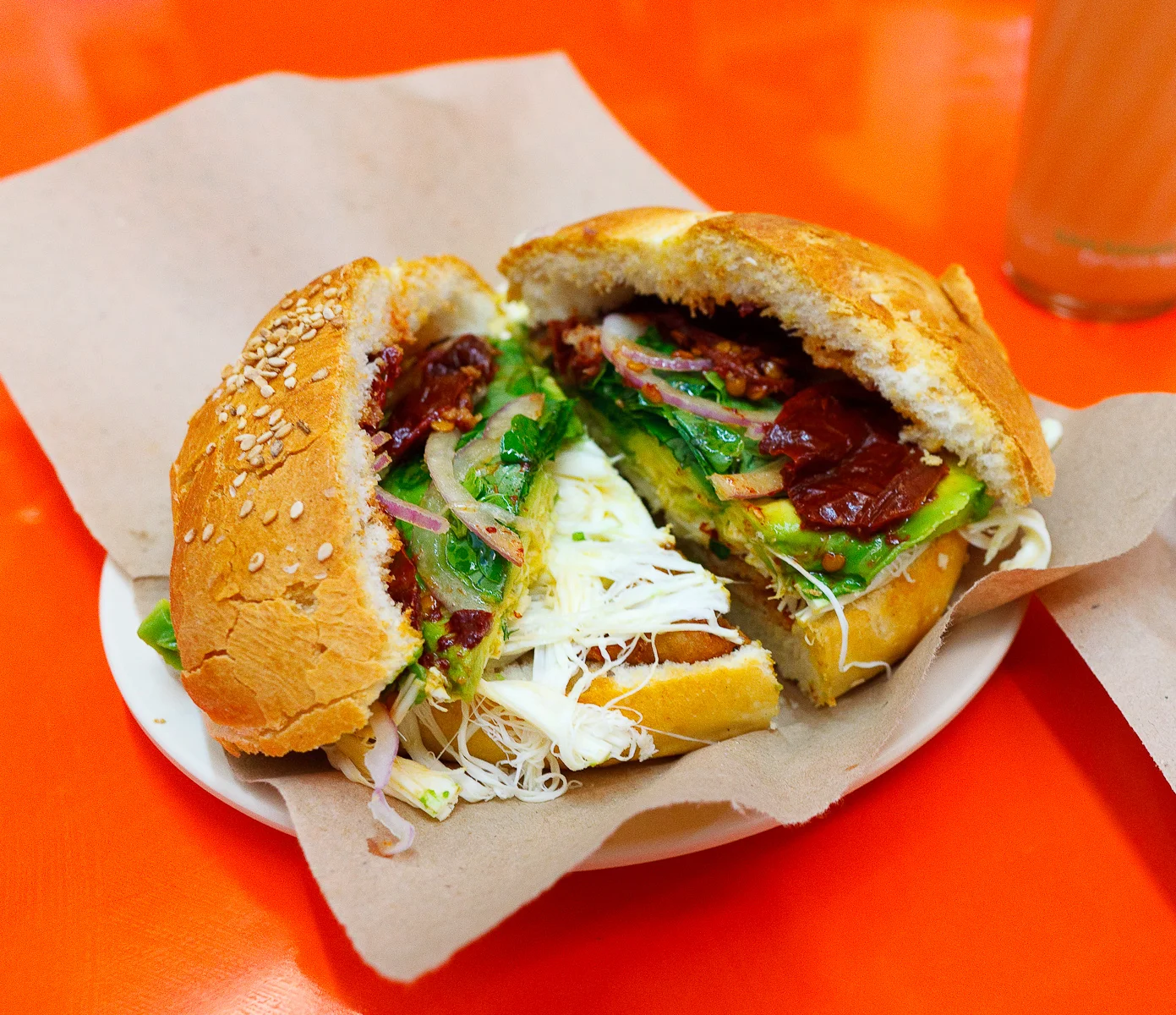
Photographs from my meal in Mexico City, Mexico at Cemitas Lupita, Cholula on August 31, 2011.
Read more...
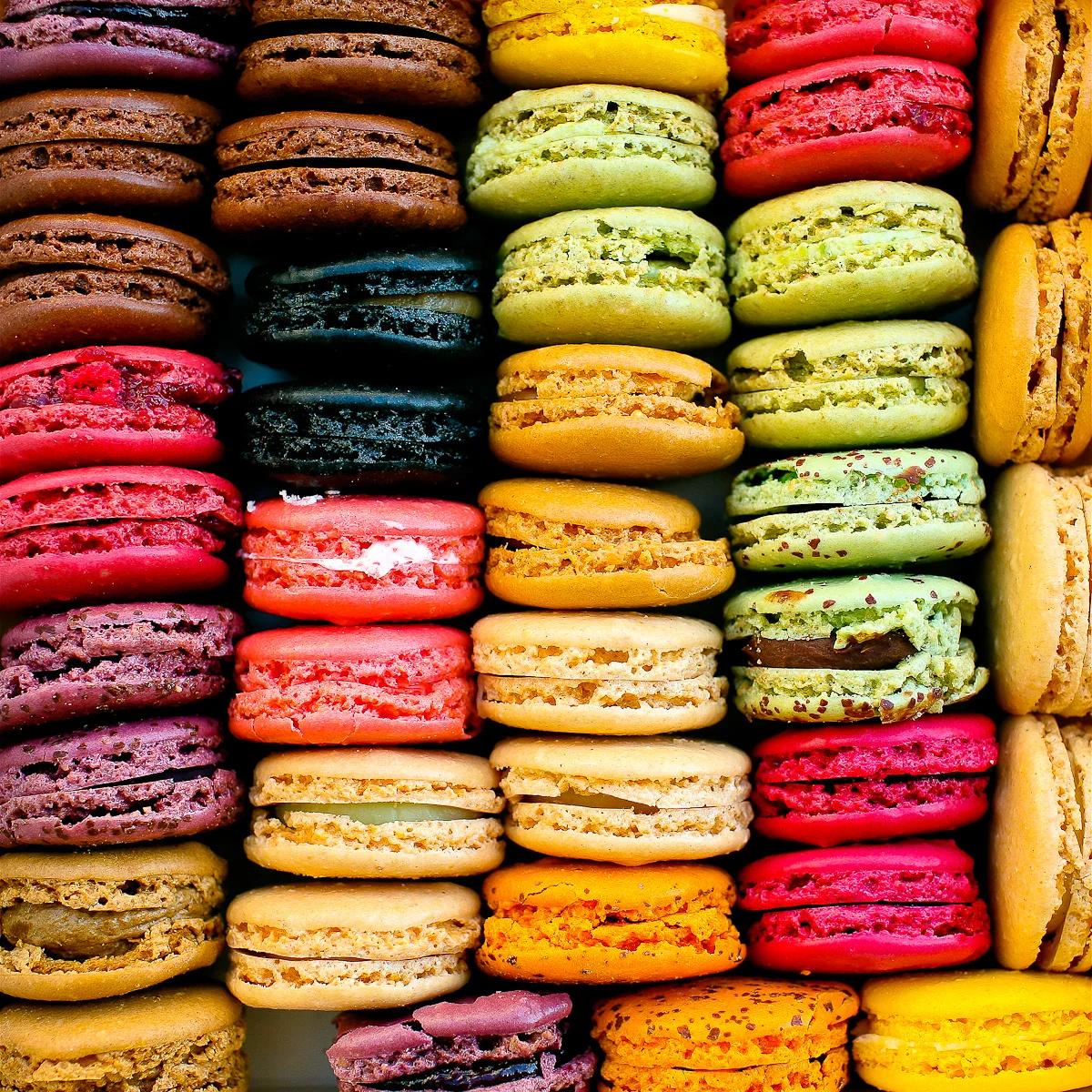
Ladurée has the finest macarons I have tasted anywhere. Unlike pâtisseries such as Pierre Hermé which pride themselves on constantly introducing new and unique flavor combinations, Ladurée takes a much more straightforward approach. Most of the macarons are single-flavor, with a few being a combination of two, at most. This emphasis on simplicity allows Ladurée to completely focus on ingredient quality and taste, ensuring each macaron is the best of its kind.
Photographs from my meal in Mexico ,Puebla at El Mural de los Poblanos on August 30, 2011.
Read more...
Mexican cuisine is extremely regionalized; each state has its own specialties and variations on national dishes. A lot of this regionalization is due to Mexico's diverse climate. Tacos al Pastor, the late night street food where pork is sliced from a spit and layered in a corn tortilla with pineapple, originates far from the ocean in Mexico City where swine is abundant.. Ceviche, campechanas, and seafood cocteles can be found in coastal states like Baja California and Sinaloa, where fresh fish is plentiful. Tinga, a dish where shredded pork is placed in a clay pot and stewed with chipotle, tomatoes, onion, and garlic, can be traced back to the farms of landlocked Puebla. Given this incredible specialization of regions and their dishes, creating a single pan-Mexican restaurant that tackles all of the regions while maintaining quality, is no easy task.
Photographs from my meal in Mexico ,Mexico City at Reforma 500 ,on August 28, 2011.
Read more...
My recent meal at Next, Chicago, was extraordinary. The concept of the restaurant changes every three months, opening with Paris, 1906, a meal based on Auguste Escoffier's legendary cookbook Le Guide Culinaire. All the dishes on the menu included the page number from Le Guide Culinaire from which the recipe came. Chef Achatz and Chef Beran's precision and attention to detail made this meal as focused and delicious as the cuisine of the great chefs of traditional modern French cuisine. After two meals at Alinea, one of my biggest complaints was the lack of progression and seemingly disconnected structure of the meal. Next's Paris 1906 menu, on the other hand, was extremely concise and structured, telling a story and sharing the experience of eating in the city of lights at the turn of the century.
Photographs from my meal in Mexico ,Mexico City at Azul Condesa ,on August 27, 2011.
Read more...
Our meal at L2O was a back-and-forth mix of traditional Japanese kaiseki with modern French cuisine. The restaurant really shined when it stuck to the simple and authentic Japanese dishes, as chef Gras has a remarkably precise cooking style that highlighted the very subtle flavors found in fish and vegetables. Had I not known about chef Gras, I might have thought he grew up in Japan. L2O also served some dishes that were a fusion of the two cuisines. This was the restaurant’s most interesting aspect. The richness of butter can really intensify mild flavors, particularly the subdued flavors of mushroom and cooked fish. But at times it seemed like two different chefs were cooking the meal, taking turns between French and Japanese styles. Sometimes their was synergy in the sequence of courses, other times dissonance.